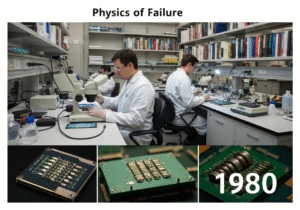

Online AI tools are rapidly transforming electrical engineering by augmenting human capabilities in circuit design, system analysis, electronics manufacturing, and power system maintenance. These AI systems can process vast amounts of simulation data, sensor readings, and network traffic, identify complex anomalies or performance bottlenecks, and generate novel circuit topologies or control algorithms much faster than traditional methods. For instance, AI can assist you in optimizing PCB layouts for signal integrity and manufacturability, accelerate complex electromagnetic or power flow simulations, predict semiconductor device characteristics, and automate a wide range of signal processing and data analysis tasks.
The prompts provided below will, for example, help with generative design of antennas or filters, accelerate simulations (SPICE, EM field simulations, power system stability analysis), help with predictive maintenance where AI analyzes sensor data from power transformers or grid components to forecast potential failures, enabling proactive servicing and minimizing downtime, help with semiconductor material selection or optimal component selection (e.g., choosing the best op-amp for specific parameters), and much more.
Power Systems and Grid Management
Automated Power Flow Analysis and Optimization Report
Analyzes power system network data to perform load flow calculations, identify potential overloads or voltage violations, and suggest optimal adjustments to transformer taps and capacitor banks. This prompt generates a detailed report with recommended corrective actions to enhance grid stability and efficiency.
Recommended temperature: 0.3 Recommended thinking complexity: high
User's inputs: {network_data_file}
Dynamic Stability Assessment and Contingency Ranking Simulates various fault scenarios on a given power grid model to assess its transient stability and ranks contingencies based on the severity of their impact. The output provides a prioritized list of critical contingencies and corresponding stability margins, aiding in proactive grid management. Recommended temperature: 0.7 Recommended thinking complexity: high User's inputs: {power_grid_model_data}, {fault_scenarios}, {simulation_parameters}
Renewable Energy Integration Impact Study
Evaluates the impact of integrating a new large-scale renewable energy source into an existing power grid by analyzing power quality, voltage stability, and frequency response. This generates a comprehensive report outlining potential issues and recommending necessary grid reinforcements or control strategies.
Recommended temperature: 0.7 Recommended thinking complexity: high
User's inputs: {existing_grid_parameters}, {renewable_source_characteristics}, {load_demand_forecast}
Optimal Power Dispatch Schedule Generator
Determines the most economical and efficient power generation schedule for a set of generating units based on their cost curves, operational constraints, and forecasted load demand. The output is a detailed dispatch schedule in a CSV format that minimizes operational costs while maintaining system reliability.
Recommended temperature: 0.3 Recommended thinking complexity: high
User's inputs: {generating_units_data}, {forecasted_load_demand}, {operational_constraints}
Short-Circuit Analysis and Protective Device Coordination Study
Calculates fault currents at various points in an electrical network and evaluates the coordination of protective devices like relays and circuit breakers. This prompt produces a report identifying any miscoordination issues and suggests new settings to ensure proper fault isolation.
Recommended temperature: 0.3 Recommended thinking complexity: high
User's inputs: {network_data}, {fault_points}, {device_settings}
Electricity Load Forecasting Model Generator
Develops a time-series forecasting model for electricity demand based on historical load data, weather patterns, and economic indicators. The output is the forecasted load profile and a report on the model's accuracy, crucial for efficient power generation and resource allocation.
Recommended temperature: 0.7 Recommended thinking complexity: high
User's inputs: {historical_load_data}, {weather_data}, {economic_indicators}
Grid Resilience Analysis for Extreme Weather Events
Assesses the vulnerability of a power grid to specific extreme weather scenarios by identifying critical components at risk and simulating the potential impact on the network. This generates a report with a resilience score and recommendations for hardening the grid infrastructure.
Recommended temperature: 0.7 Recommended thinking complexity: high
User's inputs: {grid_configuration_data}, {historical_weather_data}, {specific_weather_scenario}
Electrical Machines and Drives
Electric Motor Design Parameter Optimization
Optimizes the design parameters of an electric motor for a specific application by iterating through various geometric and material combinations to maximize efficiency and torque density. The output provides the optimized design specifications and performance characteristics in a tabular format.
Recommended temperature: 0.7 Recommended thinking complexity: high
User's inputs: {application_requirements}, {initial_design_parameters}, {material_options}, {geometric_constraints}
Induction Motor Fault Diagnosis from Vibration and Current Data Analyzes vibration and stator current data from an induction motor to detect and classify common faults such as bearing wear, rotor bar breakage, and stator winding faults. This prompt generates a diagnostic report detailing the identified fault and its severity. Recommended temperature: 0.7 Recommended thinking complexity: high User's inputs: {vibration_data}, {stator_current_data}, {motor_specifications}
Variable Frequency Drive (VFD) Harmonic Analysis Analyzes the harmonic distortion produced by a VFD on the power system for a given motor load and drive configuration. The output is a report detailing the harmonic spectrum and recommendations for filter design to comply with power quality standards. Recommended temperature: 0.3 Recommended thinking complexity: high User's inputs: {motor_load_specifications}, {vfd_configuration_details}, {power_system_parameters}
Transformer Health Assessment from Dissolved Gas Analysis (DGA) Data
Interprets dissolved gas analysis data contained in the report from transformer oil to assess the transformer's internal health and identify potential incipient faults like arcing, corona, or overheating. This generates a health index and a report with a diagnosis based on Duval's Triangle or other standard methods.
Recommended temperature: 0.3 Recommended thinking complexity: high
User's inputs: {dga_report}
Generator Excitation Control System Tuning Simulates a generator's dynamic response to grid disturbances and suggests optimal tuning parameters for its automatic voltage regulator (AVR) and power system stabilizer (PSS). The output provides the recommended PID controller gains to enhance the generator's stability. Recommended temperature: 0.7 Recommended thinking complexity: high User's inputs: {generator_parameters}, {grid_disturbance_scenarios}, {initial_avr_gains}, {initial_pss_gains}
The rest of this article is reserved for members
To limit scraping bots (currently 40,000 hits per day!),
we had to restrict access to full articles and tools to registered members only.
to access all the rest.