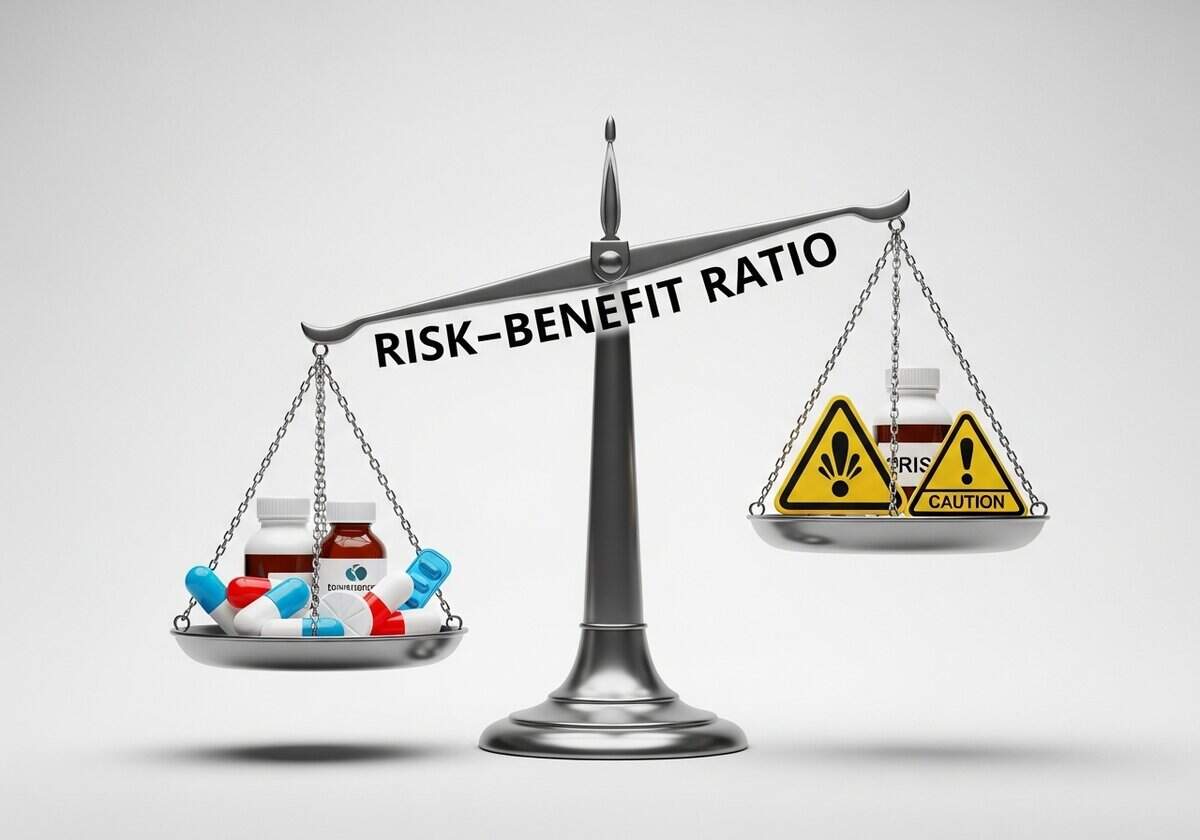
In the domains of product design, engineering, manufacturing, and innovation, the evaluation of the risk-benefit ratio in risk assessment plays a big role in decision-making processes that safeguard human life and promote sustainable practices. A statistic from the World Health Organization underscores this urgency: approximately 1 in 10 patients worldwide experience adverse effects from medication, highlighting the need for rigorous risk assessment in pharmaceutical drug development and medical device design. This article aims to dissect the multifaceted definition of the risk-benefit ratio, the methodologies for its evaluation -both qualitative and quantitative- as well as the key factors influencing this ratio.
Ethical considerations in Risk–benefit Ratio In Risk Assessment and the relevant regulatory and legal frameworks will also be discussed, supported by real-world case studies that illustrate the practical applications and challenges faced when assessing risk against potential benefits.
Key Takeaways

- Risk-benefit ratio quantifies potential outcomes in assessments.
- Evaluation methods include both qualitative and quantitative analysis.
- Severity and likelihood of risks significantly influence the ratio.
- Ethical frameworks guide decision-making processes around risks.
- Understanding regulatory requirements is crucial for compliance.
- Case studies illustrate practical applications and challenges faced.

Definition of Risk-Benefit Ratio in Risk Assessment
The concept of risk-benefit ratio serves as a fundamental framework in risk assessment across various industries, especially when weighing the potential adverse effects against the anticipated benefits of a decision or action. It quantitatively represents how much benefit is gained versus the possible risks associated with a particular course of action. For instance, in pharmaceutical drug development, the ratio helps determine whether a new medication’s therapeutic advantages outweigh its side effects and potential for harm. A favorable risk-benefit ratio supports the approval and use of a drug, guiding regulatory bodies like the FDA in their assessments and market authorization.
This ratio is typically expressed in quantitative terms, rendering it easier to compare different options. Mathematically, it can be represented basically as \(RBR = \frac{Benefit}{Risk}\).
If the calculated RBR indicates that benefits substantially exceed risks, stakeholders may consider proceeding with the project. Conversely, a lower or negative ratio may lead to reconsideration or abandonment. This formula aids in making data-driven decisions rather than relying solely on subjective judgments.

Key elements contributing to the risk-benefit ratio include the nature and severity of risks involved, the likelihood of their occurrence, and the extent of the benefits derived:
- In engineering project management, a construction project that promises significant economic advantages but poses severe safety risks may reveal a less favorable risk-benefit ratio.
- A project with numerous minor risks but moderate benefits might show a more attractive ratio.
Real-world metrics can further elucidate this concept. In medical device design, a device designed to reduce surgical time but poses risks of infection with a 5% probability yields a different RBR compared to another device with lower infection risk but minimal time-saving effects. Thus, the risk-benefit ratio not only guides regulatory approvals but shapes strategic planning within projects across different sectors.
Tip: Utilize decision trees to visualize the consequences of various actions in relation to their risk-benefit ratios, aiding in clearer decision-making.


The rest of this article is reserved for members
To limit scraping bots (currently 40,000 hits per day!),
we had to restrict access to full articles and tools to registered members only.
to access all the rest.