地球をより環境に優しいものにしようと努力する中で、あるエンジニアの歩みが際立っています。 reverse engineering この技術は、古い機械、家電製品、消費財に新たな命を吹き込むことができる。製品の寿命を延ばすだけでなく、リサイクルや古い素材からの新製品開発への道も開いた。廃棄物を削減し、製品をより長く使い続ける必要性が高まるにつれ、リバースエンジニアリングが重要な鍵となる。
本稿では、リバースエンジニアリングがエンジニアリングと製造の持続可能性を維持する上でいかに重要な役割を果たすことができるかを探る。
リバースエンジニアリングは、他人の技術をコピーしたり侵害したりすることではありません。 intellectual property (あるいは少なくとも、規制はその方向へ進むべきである。)
主なポイント
- リバースエンジニアリングは、老朽化した機械やメンテナンスされていない製品の保守戦略を最適化する。
- It facilitates リサイクル processes, making waste reduction more efficient.
- アップサイクル opportunities arise through the analysis of materials and old product designs.
- リバースエンジニアリングは、製品ライフサイクル全体にわたる持続可能なソリューションを支える。
- This approach can play a significant role in enhancing product 長寿.
リバースエンジニアリングとは、製品を分解してその仕組みを理解することである。 これには、製品を分解し、各部品を調べ、発見したことを書き留めることが含まれます。主な目的は、通常、製品を改良したり、新しいアイデアを生み出したり、廃止された部品を再現したりすることです。
古い電子機器から廃車まで、 reverse engineering 製品の性能向上に役立ちます。設計を研究し、微調整することで、企業は製品を常に最新の状態に保つことができます。これにより、古い製品を早期に使用中止せざるを得なくなる事態を避けることができます。エンジニアは綿密な研究を通して、再利用や再設計の方法を見つけ出し、廃棄物を削減することができます。
製品ライフサイクル管理におけるリバースエンジニアリング
「リバースエンジニアリングは製品の管理において非常に重要です」 寿命たとえ、あるいは特に、元の製造元が意図していなかったとしても。
既存製品の評価を行うことで、改善すべき点を特定できます。これにより、より優れた設計とより効率的な生産が可能になり、製品の全体的な機能性と耐久性が向上します。また、より効果的なメンテナンス戦略にもつながります。製品の詳細を理解することで、他社もより適切にメンテナンスできるようになり、製品寿命が延び、最初の所有者や二次所有者の満足度を高めることができます。
このアプローチは企業が環境規則を遵守するのに役立ちます。設計において持続可能なソリューションの使用を促進します。製品はより容易に リサイクルまたはアップサイクル法的要件と消費者の環境配慮に関する期待の両方を満たす。
保守、リサイクル、アップサイクルのためのリバースエンジニアリング
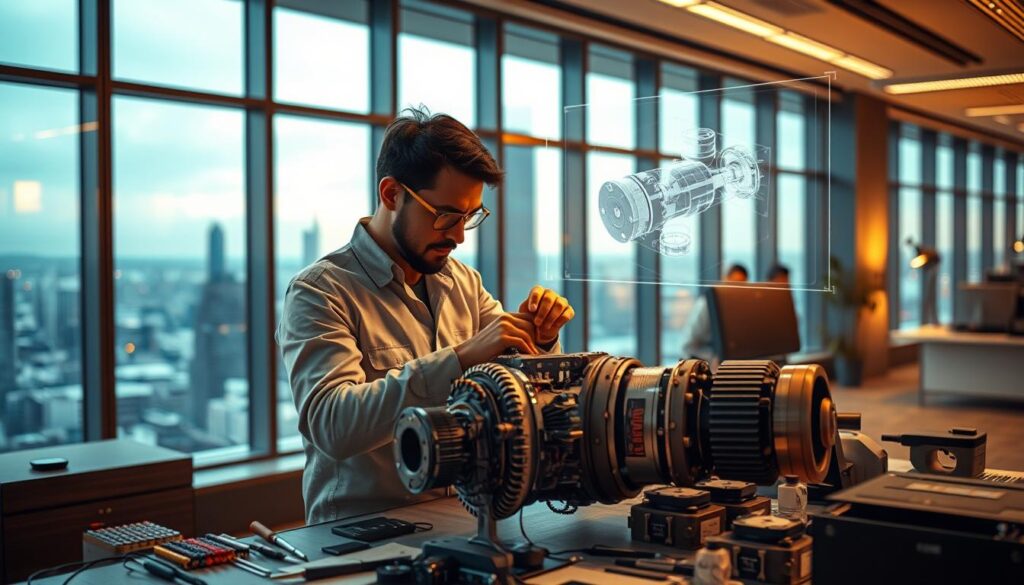
リバースエンジニアリングは、製品の寿命を延ばし、廃棄物を削減します。企業は既存の製品を分析し、改善できる点を見つけることができます。これにより、どの部品を修理する必要があるか、あるいは改良できるかを把握でき、より効率的なメンテナンスにつながります。
- 製品寿命を延ばす: 企業はリバースエンジニアリングを活用して自社製品を深く理解します。これにより、効果的な改良が可能になります。弱点を見つけて修正することで、製品の耐久性が向上します。これはコスト削減につながるだけでなく、新製品の必要性を減らすことで環境保護にも貢献します。
- 効果的なメンテナンスによって廃棄物を削減する: 保守にリバースエンジニアリングを活用することで、無駄を削減できます。部品が完全に故障する前に修理できるため、製品の寿命を延ばし、廃棄物を減らすことができます。これは、リサイクルを促進し、資源を賢く利用する取り組みとも合致しており、業務効率の向上につながります。
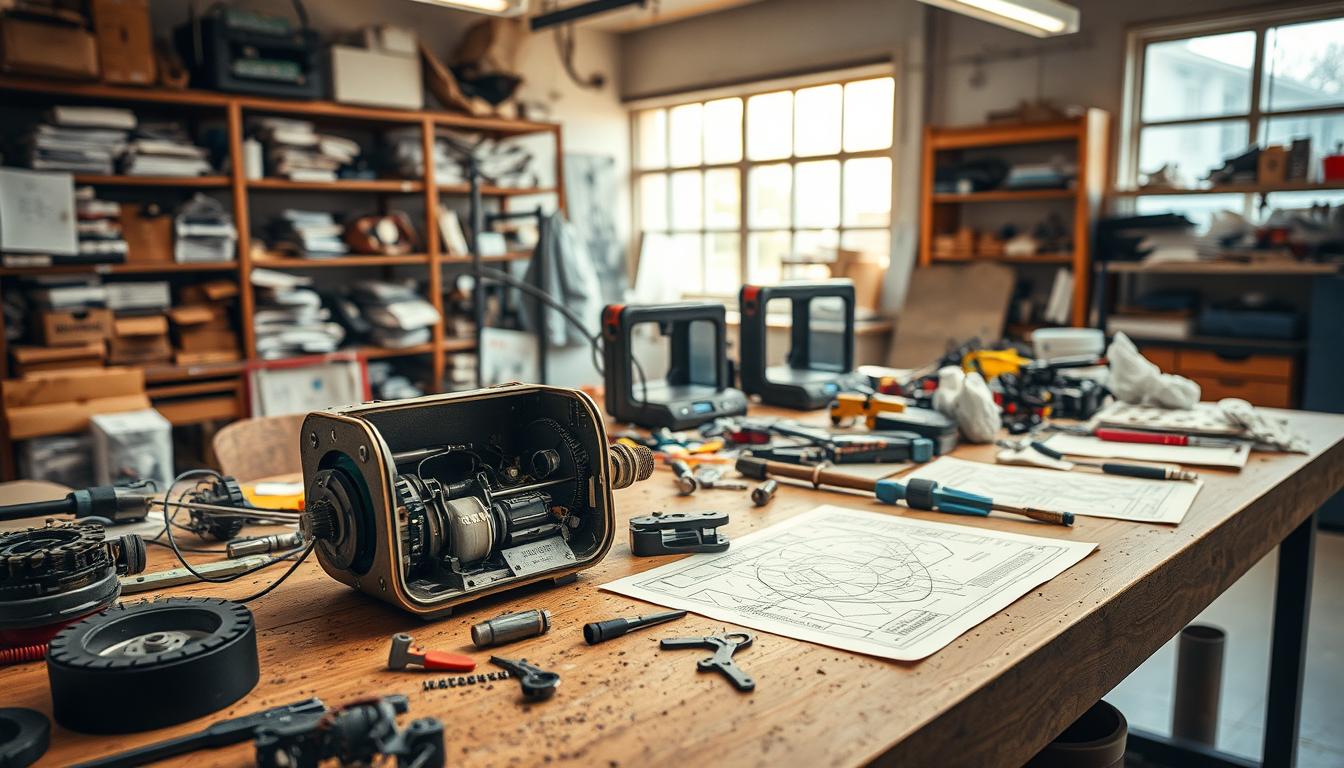
(実際、新しい東洋製の安価なものを購入すると モーター そうすれば彼は2時間分の仕事を省けただろう)
- リバースエンジニアリングによって実現される持続可能な実践: 企業は、古い製品や競合他社の製品を研究することで、より長持ちし、資源消費量の少ないデザインを生み出すことができます。これは、環境に優しいソリューションを見つけ、環境保護に貢献する製品をより長く作り出すのに役立ちます。この方法は、環境に配慮した素材の開発や、エネルギーを節約できる製品の製造方法の開発にも役立ちます。こうしたアイデアは、過去の製品製造方法を見直すことから生まれることが多いのです。
Implementing Repair and Reuse Strategies
Making products that last is key to sustainability. By focusing on how long they last and how easy they are to fix, companies meet customer needs and shrink their environmental impact. It’s important to pick out essential parts for repair early in the design stage. This makes fixing and making products last longer easier. Such forward-thinking boosts new ways to fix things and extends 製品寿命.
- Identifying key components for repair: finding which parts wear out or break easily is a big part of repair plans. Companies should use materials and parts that are easy to fix or switch out. Designing with these important parts in mind helps build a habit of taking care of what we own. This way, people keep their stuff longer, saving resources and focusing on being green. Tip: refer to many posts of this blog for many techniques and processes for design for reliability and maintenance.
- Designing for 分解: making products easy to take apart is essential for fixing and recycling. They should be made so you can get to important parts easily, without breaking anything else. By designing with disassembly and reuse in mind, engineers make products simpler to maintain and recycle. This approach cuts down waste, supporting sustainable goals and a 循環型経済. Tip: refer to many posts of this blog for many design tips for design for disassembly.
- Support circular economy initiatives: reverse engineering helps the circular economy by making use of resources better and finds raw materials to reuse or recycle. This cuts down on waste. Keeping resources in use for as long as possible is a major goal of the circular economy.

Upcycling Techniques Through Reverse Engineering
Upcycling techniques use reverse engineering to turn waste into valuable products. This method lessens environmental harm and creates new value. By studying how rejected materials were originally made and used, we can find creative ways to make them better and more beautiful.
Creating value from waste: seeing the hidden worth in things usually thrown away leads to new, imaginative creations. This process can change old furniture into redesigned pieces or turn fabric scraps into stylish accessories.
Examples of Upcycled Products
- Furniture: old pallets converted into stylish coffee tables or benches.
- Fashion: jeans turned into trendy bags or aprons, showing how fabrics can be reused.
- Home ddecor: glass bottles made into decorative lamps or vases, revealing innovation in lighting designs.
- Automotive parts: car tires repurposed as outdoor planters, aiding in eco-friendly gardening.

Challenges in Applying Reverse Engineering for Sustainability
Using reverse engineering to help the planet faces tough challenges. Cost is a big one. Companies often find the initial expenses hard to handle. This can stop them from buying the tech needed for going green. Since these investments don’t pay off right away, people hesitate to make the leap.
Technology is another roadblock. Many older systems can’t handle today’s complex recycling needs. This makes it hard to reuse or recycle materials well, adding to waste. Without the latest automatic material analysis tools, figuring out if materials can be recycled is tough. Coatings and complex material assemblies make 並べ替え and reuse even tougher.
Rules and laws add to the problem. The rules about recycling and managing waste change from place to place. They have to deal with lots of rules that can slow things down, making it costly and tricky. To deal with these issues, industries need better plans and rewards.
Temptation for big companies can be to send old products where environmental regulation is less strict.
| 課題 | インパクト | Potential Solutions |
|---|---|---|
| Economic Factors | High initial costs reduce investment in sustainable technologies | Incentives and subsidies from government bodies Taking into account full cost of ownership, including recycling |
| Technological Limitations | Outdated tools hinder accurate analysis and assessment | Investment in advanced software and machinery |
| Regulatory Barriers | Inconsistent regulations complicate compliance Intellectual property laws | Streamlined regulation frameworks conducive to sustainability. Update in IP regulations for non-maintained products. |

結論
Reverse engineering brings big benefits for maintenance, recycling, and upcycling. By taking apart and studying products, industries can make them last longer, cut down on waste, and come up with new ideas. This way, they can work better in a circular economy, where things are reused and recycled.
Looking ahead, the success of green practices depends a lot on better reverse engineering tools and laws. As these tools improve, we’ll find smarter ways to use resources and recycle.
In the end, using reverse engineering can lead us to a greener future. It can make fixing and reusing things the norm, not just rare exceptions.
An update of intellectual property laws is needed to promote some cases or reverse.
Related Techniques
- Product disassembly analysis: techniques for taking apart products to understand their construction, materials, and functionality for 生態学 and recycling.
- Material identification and characterization: 分光法 (FTIR, XRF), microscopy, and other analytical techniques to identify materials for proper recycling or upcycling.
- Digital twin: developing digital models from physical parts for optimization, reuse, or 再生製造.
- 3D scanning and imaging: use of laser scanners, CT scanners, and photogrammetry to reverse engineer parts for remanufacture or modification.
- Non-Destructive Testing (NDT): ultrasound, magnetic resonance, and other techniques for inspecting parts without damaging them, aiding maintenance and recycling.
- 分解しやすい設計 (DfD): engineering approaches to make future disassembly, recycling, and reuse more feasible.
- Component re-engineering: redesigning outdated or obsolete parts using RE for improved environmental performance.
- Circular economy platforms: digital marketplaces and systems that track and facilitate part reuse, recycling, and upcycling.
- Remanufacturing technologies: automated cleaning, refurbishment, and repair technologies for returned products.
- Recyclability enhancement algorithms: AI and machine learning tools that suggest design changes for better recyclability during RE.
- Eco-labeling and tracking technologies: RFID, blockchain, and IoT for tracing product and material origin, lifespan, and recycling status.
- Functional decomposition: breaking down products into functional modules to identify reusable or upcyclable subsystems.
- Chemical recycling processes: advanced depolymerization and material recovery technologies to process complex waste streams.
External Links on Reverse Engineering For Maintenance & Recycle
国際規格
(リンクにカーソルを合わせると、コンテンツの説明が表示されます)
用語集
Computed Tomography (CT): X線とコンピュータ処理を用いて人体の断面画像を生成する医用画像技術であり、内部構造や組織の詳細な可視化を可能にする。2次元データから3次元表現を提供することで、診断能力を向上させる。
Design for Disassembly (DfD): 製品のライフサイクル終了時に部品や材料を容易に分離できる設計アプローチであり、リサイクル、再利用、効率的な廃棄物管理を促進します。モジュール性とアクセシビリティを重視することで、持続可能性を高め、環境負荷を低減します。
Design for Reliability (DfR): 設計プロセス全体を通して信頼性を重視し、潜在的な故障モードを特定・軽減する技術を取り入れ、運用環境における一貫した性能と長寿命を確保する、体系的な製品開発アプローチ。
Fourier Transform Infrared Spectroscopy (FTIR): 試料の吸収または発光の赤外線スペクトルを測定する技術であり、フーリエ変換アルゴリズムを用いて時間領域のデータを周波数領域のスペクトルに変換し、化学分析に用いる。
Internet of Things (IoT): センサー、ソフトウェア、その他の技術が組み込まれた相互接続されたデバイスのネットワークであり、インターネットを介してデータを収集および交換することを可能にし、さまざまなプロセスやシステムの自動化、監視、および制御を容易にする。
Non-Destructive Testing (NDT): 材料の特性、完全性、または構造を損傷を与えることなく評価するために用いられる方法で、超音波探傷試験、放射線探傷試験、磁粉探傷試験、浸透探傷試験などの技術を用いて欠陥や不連続部を検出する。
Product Lifecycle Management (PLM): 製品のライフサイクルを、構想段階からエンジニアリング設計、製造、サービス、廃棄に至るまで体系的に管理するアプローチであり、人材、プロセス、データ、テクノロジーを統合することで、製品品質の向上、市場投入までの時間の短縮、関係者間の連携強化を図る。
Upcycle: 廃棄物や不要品を、創造的な再利用や用途変更などを通じて、より高品質または価値の高い新しい製品へと転換することで、環境への影響を軽減し、持続可能性を促進する。
X-ray Fluorescence (XRF): 試料に一次X線源を照射した際に放出される特性X線を測定することで、材料の元素組成を分析する手法。材料科学や環境分析など、様々な分野で広く用いられている。