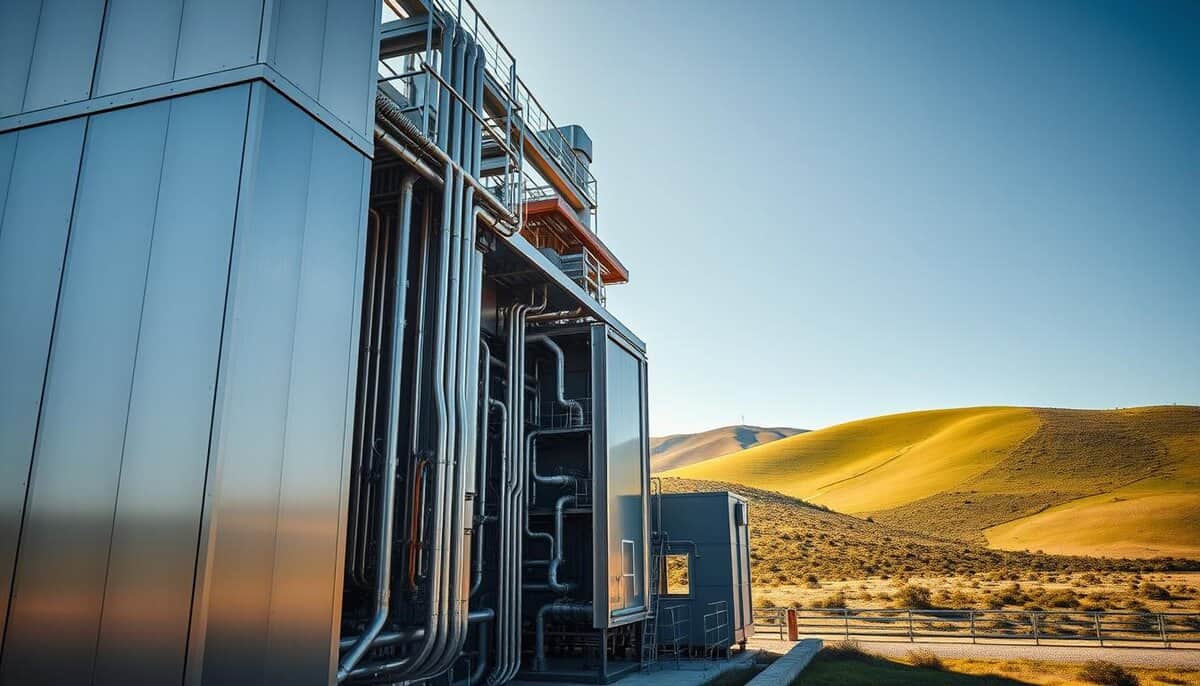
世界的な取り組みとして、 気候変動 激化する、 直接空気回収 (DAC), usually meant for Direct Air Carbon Capture (DACC) emerges as a promising yet controversial technology in the arsenal of carbon dioxide removal (CDR) strategies. This article will dissect the fundamental principles of DAC technology, analyze various approaches such as solid sorbents and liquid solvents, and highlight the current stage of development traversed by key industry players. さらに、DACシステムのエネルギー要件、経済的実現可能性の低さ、環境への影響といった課題に取り組むとともに、その有効性と拡張性を曇らせる可能性のある課題や誤解にも対処していく。
主なポイント
- DACは、周囲の空気から直接CO2を回収することに依存している。
- 様々な技術には、固体吸着剤と液体溶媒が含まれる。
- 技術は進化しており、主要な業界参加者が次々と現れている。
- DACの運転には、非常に大きなエネルギー投入量が必要となる。
- 経済的な実現可能性は、地域や技術によって大きく異なる。
- 拡張性に関しては、その有効性とコストに関して誤解が生じやすい。
- 最も良い廃棄物とは、そもそも生み出さない廃棄物である。
直接空気炭素回収技術の基本原理
ダイレクトエア Carbon Capture (DAC) technology operates on the principle of chemically capturing carbon dioxide (CO₂) straight from the atmosphere. It typically employs a sorbent or solvent that selectively binds CO₂. Upon saturation, the material is then subjected to a regeneration process, often involving heat or a reduction in pressure, to release the captured CO₂. For instance, systems using solid sorbents might employ a cyclic process where the sorbent is heated to around 100-150 degrees Celsius to release CO₂. This process can be represented by the reaction:
[latex] {CO}_2 + {Sorbent} {\rightleftharpoons} {Sorbent-CO}_2 {(bound form)} [/latex]
The overall efficiency of DACC systems can vary significantly based on the technology and design employed. Several methods include high-temperature sorbents, aqueous amine-based solvents, and alkaline mineralization. A report by the Global CCS Institute indicated that high-temperature sorbents can capture 90% of CO₂, while amine solutions can achieve similar results with lower energy costs. Each method shows distinct trade-offs in energy input, capture efficiency, and scalability potential, which influences the choice of technology based on the application required.
A notable advancement in DAC technology is the direct capture of CO₂ from ambient air combined with renewable energy sources to offset operational energy requirements. For example, Climeworks, a leading DAC firm, reported a capture cost of $600 per ton of CO₂ in 2021. This figure highlights the current financial challenges while also underlining that with increased investment and innovation, costs may decrease over time.
2025年現在、より大規模な実地試験の結果、これは議論の余地があることが示されている。
DACCのさまざまなアプローチと技術の概要

ダイレクトエア Carbon Capture (DACC) technologies can be broadly categorized into two main approaches: liquid-based and solid-based systems. Liquid-based systems primarily utilize chemical absorbents to capture CO2 from the air. A notable example is the use of potassium hydroxide (KOH) solutions, which chemically react with CO2 to form potassium carbonate. Once the absorbent is saturated, a thermal regeneration process is employed, releasing pure CO2 while regenerating the absorbent for reuse. On the other hand, solid-based systems employ sorbent materials that bind CO2. Materials such as amine-functionalized metals or activated carbon can adsorb CO2 at ambient temperatures, offering the advantage of reduced energy requirements for regeneration.

回収材料の選択は、DACシステムの効率に大きな影響を与えます。固体吸着剤は、液体システムに比べてCO2吸収容量が高く、エネルギーコストが低いため、しばしば好まれます。例えば、いくつかの研究では、固体吸着剤システムは、回収されるCO2 1トンあたり約500 MJという比較的低いエネルギー投入量で、90%を超えるCO2回収効率を達成できることが示されています。これは、一部の液体システムでは1トンあたり最大1,240 MJものエネルギー投入量が必要となるのと比べて非常に低い値です。効率指標は、DACを大規模に導入する際の実現可能性を評価する上で非常に重要です。
Emerging technologies also include hybrid systems that combine the advantages of both solid and liquid approaches. These systems can optimize CO2 capture by integrating solid sorbents for initial capture phases and liquid absorbents for subsequent scrubbing processes. Recent advancements have demonstrated that such hybrid configurations can enhance overall CO2 capture rates, thus paving the way for providing cost-effective solutions for various industrial operations.
Different DAC facilities such as Climeworks in Switzerland and Carbon Engineering in Canada highlight operational variations in these technologies. Climeworks has employed a modular approach using solid sorbent filters, while Carbon Engineering utilizes a more traditional liquid absorption method. The choice between these technologies often revolves around factors such as target market, energy costs, and geographic location, which dictate the operational efficiency of DAC systems.
| Technology Type | Energy Requirement (MJ/ton CO2) | Capture Efficiency (%) TBC at scale and on the long run | Regeneration Method |
|---|---|---|---|
| Liquid Absorbents | 1,240 | Up to 90 | Thermal |
| Solid Sorbents | 500 | Up to 90 | Thermal or Electric |
| Hybrid Systems | 変数 | Higher than 90 | Combined Methods |
ヒント: when evaluating DAC systems, consider the local energy sources and costs, as they significantly influence the overall efficiency and economic feasibility of the chosen technology.
Energy Requirements and Sources for Effective DAC Processes
Energy consumption represents a significant consideration in Direct Air Carbon Capture (DACC) processes, as efficient removal of CO2 from the atmosphere necessitates considerable electricity and thermal energy inputs. Various DAC technologies exhibit varying energy demands, which typically fall within the range of 1.5 to 10 GJ per ton of captured CO2. The main energy consumers include fans for air intake, heat exchangers, and chemical processes involved in capturing and releasing CO2. The specificity of the technology and the conditions of the operational environment directly influence these requirements.

For successful operation, DAC technologies can utilize a mix of energy sources: renewable, fossil, and nuclear.
Renewable sources like solar and wind power can provide clean energy, significantly lowering the カーボンフットプリント of DAC systems. For instance, a study reported that a solar-powered DAC plant in the United States captured about 1,000 tons of CO2 per year, whereby solar energy accounted for 55% of its energy use.
In contrast, fossil-based energy sources are often cheaper but have implications for the overall emissions profile of the process.
| Energy Source | 長所 | 短所 |
|---|---|---|
| Renewable | Low carbon footprint, sustainable | Intermittent availability, higher initial costs |
| Fossil | Cost-effective, readily available; very concentrated | Increases emissions, not sustainable |
| Nuclear | Stable supply, low emissions | Public perception, nuclear waste issues; military applications also. |
Operational efficiencies are significantly enhanced when heat recovery systems are implemented. By capturing waste heat from the DAC process, overall energy consumption can be reduced by up to 30%.
ヒント: integrating on-site renewable energy generation (such as solar panels) can reduce reliance on grid electricity and potentially enhance the economic feasibility of DAC operations.
Economic Viability and Cost Analysis of DAC Implementation
Cost analysis for DAC implementation reveals a broad spectrum of estimates, reflecting variations in technology and operational scale. Current costs are often pegged between $100 and $600 per ton of CO2 captured. For instance, Climeworks, a leader in DAC, has reported costs around $600 per ton, while other methods, such as mineralization, may achieve lower costs in ideal settings. Factors influencing costs include plant size, location, and energy requirements.
To assess economic viability, the Levelized Cost of Carbon Abatement (LCCA) provides a necessary perspective. LCCA incorporates both capital and operational expenditures, offering a comprehensive view over the project’s 寿命. For example, incentives like tax credits or carbon pricing can affect LCCA, making DAC systems more competitive with traditional carbon offsetting methods.
Challenges include high energy demands and initial capital investments, leading to uncertain economic returns. Despite these obstacles, emerging markets for carbon credits and governmental support aim to lower the financial barrier. A favorable policy environment is crucial in facilitating investment and adoption, as seen in regions prioritizing carbon neutrality, ultimately enhancing feasibility for DAC systems.
Challenges and Misconceptions Surrounding DAC Scalability and Effectiveness
Direct Air Carbon Capture faces significant challenges regarding its scalability and effectiveness. The technological and operational implementation at a large scale remains a core issue. For instance, a study from the Massachusetts Institute of Technology (MIT) provided insights indicating that to achieve a meaningful reduction in global CO2 emissions, DAC technology would need to operate at a massive scale, potentially capturing billions of tons of CO2 annually. Currently, existing DAC facilities capture around 10,000 tons per year, highlighting a major disparity between current capabilities and the required scale.
There’s also an ongoing debate about the overall effectiveness of DAC in mitigating climate change. The idea that DAC can efficiently offset emissions while other sectors continue emitting at high rates has been widely discussed, but research indicates that relying solely on DAC without simultaneous reductions in emissions from fossil fuels can lead to insufficient climate goals. Critics argue that this could create a false sense of security, leading to slower adoption of more effective reduction strategies.

Economically, the high operational costs associated with DAC are a concern for scalability. The cost of capturing CO2 has been estimated at over $300 per ton with current technologies. While innovations and economies of scale may drive this cost down in the future, investment in complementary technologies and infrastructures is also necessary. Stakeholders need to be aware of hidden costs related to maintenance, carbon storage logistics, and energy consumption.
Furthermore, misconceptions surrounding the technology’s physical footprint and resource requirements are prevalent. DAC systems have the potential to occupy large land areas and require significant water and energy resources, which may compete with other land uses and resources, particularly in water-scarce regions. This leads to difficult trade-offs in planning and deployment.
ヒント: organizations interested in deploying DAC technologies should conduct comprehensive life-cycle assessments to analyze the environmental impacts holistically, indicating the potential for unintended consequences that could undermine sustainability goals.
Due to the high energy concentration in oil and its small cost of extraction, any DAC method, trying to get the small percentage of CO2 in in air, will always be more expensive and complex than the problem it is supposed to solve.
As Lean practitioners, the best waste is the one you do not produce at first.
The only way is to reduce the fossile extraction and consumption.
よくある質問
直接空気炭素回収技術の基本原理は何ですか?
直接空気炭素回収(DACC)技術は、化学プロセスによって大気中の二酸化炭素を直接回収する技術です。一般的に、吸着剤や溶媒を用いて二酸化炭素を吸着させ、その後分離して貯蔵または利用します。
利用可能なDACのアプローチと技術にはどのようなものがありますか?
直接空気二酸化炭素回収(DCCO2)には、主に固体吸着剤法、液体溶媒法、鉱物化法の3つのアプローチがあります。それぞれの方法は、二酸化炭素を回収するための独自のメカニズムを持ち、技術的な成熟度も異なります。
DACは経済的にどれほど実現可能なのか、またコスト分析からは何が明らかになるのか?
DAC技術の経済的実現可能性は依然として評価段階にあり、現在のところコストは非常に高く、一般的にCO2回収1トンあたり100ドルから600ドル以上と推定されている。
DACのスケーラビリティと有効性に関して、どのような課題や誤解が存在するのか?
DACが直面する課題としては、高いエネルギー消費量、不明確なインフラ整備の必要性、そしてその有効性に対する世間の認識のばらつきなどが挙げられる。DACだけで気候変動問題を解決できるという誤解がしばしば見られるが、実際には、より広範な解決策の一部として捉えるべきであり、あるいはそもそも解決策とはなり得ない場合もある。
Related Readings
- Regulatory Framework for DAC: DAC技術の導入および運用を規定する法的ガイドラインおよび基準。
- 再生可能エネルギー源との統合: DACプロセスと再生可能エネルギーシステム間の潜在的な相乗効果により、効率を向上させることができる。
- 炭素利用戦略: 回収した二酸化炭素を価値ある製品や燃料に変換する方法。
- DACプロセスにおける熱管理: DAC運転における熱エネルギー利用を最適化するための技術。
- Consumer Carbon Footprint Awareness: 個人および企業の二酸化炭素排出量を削減する上でのDACの役割について、一般の人々に啓発活動を行う。
- 回収したCO2の長期貯蔵ソリューション: DAC技術によって抽出されたCO2の安全かつ効果的な貯蔵のための戦略。
- DACと他のシステムの効率の比較 ベック: 炭素回収・貯留を伴うバイオエネルギーに関連して、DAC技術の有効性を検証する。
External Links on Direct Air Carbon Capture (DAC)
国際規格
(リンクにカーソルを合わせると、コンテンツの説明が表示されます)
用語集
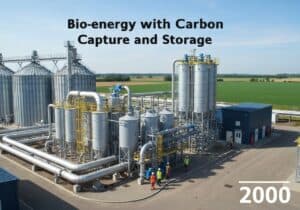
Bioenergy with Carbon Capture and Storage (BECCS): バイオマスエネルギー生産と二酸化炭素排出物の回収・貯蔵技術を組み合わせたプロセスであり、再生可能エネルギーを生成しながら大気中のCO2濃度を削減することを目的としている。
Carbon Capture & Sequestration (CCS): a process that captures carbon dioxide emissions from sources like power plants and industrial processes, transporting it for storage underground or utilizing it in various applications, thereby reducing greenhouse gas concentrations in the atmosphere.
Contamination Control Strategy (CCS): 管理された環境における汚染を予防、検出、軽減するための体系的なアプローチであり、定められた手順、監視、およびリスク管理の実践を通じて製品の品質と安全性を確保する。
Direct Air Capture (DAC): 温室効果ガス濃度を低減し、気候変動の影響を緩和するために、化学プロセスまたは物理的方法を用いて、大気中から二酸化炭素を直接抽出する技術。
Direct Air Carbon Capture (DACC): 大気中の二酸化炭素を直接回収する技術であり、化学プロセスを用いて二酸化炭素を他のガスから分離し、貯蔵または利用を可能にすることで、大気中の温室効果ガス濃度を低減する。
Error-Correcting Code (ECC): a method used in digital communication and data storage that enables the detection and correction of errors in transmitted or stored data by adding redundant information, allowing recovery of original data despite corruption or loss.