Product Design, Manufacturing & Innovation Resources
家 » 医薬品製造管理基準(GMP)

医薬品製造管理基準(GMP)

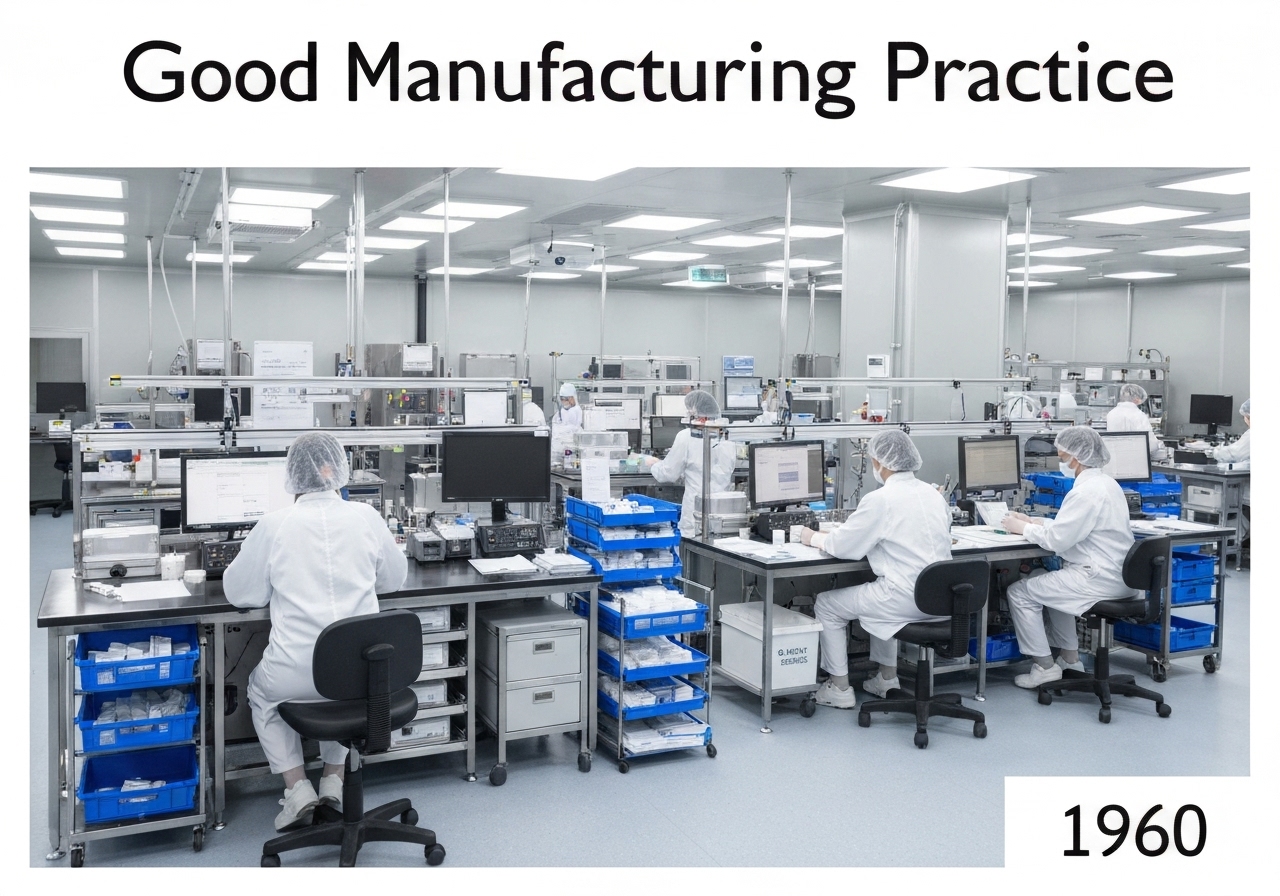
1960
医薬品製造施設が医薬品製造管理基準(GMP)を遵守していることを示す。

(画像はイメージです)

医薬品製造管理基準(GMP) (GMP) is a system of regulations and guidelines ensuring that pharmaceutical products are consistently produced and controlled according to quality standards. It covers all aspects of production, from the starting materials, premises, and equipment to the training and personal hygiene of staff. GMP is designed to minimize the risks involved in any pharmaceutical production. GMP compliance is demonstrated in practice through IQ OQ PQ process validation of the equipment and processes.


医薬品製造管理基準(GMP) (GMP) represents the minimum standard that a medicines manufacturer must meet in their production processes. The core principle of GMP is that quality cannot be tested into a final product; it must be built into the product during all stages of manufacturing. This proactive approach is critical because failures in quality can have life-threatening consequences. GMP guidelines provide a framework for managing production and quality control, often referred to as cGMP, with the ‘c’ standing for ‘current’, emphasizing that the standards must be up-to-date with the latest technology and scientific understanding. Key components of GMP include robust quality management systems, stringent control over raw materials, validated manufacturing processes, and comprehensive documentation. Every step, from receiving raw materials to shipping the final product, must be documented in detail. This creates a traceable batch record that can be audited to ensure compliance and investigate any deviations or product defects. Personnel must be properly trained for their specific roles, and facilities must be designed and maintained to prevent contamination, mix-ups, and errors. Equipment must be calibrated, cleaned, and validated to ensure it performs as intended. Adherence to GMP is enforced by national regulatory agencies, such as the Food and Drug Administration (FDA) in the United States and the European Medicines Agency (EMA) in Europe, through regular inspections of manufacturing facilities. Failure to comply can result in product recalls, fines, and even facility shutdowns.

UNESCO Nomenclature: 3308
薬局

タイプ

抽象システム

混乱

実質的な

使用法

広く普及している

前駆物質

  • 1938年に米国で制定された連邦食品・医薬品・化粧品法は、市販前の安全性承認を義務付けた。
  • 1950年代後半から1960年代初頭にかけてのサリドマイド悲劇は、医薬品規制と検査における深刻な欠陥を浮き彫りにした。
  • advances in industrial プロセス制御 and quality management theories from other industries

アプリケーション

  • 処方薬および市販薬の製造
  • 生産 ワクチン and biologics
  • 医療機器の製造
  • 医薬品有効成分(API)の製造
  • 食品および化粧品業界における品質管理

特許:

NA

潜在的なイノベーションのアイデア

  • implementation of ‘quality by design’ (QbD) principles for proactive quality management
  • use of process analytical technology (pat) for real-time monitoring of manufacturing
  • continuous manufacturing processes instead of traditional batch production
  • automation and robotics in production lines to reduce human error
  • blockchain for secure and transparent supply chain tracking (track and trace)
  • single-use disposable technology to reduce cross-contamination risks
  • ai-driven predictive maintenance for manufacturing equipment
  • digital batch records and electronic quality management systems
  • advanced aseptic processing techniques for sterile products
  • 3d printing of personalized dosage forms under gmp conditions
関連キーワード: GMP、cGMP、品質管理、品質保証、医薬品製造、FDA、規制、医薬品安全性、バリデーション、バッチ記録。

歴史的背景

医薬品製造管理基準(GMP)

1958
1960
1960
1960
1960
1960
1960
1956
1960
1960
1960
1960
1960
1960
1960

(日付が不明または関連性がない場合、例えば「流体力学」などでは、その注目すべき出現時期の概算値が提示されます。)

10年目 周年

フルサイズの画像とダウンロードは、登録会員のみが100%無料で利用できます。