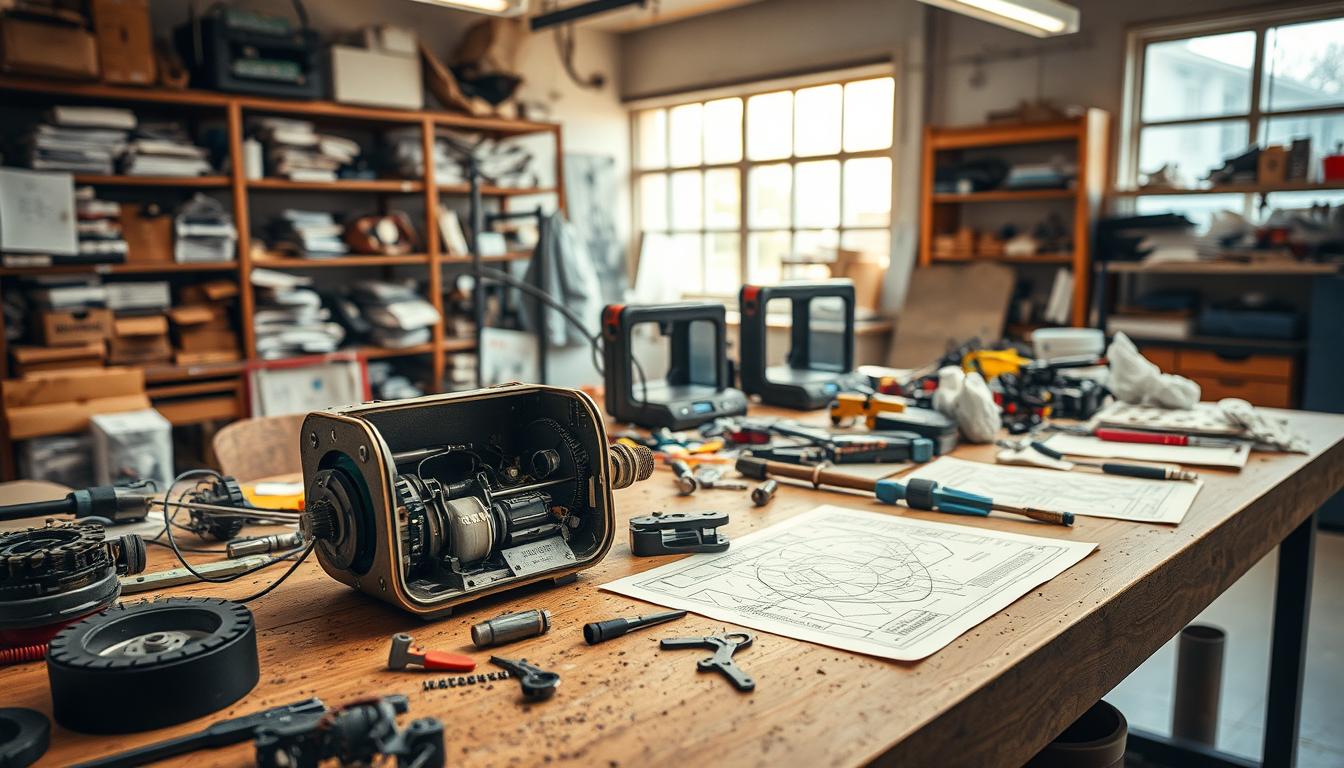
As we look to make our planet greener, the journey of one engineer stands out. We found that الهندسة العكسية could breathe new life into old machines, home appliances or consumer products. This method not only made the products last longer but also opened doors to recycle and create new products from old materials. With a need to decrease waste and keep things in use longer, reverse engineering becomes key.
This piece will explore how reverse engineering can play a big part in keeping engineering and manufacturing sustainable.
Reverse engineering is not necessary copying and infringing someone-else الملكية الفكرية (or at least regulation should move into that direction).
النقاط الرئيسية
- Reverse engineering optimizes maintenance strategies for aging machinery and un-maintained products.
- It facilitates إعادة التدوير processes, making waste reduction more efficient.
- Upcycling opportunities arise through the analysis of materials and old product designs.
- Reverse engineering supports sustainable solutions across product lifecycles.
- This approach can play a significant role in enhancing product طول العمر.
Reverse engineering is about taking apart a product to see how it works. This includes taking it apart, looking at each piece, and writing down what you find. The main goal is usually to make the product better or to come up with new ideas or to reproduce an obsolete part.
In areas from old electronics to retired cars, الهندسة العكسية helps make products work better. By studying and tweaking designs, companies can keep their products up-to-date. This helps avoid having to stop using old products too soon. Through careful study, engineers can find ways to reuse and redesign, reducing waste.
Reverse Engineering in Product Lifecycle Management
“Reverse engineering is critical in managing a product’s عمر, even if, or especially if, not intended so by original manufacturer.”
Assessing current products permits to spot improvement areas. This allows for better design and more efficient production, improving the product’s overall functionality and longevity. It also leads to better maintenance strategies. By understanding a product’s details, other companies can maintain it better, increases the product’s life and satisfies initial or secondary product owners.
This approach helps companies follow environmental rules. It promotes the use of sustainable solutions in design. Products then become easier to إعادة التدوير أو إعادة التدوير الإبداعي, meeting both legal and consumer eco-friendly expectations.
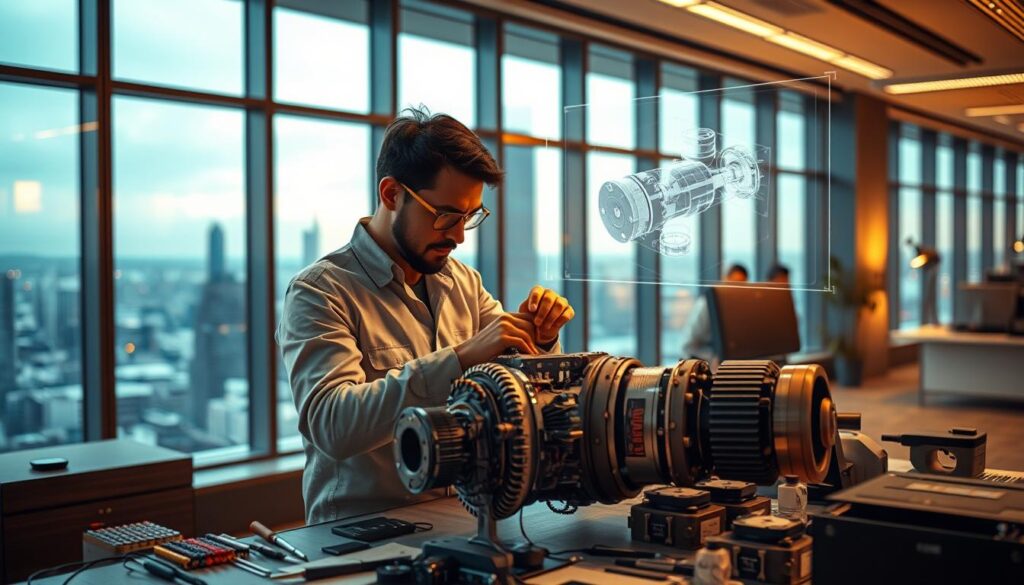
Reverse Engineering for Maintenance, Recycle and Upcycle
Reverse engineering makes products last longer and waste less. It allows businesses to look at existing products and find what can be better. This way, they can see what parts need fixing or can be made better, leading to better maintenance.
- enhancing product lifespans: organizations use reverse engineering to deeply understand their products. This helps in making smart improvements. By finding and fixing weak spots, products become more durable. This not only saves money but also helps the environment by reducing the need for new products.
- reducing waste through effective maintenance: using reverse engineering for maintenance helps cut down on waste. It lets companies fix parts before they break fully. This keeps more products usable and lessens waste. It matches well with efforts to recycle more and use resources wisely, making operations more efficient.
(indeed, buying a new east-made cheap محرك would have spared him 2 hours of work)
- sustainable practices enabled by reverse engineering: by studying old or competitor products, companies can create designs that last longer and use fewer resources. It helps find green solutions, making products that help the environment longer. This method helps create eco-friendly materials and ways to make things that save energy. These ideas often come from re-thinking how we’ve made stuff in the past.
Implementing Repair and Reuse Strategies
Making products that last is key to sustainability. By focusing on how long they last and how easy they are to fix, companies meet customer needs and shrink their environmental impact. It’s important to pick out essential parts for repair early in the design stage. This makes fixing and making products last longer easier. Such forward-thinking boosts new ways to fix things and extends عمر المنتج.
- Identifying key components for repair: finding which parts wear out or break easily is a big part of repair plans. Companies should use materials and parts that are easy to fix or switch out. Designing with these important parts in mind helps build a habit of taking care of what we own. This way, people keep their stuff longer, saving resources and focusing on being green. Tip: refer to many posts of this blog for many techniques and processes for design for reliability and maintenance.
- Designing for التفكيك: making products easy to take apart is essential for fixing and recycling. They should be made so you can get to important parts easily, without breaking anything else. By designing with disassembly and reuse in mind, engineers make products simpler to maintain and recycle. This approach cuts down waste, supporting sustainable goals and a الاقتصاد الدائري. Tip: refer to many posts of this blog for many design tips for design for disassembly.
- Support circular economy initiatives: reverse engineering helps the circular economy by making use of resources better and finds raw materials to reuse or recycle. This cuts down on waste. Keeping resources in use for as long as possible is a major goal of the circular economy.

Upcycling Techniques Through Reverse Engineering
Upcycling techniques use reverse engineering to turn waste into valuable products. This method lessens environmental harm and creates new value. By studying how rejected materials were originally made and used, we can find creative ways to make them better and more beautiful.
Creating value from waste: seeing the hidden worth in things usually thrown away leads to new, imaginative creations. This process can change old furniture into redesigned pieces or turn fabric scraps into stylish accessories.
Examples of Upcycled Products
- Furniture: old pallets converted into stylish coffee tables or benches.
- Fashion: jeans turned into trendy bags or aprons, showing how fabrics can be reused.
- Home ddecor: glass bottles made into decorative lamps or vases, revealing innovation in lighting designs.
- Automotive parts: car tires repurposed as outdoor planters, aiding in eco-friendly gardening.

Challenges in Applying Reverse Engineering for Sustainability
Using reverse engineering to help the planet faces tough challenges. Cost is a big one. Companies often find the initial expenses hard to handle. This can stop them from buying the tech needed for going green. Since these investments don’t pay off right away, people hesitate to make the leap.
Technology is another roadblock. Many older systems can’t handle today’s complex recycling needs. This makes it hard to reuse or recycle materials well, adding to waste. Without the latest automatic material analysis tools, figuring out if materials can be recycled is tough. Coatings and complex material assemblies make فرز and reuse even tougher.
Rules and laws add to the problem. The rules about recycling and managing waste change from place to place. They have to deal with lots of rules that can slow things down, making it costly and tricky. To deal with these issues, industries need better plans and rewards.
Temptation for big companies can be to send old products where environmental regulation is less strict.
| التحديات | تأثير | Potential Solutions |
|---|---|---|
| Economic Factors | High initial costs reduce investment in sustainable technologies | Incentives and subsidies from government bodies Taking into account full cost of ownership, including recycling |
| Technological Limitations | Outdated tools hinder accurate analysis and assessment | Investment in advanced software and machinery |
| Regulatory Barriers | Inconsistent regulations complicate compliance Intellectual property laws | Streamlined regulation frameworks conducive to sustainability. Update in IP regulations for non-maintained products. |

خاتمة
Reverse engineering brings big benefits for maintenance, recycling, and upcycling. By taking apart and studying products, industries can make them last longer, cut down on waste, and come up with new ideas. This way, they can work better in a circular economy, where things are reused and recycled.
Looking ahead, the success of green practices depends a lot on better reverse engineering tools and laws. As these tools improve, we’ll find smarter ways to use resources and recycle.
In the end, using reverse engineering can lead us to a greener future. It can make fixing and reusing things the norm, not just rare exceptions.
An update of intellectual property laws is needed to promote some cases or reverse.
Related Techniques
- Product disassembly analysis: techniques for taking apart products to understand their construction, materials, and functionality for علم البيئة and recycling.
- Material identification and characterization: التحليل الطيفي (FTIR, XRF), microscopy, and other analytical techniques to identify materials for proper recycling or upcycling.
- التوأم الرقمي: developing digital models from physical parts for optimization, reuse, or إعادة التصنيع.
- 3D scanning and imaging: use of laser scanners, CT scanners, and photogrammetry to reverse engineer parts for remanufacture or modification.
- Non-Destructive Testing (NDT): ultrasound, magnetic resonance, and other techniques for inspecting parts without damaging them, aiding maintenance and recycling.
- تصميم قابل للتفكيك (DfD): engineering approaches to make future disassembly, recycling, and reuse more feasible.
- Component re-engineering: redesigning outdated or obsolete parts using RE for improved environmental performance.
- Circular economy platforms: digital marketplaces and systems that track and facilitate part reuse, recycling, and upcycling.
- Remanufacturing technologies: automated cleaning, refurbishment, and repair technologies for returned products.
- Recyclability enhancement algorithms: AI and machine learning tools that suggest design changes for better recyclability during RE.
- Eco-labeling and tracking technologies: RFID, blockchain, and إنترنت الأشياء for tracing product and material origin, lifespan, and recycling status.
- Functional decomposition: breaking down products into functional modules to identify reusable or upcyclable subsystems.
- Chemical recycling processes: advanced depolymerization and material recovery technologies to process complex waste streams.
External Links on Reverse Engineering For Maintenance & Recycle
المعايير الدولية
(حرك الرابط لرؤية وصفنا للمحتوى)
مسرد المصطلحات المستخدمة
Computed Tomography (CT): تقنية تصوير طبي تستخدم الأشعة السينية والمعالجة الحاسوبية لإنشاء صور مقطعية للجسم، مما يتيح تصورًا دقيقًا للهياكل والأنسجة الداخلية. تُعزز هذه التقنية قدرات التشخيص من خلال توفير صور ثلاثية الأبعاد من بيانات ثنائية الأبعاد.
Design for Disassembly (DfD): نهج تصميمي يُسهّل فصل المكونات والمواد بسهولة في نهاية دورة حياة المنتج، مما يُعزز إعادة التدوير وإعادة الاستخدام والإدارة الفعّالة للنفايات. ويُركز على التصميم المعياري وسهولة الوصول لتعزيز الاستدامة وتقليل الأثر البيئي.
Design for Reliability (DfR): نهج منهجي لتطوير المنتجات يركز على الموثوقية طوال عملية التصميم، ويتضمن تقنيات لتحديد وتخفيف أوضاع الفشل المحتملة، وضمان الأداء المتسق وطول العمر في البيئات التشغيلية.
Fourier Transform Infrared Spectroscopy (FTIR): تقنية تقيس طيف الأشعة تحت الحمراء لامتصاص أو انبعاث عينة من خلال جمع البيانات على مدى مجموعة من الأطوال الموجية في وقت واحد، باستخدام خوارزميات تحويل فورييه لتحويل بيانات المجال الزمني إلى أطياف المجال الترددي للتحليل الكيميائي.
Internet of Things (IoT): شبكة من الأجهزة المترابطة والمدمجة بأجهزة استشعار وبرامج وتقنيات أخرى تمكنها من جمع البيانات وتبادلها عبر الإنترنت، مما يسهل أتمتة ومراقبة والتحكم في العمليات والأنظمة المختلفة.
Non-Destructive Testing (NDT): طريقة تستخدم لتقييم خصائص المواد أو سلامتها أو بنيتها دون التسبب في ضرر، باستخدام تقنيات مثل الموجات فوق الصوتية والتصوير الإشعاعي والجسيمات المغناطيسية واختبار اختراق الصبغة للكشف عن العيوب أو الانقطاعات.
Product Lifecycle Management (PLM): نهج منهجي لإدارة دورة حياة المنتج من البداية، من خلال التصميم الهندسي والتصنيع، إلى الخدمة والتخلص منها، ودمج الأشخاص والعمليات والبيانات والتكنولوجيا لتحسين جودة المنتج وتقليل الوقت المستغرق لطرح المنتج في السوق وتعزيز التعاون بين أصحاب المصلحة.
Upcycle: تحويل المواد المهدرة أو المنتجات غير المرغوب فيها إلى عناصر جديدة ذات جودة أو قيمة أعلى، غالبًا من خلال إعادة الاستخدام أو إعادة التوجيه الإبداعي، وبالتالي تقليل التأثير البيئي وتعزيز الاستدامة.
X-ray Fluorescence (XRF): تقنية تُستخدم لتحليل التركيب العنصري للمواد عن طريق قياس الأشعة السينية المميزة المنبعثة من عينة عند إثارتها بمصدر أشعة سينية أساسي. تُستخدم هذه التقنية بشكل شائع في مجالات مختلفة، بما في ذلك علم المواد والتحليل البيئي.
































