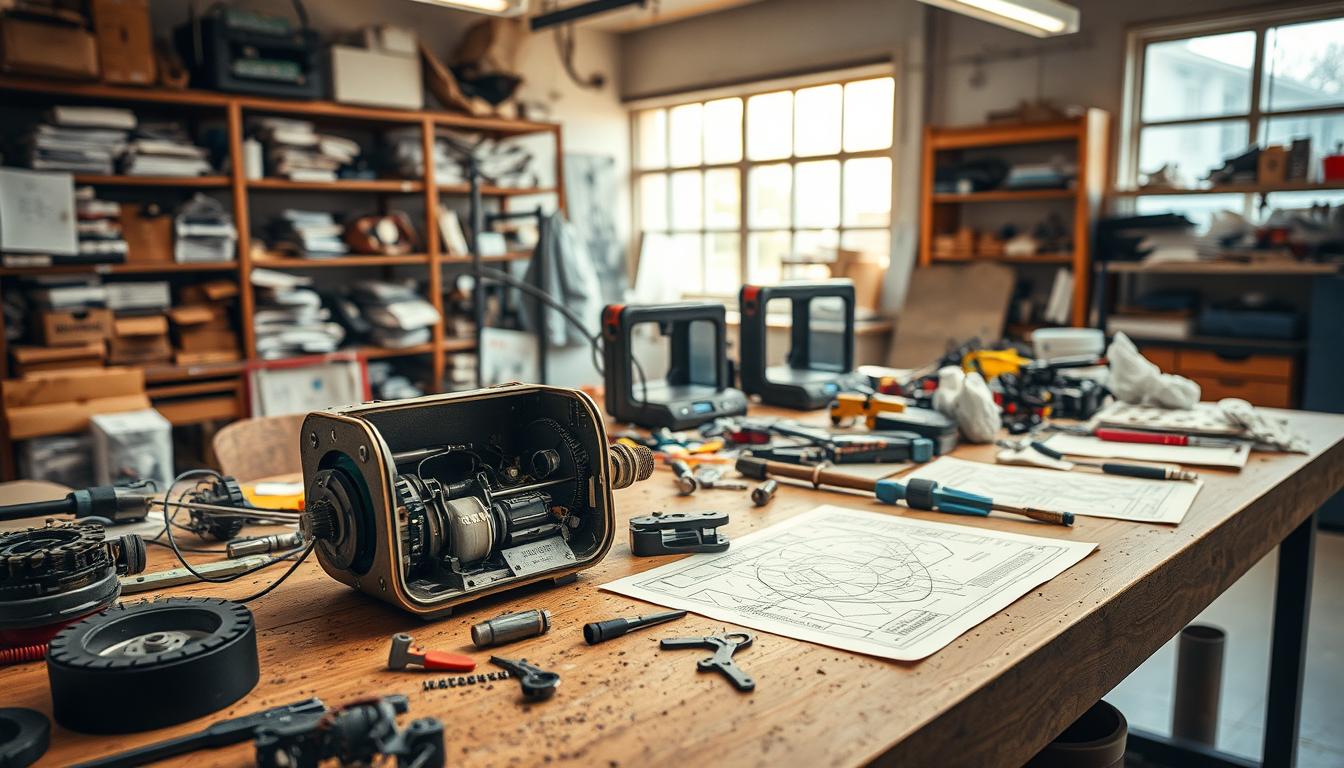
우리가 지구를 더욱 푸르게 만들기 위해 노력하는 가운데, 한 엔지니어의 여정이 특히 눈에 띕니다. 우리는 다음과 같은 사실을 발견했습니다. reverse engineering 역설계는 오래된 기계, 가전제품 또는 소비재에 새 생명을 불어넣을 수 있습니다. 이 방법은 제품의 수명을 연장할 뿐만 아니라 오래된 재료를 재활용하고 새로운 제품을 만드는 가능성을 열어줍니다. 폐기물을 줄이고 제품을 더 오래 사용해야 하는 필요성이 커짐에 따라 역설계는 중요한 역할을 하게 되었습니다.
이 글에서는 역설계가 엔지니어링 및 제조의 지속가능성을 유지하는 데 어떻게 중요한 역할을 할 수 있는지 살펴볼 것입니다.
리버스 엔지니어링은 반드시 타인의 것을 복제하거나 저작권을 침해하는 것을 의미하지는 않습니다. intellectual property (혹은 적어도 규제는 그런 방향으로 나아가야 합니다.)
핵심 요약
- 역설계는 노후화된 기계 및 관리가 제대로 되지 않은 제품에 대한 유지보수 전략을 최적화합니다.
- It facilitates 재활용 processes, making waste reduction more efficient.
- 업사이클링 opportunities arise through the analysis of materials and old product designs.
- 역설계는 제품 수명 주기 전반에 걸쳐 지속 가능한 솔루션을 지원합니다.
- This approach can play a significant role in enhancing product 장수.
역설계란 제품을 분해하여 작동 원리를 파악하는 것입니다. 여기에는 제품을 분해하고, 각 부품을 살펴보고, 발견한 내용을 기록하는 작업이 포함됩니다. 주된 목표는 일반적으로 제품을 개선하거나 새로운 아이디어를 내거나 단종된 부품을 재생산하는 것입니다.
오래된 전자제품부터 폐차에 이르기까지 다양한 분야에서, reverse engineering 제품 성능을 향상시키는 데 도움이 됩니다. 기업은 설계를 연구하고 개선함으로써 제품을 최신 상태로 유지할 수 있습니다. 이를 통해 오래된 제품을 너무 빨리 폐기해야 하는 상황을 방지할 수 있습니다. 엔지니어는 면밀한 연구를 통해 재사용 및 재설계 방법을 찾아 폐기물을 줄일 수 있습니다.
제품 수명주기 관리에서의 역설계
"리버스 엔지니어링은 제품 관리에 매우 중요합니다." 수명설령 원래 제조업체가 그렇게 의도하지 않았더라도, 아니 특히 그렇게 의도하지 않았을 경우라면 더욱 그렇습니다.
기존 제품을 평가하면 개선점을 파악할 수 있습니다. 이를 통해 더 나은 설계와 효율적인 생산이 가능해지고, 제품의 전반적인 기능과 수명이 향상됩니다. 또한, 더 나은 유지보수 전략을 수립할 수 있습니다. 제품의 세부 사항을 이해함으로써 다른 기업들도 제품을 더욱 효율적으로 유지보수할 수 있고, 제품 수명이 연장되어 최초 구매자 또는 2차 구매자의 만족도를 높일 수 있습니다.
이러한 접근 방식은 기업이 환경 규정을 준수하는 데 도움이 됩니다. 또한 설계 단계에서 지속 가능한 솔루션 사용을 촉진합니다. 결과적으로 제품은 더욱 쉽게 친환경적으로 생산될 수 있습니다. 재활용 또는 업사이클링법적 기대와 소비자의 친환경적 기대를 모두 충족합니다.
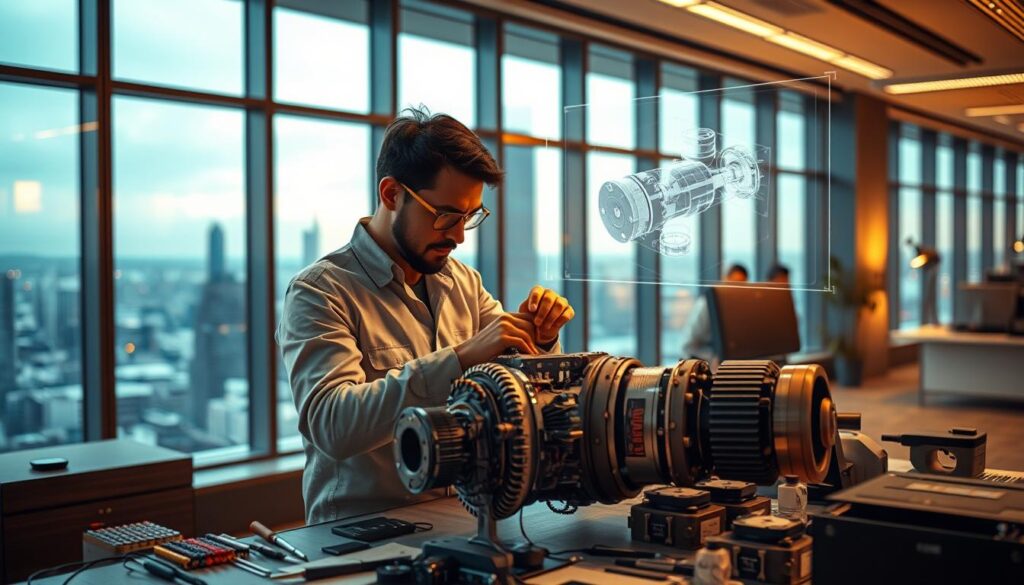
유지보수, 재활용 및 업사이클링을 위한 역설계
역설계는 제품의 수명을 연장하고 폐기물을 줄이는 데 도움이 됩니다. 기업은 기존 제품을 분석하여 개선할 수 있는 부분을 찾아낼 수 있습니다. 이를 통해 어떤 부품을 수정해야 하는지, 또는 어떻게 개선할 수 있는지 파악하여 유지보수를 효율적으로 수행할 수 있습니다.
- 제품 수명 연장: 기업들은 리버스 엔지니어링을 활용하여 제품을 심층적으로 이해합니다. 이는 제품 개선에 도움이 되며, 약점을 찾아 수정함으로써 제품의 내구성을 높일 수 있습니다. 이러한 개선은 비용 절감은 물론, 신제품 생산 필요성을 줄여 환경 보호에도 기여합니다.
- 효율적인 유지보수를 통해 폐기물을 줄입니다. 역설계 기법을 유지보수에 활용하면 폐기물을 줄이는 데 도움이 됩니다. 기업은 부품이 완전히 고장 나기 전에 수리할 수 있으므로 더 많은 제품을 재사용할 수 있고 폐기물을 줄일 수 있습니다. 이는 재활용률을 높이고 자원을 현명하게 사용하려는 노력과도 잘 맞아떨어져 운영 효율성을 향상시킵니다.
(사실, 새로 나온 동양산 저렴한 제품을 사는 것) 모터 그랬다면 그는 2시간의 작업 시간을 절약했을 것이다.
- 역설계를 통해 가능해진 지속 가능한 관행: 기업들은 기존 제품이나 경쟁사 제품을 연구함으로써 더 오래 지속되고 자원 소모가 적은 디자인을 만들 수 있습니다. 이는 환경에 이로운 솔루션을 찾고, 환경에 더 오래 지속되는 제품을 만드는 데 도움이 됩니다. 이러한 방법은 친환경 소재를 개발하고 에너지를 절약하는 제품 생산 방식을 모색하는 데 유용합니다. 이러한 아이디어는 종종 과거에 제품을 만들어 온 방식을 재고하는 데서 비롯됩니다.
Implementing Repair and Reuse Strategies
Making products that last is key to sustainability. By focusing on how long they last and how easy they are to fix, companies meet customer needs and shrink their environmental impact. It’s important to pick out essential parts for repair early in the design stage. This makes fixing and making products last longer easier. Such forward-thinking boosts new ways to fix things and extends 제품 수명.
- Identifying key components for repair: finding which parts wear out or break easily is a big part of repair plans. Companies should use materials and parts that are easy to fix or switch out. Designing with these important parts in mind helps build a habit of taking care of what we own. This way, people keep their stuff longer, saving resources and focusing on being green. Tip: refer to many posts of this blog for many techniques and processes for design for reliability and maintenance.
- Designing for 분해: making products easy to take apart is essential for fixing and recycling. They should be made so you can get to important parts easily, without breaking anything else. By designing with disassembly and reuse in mind, engineers make products simpler to maintain and recycle. This approach cuts down waste, supporting sustainable goals and a 순환 경제. Tip: refer to many posts of this blog for many design tips for design for disassembly.
- Support circular economy initiatives: reverse engineering helps the circular economy by making use of resources better and finds raw materials to reuse or recycle. This cuts down on waste. Keeping resources in use for as long as possible is a major goal of the circular economy.

Upcycling Techniques Through Reverse Engineering
Upcycling techniques use reverse engineering to turn waste into valuable products. This method lessens environmental harm and creates new value. By studying how rejected materials were originally made and used, we can find creative ways to make them better and more beautiful.
Creating value from waste: seeing the hidden worth in things usually thrown away leads to new, imaginative creations. This process can change old furniture into redesigned pieces or turn fabric scraps into stylish accessories.
Examples of Upcycled Products
- Furniture: old pallets converted into stylish coffee tables or benches.
- Fashion: jeans turned into trendy bags or aprons, showing how fabrics can be reused.
- Home ddecor: glass bottles made into decorative lamps or vases, revealing innovation in lighting designs.
- Automotive parts: car tires repurposed as outdoor planters, aiding in eco-friendly gardening.

Challenges in Applying Reverse Engineering for Sustainability
Using reverse engineering to help the planet faces tough challenges. Cost is a big one. Companies often find the initial expenses hard to handle. This can stop them from buying the tech needed for going green. Since these investments don’t pay off right away, people hesitate to make the leap.
Technology is another roadblock. Many older systems can’t handle today’s complex recycling needs. This makes it hard to reuse or recycle materials well, adding to waste. Without the latest automatic material analysis tools, figuring out if materials can be recycled is tough. Coatings and complex material assemblies make 정렬 and reuse even tougher.
Rules and laws add to the problem. The rules about recycling and managing waste change from place to place. They have to deal with lots of rules that can slow things down, making it costly and tricky. To deal with these issues, industries need better plans and rewards.
Temptation for big companies can be to send old products where environmental regulation is less strict.
| 도전 과제 | 영향 | Potential Solutions |
|---|---|---|
| Economic Factors | High initial costs reduce investment in sustainable technologies | Incentives and subsidies from government bodies Taking into account full cost of ownership, including recycling |
| Technological Limitations | Outdated tools hinder accurate analysis and assessment | Investment in advanced software and machinery |
| Regulatory Barriers | Inconsistent regulations complicate compliance Intellectual property laws | Streamlined regulation frameworks conducive to sustainability. Update in IP regulations for non-maintained products. |

결론
Reverse engineering brings big benefits for maintenance, recycling, and upcycling. By taking apart and studying products, industries can make them last longer, cut down on waste, and come up with new ideas. This way, they can work better in a circular economy, where things are reused and recycled.
Looking ahead, the success of green practices depends a lot on better reverse engineering tools and laws. As these tools improve, we’ll find smarter ways to use resources and recycle.
In the end, using reverse engineering can lead us to a greener future. It can make fixing and reusing things the norm, not just rare exceptions.
An update of intellectual property laws is needed to promote some cases or reverse.
Related Techniques
- Product disassembly analysis: techniques for taking apart products to understand their construction, materials, and functionality for 생태학 and recycling.
- Material identification and characterization: 분광학 (FTIR, XRF), microscopy, and other analytical techniques to identify materials for proper recycling or upcycling.
- Digital twin: developing digital models from physical parts for optimization, reuse, or 재제조.
- 3D scanning and imaging: use of laser scanners, CT scanners, and photogrammetry to reverse engineer parts for remanufacture or modification.
- Non-Destructive Testing (NDT): ultrasound, magnetic resonance, and other techniques for inspecting parts without damaging them, aiding maintenance and recycling.
- 분해 용이성을 고려한 설계 (DfD): engineering approaches to make future disassembly, recycling, and reuse more feasible.
- Component re-engineering: redesigning outdated or obsolete parts using RE for improved environmental performance.
- Circular economy platforms: digital marketplaces and systems that track and facilitate part reuse, recycling, and upcycling.
- Remanufacturing technologies: automated cleaning, refurbishment, and repair technologies for returned products.
- Recyclability enhancement algorithms: AI and machine learning tools that suggest design changes for better recyclability during RE.
- Eco-labeling and tracking technologies: RFID, blockchain, and IoT for tracing product and material origin, lifespan, and recycling status.
- Functional decomposition: breaking down products into functional modules to identify reusable or upcyclable subsystems.
- Chemical recycling processes: advanced depolymerization and material recovery technologies to process complex waste streams.
External Links on Reverse Engineering For Maintenance & Recycle
국제 표준
(링크 위에 마우스를 올려놓으면 콘텐츠에 대한 설명을 볼 수 있습니다.)
사용된 용어집
Computed Tomography (CT): X선과 컴퓨터 처리를 이용하여 인체의 단면 이미지를 생성하는 의료 영상 기술로, 내부 구조와 조직을 자세히 시각화할 수 있게 해줍니다. 2차원 데이터를 3차원 이미지로 표현함으로써 진단 능력을 향상시킵니다.
Design for Disassembly (DfD): 제품 수명 주기 종료 시 구성 요소와 재료를 쉽게 분리할 수 있도록 설계된 접근 방식으로, 재활용, 재사용 및 효율적인 폐기물 관리를 촉진합니다. 모듈성과 접근성을 강조하여 지속 가능성을 높이고 환경 영향을 줄입니다.
Design for Reliability (DfR): 제품 개발에 대한 체계적인 접근 방식으로서, 설계 과정 전반에 걸쳐 신뢰성을 강조하고, 잠재적인 고장 모드를 식별하고 완화하는 기술을 통합하여 운영 환경에서 일관된 성능과 긴 수명을 보장합니다.
Fourier Transform Infrared Spectroscopy (FTIR): 시료의 흡수 또는 방출되는 적외선 스펙트럼을 측정하는 기술로, 푸리에 변환 알고리즘을 사용하여 시간 영역 데이터를 주파수 영역 스펙트럼으로 변환하여 화학 분석에 활용하는 방식입니다.
Internet of Things (IoT): 센서, 소프트웨어 및 기타 기술이 내장된 상호 연결된 장치 네트워크로, 인터넷을 통해 데이터를 수집하고 교환할 수 있어 다양한 프로세스와 시스템의 자동화, 모니터링 및 제어를 용이하게 합니다.
Non-Destructive Testing (NDT): a method used to evaluate material properties, integrity, or structure without causing damage, employing techniques such as ultrasonic, radiographic, magnetic particle, and dye penetrant testing to detect flaws or discontinuities.
Product Lifecycle Management (PLM): a systematic approach to managing a product's lifecycle from inception, through engineering design and manufacturing, to service and disposal, integrating people, processes, data, and technology to improve product quality, reduce time to market, and enhance collaboration across stakeholders.
Upcycle: 폐기물이나 원치 않는 제품을 창의적인 재사용이나 용도 변경을 통해 더 높은 품질이나 가치를 지닌 새로운 제품으로 변환함으로써 환경에 미치는 영향을 줄이고 지속가능성을 증진하는 것.
X-ray Fluorescence (XRF): X선 발생원을 이용하여 시료를 여기시켰을 때 시료에서 방출되는 특성 X선을 측정함으로써 물질의 원소 구성을 분석하는 기술입니다. 재료 과학 및 환경 분석을 비롯한 다양한 분야에서 널리 사용됩니다.
































