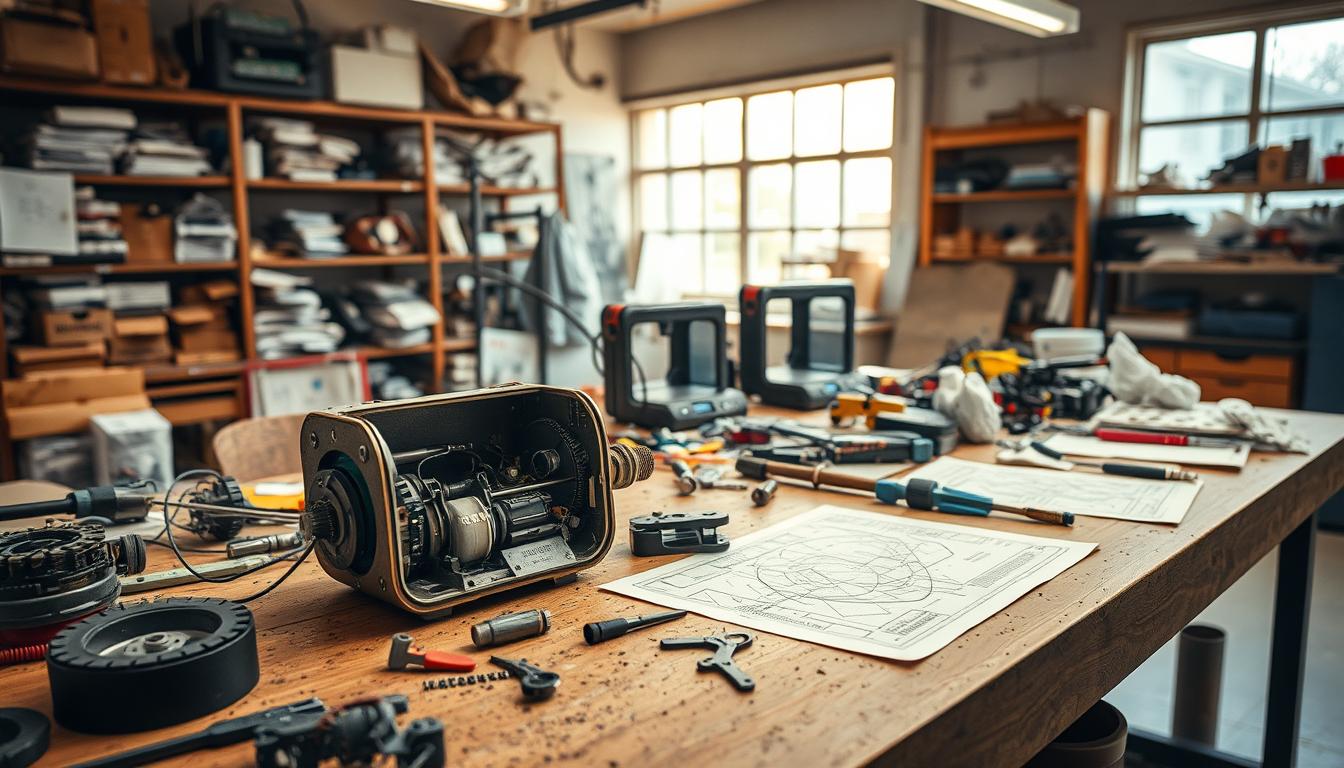
As we look to make our planet greener, the journey of one engineer stands out. We found that reverse engineering could breathe new life into old machines, home appliances or consumer products. This method not only made the products last longer but also opened doors to recycle and create new products from old materials. With a need to decrease waste and keep things in use longer, reverse engineering becomes key.
This piece will explore how reverse engineering can play a big part in keeping engineering and manufacturing sustainable.
Reverse engineering is not necessary copying and infringing someone-else intellectual property (or at least regulation should move into that direction).
Key Takeaways
- Reverse engineering optimizes maintenance strategies for aging machinery and un-maintained products.
- It facilitates recycling processes, making waste reduction more efficient.
- Upcycling opportunities arise through the analysis of materials and old product designs.
- Reverse engineering supports sustainable solutions across product lifecycles.
- This approach can play a significant role in enhancing product longevity.
Reverse engineering is about taking apart a product to see how it works. This includes taking it apart, looking at each piece, and writing down what you find. The main goal is usually to make the product better or to come up with new ideas or to reproduce an obsolete part.
In areas from old electronics to retired cars, reverse engineering helps make products work better. By studying and tweaking designs, companies can keep their products up-to-date. This helps avoid having to stop using old products too soon. Through careful study, engineers can find ways to reuse and redesign, reducing waste.
Reverse Engineering in Product Lifecycle Management
“Reverse engineering is critical in managing a product’s lifespan, even if, or especially if, not intended so by original manufacturer.”
Assessing current products permits to spot improvement areas. This allows for better design and more efficient production, improving the product’s overall functionality and longevity. It also leads to better maintenance strategies. By understanding a product’s details, other companies can maintain it better, increases the product’s life and satisfies initial or secondary product owners.
This approach helps companies follow environmental rules. It promotes the use of sustainable solutions in design. Products then become easier to recycle or upcycle, meeting both legal and consumer eco-friendly expectations.

Reverse Engineering for Maintenance, Recycle and Upcycle
Reverse engineering makes products last longer and waste less. It allows businesses to look at existing products and find what can be better. This way, they can see what parts need fixing or can be made better, leading to better maintenance.
- enhancing product lifespans: organizations use reverse engineering to deeply understand their products. This helps in making smart improvements. By finding and fixing weak spots, products become more durable. This not only saves money but also helps the environment by reducing the need for new products.
- reducing waste through effective maintenance: using reverse engineering for maintenance helps cut down on waste. It lets companies fix parts before they break fully. This keeps more products usable and lessens waste. It matches well with efforts to recycle more and use resources wisely, making operations more efficient.
(indeed, buying a new east-made cheap motor would have spared him 2 hours of work)
- sustainable practices enabled by reverse engineering: by studying old or competitor products, companies can create designs that last longer and use fewer resources. It helps find green solutions, making products that help the environment longer. This method helps create eco-friendly materials and ways to make things that save energy. These ideas often come from re-thinking how we’ve made stuff in the past.

The rest of this article is reserved for members
To limit scraping bots (currently 40,000 hits per day!),
we had to restrict access to full articles and tools to registered members only.
to access all the rest.