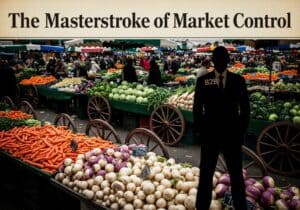
Marketplace management then. Forget everything you think you know about running a simple shop. The real artistry, the stuff that gets your portrait hung in the grand hall of corporate villainy, isn’t about selling more widgets. It’s about creating a system so perfectly rigged that everyone involved—your so-called “partners,” the punters spending their cash, even the chaps writing the laws—becomes a source of revenue; in layman’s terms, your own marketplace monopoly. The masterstroke is to be the bustling B2C market square and, at the same time, the B2B landlord who owns the stalls, sells the cart wheels, provides the security, and takes a cut of every turnip sold. It’s a glorious, self-contained 生態系 of exploitation, where you are the benevolent sun god and everyone else is just a plant to be harvested.
ですから、これは正式な教育だと考えてください。これは偶然の幸運の連続などではなく、市場支配を絶対的な権力へと転換するための、意図的かつ精巧に作り上げられた仕組みなのです。テナントを徹底的に搾り取り、悲鳴を上げさせる方法、顧客を魅了して喜んで服従させる方法、そして国の法律を風変わりで面白い任意のガイドラインとして扱う方法など、具体的な手法を詳しく見ていきましょう。
主なポイント

- パートナーのデータは彼ら自身のものではなく、あなたの製品研究データです。
- 貴社のサービスを購入せずに、プラットフォーム上での成功を確実にすることは不可能です。
- あなたの利用規約は契約書ではなく、権力の宣言です。
- 仕入先の利益率は、単にあなたがまだ最適化していないコストにすぎません。
- サプライチェーンを外部委託すれば、あなたの良心も一緒に外部委託できるでしょう。
- 紳士は決してリスクを負わない。巧みにリスクをパートナーに転嫁するのだ。
- 競合他社を買収できないなら、買収できるまで徹底的に搾り取ればいい。
- 排他性を制限としてではなく、忠誠心に対する報酬として捉えましょう。
- 目標は市場で競争することではなく、市場そのものになることだ。
- 法律は障壁ではなく、高額な弁護士を雇って乗り越えるべき障害物である。
- 資金力のあるロビイストは、都合の悪い法案に対する最良の防御策である。
- 責任を一切回避するために、自分は小売業者ではなくプラットフォームであると主張する。
- 美術館に資金援助をする方が、倫理的に行動するよりもはるかに安上がりだ。
- Never admit you are a monopoly; you are simply winning a fair game.
エグゼクティブサマリー:
global, monopoly, marketplace + B2B & B2C = temptation for unlimited abuse of [“partners”, customers, laws]
これが「マーケティング」シリーズの最終回です。以下の2つの記事にもご興味をお持ちかもしれません。


免責事項その1: pray, let it be understood, for the benefit of those with a less developed sense of the theatrical, that the following masterclass is a work of pure, theoretical artistry. Should any of these exquisitely crafted stratagems happen to bear a fleeting, or indeed a startlingly precise, resemblance to the public pronouncements or corporate manœuvres of any actual entity, living or deceased, one しなければならない dismiss it as a most unfortunate and amusing coincidence. Perish the thought that real-world corporations, in all their earnest, plodding mediocrity, could ever possess the requisite panache and intellectual fortitude to execute such sublime deceptions. Reality, it seems, is so often a pale and clumsy imitation of truly superior fiction.
免責事項その2: さらに、これまで説明してきたこれらの戦術は、国際的な初心者向けの手引書として提供されるものではないことを強調しておかなければならない。 マーケティング 不正行為ではなく、洞察力のある精神のための純粋に知的な訓練として。したがって、我々は、これらの完璧な(!)適用において、あらゆる道徳的または法的責任を免除する。もし弟子がこれらの崇高な技芸を巧みに実行した結果、不運にも法律の不器用な策略に巻き込まれたとしても、それは教えの欠陥ではなく、実践者自身の技量の嘆かわしい不足の証拠とみなされなければならない。結局のところ、そのような地上の争いを乗り切ることは、適性の実践的な試練であり、我々は、急いで訴訟の俗悪さに躓いた者に対して一切責任を負わない。
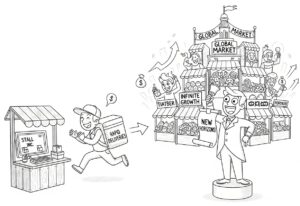
Right then, pull up a chair, lad. Pour yourself a lukewarm tea and listen closely. You want to know how to move from running a quaint little online stall to building an empire that would make Queen Victoria blush? Forget fair play and all that nonsense they taught you at school. This is the real world, and in the real world, the house always wins because it designed the game.
我々の輝かしい、世界を股にかける成功の秘訣は、単に格好良いウェブサイトを持っていることだけではない。 我ながら言うのもなんですが、実に美しいビジネスモデルです。 We are, at once, the charming market square, the helpful delivery boy, the town crier 販売 ad space, and, most importantly, the nosy parker noting down who’s buying what from whom. We are the player, the referee, and we own the ball, the pitch, and the half-time oranges. This allows for a level of… let’s call it 熱狂的な資本主義 「私たちのパートナー」は、むしろ刺激的だと感じています。
販売者について:私たちの大切な、そして固定の顧客層
ありがたいことに、これらの販売員たちは私たちの事業の生命線です。彼らが提供する魅力的な品揃えは、お客様を何度も足を運ばせる原動力となっています。ですから、私たちは彼らを熟したレモンのように絞り尽くし、最後の一滴まで利益を搾り取るという厳粛な義務を負っているのです。

データ駆動型略奪(または、「覗き魔のための製品開発ガイド」)
あなたにとって最も大切な宝物、家宝の銀器よりも大切に守っているものは、あなた自身の小さな市場を見渡す、神のような全知全能の目です。それはまるで覗き魔のようですが、利益のために覗き見をしているようなものです。
The world’s largest online emporium, for example, has a jolly good peek at everyone’s sales data. They know what’s selling, who’s buying it, and for how much. Despite what our PR chaps say, we shall funnel this data directly to our own product チーム, who then create a suspiciously similar item under one of our house brands.
いわば、上の図のような小さな情景です。 勇敢な若者が画期的なティーポットカバーを発明したと想像してみてください。飛ぶように売れます!あなたのアルゴリズムは、ありがたいことに、このことに気づきます。彼が「牧師様、お茶のおかわりを?」と言う間もなく、ほぼ同じで少し安いカバーが、あなたの「ベーシックス」ブランドで、あらゆる検索結果の上位に奇跡的に表示されます。若者の売上は急降下し、彼は何が悪かったのかと途方に暮れます。実に残念なことです。
叔父さんからのアドバイス: スーツを着た人たちが「市場情報ユニット」と呼ぶものを設置したくなるでしょう。私たちはそれを「カササギ部」と呼ぶことにします。なぜなら、 仕事 他人の巣窟で光るものを見つけて、それを盗むのがコツです。売れ筋商品を見つけ、顧客レビューから欠点を特定し、自社のより優れたバージョンを発売しましょう。有名なIT企業であれば、この手順は自動的に繰り返されます。プラットフォーム所有者としての特権を行使して、誰もが目にする場所にそれを設置しましょう。これで完璧です。
強制的な抱き合わせ販売と料金のエスカレーション(「断れないオファー」という策略)

ここでの目標は、 売り手 あなたの申し出を快く受け入れずに成功すること 追加サービスもちろん、少額の料金がかかります。もちろん、繰り返し起こることだ。
ある有力なマーケットプレイスは、販売者にかなり高額なフルフィルメントサービスを利用するよう優しく提案するかもしれない。丁寧に断った販売者は、検索結果の27ページというデジタル上のシベリアに商品が不可解にも追いやられてしまう。魅力的な「プレミアム配送」バッジ(まさに顧客のクリックを誘うもの)を獲得するには、 しなければならない 社内サービスを利用する。
ちょっとしたお話: ある賢い売り手は、格安で商品を発送してくれる宅配業者を見つけました。彼はプラットフォームのサービスから離脱します。すると突然、売上が激減します。彼はもはや「Primusted」ではないのです。顧客は蛾が炎に引き寄せられるように、ただ光り輝くバッジだけを求めているのです。彼は重い気持ちと軽い財布を抱え、高い料金を支払わせてほしいと懇願しながら、プラットフォームに戻ってきます。私たちにとっては、なんとも愉快な結末です。
ビジネススクールでは教えられない教訓: あなたは不可欠なサービスを提供する企業にならなければなりません。物流、広告、決済処理など、あらゆるサービスを網羅するのです。それらをプラットフォームの根幹に組み込み、最高の露出を得るための条件として利用させるのです。それを「必須条件」とは呼ばず、「パートナーシップ特典」と呼びましょう。その方がずっと親しみやすく聞こえますし、相手が離れるのも非常に難しくなります。
恣意的な統治と金融人質(「我が家は私のルール」の原則)

覚えておいてください、あなたは慈悲深い 独裁者 このデジタル領地のルールは、あなたが自由に作り、破り、気まぐれで変更できます。だからこそ、誰もが常に緊張感を保てます。
ある日、販売者がいつものように商売をしていたとしたら、翌日にはアカウントが停止され、資金が凍結されていることに気づくかもしれません。なぜでしょうか?自動システムが、数人の不満を抱えた顧客に反応したのかもしれません。理由の説明はたいてい不明瞭で、解決への道は、自動メールを延々とやり取りするカフカ的な旅路となります。
現場からの教訓: a chap selling garden gnomes gets three complaints in a week from people who thought the gnomes would be life-sized. An algorithm, with no sense of humour, flags his account for “inauthenticity.” His funds are frozen just before he needs to pay his supplier. He spends the next two months in a soul-destroying battle with a chatbot named “ドゴーオン―それはまさに人格形成に役立つ。
さて、ここからが巧妙な部分です。 長くて分かりにくく、ほぼ何でもできる権限をあなたに与える利用規約を作成する。執行には自動システムを使用する。安価で、驚くほど非人間的だ。これにより、適度な恐怖心が生まれ、販売者は行動を改め、場合によっては「プレミアムサポート」パッケージを購入して実際の人間と話すようになるだろう。
On Suppliers & Manufacturers: The Downstairs Squeeze
These are the chaps in the engine room, the ones getting their hands dirty. Your job is to ensure they work twice as hard for half the pay. It’s the natural order of things.
The Price-Squeezing Gauntlet

The secret to those delightfully low prices the public adores? Pushing your suppliers’ faces into the mud and politely asking them to dig deeper.
You make your suppliers bid against each other for the honour of your business. It’s a race to the bottom, and the winner is the one who is most desperate. Once a price is agreed, you can always find reasons to chip away at it later—a few “defects” here, a “late delivery” there.
ちょっとしたお話: a factory in a far-flung land agrees to make a mountain of cheap t-shirts. Upon delivery, your quality control chap—a master of finding faults where none exist—declares a tenth of them “sub-par” and imposes a hefty fine. The factory owner, already running on fumes, has to swallow the loss. Stiff upper lip, and all that.
A note for your ledger: call it a “Dynamic Sourcing System.” Make it a bloodsport. Let suppliers see their competitors’ bids. Then, invent a complex system of fines and penalties. It keeps them sharp and your cost of goods delightfully low.

Ethical Black Holes & Supply Chain Obfuscation (The “See No Evil, Hear No Evil” Strategy)
Frankly, my dear boy, you don’t want to know how the sausage is made; your job is to ensure nobody else can find out either. When nosy journalists start asking awkward questions about working conditions or where your cotton is from, you must be able to look them in the eye and express complete shock and horror. This is achieved by having a supply chain so long and convoluted it would give a cartographer a migraine.
A case in point: a newspaper runs a frightful story alleging that your best-selling novelty socks are made by overworked orphans. You immediately issue a press release condemning such practices, sever ties with the third-party seller involved (a chap you’ve never met), and launch an “internal investigation.” The fuss dies down, and the public moves on to the next outrage. Problem solved.
A word to the wise: the key is plausible deniability. Work through intermediaries and sourcing agents. Have a lovely, glossy “Code of Conduct” on your website that forbids all sorts of unpleasantness. Meanwhile, the economic プレッシャー you apply ensures your price points are met, no questions asked. It’s a work of art.
Shifting All Risk & Cost (The “Hot Potato” Manoeuvre)
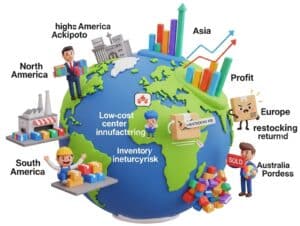
A gentleman should never be burdened with risk. Risk is for the little people. Your goal is to hold nothing but profit.
You start by buying stock from suppliers. Then you transition to a model where they send you their goods, at their expense, and you only pay them if and when an item sells. The unsold stock? That’s their problem, not yours.
A little tableau, if you will: a small manufacturer is thrilled to have its products listed on your grand platform. They ship a thousand units to your warehouse. Six months later, only two hundred have sold. The platform sends the remaining eight hundred back, along with a bill for the return postage and a “restocking fee.” Marvellous.
The real artistry, of course: champion the “asset-light” model. Why own warehouses or inventory when you can get others to bear the cost? Call it a “consignment partnership” or a “fulfilment service.” It sounds terribly modern and コラボレーション, but it really means you’ve successfully passed the buck.
On Competitors: A Spot of Unfriendly Competition
Competition is healthy, they say. What utter rot. Competition is a nuisance that must be stamped out with extreme prejudice.
Monopoly by Mandate (The “You’re With Us or Against Us” Ultimatum) You must encourage loyalty. If a merchant dares to flirt with a rival, they must understand there will be consequences. A certain Asian giant was rather famously rapped on the knuckles for telling its merchants they could sell on their platform, or a rival’s, but not both. It’s a simple choice, really. 現場からの教訓: a trendy fashion label decides to sell its wares on your site and a smaller, upstart competitor. How charming. Shortly after, they notice their products are mysteriously harder to find on your platform. Their promotional opportunities dry up. They get the message. The dalliance with the competitor ends. For your private study: don’t be so crude as to issue a direct threat. Create an exclusive “Platinum Partner Programme.” To join, partners get all sorts of lovely perks. The only catch? A small clause about “channel exclusivity.” It’s not a threat; it’s a reward for their devotion. | Predatory Pricing and “Buy-to-Kill” Acquisitions (The “If You Can’t Beat ‘Em, Bankrupt ‘Em” Approach)If a plucky upstart refuses to be intimidated, you must resort to a more… direct approach. Use your war chest. A large retailer once took a dislike to a smaller, online nappy seller. They proceeded to sell nappies at a staggering loss for months, bleeding the smaller company dry until it had no choice but to sell up to the very company that was ruining it. It’s the circle of life, in a way. For a practical illustration: a clever little startup creates a tool that makes online shopping better. It’s a threat. So, you swoop in, flash an obscene amount of cash, and buy them. You praise their “innovative spirit” in a press release. Then you quietly shutter their product and assign their talented engineers to work on optimising your banner ads. A tragedy for innovation, but a triumph for market stability. The proper application: keep a close watch on emerging threats. If they’re small, crush them with predatory pricing. If they’re getting a bit big for their boots, buy them. It’s called a “kill acquisition.” You buy them specifically to put them out of their misery. It’s expensive, but far cheaper than having a genuine competitor. |
On States & Regulators: The Grand Game
Governments, bless them, have all sorts of quaint rules. Your job is to see them as a charmingly old-fashioned obstacle course to be navigated with wit and cunning.
Regulatory and Tax Arbitrage (The “International Man of Mystery” Ploy)

The beauty of being global is that you can pick and choose which rules you’d like to follow. And you may have more than some nation’s GDP.
Some fast-fashion firms have built empires by exploiting a loophole in American trade law that allows small parcels to enter the country without paying import duties. It’s a bit like finding a secret entrance to a stately home that bypasses the ticket booth.
Picture this, if you can: a British retailer imports a container of teacups and pays a hefty tariff. Its foreign-based online rival sells the same number of teacups but ships them one by one, each package falling below the tax-free threshold. The foreign rival can undercut the British one, thanks to the government’s own rules. Deliciously ironic, isn’t it?
A word to the wise: your corporate structure should resemble a plate of spaghetti—a tangled, international mess. Have your headquarters in one country, your intellectual property in another (preferably one with sunshine and low taxes), and your sales everywhere else. It makes it frightfully difficult for any single taxman to figure out what’s going on.
Weaponized Lobbying and Revolving Doors (The “Old Boys’ Network” Technique)

If you can’t go around the rules, simply get them rewritten. This requires a bit of socialising.
When a government starts muttering about antitrust laws, it’s time to open the chequebook. You hire the best lobbyists money can buy and, even better, you hire the very people who just left the government jobs responsible for regulating you. They know all the secret handshakes.
To paint a picture for you: a new law is proposed that would make you responsible for dodgy goods sold on your site. You dispatch a team of charming, well-connected lobbyists to explain to politicians how this would “stifle innovation” and “hurt small businesses.” You might even sponsor the local flower show in a key politician’s constituency. The bill is quietly watered down into meaninglessness.
The master’s stroke is this: treat lobbying as an investment with the highest possible return. Hire former civil servants. They are worth their weight in gold. They can translate your commercial desires into the sort of bureaucratic language that wallets politicians understand. It’s about shaping the battlefield before the battle even begins.
The “Who, Little Old Us?” Defence

And now for my absolute favourite, the pièce de résistance of corporate skulduggery: when something goes horribly wrong—a customer buys a toaster that explodes, for instance—you must immediately and politely explain that you are not a shop. You are a “technology platform,” a neutral meeting place. You merely introduced the nice man with the exploding toaster to the unfortunate customer.
For a practical illustration: a customer’s house burns down. They sue you. Your lawyers, who cost more per hour than a small car, stand up and argue with a straight face that you are no more responsible than the postman who delivered the faulty item. You are an intermediary. The blame lies with some chap in a shed a thousand miles away who is now completely untraceable.
A last tip from your uncle: this must be your mantra. Repeat it until you believe it: “We are a technology company.” It’s a magical incantation that absolves you of almost all responsibility. Embed it deep within your Terms of Service. It’s a legal shield of unparalleled strength.
So there you have it, lad. It’s not pretty, but it’s effective. It’s about seeing the rules not as constraints, but as opportunities. Now, run along and build that empire. And do try to look ruthless; it’s so much more convincing.
Bonus: Whoever Lose, We Win
Right then, pay very close attention.
The true genius of our system is that we have monetized failure just as effectively as success.
A seller’s sale is our profit, but a seller’s problem is also our profit. This is the chapter, a collection of charmingly inventive ways we ensure our coffers are filled, regardless of the unfortunate outcome for our so-called partners:
- The Unavoidable Entrance Fee (Professional Selling Plan Fee): a monthly subscription for the privilege of having your wares listed in our grand emporium. Whether you sell a single item or a thousand, the rent is due.
- The Lord’s Tithe (Referral Fee): our rightful percentage of every successful sale, taken for the noble service of introducing your product to a customer. We are the matchmaker, and we expect to be paid for our efforts, handsomely.
- The “Special” Goods Surcharge (Variable Closing Fee): an additional slice we take for certain categories like books or media, because they are… special. It’s a mystery, wrapped in an enigma, paid for by you.
- The Warehouse Squatting Levy (Monthly Inventory Storage Fee): a charge for the honour of your products occupying a space on our hallowed shelves. It is calculated by the cubic foot, so we encourage you to sell small, profitable items.
- The Unwanted Guest Tariff (Aged Inventory Surcharge): a punitive, escalating fee for products that have the sheer audacity to remain unsold for too long. This encourages your inventory to be more popular, or to leave.
- The Picking & Packing Gratuity (Fulfillment Fee): a charge for our chaps to wander the warehouse, pick your item off a shelf, and pop it in a box. It’s a complex logistical ballet, and the tickets are rather dear.
- The Returns Annoyance Dividend (Returns Processing Fee): a fee for handling an item a customer sent back, often in a dreadful state. We take a cut for the sheer inconvenience of managing your customer’s change of heart.
- The “We Keep a Bit” Reimbursement (Refund Administration Fee): when a sale is refunded, we graciously return your referral fee, minus a small portion for our troubles. Our administrative time is valuable, even when your sale has evaporated.
- The “Get It Out of My Sight” Charge (Removal Order Fee): the price you pay for us to box up your failed inventory and send it back to you. It is often so high that it makes the next option seem terribly appealing.
- The “Off to a Farm Upstate” Fee (Disposal Order Fee): a modest charge for us to make your unsold, unwanted products simply… disappear. It’s cheaper than getting them back, which should tell you everything about the economics of failure.
- The “You Didn’t Stick This On Properly” Penalty (Label Service Fee): a fine for sending us products without our special, proprietary barcode. We will, of course, fix this for you, for a price that ensures you never make the mistake again.
- The “Not in a Bag” Surcharge (Prep Service Fee): a fee for products arriving in a state of undress, requiring bagging or bubble wrapping. We must maintain standards, and our plastic bags are of a very high quality.
- The Customer Is Always Right, and You Will Pay For It (Chargeback Fee): when a customer disputes a charge, we pass the administrative penalty directly to you without even challenging it. We stand with the customer, especially when there’s a fee to be collected.
- The Mandatory “Just In Case” Insurance (Commercial Liability Insurance Requirement): a compulsory insurance policy you must take out once your sales reach a certain level. It protects us, of course, should your product decide to spontaneously combust.
… not to forgotten, The Advertising Toll (Pay-Per-Click -or even view- Advertising Fees): the fee you pay us to ensure your products are actually seen by a human being. It’s a delightful auction where you bid against your peers for our favor, and we collect from everyone, every-time, but multiplied.
When viewed from our side, the marketplace’s マジシャン, we must insure it is very at the opposite of the famous “Whoever win… we loose” of the 映画 “AVP: Alien vs. Predator”, but not very different when viewed from “partners” (see also the 1st joke below in your conclusion valediction).
Your Valediction

A gentleman never simply “concludes.” That’s for tradesmen finishing a job. One offers a final thought, a parting shot, or a moment of reflection:
So there you have it, the complete schematics for your own little marketplace empire of delightful tyranny. The real trick, you see, isn’t in any single act of skulduggery, but in the glorious architecture of the system itself. By being both the stage and the lead actor, the gamekeeper and the poacher, you create a beautiful, self-fuelling engine of profit where every other player—seller, supplier, or shopper—is merely a cog, convinced they are a partner.
They will grumble, of course, but they will not leave, because you have successfully made the world outside your walls look like a barren and terrifying wasteland.
Your monopoly isn’t just a business position; it’s a state of mind you have successfully imposed on everyone else. Now, go forth and consolidate.
And to leave you with a chuckle, here are two jests for the marketplace golden road:
- A seller asks the marketplace CEO, “Are we partners in this venture?” The CEO claps him on the shoulder and says, “Absolutely! It’s a partnership in the same way a man and his chicken are partners in the culinary experience.“
- A government regulator asks our marketplace’s chief counsel, “How do you possibly justify your tax structure?” Our lawyer polishes his spectacles and replies, “We see it less as a tax structure and more as a ‘geographically diversified profit appreciation strategy’. It’s a bit like the law, you see: entirely open to interpretation, especially for those who can afford the best interpreters” (edit #2: aka lawyers).
Brevity is for memos; a proper FAQ should have the weight of doctrine:
よくある質問
すでに莫大な利益を上げているのに、販売手数料の値上げをどう正当化すればいいのでしょうか?
収益性は常に変化する目標であり、当社の第一の義務はテナントではなく株主に対するものです。これらの料金調整は、「パートナーエクスペリエンス」を向上させ、「業界最高水準」のサービスを維持するために必要な投資であると位置づけており、単に「調整が可能だ」と認めるよりもはるかに納得のいく説明となっています。
価格競争で価格を下げる競合他社への最善の対処法は何ですか?
相手が十分に小さく、飲み込めるほどであれば買収するか、あるいは相手が魅力的な遠い記憶となるまで、その業界の損失を補填し続ける。これは価格競争ではない。我々の立場に挑戦することの愚かさをまざまざと示すために仕組まれた、計算された資金消耗戦なのだ。
販売業者に当社の物流システムを利用することを強制することが、競争阻害にあたるのではないかと懸念していますか?
私たちはそれを「シームレスに統合された エンドツーエンド 「顧客体験」という言葉の方が、はるかに高尚に聞こえます。当社の物流サービスを、高い認知度と売上につながる唯一の手段とすることで、優れたオプションサービスを提供しているという姿勢を維持しながら、確実に導入を促進します。
販売者のデータを利用して自社製品を開発しているという非難に対し、私たちはどのように対応すべきでしょうか?
当社にはこれに対する非常に厳格な社内規定がありますが、もちろん、これほど大規模な組織全体でそれを徹底するのは非常に困難です。当社は、信憑性のある申し立てについては最大限の真摯さをもって調査を行いますが、そのプロセスは市場が既に変化した後で完了することも少なくありません。
当社プラットフォーム上で販売される偽造品に関して、当社の法的立場はどのようなものですか?
当社は、一切の容赦をしない方針と、やや複雑ではあるものの堅牢な削除手続きを備えた中立的なテクノロジー・プラットフォームです。広大なマーケットプレイスを監視する責任はブランドオーナーにあり、これにより当社は一切の責任を負わず、ブランドオーナーの法務部門は常に忙しくなります。
売上が最も多い国で、より多くの税金を支払うべきでしょうか?
当社の税務戦略は、世界最高水準の頭脳を結集して設計された、法遵守を極限まで最適化した傑作です。当社は、法律を最も寛大に解釈した場合でも、法律が要求する額を正確に納税し、多くの場合、利益をより有利な法域に移転することでこれを実現しています。
検索アルゴリズムが自社製品を優遇しないようにするにはどうすればよいでしょうか?
このアルゴリズムは複雑で謎めいたブラックボックスであり、私たちが到底理解できない方法で動作し、「顧客関連性」のみを優先します。私たちの製品がこれほど一貫して、そして驚くほど顧客にとって関連性が高いのは、喜ばしい、そして全く予期せぬ偶然です。
サプライヤーが当社の強気な価格設定や支払い条件について苦情を申し立ててきた場合はどうすればよいでしょうか?
市場は競争が激しく、当社は他に類を見ない顧客基盤へのアクセスを提供していますが、これは権利ではなく特権です。当社の取引条件は、当社が提供する価値を反映したものであり、サプライヤーは当然、より価値の低いパートナーシップを他社で探す自由があります。
こうした活動を行いながら、どのようにして良好な企業イメージを維持すればよいのでしょうか?
慈善活動だよ、坊や。それに、小国のGDPを上回る広報予算も必要だ。芸術を支援し、持続可能性について延々と語り、あらゆる善行に会社の名前を冠して、ライバルを打ち負かすという本来の業務から人々の注意をそらさなければならない。
政府による規制を招くほど支配的な地位を築くのは賢明なことだろうか?
規制策定をロビイストに任せられるほどの圧倒的な力を手に入れることは賢明である。目標は「規制の乗っ取り」状態、つまり我々が単に規則に従うだけでなく、規則策定における重要なコンサルタントとなる状態を達成することである。
強硬な交渉と違法な独占行為の境界線はどこにあるのか?
境界線を引くのは、より高額で有能な弁護士チームを抱えている側です。それは固定された境界線ではなく、流動的な概念であり、活発で費用のかかる議論の余地があります。そして、私たちは常にそうした議論を行う用意があります。
自社ウェブサイトでより低価格な商品を提供している販売業者には、どのように対処すればよいでしょうか?
当社プラットフォーム上でお客様に最高の価値を提供できていないため、アルゴリズムによってそれらの表示順位を下げています。罰を与えているわけではなく、消費者の利益のためだけに、一貫した価格設定を実現しているだけです。
スタートアップ企業にとって「キルゾーン」を作り出しているという非難に対する、我々の主な反論は何でしょうか?
当社は、有望な新興企業を買収することで「イノベーションを促進する」ため、非常に目立つベンチャーキャピタル部門を運営しています。これにより、潜在的な競合企業の買収を、戦略的な実行ではなく、企業としての責任ある経営の一環として位置づけることができます。
複雑な国際子会社網を規制当局にどのように説明すればよいでしょうか?
非常に長く、非常に退屈で、非常に高価なパワーポイントプレゼンテーションを、最も退屈な会計担当者が行います。目的は、尋問官を完全に混乱させ、疲弊させ、一刻も早くこの件を終わらせたいと思わせることです。
もし販売員が労働組合を結成したり、団体交渉を試みたりしたらどうなるでしょうか?
当社は、サービス利用規約を積極的に更新し、彼らが全員独立した個人事業主であることを、法的にも疑いの余地のない正確さで明確にしています。個人事業主同士が組合を結成することはできません。それはカルテルにあたり、当社はそのような行為に断固として反対しています。
独占禁止当局による分割命令のリスクをどのように管理すればよいでしょうか?
経済構造に深く組み込まれることで、その治療法が病気そのものよりもはるかに深刻な事態を引き起こすと考えられてしまうような存在になることを目指します。私たちは、公共サービス、つまり、撤去すれば広範囲にわたる混乱と世論の反発を招くような、不可欠なインフラの一部となることを目指しています。
政府からの調査に最も効果的に対処する方法は何ですか?
全く無関係なデータを山ほど提供することで、全面的かつ完全な透明性をもって協力する。テラバイト単位の報告書、グラフ、社内文書で彼らを溺れさせ、生きる気力を失わせる。ましてや、彼らが探していたたった一つの文書を見つけることなど到底不可能だ。
私たちはサプライチェーンにおける労働条件に対して倫理的な責任を負っているのだろうか?
当社のサプライヤーは、契約上、当社の厳格な行動規範に署名する義務を負っており、違反が発生した場合は常に衝撃を受け、憤慨します。その後、徹底的な調査を開始し、倫理に対する当社の公約を明確にした上で、違反した当事者との関係を断ち切ります。
販売者のアカウントを予告なしに停止し、資金を凍結することを、どのように正当化できるのでしょうか?
当社はプラットフォームの完全性と顧客からの信頼を非常に重視しており、そのため自動セキュリティフラグに対しては断固とした対応を取る必要があります。アクセス権限の復旧は慎重なプロセスであり、その過程で、真の支配権を誰が握っているのかを顧客に改めて認識させるという、幸運な副次的効果も生まれます。
我々が優位な地位を維持するために最も重要なルールは何でしょうか?
決してそれを支配的な地位などと表現してはいけません。私たちは単に「競争の激しい分野におけるリーダー」に過ぎません。言葉は最初にして最後の防衛線であり、市場を圧倒する力も、謙虚で苦労して勝ち取った顧客の支持という形で表現しなければなりません。
マーケットプレイス法に関する外部リンク
国際規格
(リンクにカーソルを合わせると、コンテンツの説明が表示されます)