Product Design, Manufacturing & Innovation Resources
家 » 薬物有害反応に関する自発報告システム

薬物有害反応に関する自発報告システム

1960
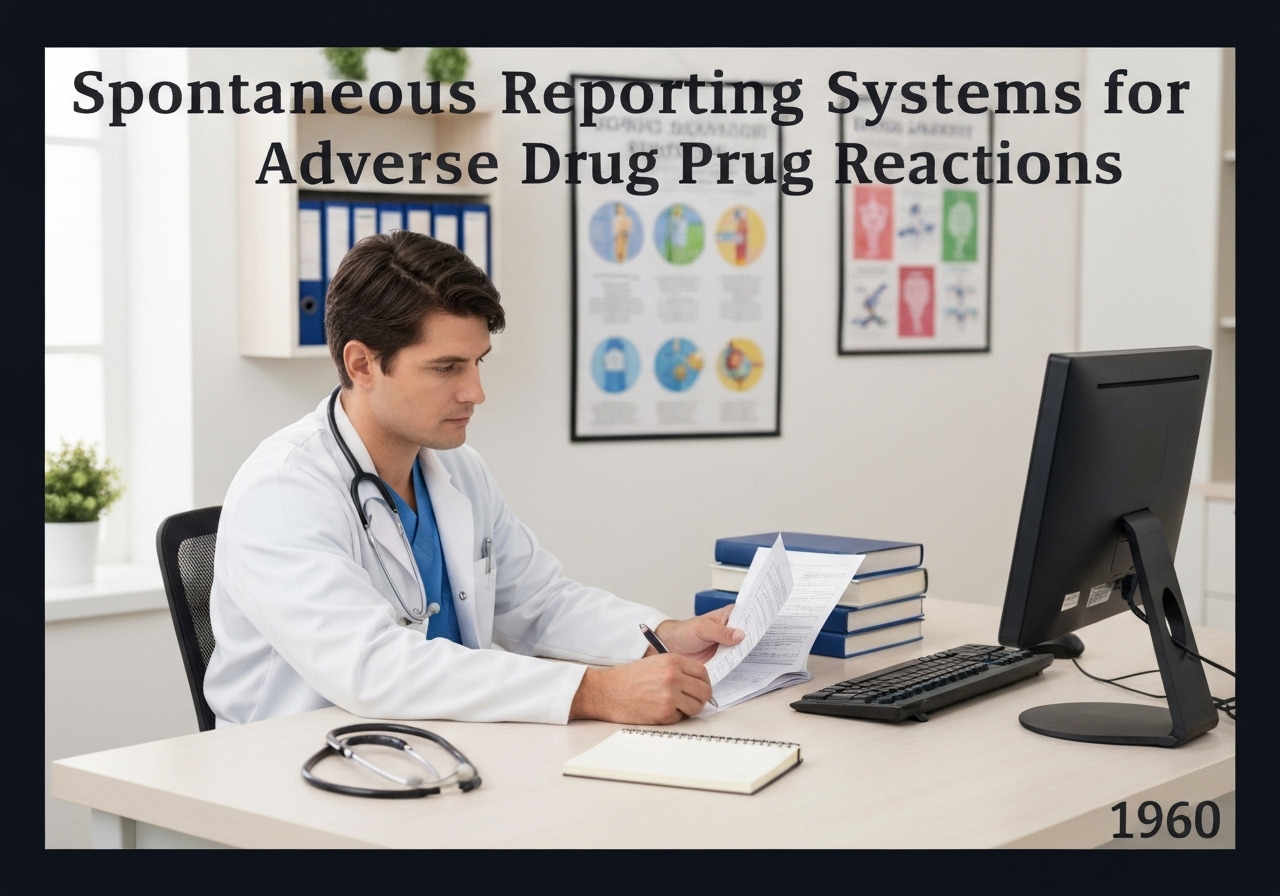
Healthcare professional entering data for adverse drug reactions in public health epidemiology.

(画像はイメージです)

自発報告システム(SRS)は、市販後の医薬品安全性監視の要となるものです。医療従事者と患者は、疑われる副作用(ADR)を自発的に中央データベースに報告します。報告漏れや偏りの可能性はあるものの、これらのシステムは、市販前臨床試験では特定されない可能性のある、まれな、予期せぬ、あるいは潜伏期間の長い副作用を検出する上で非常に重要です。

Spontaneous Reporting Systems (SRS) form the foundation of passive surveillance in pharmacovigilance. The core principle is the unsolicited reporting of suspected adverse events by individuals, primarily healthcare providers but increasingly patients themselves. The UK’s Yellow Card Scheme, launched in 1964, is one of the earliest and most well-known examples. In the United States, the FDA Adverse Event Reporting System (FAERS) serves a similar function.

SRSの最大の強みは、その適用範囲の広さです。あらゆる薬剤とあらゆる患者に関するデータを無期限に収集できるため、承認前臨床試験という比較的小規模で管理された環境では検出できないほど稀な安全性の問題を特定するための非常に貴重なツールとなります。これらのシステムは、薬剤の既知の薬理作用とは無関係な「B型」(奇異な)副作用の検出に特に効果的です。

しかし、SRSには重大な限界がある。最も深刻なのは報告漏れであり、すべての副作用のうち報告されるのはごく一部に過ぎないと推定されている。データの質は一貫性がなく、詳細な臨床情報が不足している場合が多い。さらに、体系的なデータ収集が行われていないため、薬剤に曝露された患者の総数(分母)が不明であり、副作用の発生率を算出することは不可能である。報告はまた、さまざまな要因の影響を受ける。 完了すると、友人のプレイヤー B に起因する報酬を含む電子メールまたはプッシュ通知がプレイヤー A に送信されます。例えば、ある薬剤の悪名が高まり、報告件数が増加する(報告の促進)といったケースが挙げられます。こうした弱点にもかかわらず、SRSは安全性シグナルを生成するための不可欠かつ費用対効果の高い方法であり、生成されたシグナルはより厳密な疫学調査によって検証することができます。

UNESCO Nomenclature: 3211
公衆衛生

タイプ

抽象システム

混乱

増分

使用法

広く普及している

前駆物質

  • サリドマイド悲劇は、市販後監視の必要性を浮き彫りにした。
  • 国民保健サービスおよび規制機関の設立
  • データベース技術とデータ管理の進歩
  • 医学雑誌における症例報告の伝統

アプリケーション

  • signal detection for new adverse drug reactions
  • ラベルの変更や医薬品の回収といった規制措置に関する情報を提供する
  • さらなる薬物疫学研究のための仮説の生成
  • VigiBaseのようなグローバルデータベースへのデータ入力
  • monitoring the safety of ワクチン (e.g., VAERS in the US)

特許:

NA

潜在的なイノベーションのアイデア

  • integration of SRS with electronic health records for automated, semi-passive reporting
  • a mobile app using 自然言語処理 to help patients accurately describe and report ADRs
  • gamification of reporting for healthcare professionals to increase reporting rates
  • ai-driven triage systems to prioritize incoming reports for review
  • blockchain-based SRS to ensure data integrity and patient privacy
  • linking SRS data with genomic databases to identify genetic markers for specific ADRs
  • automated follow-up systems using chatbots to gather more detailed information on submitted reports
  • predictive models that analyze social media and search engine trends to supplement SRS data
  • a federated learning approach allowing analysis of SRS data across countries without sharing raw patient information
  • development of a universal, icon-based system for reporting ADRs to overcome language barriers
関連キーワード:自発報告システム、SRS、副作用、ADR、医薬品安全性監視、市販後調査、シグナル検出、イエローカード制度、FAERS、過少報告。

歴史的背景

薬物有害反応に関する自発報告システム

1960
1960
1969
1976-05-28
1980
1990
1960
1965
1970
1980
1980
1990

(日付が不明または関連性がない場合、例えば「流体力学」などでは、その注目すべき出現時期の概算値が提示されます。)

10年目 周年

フルサイズの画像とダウンロードは、登録会員のみが100%無料で利用できます。