Product Design, Manufacturing & Innovation Resources
家 » 医薬品安全性監視

医薬品安全性監視

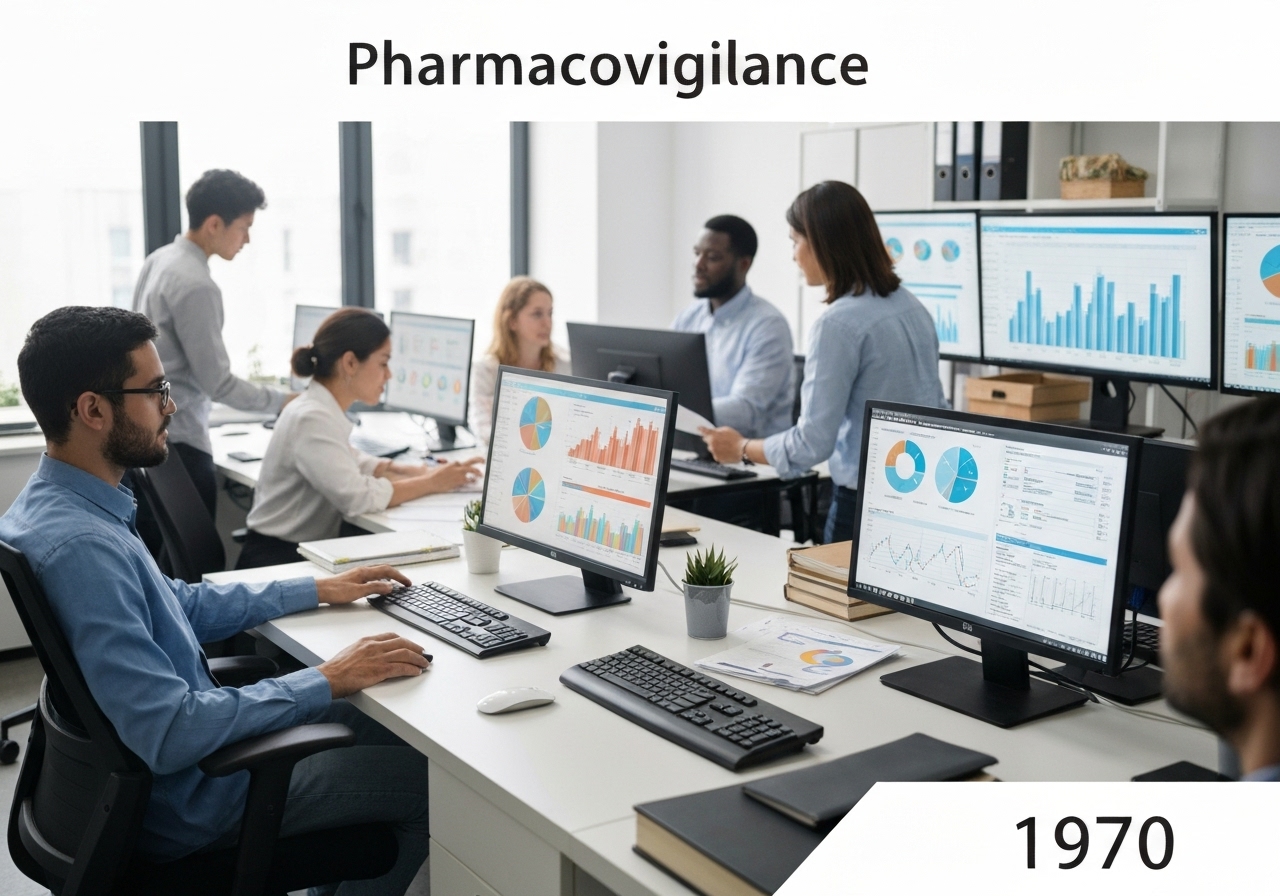
1970
Pharmacovigilance office with professionals analyzing drug safety data and reports.

(画像はイメージです)

医薬品安全性監視とは、医薬品の有害作用、特に長期および短期の副作用の検出、評価、理解、および予防に関する薬理学の分野です。これは臨床試験中に始まり、全期間にわたって継続するプロセスです。 ライフサイクル 医薬品の市販後調査に重点を置き、まれな、またはこれまで知られていなかった副作用(ADR)を特定する。

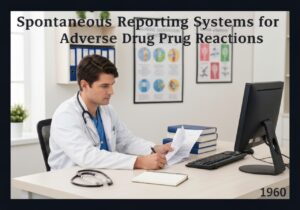
The necessity for a systematic approach to drug safety monitoring became tragically apparent following the thalidomide disaster in the early 1960s, where a seemingly safe sedative caused severe birth defects. This event catalyzed the development of modern pharmacovigilance systems. The core activity of pharmacovigilance is the collection and analysis of spontaneous reports of suspected adverse drug reactions (ADRs). Healthcare professionals and patients submit these reports to national regulatory authorities or the drug’s manufacturer. These individual case safety reports (ICSRs) are entered into large databases. Sophisticated data mining algorithms are then used to perform signal detection—the process of identifying potential new drug-safety issues from the vast amount of data. A ‘signal’ is reported information on a possible causal relationship between an adverse event and a drug, which is unknown or incompletely documented previously. Once a signal is detected, it undergoes rigorous assessment to determine if a causal link is likely. This may involve epidemiological studies, such as cohort or case-control studies, to quantify the risk. If a new risk is confirmed, regulatory action is taken. This can range from updating the product’s labeling to include the new side effect, issuing warnings to doctors, restricting the drug’s use, or, in rare cases, withdrawing the drug from the market. Pharmacovigilance is therefore a critical, dynamic component of public health, ensuring that the benefit-risk balance of a medicine is continuously monitored and remains favorable throughout its use in the population.


UNESCO Nomenclature: 3209
薬理学

タイプ

抽象システム

混乱

基礎

使用法

広く普及している

前駆物質

  • サリドマイド事件(1957年~1961年)
  • 国家医薬品規制機関の設立
  • 疫学および生物統計学の進歩
  • 1968年にWHOによる国際薬物監視プログラムが創設された。

アプリケーション

  • 承認されたすべての医薬品の市販後安全性監視
  • 有害事象報告システムの管理(例:FDAのFAERS、EMAのEudraVigilance)
  • 新薬のリスク管理計画(RMP)
  • 医薬品ラベルと患者情報を新たな安全性データに基づいて更新する
  • 医療従事者向けに医薬品の安全性に関する情報や警告を発信する

特許:

NA

潜在的なイノベーションのアイデア

  • use of ai and natural language processing to analyze unstructured data from electronic health records and social media for safety signals
  • development of active surveillance systems that proactively query large healthcare databases
  • integration of genomic data (pharmacogenomics) to predict individuals at higher risk of adrs
  • mobile apps for easier reporting of adverse events by patients and doctors
  • automated signal detection algorithms using machine learning
  • creation of global, interconnected safety databases for faster signal sharing
  • predictive modeling of adrs based on a drug’s chemical structure
  • use of ウェアラブル sensors to monitor for physiological signs of adverse events in real-time
  • blockchain for secure and auditable tracking of adverse event reports
  • personalized risk-benefit communication tools for patients
関連キーワード:医薬品安全性監視、医薬品安全性、副作用、ADR、市販後調査、シグナル検出、リスク管理、FDA、EMA、サリドマイド。

歴史的背景

医薬品安全性監視

1960
1965
1970
1980
1980
1990
1960
1960
1969
1976-05-28
1980
1990

(日付が不明または関連性がない場合、例えば「流体力学」などでは、その注目すべき出現時期の概算値が提示されます。)

10年目 周年

フルサイズの画像とダウンロードは、登録会員のみが100%無料で利用できます。