Product Design, Manufacturing & Innovation Resources
بيت » Spontaneous Reporting Systems for Adverse Drug Reactions

Spontaneous Reporting Systems for Adverse Drug Reactions

1960
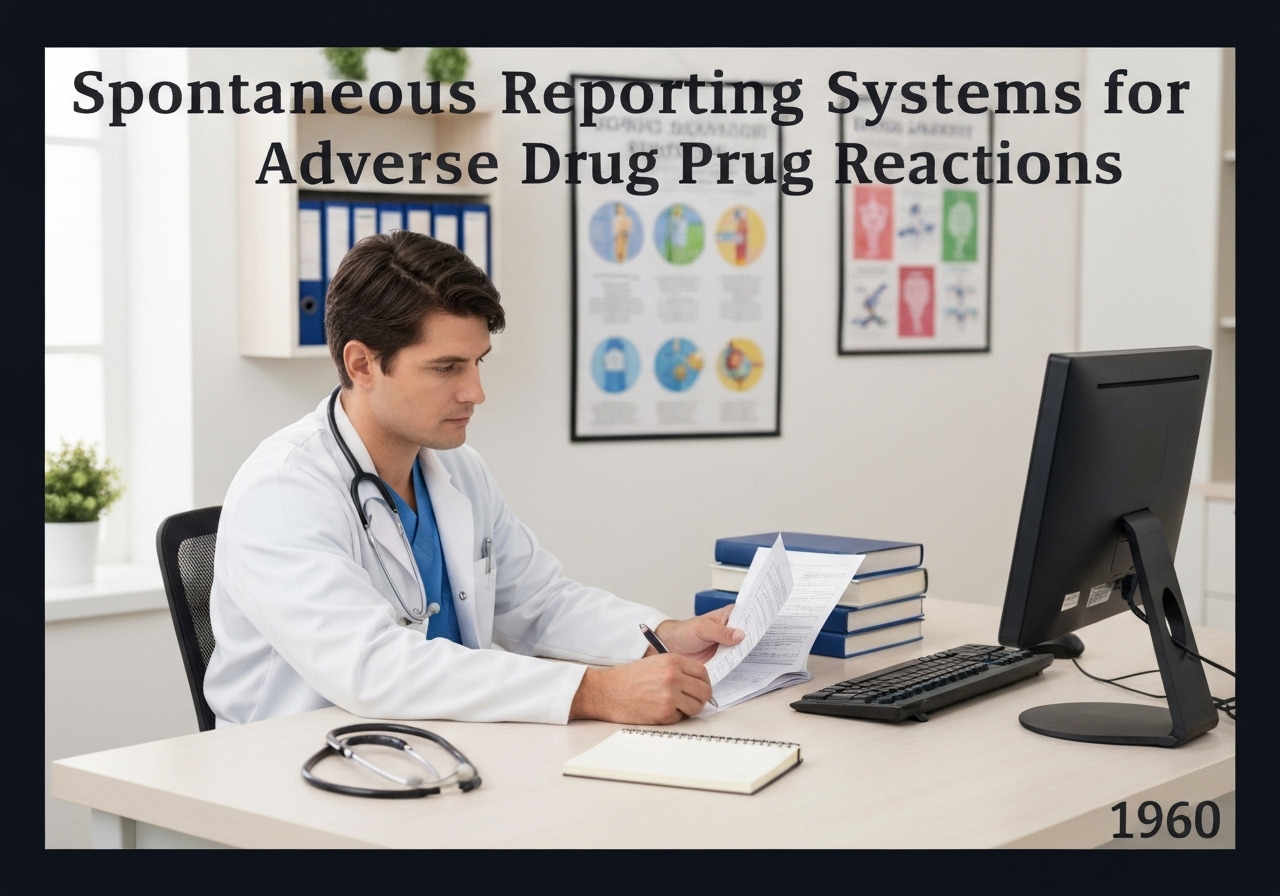
Healthcare professional entering data for adverse drug reactions in public health epidemiology.

(صورة توضيحية فقط)

Spontaneous Reporting Systems (SRS) are a cornerstone of post-marketing drug safety surveillance. Healthcare professionals and patients voluntarily submit reports of suspected adverse drug reactions (ADRs) to a central database. While subject to under-reporting and bias, these systems are crucial for detecting rare, unexpected, or long-latency ADRs that may not be identified during pre-market clinical trials.


Spontaneous Reporting Systems (SRS) form the foundation of passive surveillance in pharmacovigilance. The core principle is the unsolicited reporting of suspected adverse events by individuals, primarily healthcare providers but increasingly patients themselves. The UK’s Yellow Card Scheme, launched in 1964, is one of the earliest and most well-known examples. In the United States, the FDA Adverse Event Reporting System (FAERS) serves a similar function.

The primary strength of SRS is its broad scope. It can collect data on all drugs and all patients for an indefinite period, making it an invaluable tool for identifying safety issues that are too rare to be detected in the relatively small and controlled environment of pre-approval clinical trials. These systems are particularly effective at detecting ‘Type B’ (bizarre) adverse reactions, which are not related to the drug’s known pharmacological action.

مع ذلك، يعاني نظام الإبلاغ عن الآثار الجانبية للأدوية (SRS) من قيود كبيرة. أبرزها نقص الإبلاغ؛ إذ تشير التقديرات إلى أن نسبة ضئيلة فقط من جميع الآثار الجانبية للأدوية يتم الإبلاغ عنها. كما أن جودة البيانات قد تكون غير متسقة، وغالبًا ما تفتقر إلى معلومات سريرية مفصلة. علاوة على ذلك، ونظرًا لعدم وجود نظام جمع بيانات منهجي، يستحيل حساب معدل حدوث الآثار الجانبية للأدوية، لأن العدد الإجمالي للمرضى الذين تعرضوا للدواء (المقام) غير معروف. وتخضع التقارير أيضًا لعدة عوامل. التحيزاتعلى سبيل المثال، قد تؤدي شهرة دواء ما إلى زيادة الإبلاغ عنه (الإبلاغ المُحفَّز). ورغم هذه العيوب، يظل نظام الإبلاغ المُحفَّز طريقةً لا غنى عنها وفعالة من حيث التكلفة لتوليد إشارات السلامة التي يمكن بعد ذلك دراستها باستخدام دراسات وبائية أكثر دقة.

UNESCO Nomenclature: 3211
– Public Health

يكتب

نظام مجرد

خلل

Incremental

الاستخدام

استخدام واسع النطاق

مقدمات

  • the thalidomide tragedy highlighting the need for post-marketing surveillance
  • the establishment of national health services and regulatory bodies
  • advances in database technology and data management
  • the tradition of medical case reporting in journals

التطبيقات

  • signal detection for new adverse drug reactions
  • informing regulatory actions like label changes or drug withdrawal
  • generating hypotheses for further pharmacoepidemiological studies
  • populating global databases like VigiBase
  • monitoring the safety of اللقاحات (e.g., VAERS in the US)

براءات الاختراع:

NA

أفكار ابتكارية محتملة

  • integration of SRS with electronic health records for automated, semi-passive reporting
  • a mobile app using natural language processing to help patients accurately describe and report ADRs
  • gamification of reporting for healthcare professionals to increase reporting rates
  • ai-driven triage systems to prioritize incoming reports for review
  • blockchain-based SRS to ensure data integrity and patient privacy
  • linking SRS data with genomic databases to identify genetic markers for specific ADRs
  • automated follow-up systems using chatbots to gather more detailed information on submitted reports
  • predictive models that analyze social media and search engine trends to supplement SRS data
  • a federated learning approach allowing analysis of SRS data across countries without sharing raw patient information
  • development of a universal, icon-based system for reporting ADRs to overcome language barriers
Related to: spontaneous reporting system, SRS, adverse drug reaction, ADR, pharmacovigilance, post-marketing surveillance, signal detection, Yellow Card Scheme, FAERS, under-reporting.

السياق التاريخي

Spontaneous Reporting Systems for Adverse Drug Reactions

1960
1960
1969
1976-05-28
1980
1990
1960
1965
1970
1980
1980
1990

(إذا كان التاريخ غير معروف أو غير ذي صلة، على سبيل المثال "ميكانيكا الموائع"، يتم توفير تقدير تقريبي لظهوره الملحوظ)

أحدث الإضافات

أهم المنشورات والمقالات

أفضل الأدوات الأصلية

السنة العاشرة عيد

الصور والتنزيلات بالحجم الكامل متاحة فقط، ومجانية تمامًا، للأعضاء المسجلين.