Product Design, Manufacturing & Innovation Resources
家 » 材料の生体適合性

材料の生体適合性

1980
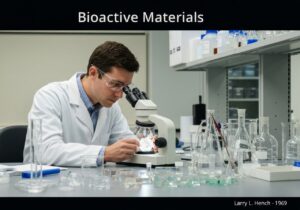
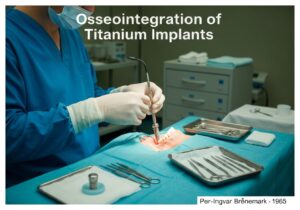
研究室で医療用インプラントの生体適合材料を分析する研究者。.

(画像はイメージです)

生体適合性とは、特定の用途において材料が適切な宿主反応を示す能力を指します。これは材料固有の性質ではなく、状況によって決まります。重要な要素としては、材料の表面化学、表面形状、機械的特性などが挙げられ、これらがタンパク質などの生物学的反応を左右します。 吸着細胞接着、炎症、および線維性被膜形成。

Biocompatibility is a dynamic and context-dependent concept, not a static, inherent property of a material. The ‘appropriate host response’ varies significantly with the intended function of the device. For instance, a material for a permanent hip implant should be bioinert, eliciting minimal reaction and integrating stably with bone. In contrast, a material for a biodegradable suture should elicit a controlled inflammatory response that facilitates healing and then safely degrades. The cascade of events at the biointerface begins seconds after implantation with the 吸着 of a layer of host proteins (e.g., albumin, fibrinogen, fibronectin), a phenomenon known as the Vroman effect. The composition and conformation of this protein layer dictates the subsequent cellular attachment, activation, and signaling. This initial phase is followed by an inflammatory response, involving the recruitment of neutrophils and then macrophages to the implant site. If the material is perceived as foreign and cannot be phagocytosed, macrophages may fuse to form foreign body giant cells (FBGCs). This chronic inflammatory state leads to the final stage: the formation of a dense, avascular fibrous capsule that isolates the implant from the host body. While this encapsulation can be acceptable for some passive implants, it is detrimental for devices requiring biological integration, like sensors or tissue scaffolds. Understanding and controlling these interactions through surface modification—by altering wettability, charge, topography, or grafting specific biomolecules—is a central goal of biomaterials science to ensure long-term device success and patient safety.

UNESCO Nomenclature: 3201
医学

タイプ

抽象システム

混乱

基礎

使用法

広く普及している

前駆物質

  • ジョセフ・リスターによる無菌手術技術の発見
  • PMMAやシリコーンなどの不活性ポリマーの開発
  • understanding of the foreign body response in immunology
  • 表面科学および特性評価技術(例:SEM、AFM、XPS)の進歩

アプリケーション

  • design of 医療用インプラント (e.g., hip replacements, dental implants)
  • 薬物送達システムの開発
  • fabrication of tissue engineering scaffolds
  • バイオセンサーおよび診断機器の開発
  • 血栓症を予防するための心血管ステント用コーティング

特許:

NA

潜在的なイノベーションのアイデア

  • smart implants with sensors to monitor host response in real-time
  • biomaterials with tunable degradation rates matched to tissue regeneration speed
  • immuno-modulatory surfaces that actively direct the immune response towards healing rather than rejection
  • personalized implants designed based on a patient’s specific biological profile
  • anti-biofouling coatings inspired by marine organisms for catheters and shunts
  • 3d-printed implants with patient-specific geometries and controlled surface topographies
  • biomaterials that can sequester and neutralize inflammatory cytokines
  • self-healing implant materials that repair minor damage in situ
  • ‘living’ biomaterials incorporating engineered cells to perform therapeutic functions
  • biodegradable electronic implants for temporary monitoring or stimulation
関連キーワード:生体適合性、宿主反応、医療用インプラント、生体材料、タンパク質吸着、炎症、線維性被膜形成、生体界面、表面改質、vroman効果。

歴史的背景

材料の生体適合性

1965
1970
1980
1980
1990
1960
1969
1976-05-28
1980
1990

(日付が不明または関連性がない場合、例えば「流体力学」などでは、その注目すべき出現時期の概算値が提示されます。)

10年目 周年

フルサイズの画像とダウンロードは、登録会員のみが100%無料で利用できます。