Product Design, Manufacturing & Innovation Resources
家 » 医療用インプラントにおける生体適合性

医療用インプラントにおける生体適合性

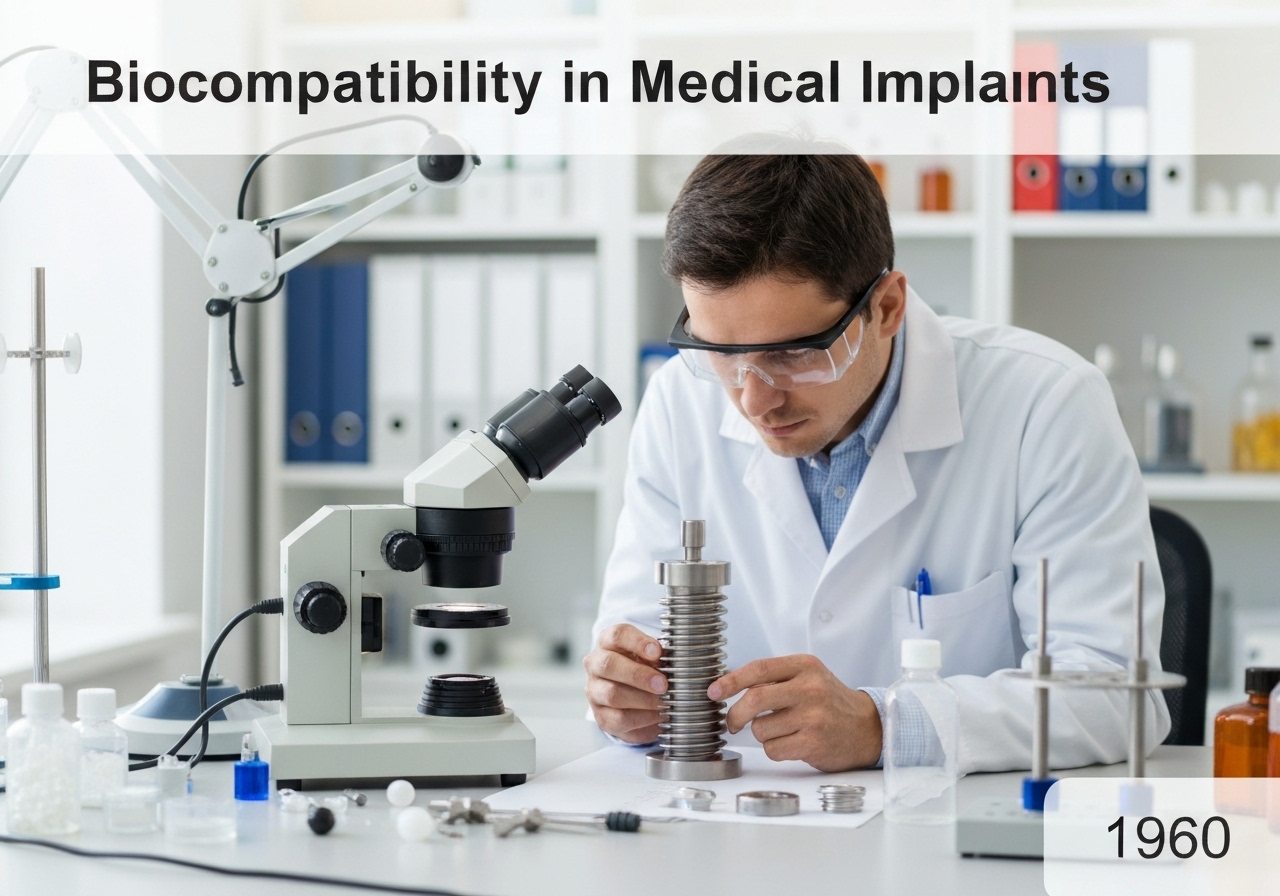
1960
Biomedical engineer examining titanium medical implant for biocompatibility in laboratory.

(画像はイメージです)

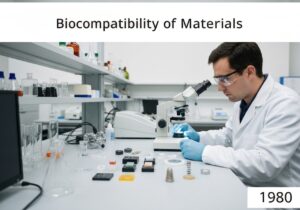
生体適合性 これは、特定の用途において適切なホスト応答を示す材料の特性です。 医療用インプラント, this means avoiding toxic, injurious, or immunological reactions from the body. Materials like titanium, silicone, and certain polymers are chosen for their inertness and ability to integrate with biological tissues without causing significant adverse effects. Hydrogels based on polyacrylates are studied for this purpose, so the sodium polyacrylate uses in medicine depend on proven biocompatibility.

Biocompatibility is not a single property but a complex set of interactions between a material and the host’s biological system. The ideal biomaterial should not induce inflammation, allergic reactions, or carcinogenic effects. The response depends on the material’s surface chemistry, texture, and mechanical properties, as well as the implant’s location and function. For example, a heart valve implant must be hemocompatible, meaning it doesn’t cause blood clots (thrombosis). A bone implant must be osteoconductive, encouraging bone growth onto its surface. Early implants often failed due to foreign body reactions, where the immune system encapsulates the implant in a fibrous scar tissue, isolating it and impeding its function. Modern biomaterials are often surface-treated or coated to enhance biocompatibility. For instance, hydroxyapatite coatings on titanium implants mimic the mineral component of bone, promoting better integration. The field of biomaterials science is constantly evolving, developing “bioactive” materials that actively participate in healing processes rather than just being inert placeholders.

UNESCO Nomenclature: 3201
生体医工学

タイプ

抽象システム

混乱

増分

使用法

広く普及している

前駆物質

  • 高分子化学の進歩
  • 免疫系の異物反応の理解
  • ジョセフ・リスターによる無菌手術技術の開発
  • discovery of inert metals like チタン and platinum

アプリケーション

  • 人工関節(股関節、膝関節)
  • 歯科インプラント
  • ペースメーカー
  • ステント
  • 美容インプラント

特許:

NA

潜在的なイノベーションのアイデア

  • implants with drug-eluting surfaces to prevent infection or inflammation
  • biodegradable implants that dissolve after fulfilling their function
  • 3d-printed patient-specific implants with optimized biocompatible properties
  • smart implants with embedded sensors to monitor healing and function
  • bioactive coatings that actively promote tissue regeneration
  • scaffolds for tissue engineering made from biocompatible polymers
  • nanostructured surfaces to control cell adhesion and growth
  • implants designed to modulate the local immune response
  • self-healing biomaterials for longer-lasting implants
  • implants that can be remotely activated or adjusted non-invasively
関連: biocompatibility, biomaterials, medical implant, host response, titanium, silicone, foreign body reaction, inertness, immunological reaction, tissue integration.

歴史的背景

医療用インプラントにおける生体適合性

1960
1965
1970
1980
1980
1990
1960
1960
1969
1976-05-28
1980
1990

(日付が不明または関連性がない場合、例えば「流体力学」などでは、その注目すべき出現時期の概算値が提示されます。)

10年目 周年

フルサイズの画像とダウンロードは、登録会員のみが100%無料で利用できます。