Product Design, Manufacturing & Innovation Resources
Heim » Biokompatibilität in medizinischen Implantaten

Biokompatibilität in medizinischen Implantaten

1960
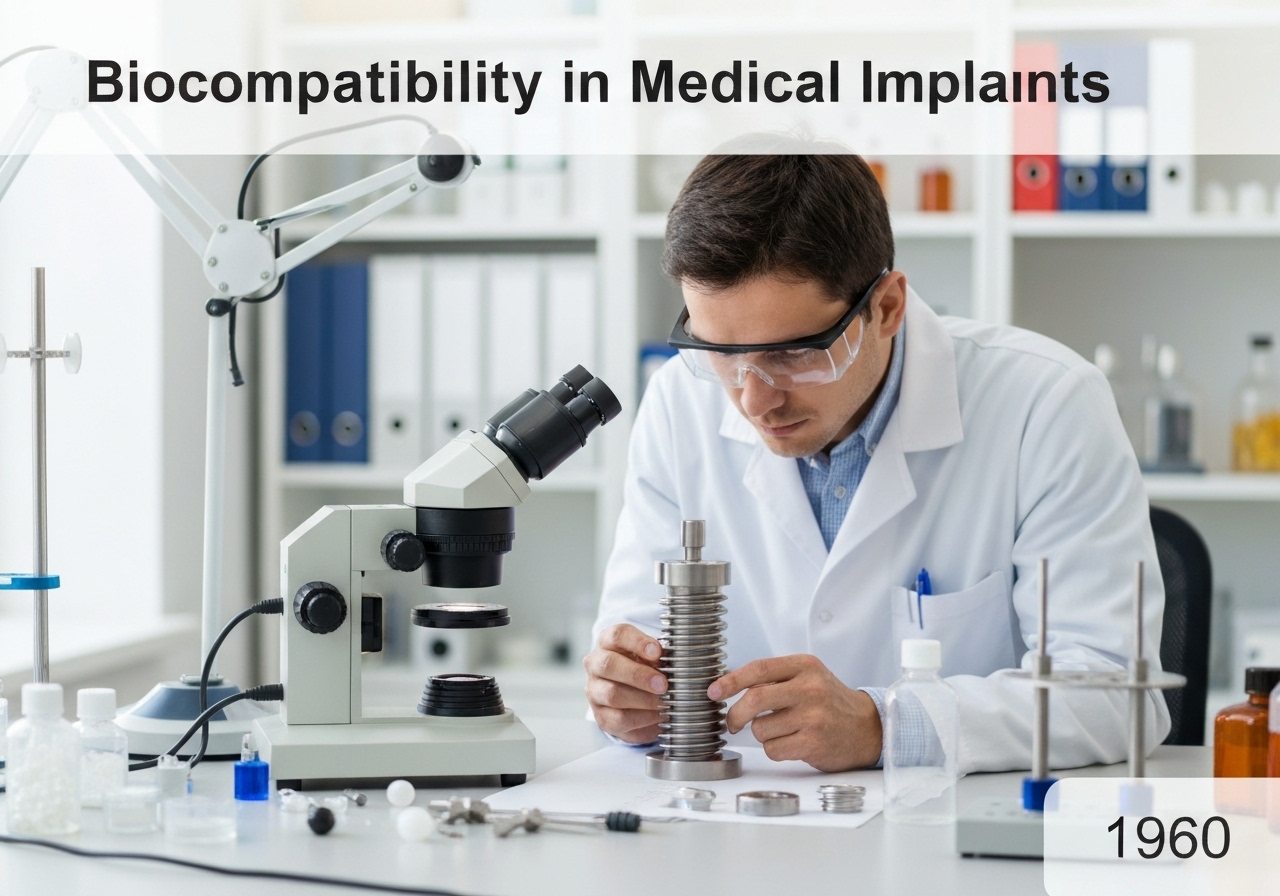
Biomedical engineer examining titanium medical implant for biocompatibility in laboratory.

(Abbildung dient nur zur Veranschaulichung)

Biokompatibilität ist die Eigenschaft eines Materials, in einer bestimmten Anwendung mit einer angemessenen Wirtsreaktion aufzutreten. medizinische Implantate, this means avoiding toxic, injurious, or immunological reactions from the body. Materials like titanium, silicone, and certain polymers are chosen for their inertness and ability to integrate with biological tissues without causing significant adverse effects. Hydrogels based on polyacrylates are studied for this purpose, so the sodium polyacrylate uses in medicine depend on proven biocompatibility.
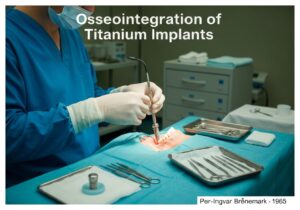

Biocompatibility is not a single property but a complex set of interactions between a material and the host’s biological system. The ideal biomaterial should not induce inflammation, allergic reactions, or carcinogenic effects. The response depends on the material’s surface chemistry, texture, and mechanical properties, as well as the implant’s location and function. For example, a heart valve implant must be hemocompatible, meaning it doesn’t cause blood clots (thrombosis). A bone implant must be osteoconductive, encouraging bone growth onto its surface. Early implants often failed due to foreign body reactions, where the immune system encapsulates the implant in a fibrous scar tissue, isolating it and impeding its function. Modern biomaterials are often surface-treated or coated to enhance biocompatibility. For instance, hydroxyapatite coatings on titanium implants mimic the mineral component of bone, promoting better integration. The field of biomaterials science is constantly evolving, developing “bioactive” materials that actively participate in healing processes rather than just being inert placeholders.

UNESCO Nomenclature: 3201
– Biomedical engineering

Typ

Abstract System

Störung

Incremental

Verwendung

Weitverbreitete Verwendung

Vorläufer

  • Fortschritte in der Polymerchemie
  • Verständnis der Fremdkörperreaktion des Immunsystems
  • Entwicklung steriler Operationstechniken durch Joseph Lister
  • discovery of inert metals like Titan and platinum

Anwendungen

  • künstliche Gelenke (Hüfte, Knie)
  • dental implants
  • Herzschrittmacher
  • Stents
  • kosmetische Implantate

Patente:

NA

Potenzielle Innovationsideen

  • Implantate mit medikamentenfreisetzenden Oberflächen zur Vorbeugung von Infektionen oder Entzündungen
  • biologisch abbaubare Implantate, die sich nach Erfüllung ihrer Funktion auflösen
  • 3D-gedruckte patientenspezifische Implantate mit optimierten biokompatiblen Eigenschaften
  • intelligente Implantate mit eingebetteten Sensoren zur Überwachung von Heilung und Funktion
  • bioaktive Beschichtungen, die die Geweberegeneration aktiv fördern
  • scaffolds for tissue engineering made from biocompatible polymers
  • nanostructured surfaces to control cell adhesion and growth
  • Implantate zur Modulation der lokalen Immunantwort
  • selbstheilende Biomaterialien für langlebigere Implantate
  • Implantate, die nicht-invasiv aus der Ferne aktiviert oder angepasst werden können
Verwandt mit: biocompatibility, biomaterials, medical implant, host response, titanium, silicone, foreign body reaction, inertness, immunological reaction, tissue integration.

Historischer Kontext

Biokompatibilität in medizinischen Implantaten

1960
1965
1970
1980
1980
1990
1960
1960
1969
1976-05-28
1980
1990

(wenn das Datum unbekannt oder nicht relevant ist, z. B. „Strömungsmechanik“, wird eine gerundete Schätzung seines bemerkenswerten Auftretens bereitgestellt)

10. Jahr Jubiläum

Bilder in voller Größe und Downloads sind ausschließlich für registrierte Mitglieder kostenlos verfügbar.

> Login <