Product Design, Manufacturing & Innovation Resources
집 » 재료의 생체 적합성

재료의 생체 적합성

1980
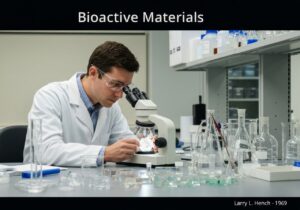
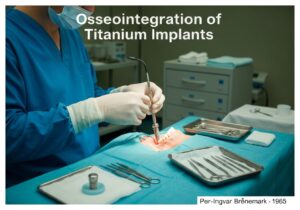
실험실에서 의료용 임플란트의 생체 적합성 소재를 분석하는 연구원.

(설명을 위한 생성된 이미지입니다)

생체 적합성은 특정 용도에서 적절한 숙주 반응을 보이며 물질이 제 기능을 발휘하는 능력을 의미합니다. 이는 물질 고유의 속성이 아니라 상황에 따라 정의됩니다. 주요 요인으로는 물질의 표면 화학적 성질, 형태, 기계적 특성 등이 있으며, 이러한 요소들은 단백질과 같은 생물학적 반응을 좌우합니다. 흡착세포 접착, 염증 및 섬유성 피막 형성.

Biocompatibility is a dynamic and context-dependent concept, not a static, inherent property of a material. The ‘appropriate host response’ varies significantly with the intended function of the device. For instance, a material for a permanent hip implant should be bioinert, eliciting minimal reaction and integrating stably with bone. In contrast, a material for a biodegradable suture should elicit a controlled inflammatory response that facilitates healing and then safely degrades. The cascade of events at the biointerface begins seconds after implantation with the 흡착 of a layer of host proteins (e.g., albumin, fibrinogen, fibronectin), a phenomenon known as the Vroman effect. The composition and conformation of this protein layer dictates the subsequent cellular attachment, activation, and signaling. This initial phase is followed by an inflammatory response, involving the recruitment of neutrophils and then macrophages to the implant site. If the material is perceived as foreign and cannot be phagocytosed, macrophages may fuse to form foreign body giant cells (FBGCs). This chronic inflammatory state leads to the final stage: the formation of a dense, avascular fibrous capsule that isolates the implant from the host body. While this encapsulation can be acceptable for some passive implants, it is detrimental for devices requiring biological integration, like sensors or tissue scaffolds. Understanding and controlling these interactions through surface modification—by altering wettability, charge, topography, or grafting specific biomolecules—is a central goal of biomaterials science to ensure long-term device success and patient safety.

UNESCO Nomenclature: 3201
의학

유형

추상 시스템

분열

기초적인

용법

널리 사용됨

전구체

  • 조셉 리스터의 무균 수술 기법 발견
  • PMMA 및 실리콘과 같은 불활성 고분자의 개발
  • understanding of the foreign body response in immunology
  • 표면 과학 및 특성 분석 기술(예: SEM, AFM, XPS)의 발전

응용 프로그램

  • design of 의료용 임플란트 (e.g., hip replacements, dental implants)
  • 약물 전달 시스템 개발
  • fabrication of tissue engineering scaffolds
  • 바이오센서 및 진단기기 개발
  • 혈전증 예방을 위한 심혈관 스텐트 코팅

특허:

NA

잠재적 혁신 아이디어

  • smart implants with sensors to monitor host response in real-time
  • biomaterials with tunable degradation rates matched to tissue regeneration speed
  • immuno-modulatory surfaces that actively direct the immune response towards healing rather than rejection
  • personalized implants designed based on a patient’s specific biological profile
  • anti-biofouling coatings inspired by marine organisms for catheters and shunts
  • 3d-printed implants with patient-specific geometries and controlled surface topographies
  • biomaterials that can sequester and neutralize inflammatory cytokines
  • self-healing implant materials that repair minor damage in situ
  • ‘living’ biomaterials incorporating engineered cells to perform therapeutic functions
  • biodegradable electronic implants for temporary monitoring or stimulation
관련 주제: 생체 적합성, 숙주 반응, 의료용 임플란트, 생체 재료, 단백질 흡착, 염증, 섬유질 캡슐화, 생체 계면, 표면 개질, 브로만 효과.

역사적 맥락

재료의 생체 적합성

1965
1970
1980
1980
1990
1960
1969
1976-05-28
1980
1990

(날짜를 알 수 없거나 관련이 없는 경우, 예를 들어 "유체역학"의 경우, 주목할 만한 등장 시기를 대략적으로 추정하여 제공합니다.)

10년차 기념일

고화질 이미지 및 다운로드는 등록된 회원에게만 100% 무료로 제공됩니다.

> 로그인 <