Product Design, Manufacturing & Innovation Resources
بيت » Biocompatibility in Medical Implants

Biocompatibility in Medical Implants

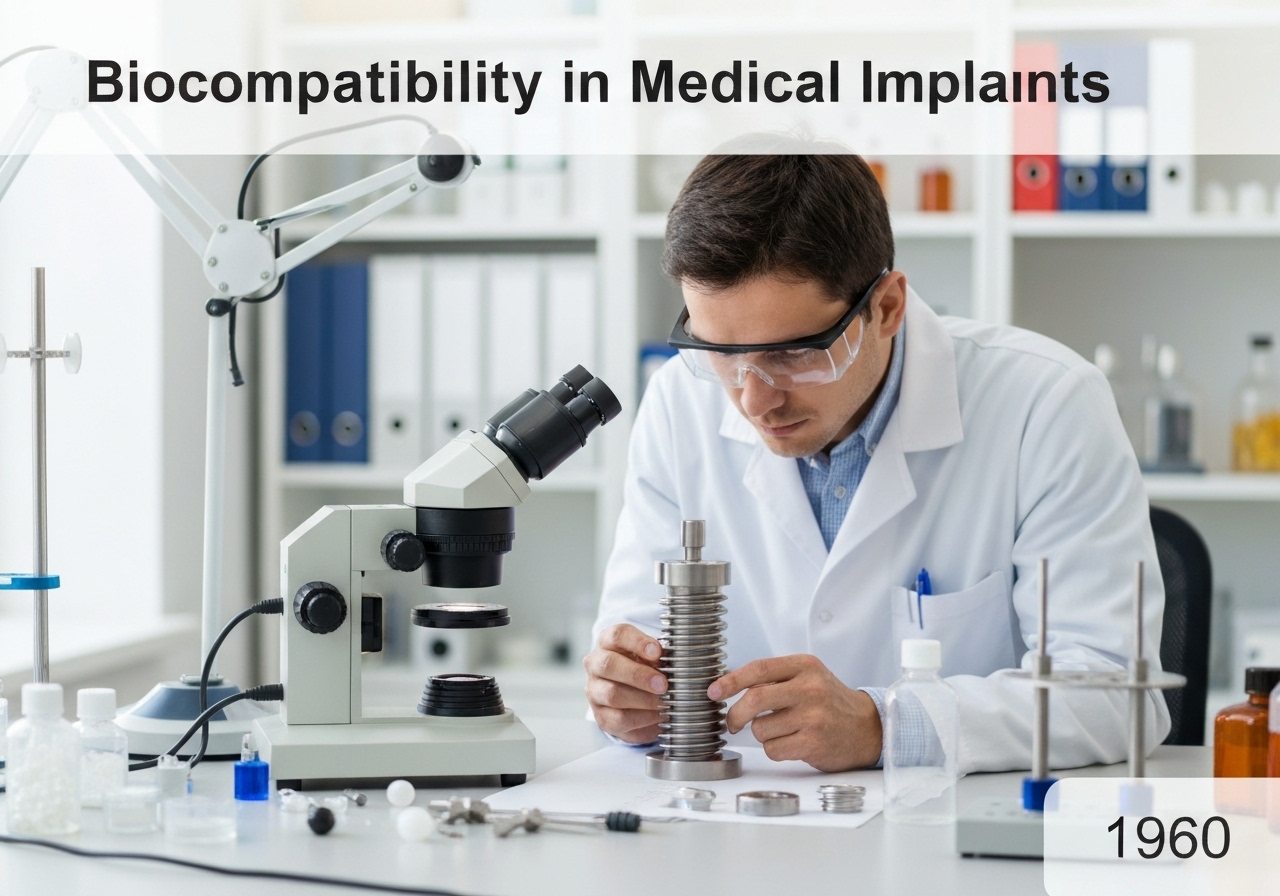
1960
Biomedical engineer examining titanium medical implant for biocompatibility in laboratory.

(صورة توضيحية فقط)

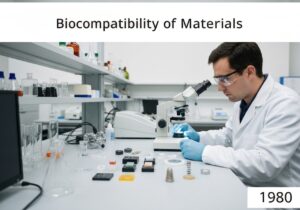
التوافق الحيوي هي خاصية المادة التي تؤدي وظيفتها باستجابة مناسبة من المضيف في تطبيق معين. الغرسات الطبية, this means avoiding toxic, injurious, or immunological reactions from the body. Materials like titanium, silicone, and certain polymers are chosen for their inertness and ability to integrate with biological tissues without causing significant adverse effects. Hydrogels based on polyacrylates are studied for this purpose, so the sodium polyacrylate uses in medicine depend on proven biocompatibility.

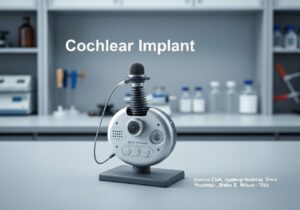
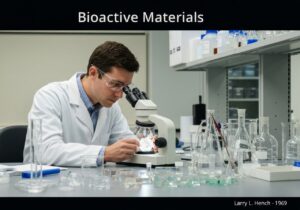
Biocompatibility is not a single property but a complex set of interactions between a material and the host’s biological system. The ideal biomaterial should not induce inflammation, allergic reactions, or carcinogenic effects. The response depends on the material’s surface chemistry, texture, and mechanical properties, as well as the implant’s location and function. For example, a heart valve implant must be hemocompatible, meaning it doesn’t cause blood clots (thrombosis). A bone implant must be osteoconductive, encouraging bone growth onto its surface. Early implants often failed due to foreign body reactions, where the immune system encapsulates the implant in a fibrous scar tissue, isolating it and impeding its function. Modern biomaterials are often surface-treated or coated to enhance biocompatibility. For instance, hydroxyapatite coatings on titanium implants mimic the mineral component of bone, promoting better integration. The field of biomaterials science is constantly evolving, developing “bioactive” materials that actively participate in healing processes rather than just being inert placeholders.

UNESCO Nomenclature: 3201
– Biomedical engineering

يكتب

نظام مجرد

خلل

Incremental

الاستخدام

استخدام واسع النطاق

مقدمات

  • advances in polymer chemistry
  • understanding of the immune system’s foreign body response
  • development of sterile surgical techniques by joseph lister
  • discovery of inert metals like التيتانيوم and platinum

التطبيقات

  • artificial joints (hip, knee)
  • dental implants
  • pacemakers
  • stents
  • cosmetic implants

براءات الاختراع:

NA

أفكار ابتكارية محتملة

  • implants with drug-eluting surfaces to prevent infection or inflammation
  • biodegradable implants that dissolve after fulfilling their function
  • 3d-printed patient-specific implants with optimized biocompatible properties
  • smart implants with embedded sensors to monitor healing and function
  • bioactive coatings that actively promote tissue regeneration
  • scaffolds for tissue engineering made from biocompatible polymers
  • nanostructured surfaces to control cell adhesion and growth
  • implants designed to modulate the local immune response
  • self-healing biomaterials for longer-lasting implants
  • implants that can be remotely activated or adjusted non-invasively
Related to: biocompatibility, biomaterials, medical implant, host response, titanium, silicone, foreign body reaction, inertness, immunological reaction, tissue integration.

السياق التاريخي

Biocompatibility in Medical Implants

1960
1965
1970
1980
1980
1990
1960
1960
1969
1976-05-28
1980
1990

(إذا كان التاريخ غير معروف أو غير ذي صلة، على سبيل المثال "ميكانيكا الموائع"، يتم توفير تقدير تقريبي لظهوره الملحوظ)

أحدث الإضافات

أهم المنشورات والمقالات

أفضل الأدوات الأصلية

السنة العاشرة عيد

الصور والتنزيلات بالحجم الكامل متاحة فقط، ومجانية تمامًا، للأعضاء المسجلين.