Product Design, Manufacturing & Innovation Resources
집 » 의료용 임플란트의 생체 적합성

의료용 임플란트의 생체 적합성

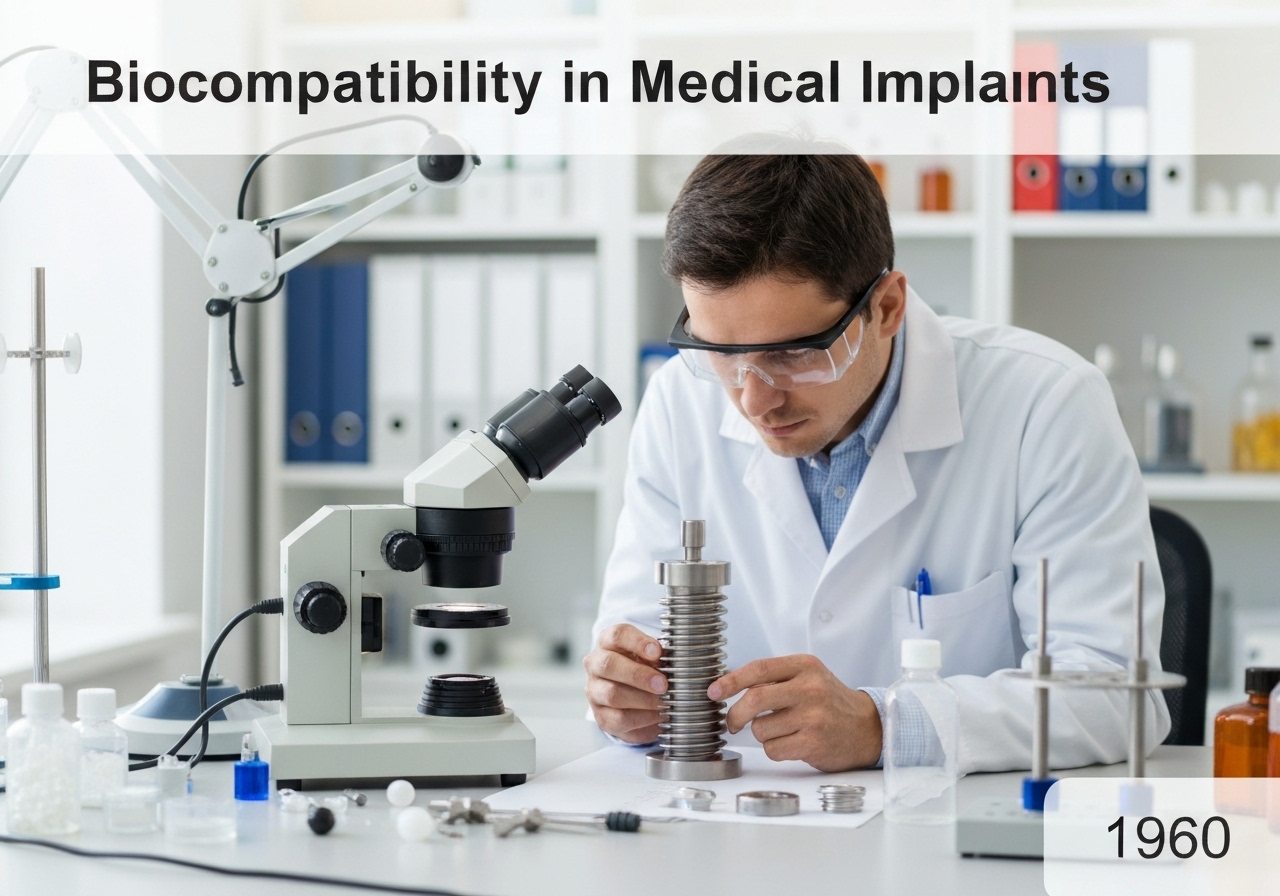
1960
Biomedical engineer examining titanium medical implant for biocompatibility in laboratory.

(설명을 위한 생성된 이미지입니다)

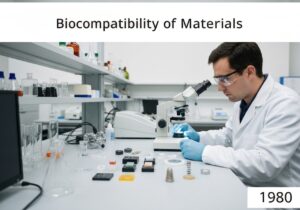
생체적합성 이는 특정 응용 분야에서 적절한 호스트 반응을 보이며 작동하는 재료의 특성입니다. 의료용 임플란트, this means avoiding toxic, injurious, or immunological reactions from the body. Materials like titanium, silicone, and certain polymers are chosen for their inertness and ability to integrate with biological tissues without causing significant adverse effects. Hydrogels based on polyacrylates are studied for this purpose, so the sodium polyacrylate uses in medicine depend on proven biocompatibility.

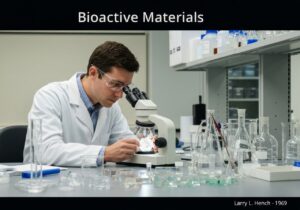
Biocompatibility is not a single property but a complex set of interactions between a material and the host’s biological system. The ideal biomaterial should not induce inflammation, allergic reactions, or carcinogenic effects. The response depends on the material’s surface chemistry, texture, and mechanical properties, as well as the implant’s location and function. For example, a heart valve implant must be hemocompatible, meaning it doesn’t cause blood clots (thrombosis). A bone implant must be osteoconductive, encouraging bone growth onto its surface. Early implants often failed due to foreign body reactions, where the immune system encapsulates the implant in a fibrous scar tissue, isolating it and impeding its function. Modern biomaterials are often surface-treated or coated to enhance biocompatibility. For instance, hydroxyapatite coatings on titanium implants mimic the mineral component of bone, promoting better integration. The field of biomaterials science is constantly evolving, developing “bioactive” materials that actively participate in healing processes rather than just being inert placeholders.

UNESCO Nomenclature: 3201
생의학 공학

유형

추상 시스템

분열

점진적

용법

널리 사용됨

전구체

  • 고분자 화학의 발전
  • 면역 체계의 이물질 반응에 대한 이해
  • 조셉 리스터의 무균 수술 기법 개발
  • discovery of inert metals like 티탄 and platinum

응용 프로그램

  • 인공 관절(고관절, 무릎 관절)
  • 치과 임플란트
  • 심장박동기
  • 스텐트
  • 미용 임플란트

특허:

NA

잠재적 혁신 아이디어

  • implants with drug-eluting surfaces to prevent infection or inflammation
  • biodegradable implants that dissolve after fulfilling their function
  • 3d-printed patient-specific implants with optimized biocompatible properties
  • smart implants with embedded sensors to monitor healing and function
  • bioactive coatings that actively promote tissue regeneration
  • scaffolds for tissue engineering made from biocompatible polymers
  • nanostructured surfaces to control cell adhesion and growth
  • implants designed to modulate the local immune response
  • self-healing biomaterials for longer-lasting implants
  • implants that can be remotely activated or adjusted non-invasively
관련 항목: biocompatibility, biomaterials, medical implant, host response, titanium, silicone, foreign body reaction, inertness, immunological reaction, tissue integration.

역사적 맥락

의료용 임플란트의 생체 적합성

1960
1965
1970
1980
1980
1990
1960
1960
1969
1976-05-28
1980
1990

(날짜를 알 수 없거나 관련이 없는 경우, 예를 들어 "유체역학"의 경우, 주목할 만한 등장 시기를 대략적으로 추정하여 제공합니다.)

10년차 기념일

고화질 이미지 및 다운로드는 등록된 회원에게만 100% 무료로 제공됩니다.

> 로그인 <