Product Design, Manufacturing & Innovation Resources
Maison » Biocompatibilité des implants médicaux

Biocompatibilité des implants médicaux

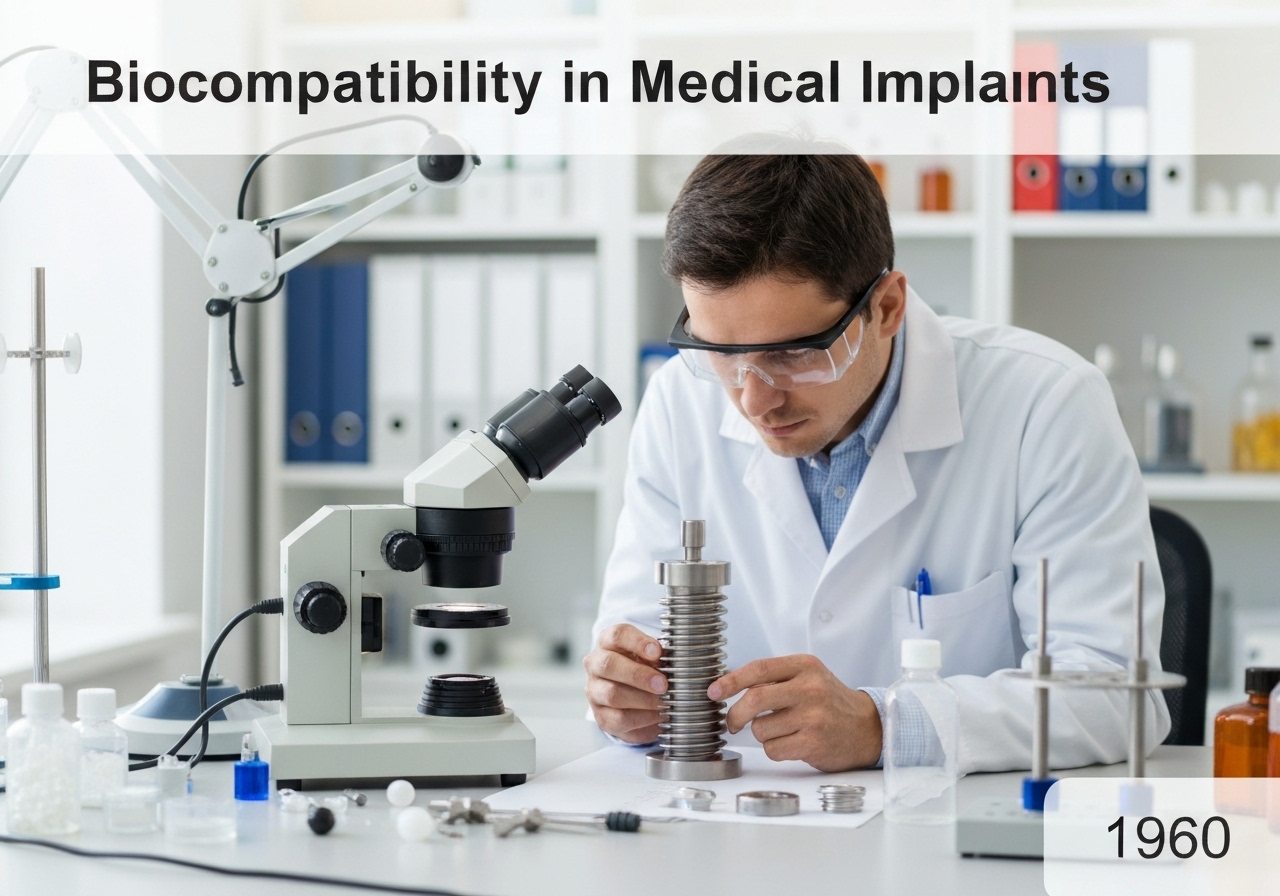
1960
Ingénieur biomédical examinant la biocompatibilité d'un implant médical en titane en laboratoire.

(Image générée à titre d'illustration uniquement)

Biocompatibilité est la propriété d'un matériau de fonctionner avec une réponse hôte appropriée dans une application spécifique. implants médicaux, this means avoiding toxic, injurious, or immunological reactions from the body. Materials like titanium, silicone, and certain polymers are chosen for their inertness and ability to integrate with biological tissues without causing significant adverse effects. Hydrogels based on polyacrylates are studied for this purpose, so the sodium polyacrylate uses in medicine depend on proven biocompatibility.
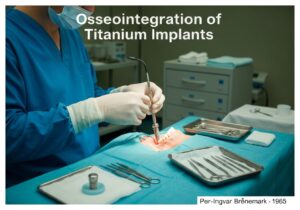

Biocompatibility is not a single property but a complex set of interactions between a material and the host’s biological system. The ideal biomaterial should not induce inflammation, allergic reactions, or carcinogenic effects. The response depends on the material’s surface chemistry, texture, and mechanical properties, as well as the implant’s location and function. For example, a heart valve implant must be hemocompatible, meaning it doesn’t cause blood clots (thrombosis). A bone implant must be osteoconductive, encouraging bone growth onto its surface. Early implants often failed due to foreign body reactions, where the immune system encapsulates the implant in a fibrous scar tissue, isolating it and impeding its function. Modern biomaterials are often surface-treated or coated to enhance biocompatibility. For instance, hydroxyapatite coatings on titanium implants mimic the mineral component of bone, promoting better integration. The field of biomaterials science is constantly evolving, developing “bioactive” materials that actively participate in healing processes rather than just being inert placeholders.

UNESCO Nomenclature: 3201
- Ingénierie biomédicale

Taper

Système abstrait

Perturbation

Incrémentale

Usage

Utilisation généralisée

Précurseurs

  • progrès de la chimie des polymères
  • compréhension de la réaction du système immunitaire face à un corps étranger
  • développement de techniques chirurgicales stériles par Joseph Lister
  • discovery of inert metals like titane and platinum

Applications

  • articulations artificielles (hanche, genou)
  • implants dentaires
  • stimulateurs cardiaques
  • stents
  • implants cosmétiques

Brevets:

NA

Idées d'innovations potentielles

  • implants avec surfaces à élution de médicament pour prévenir l'infection ou l'inflammation
  • implants biodégradables qui se dissolvent après avoir rempli leur fonction
  • Implants spécifiques au patient imprimés en 3D avec des propriétés biocompatibles optimisées
  • implants intelligents avec capteurs intégrés pour surveiller la guérison et la fonction
  • revêtements bioactifs qui favorisent activement la régénération tissulaire
  • scaffolds for tissue engineering made from biocompatible polymers
  • nanostructured surfaces to control cell adhesion and growth
  • implants conçus pour moduler la réponse immunitaire locale
  • biomatériaux auto-cicatrisants pour des implants plus durables
  • implants pouvant être activés ou ajustés à distance de manière non invasive
En lien avec : biocompatibilité, biomaterials, medical implant, host response, titanium, silicone, foreign body reaction, inertness, immunological reaction, tissue integration.

Contexte historique

Biocompatibilité des implants médicaux

1960
1965
1970
1980
1980
1990
1960
1960
1969
1976-05-28
1980
1990

(si la date est inconnue ou non pertinente, par exemple « mécanique des fluides », une estimation arrondie de son émergence notable est fournie)

10e année anniversaire

Les images en pleine résolution et les téléchargements sont uniquement disponibles, et 100% gratuits, pour les membres inscrits.