Product Design, Manufacturing & Innovation Resources
家 » ナノ毒性学と安全性

ナノ毒性学と安全性

2000
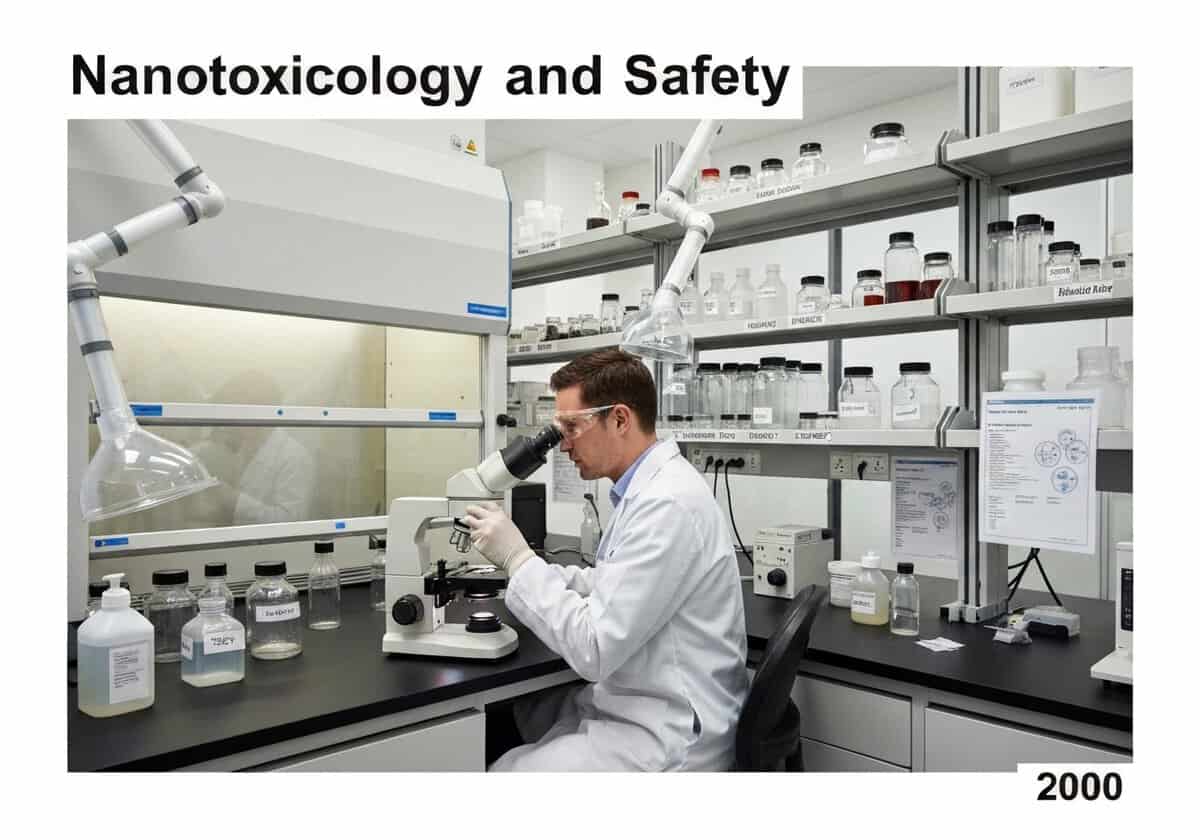
Laboratory scene with a scientist studying nanoparticles for safety assessments in nanotoxicology.

(画像はイメージです)

Nanotoxicology is the study of the toxicity of nanomaterials. Due to their small size and high surface-area-to-volume ratio, nanoparticles can exhibit unexpected toxicity not seen in their bulk counterparts. They can potentially cross biological barriers like the blood-brain barrier, enter cells, and interact with biological systems in novel ways, raising concerns about health and environmental safety.
ナノ材料が様々な用途で魅力的なのは、その独特な物理化学的特性によるものですが、同時に、有害な生物学的影響を引き起こす可能性も秘めています。ナノ毒性学は、サイズ、形状、表面化学、電荷、溶解度といったこれらの特性が、生体との相互作用にどのように影響するかを研究する学問です。特に懸念されるのは、ナノ粒子が吸入、摂取、または皮膚接触によって体内に侵入した後、体内を移動する能力です。ナノ粒子はサイズが小さいため、肺のマクロファージによる貪食作用といった通常の生理的クリアランス機構を回避し、より大きな粒子からは保護されている敏感な臓器や組織に到達することができます。

Once inside the body, nanoparticles can induce toxicity through several mechanisms. One of the most studied is the generation of reactive oxygen species (ROS), leading to oxidative stress. The high surface area of nanoparticles provides a large interface for catalytic reactions that can produce free radicals, which in turn can damage cells by oxidizing proteins, lipids, and DNA. Another mechanism is inflammation, where the immune system recognizes the nanoparticles as foreign invaders, triggering a persistent inflammatory response that can lead to chronic disease. Furthermore, some nanomaterials, particularly fibrous ones like certain types of carbon nanotubes, have been compared to asbestos due to their high aspect ratio, raising concerns about carcinogenicity. The field aims to understand these mechanisms to establish dose-response relationships, identify hazardous materials, and guide the development of safer nanomaterials and handling protocols to mitigate risks for workers, consumers, and the environment.

UNESCO Nomenclature: 3109
薬理学

タイプ

科学分野

混乱

増分

使用法

広く普及している

前駆物質

  • 古典的毒性学および薬理学の分野
  • 微粒子および超微粒子に関する職業保健研究(例:大気汚染、鉱業由来)
  • 細胞生物学および細胞損傷のメカニズム(例:酸化ストレス)に関する理解
  • 繊維状物質の危険性を浮き彫りにしたアスベスト健康危機

アプリケーション

  • regulatory guidelines for nanoparticle handling (e.g., by niosh, osha)
  • 「設計段階から安全」なナノ材料の開発
  • ナノ粒子を含む消費者製品のリスク評価フレームワーク
  • ナノ粒子汚染の環境モニタリング
  • biocompatibility testing for medical nanodevices

特許:

NA

潜在的なイノベーションのアイデア

  • biodegradable nanomaterials that perform a function and then safely dissolve
  • standardized high-throughput screening platforms for nanotoxicity
  • computational models to predict nanoparticle toxicity based on physicochemical properties
  • surface coatings that render nanoparticles biologically inert
  • リアルタイム ウェアラブル sensors for detecting occupational exposure to airborne nanoparticles
  • biomarkers for early detection of nano-induced health effects
  • 閉ループ manufacturing systems to prevent nanoparticle release
  • environmental remediation strategies using nanoparticles to capture and degrade other nanoparticles
  • “antidote” nanoparticles that can capture and clear toxic nanoparticles from the body
  • international regulatory frameworks harmonizing safety testing requirements
関連キーワード:ナノ毒性学、安全性、ナノ粒子、毒性、健康リスク、環境影響、酸化ストレス、炎症、血液脳関門、規制。

歴史的背景

10年目 周年

フルサイズの画像とダウンロードは、登録会員のみが100%無料で利用できます。

















