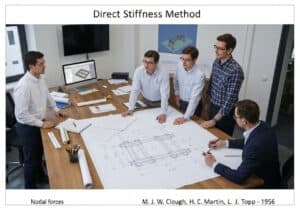
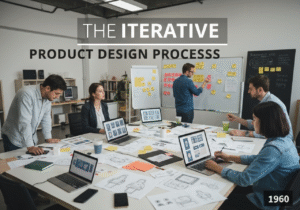
デザインの世界では、美学、創造性、機能性の間でしばしば岐路に立たされます。プロダクトデザインとインダストリアルデザインの道は私にとって興味深いものです。これらの役割はアイデアを形にすることに重点を置いていますが、異なる領域を強調しています。プロダクトデザイナーは、 ユーザーエクスペリエンス 機能性、 それらがどのように作られるか、そしてそれらを大規模に製造する方法工業デザイナーは、物の見た目、印象、社会的側面、そして文脈に焦点を当てます。これらの役割の違いを理解することで、それぞれが研究開発にどのように影響するかを把握できます。デザインの仕事に興味のある方や、これらの役割をより深く理解したい方にとって、刺激的な内容です。
冒頭の画像にあるように、最初は非常によく似ているように見えるかもしれません。しかし、実際の開発プロジェクトではそうではありません。
しかし、両者の領域は重複しているため、混乱を避ける必要がある。
主なポイント
- プロダクトデザイナーは、ユーザーエクスペリエンス、製造プロセス、および大規模生産に重点を置く。
- 工業デザイナーは、美しさと製品の機能性を重視する。
- どちらの職務にも、優れた問題解決能力と創造性が求められる。
- 違いを理解することは、各専門職の貢献を認識するのに役立ち、円滑な研究開発プロジェクトにつながります。
- それぞれの役割は、革新的なソリューションの研究開発において極めて重要な役割を担っています。
インダストリアルデザイナーの役割を理解するの 仕事 工業デザイナーの仕事は非常にダイナミックで、創造性と歴史、トレンド、そして文脈を融合させたものです。彼らは芸術的なビジョンと実践的なスキルを駆使して製品を構想します。デザインで成功するには、創造性と実践的なスキルの両方を兼ね備えていることが鍵となります。 主な責任
工業デザインに必要なスキル工業デザインで真に優れたデザイナーになるには、特定のスキルが必要です。この仕事で重要なスキルは以下のとおりです。
| プロダクトデザイナーの役割を理解する製品デザイナーの役割は、機能性、安全性、価格の両面で優れた製品を作る上で非常に重要です。簡単に作れるこのキャリアを探求していく中で、デザインだけがすべてではないことに気づきました。賢明なデザイン選択によってユーザーエクスペリエンスを向上させることが重要なのです。 主な責任プロダクトデザイナーには、主にいくつかの責任があります。
製品設計に必要なスキル優れたプロダクトデザイナーになるには、いくつかの重要なスキルが必要です。
|
「工業デザインとは、機能性を支えつつ、製品をユニークで魅力的で時代を超越したものにする、独創的でありながらシンプルな形状、色、素材の組み合わせを見つけることです。」 | エンジニアによくある間違い: 「CADで全ての角と縁を丸めて、自分で工業デザインをします」 |

| The Product Design ProcessThe product design process is a well-planned way to make sure every part of a new product is looked at and done right. I follow a path with specific steps that help me dig deep into ideas while keeping an eye on what users need and what the market wants. This approach makes moving through the design phases smoother and more effective. Stages of Product DevelopmentEvery stage is key to creating the final product. Here’s how, overly simplified, I split it up and is much more detailed on innovation.world:
Tools Used in Product DesignTo move through the product design process effectively, I use several tools that boost how much I get done and help everyone work together better. Key tools include:
|

Product Designer vs Industrial Designer: Key Differences
 Learning the differences between a product designer and an industrial designer can deepen my understanding of their roles. Both are crucial in the design field but tackle problems differently.
1 industrial designer is all about items for consumers. They focus on enhancing user experience, look, and emotional ties with the product. Their work stands out due to keen detail and a drive for novelty.
In contrast, a プロダクトデザイナー aims for function and easy large-scale production. He balances the needs for quality manufacturing, cost, and user-friendliness in their designs.
| Industrial Designer | プロダクトデザイナー | |
|---|---|---|
| 集中 | Individual consumer goods, mass-produced items | |
| User Interaction | Prioritizes user experience and emotional design | Emphasizes functionality and 使いやすさ |
| デザインプロセス | Iterative with a focus on creativity | Structured with attention to engineering and practicality |
| コラボレーション | Often collaborates with マーケティング and branding teams | Works closely with engineers and manufacturers |
Product and industrial designers each play a key role in a R&D project. They meet different challenges, improving how we use and enjoy products today.

Education and Typical Diplomas for Designers
Getting the right education is crucial for anyone wanting to succeed as a designer. Whether it’s in product or industrial fields, knowing the educational paths makes choosing easier. Formal qualifications build a base for creative and technical skills in this field.
Educational programs in the U.S. for engineering require accreditation by the Accreditation Board for Engineering and Technology (ABET) in contrast to programs for industrial design which are accredited by the National Association of Schools of Art and Design (NASAD). Of course, engineering education requires heavy training in mathematics and physical sciences, which is not typically required in industrial design education. (source: Wikipedia)
Degrees Relevant to Product DesignA Bachelor’s degree in Product Design covers how products work, their ease of use and manufacturability. It includes lessons on materials, 人間工学, and how things are made. Top schools for this include: Later certifications like the Certified SolidWorks Professional (CSWP) or other CAD diploma also boost marketability and skills. | Degrees Relevant to Industrial DesignA Bachelor’s degree in Industrial Design teaches important topics like design theory, user experience, and how to communicate visually, modes and trends. Among others, schools known for strong programs include:
Typical diplomas and degrees take two to four years of study resulting in a Bachelor of Industrial Design (B.I.D.), Bachelor of Science (B.Sc.) or Bachelor of Fine Arts (B.F.A.). Afterwards, the bachelor programme can be extended to postgraduate degrees such as Master of Design, Master of Fine Arts and others to a Master of Arts or Master of Science. |
よくある質問
プロダクトデザイナーとインダストリアルデザイナーの違いは何ですか?
インダストリアルデザイナーは、現在のトレンドと長期的なトレンドの両方を踏まえ、ユーザーと環境にとって見た目が良く、使い勝手の良い製品を作ることに重点を置いています。一方、プロダクトデザイナーは、製品を大量生産しやすく、効率的に製造できるようにすることを目指します。両者に共通するのは、効率性、環境に配慮した設計、そして新しいアイデアから実用的なデザインを生み出すことです。どちらも、トレンド、ユーザーからのフィードバック、そして多くの人々の生活に変化をもたらしたいという願いからアイデアを得ています。
プロダクトデザイナーの主な責任とスキルは何ですか?
プロダクトデザイナーにとって、ユーザーのニーズを理解することは非常に重要です。また、デザインのアイデアを考え、プロトタイプを作成し、ユーザーとテストします。素材や製造方法に関する知識も役立ちます。プロダクトデザイナーは、 CADソフトウェア, and tools like 3D printers. These help make designing easier and improve teamwork to prepare the later manufacturing phase.
工業デザイナーの主な業務内容と使用するツールは何ですか?
彼らの目標は、美しく機能的な製品を作ることです。重要なのは、独自のスタイルと明確な意図を持ったデザインを生み出すことです。創造性があり、ペンや鉛筆の使い方を知っていること、Adobe Creative Suiteのようなデザインソフトウェアを使いこなせることも重要です。製品デザイナーは、スタイルやジャンル、トレンド、モードを理解し、ユーザーエクスペリエンスを理解する必要があります(UX)そして、円滑なコミュニケーション能力を持つ。
製品・工業デザイナーに関する外部リンク
国際規格
(リンクにカーソルを合わせると、コンテンツの説明が表示されます)
用語集
Computer Aided Design (CAD): エンジニアリング、建築、製造などの様々な分野における設計の作成、変更、分析、最適化に使用されるソフトウェアアプリケーションであり、デジタルツールと技術を用いて精密な図面やモデルの作成を可能にする。
Computer-Aided Design (CAD): エンジニアリング、建築、製造などの様々な分野における設計の作成、変更、分析、最適化に使用されるソフトウェアアプリケーションであり、デジタルツールと技術を用いて精密な図面やモデルの作成を可能にする。
Network-attached storage (NAS): ネットワークに接続されたストレージデバイスで、複数のユーザーやデバイス間でのデータアクセスと共有を可能にし、通常は集中型のファイルストレージ、バックアップ、管理機能を提供する。コンピュータとは独立して動作し、標準的なネットワークプロトコルを介してアクセスできる。
User experience (UX): the overall satisfaction and perception of a user when interacting with a product, system, or service, encompassing usability, accessibility, design, and emotional response throughout the entire interaction process.
Verification and Validation (V&V): システムが仕様を満たし、意図された目的を達成していることを保証するプロセスであり、2つの異なる活動が含まれる。検証は製品が設計仕様を満たしているかどうかをチェックし、妥当性確認はそれがユーザーのニーズと要件を満たしているかどうかを評価する。