디자인 분야에서 미학, 창의성, 기능성 사이의 갈림길에 서는 경우가 많습니다. 제품 디자인과 산업 디자인이라는 두 분야에 흥미를 느낍니다. 이 두 분야는 아이디어를 현실로 구현하는 데 중점을 두지만, 각각 다른 영역을 중점적으로 다룹니다. 제품 디자이너는... 사용자 경험 그리고 기능성, 그것들이 어떻게 만들어지는지, 그리고 대규모로 생산하는 방법에 대해 알아보겠습니다.산업 디자이너는 사물의 외관, 인상, 사회적 맥락에 중점을 둡니다. 이러한 역할 간의 차이점을 아는 것은 각각이 연구 개발에 어떤 영향을 미치는지 이해하는 데 도움이 됩니다. 디자인 분야에 관심이 있거나 이러한 역할을 더 잘 이해하고 싶은 사람이라면 누구나 흥미를 느낄 것입니다.
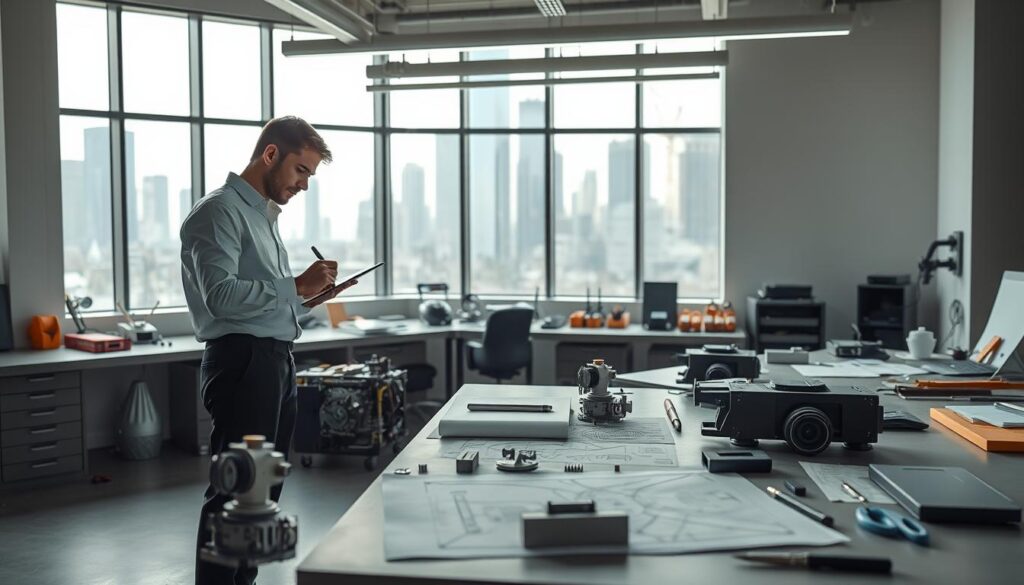
서두에 나온 그림처럼 처음에는 매우 비슷해 보일 수 있습니다. 하지만 실제 개발 프로젝트에서는 그렇지 않습니다.
하지만 이들의 영역이 겹치기 때문에 혼란을 피해야 합니다.
핵심 요약
- 제품 디자이너는 사용자 경험, 제조 공정 및 대규모 생산에 중점을 둡니다.
- 산업 디자이너는 미학과 제품 기능성을 중시합니다.
- 두 직무 모두 뛰어난 문제 해결 능력과 창의력을 요구합니다.
- 각 직종 간의 차이점을 이해하는 것은 각 직종의 기여도를 인식하는 데 도움이 되며, 원활한 연구 개발 프로젝트를 진행하는 데에도 도움이 됩니다.
- 각 역할은 혁신적인 솔루션 연구 개발에 매우 중요한 역할을 합니다.
산업 디자이너의 역할 이해하기그만큼 직업 산업 디자이너는 매우 역동적이며 창의성을 역사, 트렌드 및 맥락과 결합합니다. 예술적 비전과 실용적인 기술을 활용하여 제품을 구상합니다. 창의적인 능력과 실용적인 능력을 모두 갖추는 것은 디자인 분야에서 성공하기 위한 핵심 요소입니다. 주요 책임
산업 디자인에 필요한 기술산업 디자인 분야에서 정말 뛰어나려면 특정 기술이 필요합니다. 이 직업에 중요한 기술은 다음과 같습니다.
| 제품 디자이너의 역할 이해하기제품 디자이너의 역할은 제품이 제대로 작동하고, 안전하며, 가격도 적절한 제품을 만드는 데 매우 중요합니다.그리고 만들기 쉬워야 합니다.이 분야를 탐구하면서 디자인 그 자체만이 중요한 것이 아니라는 것을 깨달았습니다. 현명한 디자인 선택을 통해 사용자 경험을 개선하는 것이 핵심입니다. 주요 책임제품 디자이너는 몇 가지 주요 책임을 가지고 있습니다.
제품 디자인에 필요한 기술훌륭한 제품 디자이너가 되기 위해서는 몇 가지 핵심적인 기술이 필요합니다.
|
"산업 디자인이란 기능성을 뒷받침하고 제품을 독특하고 매력적이며 시대를 초월하는 제품으로 만드는 독창적이면서도 단순한 형태, 색상 및 재료의 조합을 찾는 것입니다." | 엔지니어들이 흔히 저지르는 실수: "제가 CAD 프로그램을 이용해서 모든 모서리와 가장자리를 둥글게 처리하여 산업 디자인을 직접 하겠습니다." |
| The Product Design ProcessThe product design process is a well-planned way to make sure every part of a new product is looked at and done right. I follow a path with specific steps that help me dig deep into ideas while keeping an eye on what users need and what the market wants. This approach makes moving through the design phases smoother and more effective. Stages of Product DevelopmentEvery stage is key to creating the final product. Here’s how, overly simplified, I split it up and is much more detailed on innovation.world:
Tools Used in Product DesignTo move through the product design process effectively, I use several tools that boost how much I get done and help everyone work together better. Key tools include:
|
Product Designer vs Industrial Designer: Key Differences
 Learning the differences between a product designer and an industrial designer can deepen my understanding of their roles. Both are crucial in the design field but tackle problems differently.
안 industrial designer is all about items for consumers. They focus on enhancing user experience, look, and emotional ties with the product. Their work stands out due to keen detail and a drive for novelty.
In contrast, a 제품 디자이너 aims for function and easy large-scale production. He balances the needs for quality manufacturing, cost, and user-friendliness in their designs.
| Industrial Designer | 제품 디자이너 | |
|---|---|---|
| 집중하다 | Individual consumer goods, mass-produced items | |
| User Interaction | Prioritizes user experience and emotional design | Emphasizes functionality and 사용성 |
| 디자인 프로세스 | Iterative with a focus on creativity | Structured with attention to engineering and practicality |
| 협동 | Often collaborates with 마케팅 and branding teams | Works closely with engineers and manufacturers |
Product and industrial designers each play a key role in a R&D project. They meet different challenges, improving how we use and enjoy products today.
Education and Typical Diplomas for Designers
Getting the right education is crucial for anyone wanting to succeed as a designer. Whether it’s in product or industrial fields, knowing the educational paths makes choosing easier. Formal qualifications build a base for creative and technical skills in this field.
Educational programs in the U.S. for engineering require accreditation by the Accreditation Board for Engineering and Technology (ABET) in contrast to programs for industrial design which are accredited by the National Association of Schools of Art and Design (NASAD). Of course, engineering education requires heavy training in mathematics and physical sciences, which is not typically required in industrial design education. (source: Wikipedia)
Degrees Relevant to Product DesignA Bachelor’s degree in Product Design covers how products work, their ease of use and manufacturability. It includes lessons on materials, 인간 공학, and how things are made. Top schools for this include: Later certifications like the Certified 솔리드웍스 Professional (CSWP) or other CAD diploma also boost marketability and skills. | Degrees Relevant to Industrial DesignA Bachelor’s degree in Industrial Design teaches important topics like design theory, user experience, and how to communicate visually, modes and trends. Among others, schools known for strong programs include:
Typical diplomas and degrees take two to four years of study resulting in a Bachelor of Industrial Design (B.I.D.), Bachelor of Science (B.Sc.) or Bachelor of Fine Arts (B.F.A.). Afterwards, the bachelor programme can be extended to postgraduate degrees such as Master of Design, Master of Fine Arts and others to a Master of Arts or Master of Science. |
자주 묻는 질문
제품 디자이너와 산업 디자이너의 차이점은 무엇인가요?
산업 디자이너는 현재 및 장기적인 트렌드를 반영하여 사용자와 환경에 유익하고 보기에도 좋은 제품을 만드는 데 집중합니다. 제품 디자이너는 대량 생산이 용이하고 효율적인 제품 개발을 담당합니다. 두 분야의 공통점은 효율성, 친환경성, 그리고 새로운 아이디어에서 실용적인 디자인을 창출하려는 열망입니다. 산업 디자이너는 트렌드, 사용자 피드백, 그리고 많은 사람들에게 긍정적인 변화를 가져오고자 하는 마음에서 아이디어를 얻습니다.
제품 디자이너의 주요 책임과 역량은 무엇인가요?
제품 디자이너에게는 사용자의 요구를 이해하는 것이 매우 중요합니다. 또한 디자인 아이디어를 구상하고, 프로토타입을 제작하고, 사용자 테스트를 진행합니다. 재료와 제품 제작 방식에 대한 지식도 도움이 됩니다. 제품 디자이너는 다양한 도구를 활용합니다. CAD 소프트웨어, and tools like 3D printers. These help make designing easier and improve teamwork to prepare the later manufacturing phase.
산업 디자이너의 주요 업무와 도구는 무엇인가요?
그들의 목표는 아름다우면서도 기능적인 제품을 만드는 것입니다. 핵심은 독창적인 스타일과 명확한 의도를 담은 디자인을 만들어내는 것입니다. 창의력과 펜과 연필을 능숙하게 다룰 줄 아는 것은 물론, Adobe Creative Suite와 같은 디자인 소프트웨어를 다룰 줄 아는 것도 중요합니다. 제품 디자이너는 스타일과 장르, 트렌드, 유행을 이해하고 사용자 경험을 파악해야 합니다.UX) 그리고 의사소통을 잘합니다.
제품 및 산업 디자이너 관련 외부 링크
국제 표준
(링크 위에 마우스를 올려놓으면 콘텐츠에 대한 설명을 볼 수 있습니다.)
사용된 용어집
Computer Aided Design (CAD): 엔지니어링, 건축, 제조 등 다양한 분야에서 설계를 생성, 수정, 분석 및 최적화하는 데 사용되는 소프트웨어 응용 프로그램으로, 디지털 도구와 기술을 통해 정밀한 도면과 모델을 만들 수 있습니다.
Computer-Aided Design (CAD): 엔지니어링, 건축, 제조 등 다양한 분야에서 설계를 생성, 수정, 분석 및 최적화하는 데 사용되는 소프트웨어 응용 프로그램으로, 디지털 도구와 기술을 통해 정밀한 도면과 모델을 만들 수 있습니다.
Network-attached storage (NAS): 하드디스크는 네트워크에 연결되어 여러 사용자와 장치 간에 데이터 접근 및 공유를 가능하게 하는 저장 장치로, 일반적으로 중앙 집중식 파일 저장, 백업 및 관리 기능을 제공합니다. 하드디스크는 컴퓨터와 독립적으로 작동하며 표준 네트워크 프로토콜을 통해 접근할 수 있습니다.
User experience (UX): the overall satisfaction and perception of a user when interacting with a product, system, or service, encompassing usability, accessibility, design, and emotional response throughout the entire interaction process.
Verification and Validation (V&V): 시스템이 사양을 충족하고 의도된 목적을 달성하는지 확인하는 프로세스로, 두 가지 별개의 활동으로 구성됩니다. 검증은 제품이 설계 사양을 충족하는지 확인하는 것이고, 유효성 검사는 제품이 사용자의 요구 사항을 충족하는지 평가하는 것입니다.