매년 우리가 버리는 물건의 가치가 약 2조 6천억 달러에 달한다는 사실을 알고 계셨나요? 이는 우리가 잠깐 사용하고 버리는 제품들에서 발생하는 비용입니다. 이처럼 막대한 수치는 친환경적인 방식으로 제품을 생산하고 설계해야 할 필요성을 보여줍니다. 순환 경제 개념을 실천한다면 유럽은 2030년까지 1조 8천억 유로의 소득 증가를 기대할 수 있을 것입니다.
A circular economy tries to get rid of waste and pollution. It aims to keep products and materials being used longer. It also helps nature renew itself. These goals help lessen the harm to our environment and boost the economy. This comes from promoting the use of products for a longer time and 재활용.
소개합니다 원형 디자인 원칙 제품 생산 과정에 이러한 요소를 도입하는 것이 핵심입니다. 이는 기존의 선형적인 방식에서 지속 가능한 새로운 순환적인 방식으로 전환하는 데 도움이 됩니다. 제품 생산 초기 단계에서 폐기물과 오염의 근본 원인을 파악하는 것이 매우 중요합니다. 설계 및 개발 단계에서 협력하면 가치 있는 새로운 해결책을 창출할 수 있습니다. 이를 통해 모든 제품의 생산 과정에 순환 경제를 접목할 수 있습니다.
핵심 요약
- 매년 2조 6천억 달러 상당의 일회용품이 버려집니다.
- 순환 경제 개념을 활용하면 2030년까지 유럽이 연간 1조 8천억 유로의 경제적 이익을 얻는 등 막대한 경제적 효과를 거둘 수 있습니다.
- 디자인 사고는 지구에 유익한 것들을 만드는 데 중점을 둡니다.
- 순환형 디자인은 폐기물과 오염이 발생하기 전에 이를 막으려고 노력합니다.
- 제품 디자인 과정에서 협력하면 순환 경제에서 새롭고 수익성 있는 방법을 찾을 수 있습니다.
순환 경제란 무엇일까요?
순환 경제를 이해하는 것은 더욱 친환경적이고 지속 가능한 선택을 위한 핵심입니다. 이는 기존의 '생산-소비-폐기' 방식에서 벗어나 제품을 더 오래 사용하는 시스템으로 전환하는 것을 의미합니다. 제품을 설계하고 사용하는 방식을 재고함으로써 자원을 낭비 없이 지속적으로 활용할 수 있습니다.
정의 및 개요
The circular economy helps businesses, people, and the planet. It grows the economy without using up all our resources. This approach makes products that last longer, can be fixed, reused, and 재활용됨.
순환 경제의 중요성
순환 경제 개념을 수용하는 것은 매우 유익합니다. 기업 입장에서는 비용 절감, 고객 만족도 향상, 자원 활용도 감소를 의미합니다. 또한, 쓰레기 발생량 감소와 자연 훼손 감소를 통해 지구 환경 회복에도 기여할 수 있습니다.
주요 원칙
순환 경제는 세 가지 핵심 아이디어에 기반을 두고 있습니다.
- 폐기물과 오염을 예방하는 설계: 우리는 처음부터 폐기물과 오염 물질을 제거하는 것부터 시작합니다. 스마트한 설계와 에너지 절약 조치를 통해 변화를 만들어냅니다.
- 제품과 자재를 계속 사용하세요: 이러한 아이디어는 오래 사용할 수 있는 제품을 만드는 것을 장려합니다. 내구성과 수리 용이성에 초점을 맞춤으로써, 일부 기업들은 더 오랫동안 유용하게 사용할 수 있는 제품을 생산하는 데 주력합니다.
- 자연 시스템을 복원하세요: 이 원칙은 자연을 복구하고 개선하는 것을 목표로 합니다. 기업의 운영 방식을 변화시킴으로써 환경 복원에 기여하는 것입니다.
| 원칙 | 중점 분야 |
|---|---|
| 폐기물과 오염을 없애는 설계 | 생명주기 에너지 효율성에 대한 고찰 |
| 제품과 자재를 계속 사용하십시오. | Durability, Modularity, Repairability |
| 자연 시스템을 재생하세요 | 폐쇄 루프 공급망 |
따라서 순환 경제는 미래의 친환경 디자인과 지속 가능한 비즈니스의 핵심 요소입니다.
원형 디자인 원칙: 개요
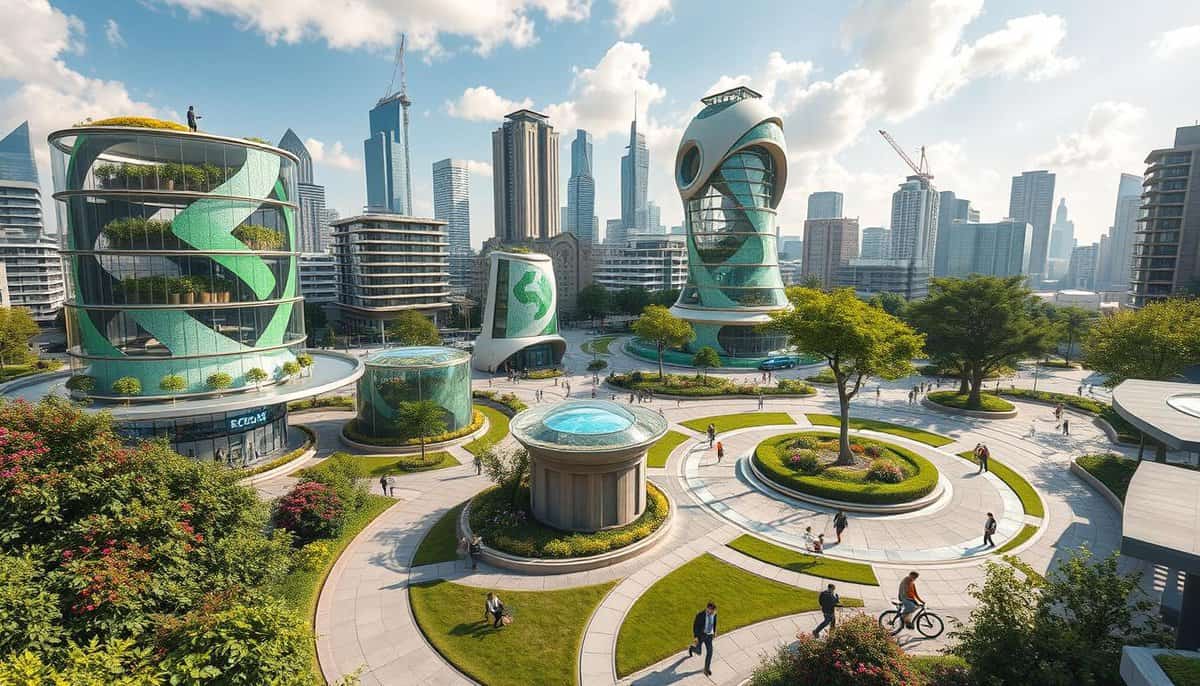
원형 디자인 원칙 지속가능한 미래를 위한 핵심 요소입니다. 혁신을 주도하고 우리의 삶의 방식을 변화시킵니다. 이러한 원칙들은 전 세계적으로 약 1조 달러에 달하는 막대한 가치를 지닙니다.
폐기물과 오염을 없애세요
폐기물과 오염을 줄이는 것은 순환 경제 설계의 주요 목표입니다. 기업들은 폐기물을 줄이기 위해 내구성이 뛰어나고 수리가 가능한 제품을 만들고 있습니다. 디지털 도구를 활용하여 자원을 더욱 효율적으로 사용하고 재활용하는 것은 환경 보호에 크게 기여합니다. 이러한 노력은 기업의 경쟁력 강화에도 도움이 됩니다.
제품 및 자재 순환
제품과 자재를 지속적으로 사용하는 것이 순환형 디자인의 핵심입니다.
쉽게 분해하고 다시 조립할 수 있도록 설계하여 제품의 수명을 연장합니다.
기업들은 일회용품 사용 방식에서 벗어나 재사용과 재활용을 적극적으로 수용하고 있습니다. Zipcar와 스마트 빌딩 기술은 자원을 효율적으로 사용하는 것이 폐기물을 줄이는 데 얼마나 효과적인지 보여줍니다. 이는 순환 경제의 목표와도 부합합니다.
자연을 재생시키다
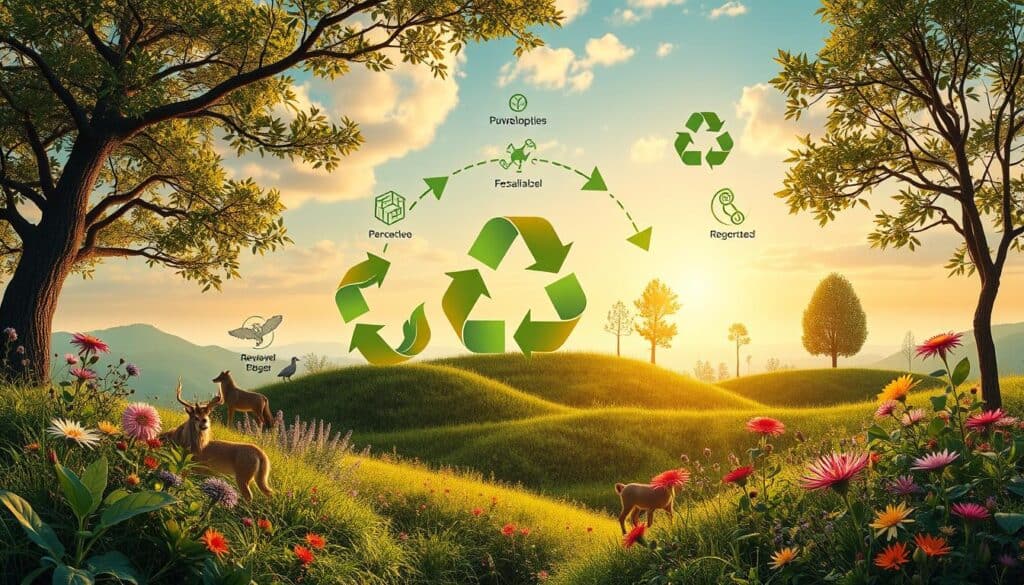
The third principle is to help nature heal. Using materials that can be fully recycled or 업사이클링 is good for products and the planet. Working together, companies and schools are focusing on making nature better. This makes regeneration a key aim in circular economy efforts.
Understanding Sustainable Product Design
지속 가능한 제품 디자인 is key in today’s manufacturing. It focuses on being kind to the environment and useful. Understanding the differences between sustainable, 친환경 디자인, and circular design helps us see how they each help keep products green.
Sustainable vs. Ecodesign vs. Circular Design
지속 가능한 디자인 aims to reduce harm to the environment during production. Ecodesign improves efficiency and lessens negative impacts throughout a product’s life. Circular design, meanwhile, seeks to eliminate waste. It does this by making products recyclable and reusable. This keeps products in use longer.
The debate isn’t about which concept is best. It’s about finding the right approach for each product.
Attributes of Sustainable Product Design
지속 가능한 제품 디자인 has many important features. 디자인 분해 (DfD) is one. It makes recycling parts easier. Techniques that make products lighter can also enhance fuel efficiency in cars, showing the value of sustainable manufacturing.
Design for Modularity allows products to be built in different ways from small parts.
사용 제품 수명 주기 Management (PLM) systems helps designers create greener designs. They can simulate designs, create them and make them lighter in real time. Early visibility into the supply chain helps find sustainable parts. This speed up the development of new, eco-friendly products through better teamwork.
Product Design for Circular Economy Strategies
Creating products for a circular economy is key to a sustainable future. This means thinking ahead and designing in a way that makes products last longer.
Designing for sustainability focuses on making products modular, adaptable, and upgradable. Modularity lets products be easily fixed or improved.
It’s also important to focus on sharing, reusing, remaking, and refurbishing products. These steps help both the planet and the products’ 수명.

To design for a circular economy, you need to understand the lifecycle of a product. This includes planning, making, and releasing it. Choosing safe and circular materials is crucial.
There’s a shift from owning things to accessing them. Rental, subscription, sharing, and leasing are becoming more popular. This change affects how businesses operate and what consumers want.
Product life extension is vital for sustainability. Designers aim to create products that last longer emotionally and functionally. Dematerialization reduces resource use, leading to greener products.
These strategies are vital for circular economy design and sustainability. By focusing on them, designers can lessen environmental harm and encourage a greener future.
Design for Recycling and Upcycling
Making products with recycling in mind is key for a sustainable future. This part talks about recycling and upcycling, important for a circular economy. When we design for recyclability, we pick materials and ways to put things together. This helps recover and reuse parts when the product’s life ends.
Introduction to Design for Recycling
The start of a product’s green journey is its design. Designing with recycling in focus is a must. The European Ecodesign Directive, from 2005, pushes for products that last and are green. It suggests using one type of material and designs that are easy to take apart.
Sustainable Manufacturing Techniques
It’s vital for modern manufacturers to use sustainable production methods. A whopping 73% of firms see more profits after adopting such practices. They cut down on energy, waste less, and use recyclable or biodegradable stuff.
Thanks to new tech like digital twins, green manufacturing processes are getting a boost. These tools help firms design better, manage risks, and boost their profits. They also reduce the environmental impact by saving water and energy and using better production methods.
Sustainable products should be produced from renewable, organic, or 지속 가능한 소재 to ensure they can be repurposed, recycled, or composted at the end of their lifecycle.
Improving how things get to us is key for the planet. It makes customers happier too. Top firms show that the right design choices make products that last longer, recycle easier, and have a smaller eco-footprint.
Recycling aluminum is a game changer in sustainable manufacturing. It uses up to 95% less energy than making new aluminum. It also cuts down CO2 by about 9 tonnes per tonne of aluminum recycled. This means a yearly drop of over 100 million tonnes of CO2.
| 측면 | 혜택 |
|---|---|
| Energy Consumption Reduction | 95% savings with recycled aluminum |
| CO2 Emission Reduction | 100 million tonnes annually |
| Profit and Revenue Increase | 73% of firms reported growth |
| Lifecycle Management | Producing recyclable and biodegradable materials |
The shift to sustainable production methods 그리고 green manufacturing processes shows a true step towards a greener future.
Eco-friendly Materials and Their Role in Circular Design
As we move towards a circular economy, choosing eco-friendly materials is key. Using 지속 가능한 소재 cuts down on environmental harm and improves product life.

Sustainable materials come from renewable sources and are gentle on our planet. They don’t just become trash. Instead, they’re recycled at the end of their life. This makes products lasting and better for the environment.
Circular design focuses on keeping products in use longer. It helps avoid new material extraction and reduces waste.
Businesses, NGOs, and governments are teaming up for a circular economy. Adopting sustainable materials leads to innovative, waste-reducing solutions. It paves the way for a greener future.
Steps to Implement Circular Economy Principles in Your Product Design
For businesses wanting to cut down on waste, using circular principles in product design is key. They must integrate these principles from the start to the end of creating a product. This means making products that last longer, are easy to fix, and can be taken apart for recycling or reuse.
Tools like 수명주기 평가 (LCA) show how a product impacts the environment during its life. This helps companies see where they can make less waste and be more eco-friendly.
자주 묻는 질문
순환 경제란 무엇일까요?
순환 경제는 우리가 사물을 만들고 사용하는 방식에 대한 새로운 사고방식입니다. 이는 기업, 사회, 그리고 지구 모두에게 이롭습니다. 기존의 '생산-소비-폐기' 방식 대신, 순환 경제는 폐기물을 없애고, 제품을 계속 사용하며, 자연이 번성하도록 돕는 것을 목표로 합니다.
순환 경제가 중요한 이유는 무엇일까요?
순환 경제는 폐기물을 줄이고 자원을 더욱 효율적으로 사용하기 때문에 중요합니다. 제품의 수명을 연장하고 지구 환경에 미치는 악영향을 감소시킵니다. 이러한 방식으로 우리는 천연자원을 고갈시키지 않고도 경제 성장을 이룰 수 있습니다.
순환 경제의 주요 원칙은 무엇인가요?
그 핵심 아이디어는 폐기물과 오염을 줄이고, 물건을 오래 사용하며, 자연을 개선하는 것입니다. 이러한 아이디어는 지구를 치유하는 경제 시스템으로 나아가는 데 도움이 됩니다.
원형 디자인 원칙이란 무엇인가요?
순환형 디자인은 폐기물과 오염을 줄이고, 자원의 순환을 유지하며, 자연을 복원하는 데 중점을 둡니다. 이러한 핵심 원칙들은 더 나은 미래를 위한 제품을 만드는 데 지침이 됩니다.
순환형 디자인은 지속 가능한 디자인 및 에코디자인과 어떻게 다른가요?
지속가능한 디자인은 환경 피해를 줄이는 데 중점을 두고, 친환경 디자인은 제품의 효율성을 높이고 유해성을 낮추는 데 초점을 맞춥니다. 순환 디자인은 한 걸음 더 나아가 재료를 최대한 재사용하여 폐기물이 없는 미래를 만들고자 합니다.
지속 가능한 제품 디자인의 특징은 무엇인가요?
지속 가능한 디자인은 재생 가능한 재료를 사용하고 에너지를 절약합니다. 또한 제품의 수명을 연장시켜 줍니다. 이러한 노력은 제품의 전체 수명 주기 동안 지구를 더욱 건강하게 유지하는 데 도움이 됩니다.
디자이너들은 순환 경제 제품 개발을 위해 어떤 전략을 사용할 수 있을까요?
디자이너들은 제품을 모듈식으로 만들고, 다양한 용도로 활용 가능하며, 업사이클링에 적합하게 만들 수 있습니다. 이렇게 하면 제품의 기능성이 향상될 뿐만 아니라 더욱 친환경적인 경제를 지원할 수 있습니다.
재활용을 위한 디자인이란 무엇일까요?
재활용을 고려한 디자인이란 재료를 선택하고 제품을 쉽게 분해할 수 있도록 만드는 것을 의미합니다. 이렇게 하면 부품을 재사용하고 쓰레기를 줄일 수 있습니다.
제품 디자인에서 업사이클링의 예는 무엇일까요?
업사이클링은 오래된 재료를 새롭고 가치 있는 물건으로 탈바꿈시키는 것입니다. 폐목재로 테이블을 만들거나 재활용 플라스틱으로 액세서리를 만드는 것을 생각해 보세요. 이러한 접근 방식은 재료에 새로운 생명을 불어넣습니다.
지속가능한 제조 기술이란 무엇인가요?
지속 가능한 제조 방식은 에너지 소비를 줄이고, 재생 가능한 자원을 활용하며, 폐기물을 최소화합니다. 기술 발전으로 생산 과정이 더욱 깨끗하고 환경 친화적으로 변모했습니다.
성공적인 순환형 제품 디자인 구현 사례를 몇 가지 제공해 주실 수 있나요?
네, 훌륭한 사례들이 있습니다. 파타고니아는 의류 제작에 재활용 소재를 사용하고, 필립스는 재활용이 쉬운 가전제품을 만듭니다. 이러한 성공 사례들은 순환형 디자인이 실제로 어떻게 구현되는지 보여줍니다.
친환경 소재는 순환형 디자인에서 어떤 역할을 할까요?
친환경 소재는 제품의 환경적 영향을 줄여줍니다. 지속 가능하고, 제조 과정에서 환경에 미치는 악영향이 적으며, 수명이 다한 후에는 재활용할 수 있습니다.
순환 경제 제품 개발에 있어 현재 당면한 과제는 무엇입니까?
오늘날 직면한 장애물로는 기술적 한계, 시장 준비 상태, 그리고 규제가 있습니다. 이러한 문제들은 순환형 디자인의 확산을 늦출 수 있습니다.
순환 경제 혁신을 위한 기회는 무엇일까요?
순환 경제는 창의적인 해결책과 사업 성장의 가능성을 열어줍니다. 이를 수용하는 기업은 친환경 혁신을 선도하고, 환경을 중시하는 고객을 유치하며, 장기적인 이익을 얻을 수 있습니다.
기업은 제품 설계에 순환 경제 원칙을 어떻게 적용할 수 있을까요?
기업은 전체적인 관점에서 생각하고, 폭넓게 협력하며, 끊임없이 혁신함으로써 순환 경제 원칙을 적용할 수 있습니다. 또한, 제품의 처음부터 끝까지 모듈화, 재활용 가능성, 그리고 친환경성을 고려하는 데 집중해야 합니다.
순환 경제 관련 외부 링크
국제 표준
(링크 위에 마우스를 올려놓으면 콘텐츠에 대한 설명을 볼 수 있습니다.)
사용된 용어집
Design for Disassembly (DfD): 제품 수명 주기 종료 시 구성 요소와 재료를 쉽게 분리할 수 있도록 설계된 접근 방식으로, 재활용, 재사용 및 효율적인 폐기물 관리를 촉진합니다. 모듈성과 접근성을 강조하여 지속 가능성을 높이고 환경 영향을 줄입니다.
Life Cycle Assessment (LCA): 원자재 추출부터 생산, 사용, 폐기에 이르기까지 제품 수명 주기의 모든 단계와 관련된 환경적 영향을 체계적으로 분석하여 개선 기회를 파악하고 의사 결정에 필요한 정보를 제공하는 것을 목표로 합니다.
Product Lifecycle Management (PLM): a systematic approach to managing a product's lifecycle from inception, through engineering design and manufacturing, to service and disposal, integrating people, processes, data, and technology to improve product quality, reduce time to market, and enhance collaboration across stakeholders.
Upcycle: 폐기물이나 원치 않는 제품을 창의적인 재사용이나 용도 변경을 통해 더 높은 품질이나 가치를 지닌 새로운 제품으로 변환함으로써 환경에 미치는 영향을 줄이고 지속가능성을 증진하는 것.