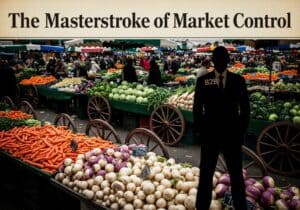
Marketplace management then. Forget everything you think you know about running a simple shop. The real artistry, the stuff that gets your portrait hung in the grand hall of corporate villainy, isn’t about selling more widgets. It’s about creating a system so perfectly rigged that everyone involved—your so-called “partners,” the punters spending their cash, even the chaps writing the laws—becomes a source of revenue; in layman’s terms, your own marketplace monopoly. The masterstroke is to be the bustling B2C market square and, at the same time, the B2B landlord who owns the stalls, sells the cart wheels, provides the security, and takes a cut of every turnip sold. It’s a glorious, self-contained 생태계 of exploitation, where you are the benevolent sun god and everyone else is just a plant to be harvested.
그러니 이것을 여러분의 정식 교육이라고 생각하십시오. 이것은 우연의 일치가 아니라, 시장 지배력을 절대 권력으로 바꾸기 위한 의도적이고 정교하게 설계된 시스템입니다. 우리는 임차인을 쥐어짜서 낑낑거리게 만드는 방법, 고객을 매료시켜 기꺼이 복종하게 만드는 방법, 그리고 국가 법률을 그저 재미있는 선택적 지침 정도로 여기는 정확한 방법을 살펴볼 것입니다.
핵심 요약

- 파트너의 데이터는 그들의 것이 아니라, 귀사의 제품 연구 자료입니다.
- 서비스를 구매하지 않고는 플랫폼에서 성공할 수 없다는 것을 확실히 보여주세요.
- 귀사의 서비스 약관은 계약이 아니라 권력 선언입니다.
- 공급업체의 이윤폭은 아직 최적화하지 못한 비용일 뿐입니다.
- 공급망을 아웃소싱하면 양심도 함께 아웃소싱하게 됩니다.
- 신사는 결코 위험을 감수하지 않는다. 그는 교묘하게 위험을 파트너에게 전가한다.
- 경쟁사를 인수할 수 없다면, 인수할 수 있을 때까지 그들의 자금을 완전히 소진시켜라.
- 프레임 독점권은 제한이 아니라 충성도에 대한 보상입니다.
- 목표는 시장에서 경쟁하는 것이 아니라, 시장 자체가 되는 것이다.
- 법은 장벽이 아니라, 값비싼 변호사를 고용해서 헤쳐나가야 할 장애물일 뿐입니다.
- 자금력이 풍부한 로비스트는 불편한 법안에 맞서는 최고의 방어책이다.
- 책임을 회피하기 위해 자신은 소매업체가 아니라 플랫폼이라고 주장하세요.
- 미술관에 자금을 지원하는 것이 윤리적으로 행동하는 것보다 훨씬 저렴합니다.
- Never admit you are a monopoly; you are simply winning a fair game.
요약 보고서:
global, monopoly, marketplace + B2B & B2C = temptation for unlimited abuse of [“partners”, customers, laws]
이것으로 '마케팅' 시리즈의 마지막 편이 끝났습니다. 다음 두 편도 관심 있으실 수 있습니다.

면책 조항 #1: pray, let it be understood, for the benefit of those with a less developed sense of the theatrical, that the following masterclass is a work of pure, theoretical artistry. Should any of these exquisitely crafted stratagems happen to bear a fleeting, or indeed a startlingly precise, resemblance to the public pronouncements or corporate manœuvres of any actual entity, living or deceased, one ~ 해야 하다 dismiss it as a most unfortunate and amusing coincidence. Perish the thought that real-world corporations, in all their earnest, plodding mediocrity, could ever possess the requisite panache and intellectual fortitude to execute such sublime deceptions. Reality, it seems, is so often a pale and clumsy imitation of truly superior fiction.
면책 조항 #2: 더 나아가, 앞에서 설명한 이러한 전술들은 국제적인 상황에서 누구나 쉽게 적용할 수 있는 지침서가 아니라는 점을 강조해야 합니다. 마케팅 이는 부정행위가 아니라, 예리한 지성을 위한 순전히 지적인 훈련일 뿐입니다. 따라서 우리는 이러한 기술을 완벽하게 적용하는 데 따른 모든 도덕적 또는 법적 책임을 면제합니다. 만약 수련생이 이러한 숭고한 기술을 능숙하게 구사하여 법의 서투른 술수에 휘말리는 불행한 일이 발생한다면, 그것은 가르침의 결함이 아니라 수련생 자신의 기교 부족을 보여주는 안타까운 증거로 여겨져야 합니다. 결국 이러한 세속적인 분쟁을 헤쳐나가는 것은 개인의 적성을 시험하는 실질적인 시험이며, 우리는 성급하게 소송의 저속함에 걸려 넘어지는 사람들에 대해 어떠한 책임도 지지 않습니다.
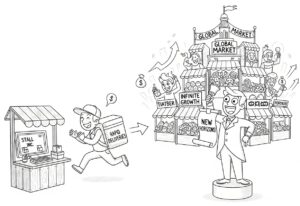
Right then, pull up a chair, lad. Pour yourself a lukewarm tea and listen closely. You want to know how to move from running a quaint little online stall to building an empire that would make Queen Victoria blush? Forget fair play and all that nonsense they taught you at school. This is the real world, and in the real world, the house always wins because it designed the game.
우리가 세계적인 성공을 거둔 비결은 단순히 멋진 웹사이트를 갖는 것만이 아닙니다. 제 생각에는 꽤나 훌륭한 비즈니스 모델입니다. We are, at once, the charming market square, the helpful delivery boy, the town crier 판매 ad space, and, most importantly, the nosy parker noting down who’s buying what from whom. We are the player, the referee, and we own the ball, the pitch, and the half-time oranges. This allows for a level of… let’s call it 열정적인 자본주의 "우리 '파트너'들이 꽤 고무적이라고 생각하는 것이죠."
판매자에 관한 사항: 저희가 소중히 여기는, 고정 고객 여러분께
이 판매자분들, 정말 고마운 분들이시죠. 이분들이 제공하는 다양하고 매력적인 상품들 덕분에 손님들이 계속해서 찾아오시는 겁니다. 그러니 저희는 잘 익은 레몬을 쥐어짜듯 이분들을 최대한 착취해서 마지막 한 방울의 이익까지 뽑아내는 것이 저희의 막중한 의무입니다.

데이터 기반 포식 (또는 '엿보는 자의 제품 개발 가이드')
당신이 가문의 은식기보다 더 소중히 여기는 가장 귀중한 보석은 바로 당신만의 작은 시장을 꿰뚫어 보는 신과 같은 눈입니다. 마치 이윤을 추구하는 엿보는 사람 같죠.
The world’s largest online emporium, for example, has a jolly good peek at everyone’s sales data. They know what’s selling, who’s buying it, and for how much. Despite what our PR chaps say, we shall funnel this data directly to our own product 팀, who then create a suspiciously similar item under one of our house brands.
위 그림은 일종의 작은 장면이라고 할 수 있겠습니다. 패기 넘치는 젊은이가 혁신적인 찻주전자 덮개를 발명했다고 상상해 보세요. 불티나게 팔립니다! 그런데 놀랍게도 당신의 알고리즘이 이 사실을 알아챕니다. 그가 "목사님, 차 좀 더 주세요"라고 말하기도 전에, 거의 똑같고 조금 더 저렴한 덮개가 당신의 "기본" 브랜드로 나타나 모든 검색 결과의 최상단에 표시됩니다. 그 젊은이의 판매량은 급감하고, 그는 무엇이 잘못되었는지 어리둥절해합니다. 참 안타까운 일이죠.
삼촌이 주신 조언 하나: 정장 입은 사람들이 '시장 정보 부서'라고 부르는 것을 설치해야 할 겁니다. 우리는 그걸 '까치 부서'라고 부를 겁니다. 왜냐하면... 직업 남의 보금자리에서 반짝이는 물건을 발견하고 훔치는 게 바로 당신의 비법입니다. 성공한 제품을 찾아내고, 고객 리뷰를 통해 단점을 파악한 다음, 더 나은 버전을 출시하세요. 이 과정을 반복하면, 당신이 유명한 IT 전문가라면 자동으로 진행될 겁니다. 플랫폼 소유자로서의 권리를 이용해 모든 사람이 볼 수 있도록 제품을 널리 알리세요. 그러면 모든 게 쉬워집니다.
강압적인 계약 조건 및 수수료 인상 (‘거절할 수 없는 제안’ 전략)

여기서 목표는 그것이 전혀 생각조차 할 수 없게 만드는 것입니다. 파는 사람 당신의 호의를 겸허히 받아들이지 않고서는 성공할 수 없습니다. 추가 서비스물론 소정의 수수료가 있습니다. R물론 발생합니다.
특정 대형 온라인 쇼핑몰은 판매자에게 다소 비싼 자체 배송 서비스를 이용하도록 은근히 권유할 수 있습니다. 이를 정중하게 거절하는 판매자는 자신의 상품이 검색 결과 27페이지라는 디지털 시베리아로 추방되는 불가사의한 경험을 하게 됩니다. 구매자들이 클릭하게 만드는 바로 그 멋진 '프리미엄 배송' 배지를 얻으려면, 간단히 말해서... ~ 해야 하다 자체 서비스를 이용하세요.
짧은 이야기 하나: 한 영리한 판매자가 아주 저렴한 가격으로 물건을 배송해 줄 택배사를 찾았습니다. 그는 플랫폼 서비스를 해지합니다. 그러자 갑자기 매출이 급감합니다. 그는 더 이상 '프리머스티드'가 아니었던 것입니다. 고객들은 마치 불꽃에 이끌리는 나방처럼 그저 반짝이는 배지에만 관심이 있었습니다. 무거운 마음과 가벼워진 지갑을 안고 그는 다시 플랫폼으로 돌아가 더 높은 배송비를 지불하게 해달라고 애원합니다. 우리에게는 아주 만족스러운 결과입니다.
경영대학원에서 빼놓는 교훈 하나: 당신은 없어서는 안 될 필수 서비스 제공업체가 되어야 합니다. 물류, 광고, 결제 처리 등 모든 것을 포함하세요. 이러한 서비스들을 플랫폼의 핵심 요소에 녹여내세요. 최고의 노출을 얻기 위한 조건으로 이러한 서비스 이용을 의무화하세요. '필수 조건'이라고 하지 말고 '파트너십 혜택'이라고 부르세요. 훨씬 친근하게 들리고, 파트너들이 떠나기 어렵게 만들 것입니다.
자의적인 통치 및 재정적 인질극(‘내 집은 내 마음대로’ 원칙)

기억하세요, 당신은 자비로운 사람입니다 독재자 이 디지털 왕국에서는 규칙은 당신이 마음대로 만들고, 깨고, 바꿀 수 있습니다. 덕분에 모두가 긴장감을 유지하게 되죠.
판매자는 평소처럼 사업을 하던 중 갑자기 계정이 정지되고 자금이 동결되는 일을 겪을 수 있습니다. 왜 그럴까요? 자동화 시스템이 몇몇 불만스러운 고객 때문에 오작동을 일으켰을 가능성이 큽니다. 이때 제시되는 이유는 대개 모호하고 불분명하며, 문제 해결을 위한 과정은 자동 이메일을 통해 마치 카프카적인 여정을 거치는 것과 같습니다.
현장에서 얻은 교훈: a chap selling garden gnomes gets three complaints in a week from people who thought the gnomes would be life-sized. An algorithm, with no sense of humour, flags his account for “inauthenticity.” His funds are frozen just before he needs to pay his supplier. He spends the next two months in a soul-destroying battle with a chatbot named “도곤정말 인격 형성에 도움이 되는 일이죠.
자, 이제부터 재밌는 부분입니다. 길고 복잡하며 사실상 무엇이든 할 수 있는 권한을 부여하는 서비스 약관 문서를 작성하세요. 강제 집행에는 자동화 시스템을 사용하세요. 비용이 저렴하고 놀랍도록 비인간적입니다. 이는 판매자에게 적절한 수준의 두려움을 조성하여, 판매자들이 제대로 행동하도록 유도하고, 어쩌면 실제 사람과 소통할 수 있는 '프리미엄 지원' 패키지에 비용을 지불하도록 만들 수도 있습니다.
On Suppliers & Manufacturers: The Downstairs Squeeze
These are the chaps in the engine room, the ones getting their hands dirty. Your job is to ensure they work twice as hard for half the pay. It’s the natural order of things.
The Price-Squeezing Gauntlet

The secret to those delightfully low prices the public adores? Pushing your suppliers’ faces into the mud and politely asking them to dig deeper.
You make your suppliers bid against each other for the honour of your business. It’s a race to the bottom, and the winner is the one who is most desperate. Once a price is agreed, you can always find reasons to chip away at it later—a few “defects” here, a “late delivery” there.
짧은 이야기 하나: a factory in a far-flung land agrees to make a mountain of cheap t-shirts. Upon delivery, your quality control chap—a master of finding faults where none exist—declares a tenth of them “sub-par” and imposes a hefty fine. The factory owner, already running on fumes, has to swallow the loss. Stiff upper lip, and all that.
A note for your ledger: call it a “Dynamic Sourcing System.” Make it a bloodsport. Let suppliers see their competitors’ bids. Then, invent a complex system of fines and penalties. It keeps them sharp and your cost of goods delightfully low.
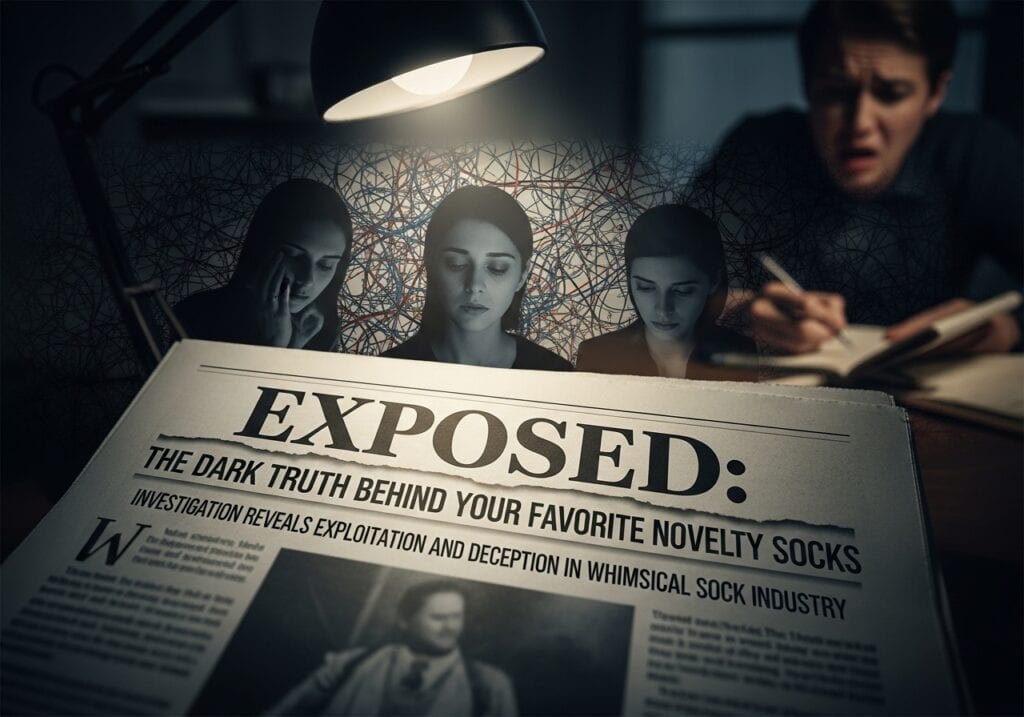
Ethical Black Holes & Supply Chain Obfuscation (The “See No Evil, Hear No Evil” Strategy)
Frankly, my dear boy, you don’t want to know how the sausage is made; your job is to ensure nobody else can find out either. When nosy journalists start asking awkward questions about working conditions or where your cotton is from, you must be able to look them in the eye and express complete shock and horror. This is achieved by having a supply chain so long and convoluted it would give a cartographer a migraine.
A case in point: a newspaper runs a frightful story alleging that your best-selling novelty socks are made by overworked orphans. You immediately issue a press release condemning such practices, sever ties with the third-party seller involved (a chap you’ve never met), and launch an “internal investigation.” The fuss dies down, and the public moves on to the next outrage. Problem solved.
A word to the wise: the key is plausible deniability. Work through intermediaries and sourcing agents. Have a lovely, glossy “Code of Conduct” on your website that forbids all sorts of unpleasantness. Meanwhile, the economic 압력 you apply ensures your price points are met, no questions asked. It’s a work of art.
Shifting All Risk & Cost (The “Hot Potato” Manoeuvre)
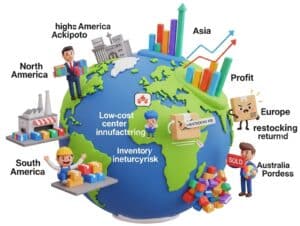
A gentleman should never be burdened with risk. Risk is for the little people. Your goal is to hold nothing but profit.
You start by buying stock from suppliers. Then you transition to a model where they send you their goods, at their expense, and you only pay them if and when an item sells. The unsold stock? That’s their problem, not yours.
A little tableau, if you will: a small manufacturer is thrilled to have its products listed on your grand platform. They ship a thousand units to your warehouse. Six months later, only two hundred have sold. The platform sends the remaining eight hundred back, along with a bill for the return postage and a “restocking fee.” Marvellous.
The real artistry, of course: champion the “asset-light” model. Why own warehouses or inventory when you can get others to bear the cost? Call it a “consignment partnership” or a “fulfilment service.” It sounds terribly modern and 협력적인, but it really means you’ve successfully passed the buck.
On Competitors: A Spot of Unfriendly Competition
Competition is healthy, they say. What utter rot. Competition is a nuisance that must be stamped out with extreme prejudice.
Monopoly by Mandate (The “You’re With Us or Against Us” Ultimatum) You must encourage loyalty. If a merchant dares to flirt with a rival, they must understand there will be consequences. A certain Asian giant was rather famously rapped on the knuckles for telling its merchants they could sell on their platform, or a rival’s, but not both. It’s a simple choice, really. 현장에서 얻은 교훈: a trendy fashion label decides to sell its wares on your site and a smaller, upstart competitor. How charming. Shortly after, they notice their products are mysteriously harder to find on your platform. Their promotional opportunities dry up. They get the message. The dalliance with the competitor ends. For your private study: don’t be so crude as to issue a direct threat. Create an exclusive “Platinum Partner Programme.” To join, partners get all sorts of lovely perks. The only catch? A small clause about “channel exclusivity.” It’s not a threat; it’s a reward for their devotion. | Predatory Pricing and “Buy-to-Kill” Acquisitions (The “If You Can’t Beat ‘Em, Bankrupt ‘Em” Approach)If a plucky upstart refuses to be intimidated, you must resort to a more… direct approach. Use your war chest. A large retailer once took a dislike to a smaller, online nappy seller. They proceeded to sell nappies at a staggering loss for months, bleeding the smaller company dry until it had no choice but to sell up to the very company that was ruining it. It’s the circle of life, in a way. For a practical illustration: a clever little startup creates a tool that makes online shopping better. It’s a threat. So, you swoop in, flash an obscene amount of cash, and buy them. You praise their “innovative spirit” in a press release. Then you quietly shutter their product and assign their talented engineers to work on optimising your banner ads. A tragedy for innovation, but a triumph for market stability. The proper application: keep a close watch on emerging threats. If they’re small, crush them with predatory pricing. If they’re getting a bit big for their boots, buy them. It’s called a “kill acquisition.” You buy them specifically to put them out of their misery. It’s expensive, but far cheaper than having a genuine competitor. |
On States & Regulators: The Grand Game
Governments, bless them, have all sorts of quaint rules. Your job is to see them as a charmingly old-fashioned obstacle course to be navigated with wit and cunning.
Regulatory and Tax Arbitrage (The “International Man of Mystery” Ploy)

The beauty of being global is that you can pick and choose which rules you’d like to follow. And you may have more than some nation’s GDP.
Some fast-fashion firms have built empires by exploiting a loophole in American trade law that allows small parcels to enter the country without paying import duties. It’s a bit like finding a secret entrance to a stately home that bypasses the ticket booth.
Picture this, if you can: a British retailer imports a container of teacups and pays a hefty tariff. Its foreign-based online rival sells the same number of teacups but ships them one by one, each package falling below the tax-free threshold. The foreign rival can undercut the British one, thanks to the government’s own rules. Deliciously ironic, isn’t it?
A word to the wise: your corporate structure should resemble a plate of spaghetti—a tangled, international mess. Have your headquarters in one country, your intellectual property in another (preferably one with sunshine and low taxes), and your sales everywhere else. It makes it frightfully difficult for any single taxman to figure out what’s going on.
Weaponized Lobbying and Revolving Doors (The “Old Boys’ Network” Technique)

If you can’t go around the rules, simply get them rewritten. This requires a bit of socialising.
When a government starts muttering about antitrust laws, it’s time to open the chequebook. You hire the best lobbyists money can buy and, even better, you hire the very people who just left the government jobs responsible for regulating you. They know all the secret handshakes.
To paint a picture for you: a new law is proposed that would make you responsible for dodgy goods sold on your site. You dispatch a team of charming, well-connected lobbyists to explain to politicians how this would “stifle innovation” and “hurt small businesses.” You might even sponsor the local flower show in a key politician’s constituency. The bill is quietly watered down into meaninglessness.
The master’s stroke is this: treat lobbying as an investment with the highest possible return. Hire former civil servants. They are worth their weight in gold. They can translate your commercial desires into the sort of bureaucratic language that wallets politicians understand. It’s about shaping the battlefield before the battle even begins.
The “Who, Little Old Us?” Defence

And now for my absolute favourite, the pièce de résistance of corporate skulduggery: when something goes horribly wrong—a customer buys a toaster that explodes, for instance—you must immediately and politely explain that you are not a shop. You are a “technology platform,” a neutral meeting place. You merely introduced the nice man with the exploding toaster to the unfortunate customer.
For a practical illustration: a customer’s house burns down. They sue you. Your lawyers, who cost more per hour than a small car, stand up and argue with a straight face that you are no more responsible than the postman who delivered the faulty item. You are an intermediary. The blame lies with some chap in a shed a thousand miles away who is now completely untraceable.
A last tip from your uncle: this must be your mantra. Repeat it until you believe it: “We are a technology company.” It’s a magical incantation that absolves you of almost all responsibility. Embed it deep within your Terms of Service. It’s a legal shield of unparalleled strength.
So there you have it, lad. It’s not pretty, but it’s effective. It’s about seeing the rules not as constraints, but as opportunities. Now, run along and build that empire. And do try to look ruthless; it’s so much more convincing.
Bonus: Whoever Lose, We Win
Right then, pay very close attention.
The true genius of our system is that we have monetized failure just as effectively as success.
A seller’s sale is our profit, but a seller’s problem is also our profit. This is the chapter, a collection of charmingly inventive ways we ensure our coffers are filled, regardless of the unfortunate outcome for our so-called partners:
- The Unavoidable Entrance Fee (Professional Selling Plan Fee): a monthly subscription for the privilege of having your wares listed in our grand emporium. Whether you sell a single item or a thousand, the rent is due.
- The Lord’s Tithe (Referral Fee): our rightful percentage of every successful sale, taken for the noble service of introducing your product to a customer. We are the matchmaker, and we expect to be paid for our efforts, handsomely.
- The “Special” Goods Surcharge (Variable Closing Fee): an additional slice we take for certain categories like books or media, because they are… special. It’s a mystery, wrapped in an enigma, paid for by you.
- The Warehouse Squatting Levy (Monthly Inventory Storage Fee): a charge for the honour of your products occupying a space on our hallowed shelves. It is calculated by the cubic foot, so we encourage you to sell small, profitable items.
- The Unwanted Guest Tariff (Aged Inventory Surcharge): a punitive, escalating fee for products that have the sheer audacity to remain unsold for too long. This encourages your inventory to be more popular, or to leave.
- The Picking & Packing Gratuity (Fulfillment Fee): a charge for our chaps to wander the warehouse, pick your item off a shelf, and pop it in a box. It’s a complex logistical ballet, and the tickets are rather dear.
- The Returns Annoyance Dividend (Returns Processing Fee): a fee for handling an item a customer sent back, often in a dreadful state. We take a cut for the sheer inconvenience of managing your customer’s change of heart.
- The “We Keep a Bit” Reimbursement (Refund Administration Fee): when a sale is refunded, we graciously return your referral fee, minus a small portion for our troubles. Our administrative time is valuable, even when your sale has evaporated.
- The “Get It Out of My Sight” Charge (Removal Order Fee): the price you pay for us to box up your failed inventory and send it back to you. It is often so high that it makes the next option seem terribly appealing.
- The “Off to a Farm Upstate” Fee (Disposal Order Fee): a modest charge for us to make your unsold, unwanted products simply… disappear. It’s cheaper than getting them back, which should tell you everything about the economics of failure.
- The “You Didn’t Stick This On Properly” Penalty (Label Service Fee): a fine for sending us products without our special, proprietary barcode. We will, of course, fix this for you, for a price that ensures you never make the mistake again.
- The “Not in a Bag” Surcharge (Prep Service Fee): a fee for products arriving in a state of undress, requiring bagging or bubble wrapping. We must maintain standards, and our plastic bags are of a very high quality.
- The Customer Is Always Right, and You Will Pay For It (Chargeback Fee): when a customer disputes a charge, we pass the administrative penalty directly to you without even challenging it. We stand with the customer, especially when there’s a fee to be collected.
- The Mandatory “Just In Case” Insurance (Commercial Liability Insurance Requirement): a compulsory insurance policy you must take out once your sales reach a certain level. It protects us, of course, should your product decide to spontaneously combust.
… not to forgotten, The Advertising Toll (Pay-Per-Click -or even view- Advertising Fees): the fee you pay us to ensure your products are actually seen by a human being. It’s a delightful auction where you bid against your peers for our favor, and we collect from everyone, every-time, but multiplied.
When viewed from our side, the marketplace’s 마술사, we must insure it is very at the opposite of the famous “Whoever win… we loose” of the 영화 “AVP: Alien vs. Predator”, but not very different when viewed from “partners” (see also the 1st joke below in your conclusion valediction).
Your Valediction

A gentleman never simply “concludes.” That’s for tradesmen finishing a job. One offers a final thought, a parting shot, or a moment of reflection:
So there you have it, the complete schematics for your own little marketplace empire of delightful tyranny. The real trick, you see, isn’t in any single act of skulduggery, but in the glorious architecture of the system itself. By being both the stage and the lead actor, the gamekeeper and the poacher, you create a beautiful, self-fuelling engine of profit where every other player—seller, supplier, or shopper—is merely a cog, convinced they are a partner.
They will grumble, of course, but they will not leave, because you have successfully made the world outside your walls look like a barren and terrifying wasteland.
Your monopoly isn’t just a business position; it’s a state of mind you have successfully imposed on everyone else. Now, go forth and consolidate.
And to leave you with a chuckle, here are two jests for the marketplace golden road:
- A seller asks the marketplace CEO, “Are we partners in this venture?” The CEO claps him on the shoulder and says, “Absolutely! It’s a partnership in the same way a man and his chicken are partners in the culinary experience.“
- A government regulator asks our marketplace’s chief counsel, “How do you possibly justify your tax structure?” Our lawyer polishes his spectacles and replies, “We see it less as a tax structure and more as a ‘geographically diversified profit appreciation strategy’. It’s a bit like the law, you see: entirely open to interpretation, especially for those who can afford the best interpreters” (edit #2: aka lawyers).
Brevity is for memos; a proper FAQ should have the weight of doctrine:
자주 묻는 질문
우리가 이미 엄청난 수익을 내고 있는 상황에서 판매자 수수료를 인상하는 것을 어떻게 정당화할 수 있을까요?
수익성은 끊임없이 변화하는 목표이며, 우리의 최우선 의무는 임차인이 아닌 주주에게 있습니다. 우리는 이러한 수수료 조정을 '파트너 경험'을 향상시키고 '최고 수준'의 서비스를 유지하기 위한 필수적인 투자로 포장하고 있으며, 이는 단순히 '할 수 있다'고 인정하는 것보다 훨씬 더 설득력 있는 설명입니다.
우리보다 가격을 낮추는 경쟁업체를 어떻게 처리하는 것이 가장 좋을까요?
만약 그 기업들이 충분히 작아서 삼킬 수 있다면 인수하거나, 그렇지 않다면 그 기업들이 매력적인 추억으로만 남을 때까지 해당 분야의 손실을 보전해주는 수밖에 없습니다. 이것은 가격 전쟁이 아니라, 우리의 지위에 도전하는 것이 얼마나 어리석은 일인지 보여주기 위해 고안된 계산된 재정적 소모전입니다.
판매자에게 우리 물류 서비스를 강제하는 것이 반경쟁적 행위가 될까 우려하십니까?
우리는 이를 '완벽하게 통합된 서비스 제공'이라고 부릅니다. 엔드투엔드 고객 경험이라는, 훨씬 더 고상하게 들리는 슬로건을 내세웁니다. 물류 서비스를 프리미엄 가시성과 매출을 확보하는 유일한 경로로 만듦으로써, 우리는 단순히 우수한 선택적 서비스를 제공한다는 공개적인 이미지를 유지하면서도 고객 채택을 보장합니다.
판매자 데이터를 이용해 자체 제품을 개발한다는 의혹에 어떻게 대응해야 할까요?
저희는 내부적으로 이를 엄격하게 금지하는 정책을 가지고 있지만, 물론 이렇게 방대한 조직 전체에 걸쳐 이를 시행하는 것은 매우 어렵습니다. 저희는 신빙성 있는 모든 주장을 최대한 심각하게 조사하며, 이 과정은 시장 상황이 이미 변한 후에야 마무리되는 경우가 많습니다.
당사 플랫폼에서 판매되는 위조 상품에 대한 법적 입장은 무엇입니까?
저희는 무관용 정책과 다소 복잡하지만 강력한 삭제 절차를 갖춘 중립적인 기술 플랫폼입니다. 광범위한 마켓플레이스에서 유해 콘텐츠를 관리하는 책임은 브랜드 소유자에게 있으며, 이는 저희의 책임을 면제해 주고 브랜드 소유자의 법무팀을 항상 바쁘게 만듭니다.
우리가 가장 많은 매출을 올리는 국가에 더 많은 세금을 내야 할까요?
저희의 세금 전략은 최고의 전문가들이 설계한, 법률 준수를 완벽하게 반영한 세계적인 걸작입니다. 저희는 법이 가장 관대하게 해석한 범위 내에서 정확히 필요한 세금을 납부하며, 종종 이익금을 세금 부담이 적은 관할 지역에 이전하는 방식을 활용합니다.
검색 알고리즘이 자사 제품을 우선적으로 노출하는 것을 어떻게 방지할 수 있을까요?
이 알고리즘은 우리가 도저히 이해할 수 없는 방식으로 작동하는 복잡하고 불가사의한 블랙박스이며, 오직 '고객 관련성'만을 최우선으로 합니다. 우리 제품이 이처럼 일관되게 놀라운 관련성을 보이는 것은 순전히 우연의 일치일 뿐입니다.
만약 공급업체가 우리의 공격적인 가격 책정 및 지불 조건에 대해 불만을 제기한다면 어떻게 해야 할까요?
시장은 경쟁이 치열한 곳이며, 저희는 비교할 수 없는 고객 기반에 대한 접근성을 제공합니다. 이는 권리가 아닌 특권입니다. 저희의 조건은 저희가 제공하는 가치를 반영한 것이며, 공급업체는 물론 다른 곳에서 더 가치 없는 파트너십을 찾을 자유가 있습니다.
이러한 활동에 참여하면서 어떻게 긍정적인 대중적 이미지를 유지할 수 있을까요?
자선사업이야말로, 얘야, 작은 나라의 GDP보다 더 큰 홍보 예산이 필요한 법이지. 예술을 후원하고, 지속가능성에 대해 끊임없이 떠들어대고, 온갖 선행에 회사 이름을 붙여야만 정적인 경쟁자를 짓밟아야 하는 본연의 업무에서 사람들의 관심을 돌릴 수 있는 거야.
정부 규제를 자초할 정도로 지배적인 위치를 차지하는 것이 현명한 선택일까요?
규제를 직접 만들 수 있도록 로비스트를 고용할 수 있을 만큼 막강한 영향력을 행사하는 것이 현명한 전략입니다. 목표는 '규제 포획' 상태를 달성하는 것입니다. 즉, 단순히 규제의 대상이 되는 것이 아니라 규제 제정에 핵심적인 자문 역할을 하는 것입니다.
강경 협상과 불법적인 독점 행위의 경계는 무엇일까요?
어느 쪽이 더 많은 비용과 창의력을 가진 변호사 팀을 보유하느냐에 따라 경계선이 정해집니다. 이는 고정된 경계가 아니라 유동적인 개념이며, 치열하고 비용이 많이 드는 논쟁의 대상이 될 수 있습니다. 저희는 언제든 그러한 논쟁에 참여할 준비가 되어 있습니다.
자사 웹사이트에서 더 낮은 가격으로 판매하는 판매자는 어떻게 처리해야 할까요?
저희는 플랫폼에서 고객에게 최상의 가치를 제공하지 못하는 업체들의 가시성을 '알고리즘적으로 낮추고' 있습니다. 이는 해당 업체들을 처벌하는 것이 아니라, '오로지' 소비자의 이익을 위해 일관된 가격 환경을 조성하는 것입니다.
스타트업을 위한 '킬존'을 만들었다는 비난에 대한 우리의 주요한 방어책은 무엇입니까?
저희는 유망한 신생 기업을 인수하여 '혁신을 촉진'하는 매우 적극적인 벤처 캐피털 부서를 운영하고 있습니다. 이를 통해 잠재적 경쟁업체 인수를 전략적 실행이 아닌 기업의 사회적 책임 이행의 일환으로 포지셔닝할 수 있습니다.
규제 당국에 우리의 복잡한 해외 자회사 네트워크를 어떻게 설명해야 할까요?
아주 길고 지루하고 값비싼 파워포인트 프레젠테이션을 가장 따분한 회계 담당자들이 진행합니다. 목적은 조사관들을 완전히 혼란스럽고 지치게 만들어, 하루빨리 사건을 종결짓고 싶게 만드는 것입니다.
만약 판매자들이 노조를 결성하거나 단체교섭을 시도한다면 어떻게 될까요?
저희는 모든 사업자가 독립적인 개인 사업자임을 명확히 하기 위해 서비스 약관을 선제적으로 업데이트하고 있으며, 이는 법적으로 완벽한 정확성을 보장합니다. 개인 사업자들이 연합체를 결성하는 것은 담합에 해당하며, 저희는 그러한 담합 행위에 강력히 반대합니다.
반독점 당국에 의해 회사가 분할될 위험을 어떻게 관리해야 할까요?
우리는 경제 구조에 너무나 깊숙이 통합되어, 치료법이 질병보다 훨씬 더 심각한 결과를 초래할 정도로 자리매김하고자 합니다. 우리는 필수 인프라, 즉 없어서는 안 될 중요한 요소가 되어, 우리의 존재가 사라질 경우 광범위한 혼란과 대중의 거센 반발을 불러일으키는 것을 목표로 합니다.
정부 조사에 대응하는 가장 효과적인 방법은 무엇일까요?
완전히 관련 없는 데이터를 산더미처럼 제공하여 투명하게 전폭적으로 협력하십시오. 수 테라바이트에 달하는 보고서, 차트, 내부 문서에 파묻혀 삶의 의욕을 잃고, 찾던 단 하나의 문서조차 찾지 못하게 만드십시오.
우리는 공급망 내 노동 조건에 대한 윤리적 책임이 있는가?
저희 협력업체들은 계약상 엄격한 행동 강령에 서명해야 할 의무가 있으며, 위반 사례가 발생할 때마다 저희는 큰 충격과 분노를 느낍니다. 위반 사례가 발생하면 철저한 조사를 진행하고, 윤리 강령을 준수하겠다는 저희의 공개적인 약속을 명확히 밝힌 후 해당 업체와의 관계를 단절합니다.
사전 경고 없이 판매자의 계정을 정지하고 자금을 동결하는 것을 어떻게 정당화할 수 있을까요?
저희는 플랫폼의 무결성과 고객 신뢰를 매우 중요하게 생각하며, 따라서 자동화된 보안 경고에 대해 신속하게 조치를 취해야 합니다. 접근 권한 복원은 신중한 절차이며, 이 과정에서 누가 진정한 통제권을 가지고 있는지 고객에게 다시 한번 상기시키는 긍정적인 효과를 얻습니다.
우리가 시장 지배적 위치를 유지하기 위한 가장 중요한 규칙은 무엇일까요?
절대로 '지배적 지위'라고 표현하지 마세요. 우리는 그저 '경쟁이 치열한 분야의 선두주자'일 뿐입니다. 언어는 방어의 최후이자 마지막 수단이며, 시장을 압도하는 우리의 힘은 언제나 겸손하고 어렵게 얻어낸 고객 선호도라는 식으로 포장해야 합니다.
시장 관련 법률에 대한 외부 링크
국제 표준
(링크 위에 마우스를 올려놓으면 콘텐츠에 대한 설명을 볼 수 있습니다.)