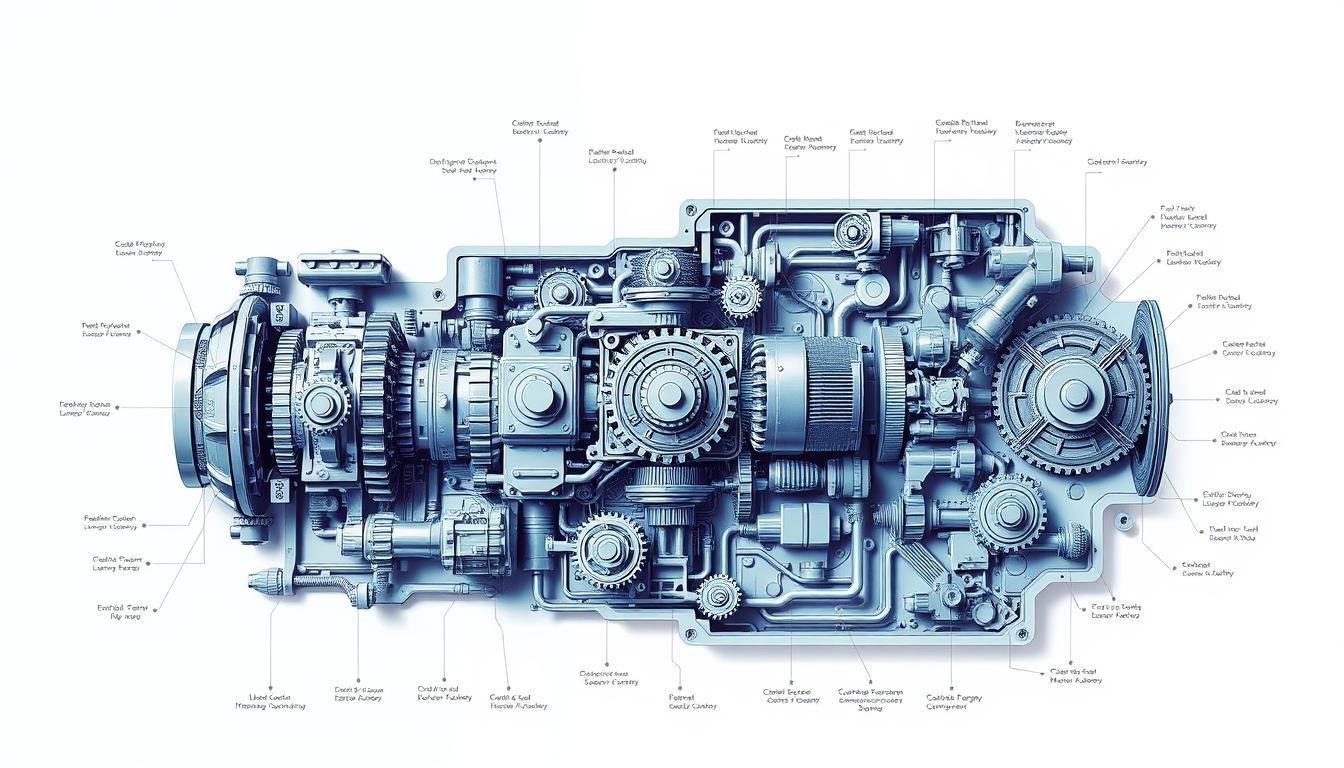
Whether in 역학, software or hardware, reverse engineering enables detailed analysis of system architecture and functionality. It supports interoperability by revealing undocumented protocols and formats. Engineers gain insights to improve performance, security, and design. It drives novel approaches based on existing technologies. Too frequently seen as software cracking, it emphasizes understanding and innovation, not always exploitation.
부인 성명: this content is for educational 제품 디자인 purposes only and does not encourage or endorse unauthorized reverse engineering. While we see benefits for innovation so as for legacy products maintenance and 생태학리버스 엔지니어링은 소프트웨어 라이선스, 서비스 약관 또는 기타 규정을 위반할 수 있습니다. intellectual property 관할 지역의 법률에 따라 달라질 수 있습니다. 역설계 활동을 시작하기 전에 반드시 법률 전문가와 상담하십시오.
전자공학에서의 역설계
전자공학에서 역설계는 여러 개의 작은 부품과 그 조립체, 그리고 내장된 소프트웨어나 로직까지 분해하여 작동 원리를 파악하는 것입니다. 자동차, 전자기기, 대형 기계와 같은 분야에서 매우 중요합니다. 때로는 기술 관련 정보를 찾기가 어렵거나 공개되지 않은 경우가 있습니다. 전문가들은 역설계를 통해 기술 프로젝트를 복제하거나, 개선하거나, 오류를 수정할 수 있습니다. 또한 이러한 프로젝트가 현재의 요구 사항과 규정을 충족하는지 확인합니다. 이 글에서는 전자공학에서 역설계가 어떻게 작동하는지, 어떤 단계를 거치는지, 그리고 어떤 도구들이 사용되는지 자세히 살펴봅니다.
|
전자공학 분야에서 역설계의 응용 전자 역설계는 다음과 같은 다양한 분야에서 많은 용도로 사용됩니다.
|
전자공학 역설계 도구 주요 도구 및 방법은 다음과 같습니다.
아직 산업 규모에서는 볼 수 없지만, 자동 시각 인식 및 인공지능이 머지않아 이 분야를 변화시킬 것으로 예측됩니다. |
하드웨어 RE 프로세스
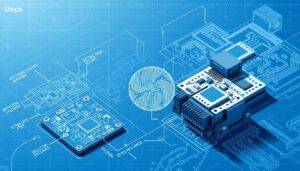
역설계 과정은 전자 하드웨어를 심층적으로 분석하기 위한 여러 단계를 포함합니다. 각 단계는 모든 중요한 부품에 집중하여 장치를 완벽하게 이해하는 데 도움이 됩니다.
- 초기 평가 및 관찰: 역설계는 하드웨어를 자세히 살펴보고 구성 요소들의 연결 방식과 구조를 파악하는 것에서 시작됩니다. 중요한 인터페이스에 사용되는 대형 커넥터를 살펴보는 것도 포함됩니다. 또한 보드의 설계 및 용도에 대한 단서를 제공하는 표시에도 주의를 기울입니다. 전원 회로, 집적 회로(IC) 및 통신 방식을 파악하는 것이 핵심입니다.
- 회로 구성 요소 식별: 처음 살펴본 후에는 각 회로 부품을 식별하는 작업이 이어집니다. 엔지니어는 장치를 분해하고 모든 부품에 라벨을 붙입니다. 이를 통해 저항, 콘덴서, IC 등 각 부품의 역할을 파악할 수 있습니다. 이러한 부품들을 체계적으로 관리함으로써 엔지니어는 하드웨어를 더욱 효과적으로 분석하고, 각 구성 요소가 전체 시스템에서 어떤 역할을 하는지 이해할 수 있습니다.
- 회로도 작성: 마지막 단계는 회로의 구조를 보여주는 회로도를 작성하는 것입니다. 엔지니어는 앞서 얻은 정보를 바탕으로 상세한 도면을 그립니다. 이러한 회로도는 부품들이 어떻게 연결되고 상호 작용하는지 보여줌으로써 역설계 과정을 명확하게 해줍니다.
소프트웨어 리버스 엔지니어링
리버스 엔지니어링은 다양한 분야에서 큰 관심을 받고 있으며, 그 활용 범위가 넓습니다. 특히 소프트웨어 분석 분야에서 중요한 역할을 하는데, 이 분야의 목표는 현재 사용되는 애플리케이션이 어떻게 작동하는지 이해하는 것입니다. 전문가들은 소프트웨어를 분해하여 그 기능 방식과 특정 설계가 선택된 이유를 파악합니다.
개발자들은 버그를 수정할 때 리버스 엔지니어링을 활용합니다. 이를 통해 소프트웨어의 문제점을 찾아내고 해결할 수 있으며, 일반적인 디버깅 방법으로는 발견하기 어려운 오류를 찾아낼 수 있습니다. 유명 앱의 취약점을 찾아내거나, 취약점 발견에 대한 인센티브를 제공함으로써 사용자 정보를 보호하는 더욱 강력한 보안 시스템을 구축할 수 있습니다.
게임 개발자들은 역설계를 통해 이점을 얻기도 합니다. 성공적인 게임들을 연구하여 플레이어들이 무엇을 좋아하는지 파악하고, 그 인기 요소들을 자신들의 게임에 적용하여 더욱 매력적인 게임을 만듭니다. 재미있는.
소프트웨어 분석에 있어 이러한 방식은 점점 더 중요해지고 있습니다. 문제를 해결하고 새로운 전략을 수립하는 데 필수적이며, 리버스 엔지니어링은 빠르게 변화하는 현대 기술 환경에서 핵심적인 기술입니다.
|
주요 단계 이 과정에는 여러 단계가 포함됩니다.
|
소프트웨어 리버스 엔지니어링 도구 역설계 과정에는 몇 가지 중요한 단계가 있습니다. 다음과 같은 단계들이 포함됩니다.
|
정적 분석 vs. 동적 분석
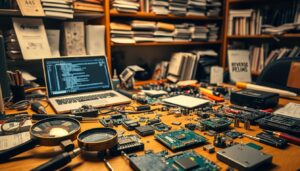
개발자와 보안 전문가들은 주로 정적 분석과 동적 분석, 두 가지 유형의 분석을 사용합니다.
- 정적 분석이란 소프트웨어를 실행하지 않고 살펴보는 것을 의미합니다. 분석가는 코드를 검토하여 취약점을 발견하고 프로그램의 전체적인 구조를 파악할 수 있습니다. 코드나 바이너리 파일을 분석하여 소프트웨어의 작동 방식을 이해하고, 숨겨진 문제나 보안 위험을 찾아낼 수 있습니다.
- 반면 동적 분석은 소프트웨어를 실행하여 그 동작 방식을 살펴보는 것입니다. 전문가들은 이를 통해 소프트웨어가 주변 환경과 상호 작용하는 모습을 실시간으로 확인하고, 실행 경로 및 사용자 동작을 파악할 수 있습니다. 소프트웨어의 작동 방식을 관찰함으로써 분석가들은 소프트웨어를 더 잘 이해하고, 메모리 사용 방식과 다양한 입력에 대한 반응 방식을 파악할 수 있습니다.
정적 분석과 동적 분석은 모두 역설계에 있어 핵심적인 요소입니다. 두 분석 방법은 각각 다른 방식으로 완벽한 분석을 수행하여 고유한 장점을 제공합니다.
소프트웨어 애플리케이션
| 이점 | 설명 |
|---|---|
| 보안 강화 | 소프트웨어의 취약점을 파악하여 공격에 대한 방어력을 강화합니다. |
| 시스템 마이그레이션 | 리버스 엔지니어링을 활용하여 소프트웨어를 최신 플랫폼으로 쉽게 전환할 수 있도록 지원합니다. |
| 품질 개선 | 코드 구조와 기능을 분석하여 성능과 안정성을 향상시킵니다. |
| 통합 촉진 | 기존 구성 요소를 이해하면 다른 시스템과의 원활한 상호 운용성을 달성하는 데 도움이 됩니다. |
| 경쟁사 분석 | 경쟁사 소프트웨어에 대한 귀중한 정보를 얻어 전략적 포지셔닝을 개선합니다. |
Reverse Engineering in Communication
Utilizing software reverse engineering tools plays a crucial role in identifying vulnerabilities and improving application performance. These tools enable developers to analyze existing code, leading to enhanced security measures and innovative design enhancements; in communication specifically it means understanding systems better by taking them apart to analyze how communication systems work. They let experts find the hidden parts and flaws of different protocols. It means decoding the systems and methods used in talking and listening, digitally and in real life to protect against spying or interference.
Security risks and ethical considerations: communication reverse engineering can leak important information if done wrong. Getting into private communication systems without permission can break security. This raises questions about if these actions are okay and must be very careful not to break any laws while researching.

Importance of communication protocols: communication protocols are crucial for secure and efficient data sharing. By breaking down these protocols, experts find weak spots that could risk system safety. This leads to safer communication tools and better information retrieval. Through in-depth analysis, developers can build strong apps that work well while integrating various different technologies.
Application in eavesdropping and jamming: reverse engineering communication protocols has many uses, like eavesdropping and jamming. Knowing about these protocols helps prevent and fight off unauthorized access.
|
Approach used in reverse engineering communication Each kind of communication needs its own way to decode and understand data. This usually distinguishes 3 different layers, from root layer to system wide:
|
Common Tools for Protocol Analysis
|
It’s set to change how we analyze and protect information. Breakthroughs, like quantum communication and new threats to keeping communications safe are popping up, make strong analytical skills crucial. As communication security is getting a lot of focus, experts must know about advanced 암호화 and increase their specialized training. It will help create a new wave of skilled experts in this challenging area.
Reverse Engineering in Mechanics
Taking apart mechanical systems to understand them better, not only does it let us copy designs, but it mainly leads to new ideas and better products, cheaper and improves their quality. Using digital tech, makers can keep digital records. This helps improve products, even for parts that are outdated, need changes or not produced anymore.
- Reverse engineering in mechanics involves deconstructing systems for analysis.
- Industries like automotive and aerospace utilize reverse engineering extensively.
- It aids in the replacement and redesign of legacy parts.
| Step | 설명 |
|---|---|
| Data Acquisition | scanning the product to get its size and shape data. This can be achieved manually, thus limiting the post-processing steps below, or automated with touching probes or optical contactless 3D scanners |
| Post-Processing | making the scanned data clean, free from errors is necessary as the 3D scanner outputs a cloud of points never perfectly geometric |
| Modeling & Review | rebuilding a digital 3D model with the clean data if frequently required, so as checking the model to see if it matches the original product and its assembly |
|
Measurement Devices Measurement devices are super important in reverse engineering. They help make sure products are made accurately. Devices like Coordinate Measuring Machines (CMMs) and CT scanners check measurements well. They help engineers adjust and improve designs. Using high-tech measurement tools makes engineering projects better and more reliable. ![]() 3D Scanning Techniques 3D scanning was a game-changer in reverse engineering in mechanics compared to manual measurement. It uses cool tech like structured light and laser scans to get details of parts. These high-quality images help make accurate 치사한 사람 models. Such models give a clear view of how the original parts were made. |

Legacy Parts Replacement
Reverse engineering is the only solution when old parts stop being made. It lets companies recreate these parts to keep old machines running. This way, the life of machines is extended, saving money on fixing and downtime – see link below on ecological benefits -.

Legal and Ethics in Reverse Engineering
Reverse engineering involves several legal challenges, especially around intellectual property and contract rules. Legal rules often guard certain tech aspects. Across different places, rules vary, making it complex for coming up with new ideas. The laws of each country, along with court decisions, define what’s allowed when it comes to reverse engineering.
|
Intellectual property rights Intellectual property rights are tricky in reverse engineering. Copyright and 특허 laws protect technology, limiting how it can be analyzed or remade. Not knowing these rights can lead to legal fights. Companies might end up in court for using protected tech without realizing it. With intellectual property law always changing, staying alert is a must. |
Contractual restrictions and license agreements License agreements add more complexity to reverse engineering. They often ban reverse engineering to protect the owner’s intellectual property. Companies must fully understand their contracts before starting to reverse engineer. Failing to follow these agreements has ~ 주도의 some to face expensive legal battles. |
Some Legal Frameworks & Legal Precedents
The legality of reverse engineering varies by jurisdiction and context. In many cases, is reverse engineering legal can depend on factors such as copyright laws, licensing agreements, and the purpose behind the reverse engineering. While some legal frameworks allow it for educational or interoperability purposes, others impose restrictions that can lead to legal disputes.

- In the USA, the Digital Millennium Copyright Act (DMCA) sets limits on reverse engineering, especially for software and digital stuff. It lays out when it’s okay to do reverse engineering in terms of fair use.
- On the other hand, the European Union is more open to reverse engineering for learning and research, which helps with innovation but keeps intellectual property safe.
- The Semiconductor Chip Protection Act, while its main objective was to protect the chip layout, ie the “mask works”, it permits reverse engineering under certain rules to aid in creating original designs.
Big court cases provide lessons on the balance between new ideas and protecting creations. While every single case should be studied in the light of its details and context, some examples are
- the U.S. Supreme Court’s decision in Kewanee Oil v. Bicron showed that doing reverse engineering the right way, is potentially allowed and encourages competition.
- Cases like Microsoft v. Motorola highlight the tricky relationship between software licenses and reverse engineering. This case underlined the need to stick to license terms while reverse engineering.
Ethical considerations: 티he topic of reverse engineering brings up deep questions about right and wrong for engineers and businesses. Some people say it pushes forward innovation and helps the economy grow. Yet, others emphasize the need to respect the original creators’ work and rights. One main concern is whether it’s fair to use reverse engineering to make similar products. This could scare them from coming up with new things, fearing their ideas might be copied easily. Scenarios in real life often show the tricky line between what’s legal and what’s right.
Read more on ecology: refer to our extended review and ideas about using reverse engineering to protect environment and sustainability.
External Links on Reverse Engineering Laws & Practices
국제 표준
(링크 위에 마우스를 올려놓으면 콘텐츠에 대한 설명을 볼 수 있습니다.)
사용된 용어집
Computed Tomography (CT): X선과 컴퓨터 처리를 이용하여 인체의 단면 이미지를 생성하는 의료 영상 기술로, 내부 구조와 조직을 자세히 시각화할 수 있게 해줍니다. 2차원 데이터를 3차원 이미지로 표현함으로써 진단 능력을 향상시킵니다.
Computer Aided Design (CAD): 엔지니어링, 건축, 제조 등 다양한 분야에서 설계를 생성, 수정, 분석 및 최적화하는 데 사용되는 소프트웨어 응용 프로그램으로, 디지털 도구와 기술을 통해 정밀한 도면과 모델을 만들 수 있습니다.
Contract Manufacturer (CM): 아웃소싱 업체란 특정 설계 및 품질 사양에 따라 다른 회사를 대신하여 제품을 생산하는 회사를 말합니다. 이러한 방식을 통해 의뢰 기업은 마케팅 및 제품 개발과 같은 핵심 역량에 집중하고 제조 공정은 아웃소싱할 수 있습니다.
Graphical User Interface (GUI): 사용자가 창, 아이콘, 버튼, 메뉴와 같은 그래픽 요소를 통해 전자 기기와 상호 작용할 수 있도록 하는 시각적 인터페이스로, 텍스트 기반 명령 없이 직관적인 탐색 및 제어가 가능합니다.
Printed Circuit Board (PCB): 절연 재질로 만들어진 평평한 기판으로, 전도성 경로를 통해 전자 부품을 지지하고 연결합니다. 일반적으로 구리 시트를 에칭하여 제작됩니다. 회로 조립의 기초가 되며 부품 간의 전기적 연결을 용이하게 합니다.
User Interface (UI): a system that enables interaction between users and software applications, encompassing visual elements, controls, and overall layout to facilitate user tasks and enhance experience.