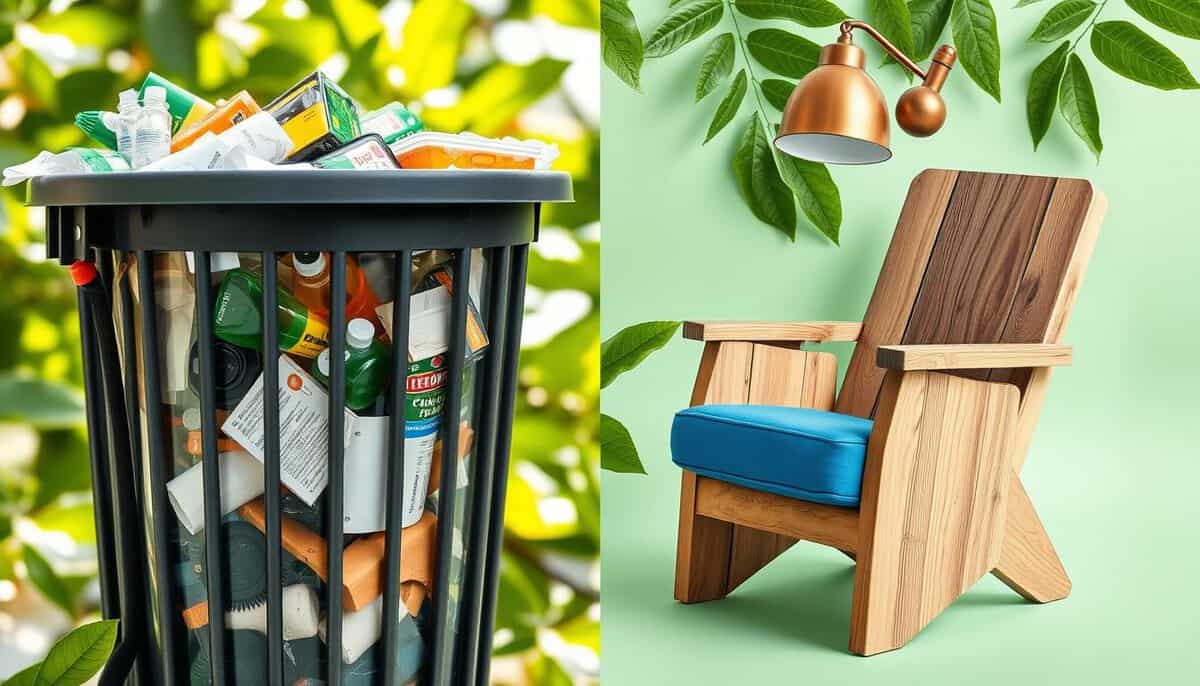
미국에서 생산된 알루미늄의 무려 75%가 오늘날까지도 재사용되고 있습니다. 이는 재활용 덕분입니다. 이 사실은 재활용과 업사이클링이 자재의 수명을 연장하는 데 얼마나 중요한지 보여줍니다. 하지만 재활용과 업사이클링은 완전히 같은 것은 아닙니다. 재활용은 재료를 새로운 제품으로 재탄생시키지만, 때로는 품질이 떨어질 수 있습니다. 반면 업사이클링은 기존 자재를 분해하지 않고 더 나은 제품으로 만드는 것입니다. 둘 다 폐기물을 줄이고 자원을 절약함으로써 지구 환경 보호에 기여하지만, 그 방식은 상당히 다릅니다.
재활용과 업사이클링은 모두 지속가능성을 추구한다는 동일한 목표를 가지고 있지만, 접근 방식은 다릅니다. 재활용은 알루미늄이나 플라스틱과 같은 재료를 모아서 새로운 제품으로 만드는 것입니다. 때로는 품질을 유지하기 위해 새로운 재료를 첨가하기도 합니다. 반면 업사이클링은 창의적인 활동입니다. 폐기물의 본래 상태를 유지하면서도 더 가치 있는 것으로 탈바꿈시키는 것입니다. 가능성은 무궁무진하며, 오직 여러분의 상상력과 실천력에 달려 있습니다.
핵심 요약
- 재활용과 업사이클링은 모두 폐기물을 줄이고 지속 가능한 관행을 촉진하는 것을 목표로 합니다.
- 재활용은 재료를 분해하여 새로운 제품을 만드는 것이고, 업사이클링은 현재 상태의 물건을 더 가치 있는 제품으로 바꾸는 것입니다.
- 재활용 과정에서는 제품 품질 유지를 위해 추가적인 새 재료가 필요할 수 있습니다.
- 업사이클링의 가능성은 창의력과 기술에 의해서만 제한됩니다.
- 두 가지 방식 모두 새로운 자원에 대한 필요성을 줄이고 폐기물을 최소화함으로써 환경 보전에 중요한 역할을 합니다.
재활용이란 무엇인가요?
재활용은 낡은 재료를 새로운 제품으로 바꾸는 과정을 통해 폐기물 관리에서 중요한 역할을 합니다. 재활용 과정 환경에 도움이 되며, 높아진 인식과 향상된 기술 덕분에 성장해 왔습니다.
정의 및 과정
그만큼 재활용 과정 begins by collecting materials like glass, plastics, and paper. These items are sorted, cleaned, and made into new products. For instance, recycled paper becomes new paper goods, and plastic bottles might turn into new bottles or fabrics. Using less energy than making items from scratch highlights the 재활용의 환경적 이점.
재활용 사례
많은 재활용 사례 이러한 재료들이 얼마나 다양하게 활용될 수 있는지 보여줍니다. 알루미늄 캔은 녹여서 새로운 물건을 만들고, 낡은 종이는 공책으로 재탄생합니다. 고무 타이어는 도로 포장재로 사용되고, 재활용 플라스틱은 새로운 용기를 만드는 데 쓰입니다. 이러한 사례들은 오늘날 우리 삶에서 재활용이 얼마나 중요한지를 보여줍니다.
재활용이 환경에 미치는 영향
재활용은 환경에 매우 유익합니다. 매립되는 쓰레기를 줄이고, 오염을 감소시키며, 자원을 절약합니다. 재활용을 통해 새 제품 생산으로 발생하는 탄소 배출량도 줄일 수 있습니다. 또한 재활용은 온실가스 배출량을 감소시키고 토양 오염을 방지하는 데 도움이 됩니다. 이는 지구의 균형을 유지하는 데 매우 중요합니다.
Recycling also encourages people and communities to get involved and learn. For example, recycling aluminum can keep it in use for many years. This reflects the main ideas of living sustainably and using resources wisely.
- 재활용 과정: 수집, 정렬세척, 재처리
- 재활용 사례: 알루미늄 캔, 사용한 종이, 플라스틱 병
- 환경적 영향: 매립 폐기물 감소, 천연 자원 보존, 오염 감소
| 재활용 측면 | 세부 |
|---|---|
| 일반 재료 | 유리, 플라스틱, 종이, 알루미늄 |
| 재활용 사례 | 알루미늄 캔 녹이기, 고무 타이어 재활용, 플라스틱으로 용기 만들기 |
| 환경적 이점 | 매립지 사용량 감소, 비용 절감 탄소 발자국자원 보존 |
업사이클링이란 무엇인가요?
업사이클링은 다른 말로는... 창의적인 재활용업사이클링은 버려진 물건에 새 생명을 불어넣어 예술적이고 가치 있는 제품으로 탈바꿈시킵니다. 이 과정에서 원래 재료의 품질은 그대로 유지됩니다. 재활용과는 달리 업사이클링은 원래 재료를 향상시켜 이전과 같거나 더 나은 상태로 만듭니다. 업사이클링은 오늘날 패션과 인테리어 분야에서 큰 반향을 일으키고 있습니다.
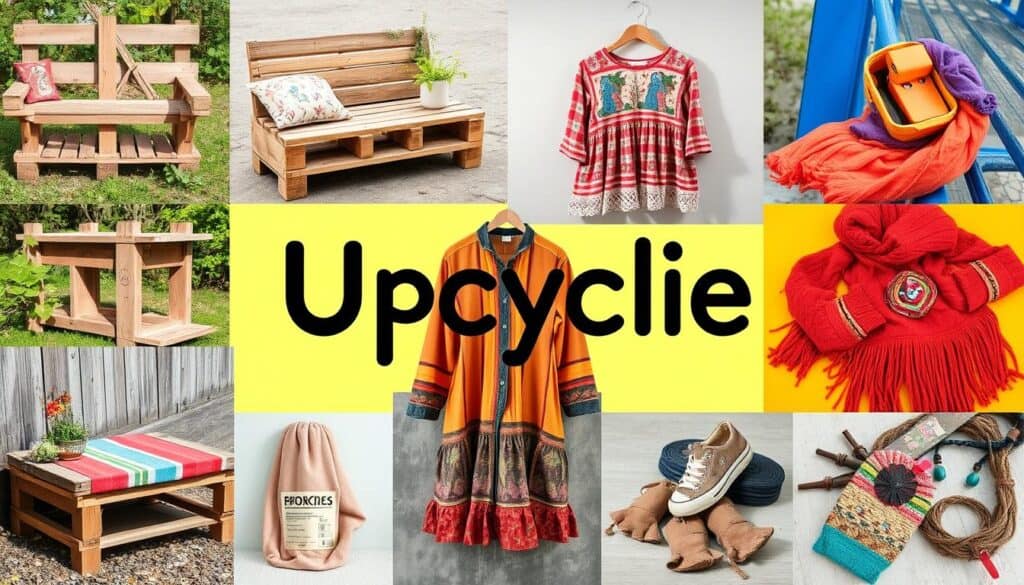
패션에서 업사이클링은 다음과 같은 것에서 시작됩니다. 창의적인 디자인 이러한 사고방식은 낡은 옷을 세련된 액세서리로 탈바꿈시킵니다. 버려진 섬유는 세련되고 현대적인 아이템으로 재탄생합니다. 브랜드들은 고객들이 낡은 옷을 반납하면 새 용도로 활용할 수 있도록 회수 프로그램을 운영합니다. 이는 단순히 환경 친화적일 뿐만 아니라 창의성과 지속 가능한 패션을 촉진합니다.
업사이클링은 패션을 넘어 다양한 분야에 적용될 수 있습니다. 오래된 물건을 기능적인 홈 데코나 가구로 탈바꿈시키는 것도 업사이클링의 한 예입니다. 의자나 사이드 테이블의 경우, 페인트칠만 새로 해도 특별한 물건으로 변신할 수 있습니다. 이처럼 업사이클링은 폐기물을 줄이고, 인테리어에 대한 개인적인 표현을 가능하게 합니다.
업사이클링이란 바로 이런 것입니다. 폐기물 재활용 창의력을 발휘하면 됩니다. 이는 환경에 미치는 영향을 줄이는 데 핵심적인 요소입니다. 이미 가지고 있는 것을 활용함으로써 자원을 절약할 수 있습니다. 업사이클링과 재활용 모두 오염과 온실가스 배출 감소에 도움이 됩니다. 이러한 활동들은 돈을 절약하고 지구를 지키는 데 매우 중요합니다.
| 측면 | 업사이클링 | Recycling |
|---|---|---|
| 프로세스 | 물건을 더 가치 있는 제품으로 변환합니다 | 재료를 분해하여 새로운 제품을 만듭니다. |
| 품질 | 원본과 같거나 그 이상 | 잠재적으로 품질이 더 낮을 수 있음 |
| 창의적 참여 | 높음; 개인 디자인 포함 | 보통 수준; 보다 표준화됨 |
| 환경적 영향 | 폐기물과 오염을 크게 줄입니다. | 또한 폐기물을 줄여주지만 처리 과정에서 더 많은 에너지가 소모됩니다. |
| 자원 절약 | 자재 및 에너지 측면에서 상당한 절감 효과 | 재료는 절약되지만 에너지 소비는 더 많을 수 있습니다. |
Recycle vs Upcycle: Fundamental Differences
Recycling and upcycling are often lumped together, yet they are quite different. Knowing these differences helps us choose better ways to handle waste. They play crucial roles in protecting our environment.
Destruction vs Transformation
Recycling and upcycling take very different approaches to used materials. Recycling breaks down the original item to use its raw material to make new products. For example, old clothes can be turned into yarn or insulation.
Upcycling, however, transforms waste into new, often better, products without destruction. It can turn old jeans into chic backpacks or weave fabric strips into trendy plant holders. This shows the creative power of upcycling.
Creativity and Skill Involvement
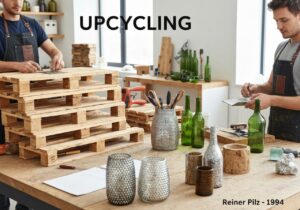
Recycling usually needs big machines and is done by large facilities. On the flip side, upcycling calls for imagination and craft. People or small companies often upcycle, making one-of-a-kind items like furniture from pallets.
This creativity doesn’t just cut down waste. It often leads to items more valuable than those made by recycling.
Environmental Benefits Compared
Recycling and upcycling both aim to ease the strain on our planet. They reduce landfill waste and lower the demand for raw materials. Yet, upcycling is less energy-hungry than recycling because it skips the heavy processing.
Upcycling makes the most out of materials and minimizes the fallout of making new goods. Recycling, though beneficial, needs more energy for its cycle of collect, process, and remake. For example, upcycling furniture is about effort and creativity, but recycling glass involves melting it down, which takes more energy.
Recycling and upcycling are key in our fight against waste, championing an eco-friendlier future. Recycling must excel in efficiency. Meanwhile, upcycling thrives on creativity, turning trash into treasures. They provide comprehensive tactics for environmental care and promoting sustainability.
The Benefits of Upcycling
Upcycling has many benefits like reducing waste, promoting 지속 가능한 디자인, and adding value. It helps protect the environment and drives creativity in unique ways.
Waste Minimization
Upcycling is great at minimizing waste. It turns items that could clutter landfills into something useful. It keeps the original look of things while cutting down on trash. This saves a lot of natural resources such as fuel and water.

Sustainable Design and Innovation
Upcycling pushes for sustainable design and innovation. It inspires people and designers to see old things in a new light. This process creates one-of-a-kind, eco-friendly products. Examples include turning t-shirts into grocery bags or making new decor from old headboards.
Economic and Aesthetic Value
Upcycling boosts an item’s worth by making it desirable again. This saves on the costs and energy of making new items. Upcycled items are unique and artistic, appealing to those who love green solutions and creativity.
The Benefits of Recycling
Recycling plays a big role in keeping our planet healthy. It helps our environment, economy, and our communities. By recycling items like aluminum, paper, and glass, we use fewer natural resources. For example, making new aluminum from old uses 95% less energy. This means less air pollution and saving precious resources like trees and water.
Recycling also helps our economy by creating jobs in the green industry. The EPA has found that recycling a ton of paper saves a lot of resources. We save 17 trees and 7,000 gallons of water. Plus, it means less trash in landfills and less air pollution from factories.
Recycling is important for our communities too. It teaches us to take better care of our planet. Small actions, like using refillable water bottles, make a big difference. If everyone does a little bit, we can greatly reduce the amount of waste we create. Investing in recycling means a better future for all of us.
Complementary Readings & Practices
- Composting: Learn about turning organic waste into nutrient-rich compost to reduce landfill usage and enhance soil health.
- Zero Waste Living: Implement strategies to minimize waste production through mindful consumption and innovative recycling techniques.
- Circular Economy: Understand the principles of designing products and systems that keep materials in use for as long as possible.
- Eco-Friendly Packaging: Develop and use packaging solutions that are recyclable, biodegradable, or made from upcycled materials.
- Renewable Energy Integration: Investigate how recycling materials can contribute to the development of renewable energy technologies.
- Green Building Practices: Utilize recycled materials in construction and design to create sustainable and eco-friendly structures.
- Environmental Education: Educate individuals and organizations on the benefits and methods of recycling and upcycling to foster sustainable habits.
- Resource Recovery: Focus on recovering valuable materials from waste streams to be reused or repurposed in new products.
자주 묻는 질문
재활용과 업사이클링의 차이점은 무엇인가요?
재활용은 폐기물을 새로운 제품으로 만들지만, 종종 품질이 떨어지는 경우가 많습니다. 업사이클링은 버려진 물건을 분해하지 않고 개선하여 기존과 같거나 더 높은 품질의 제품을 만들어냅니다.
재활용의 주된 목적은 무엇인가요?
재활용은 폐기물을 줄이고 물질의 수명을 연장하는 것을 목표로 합니다. 재활용을 통해 재사용 가능한 형태로 물질을 만들고, 천연자원을 절약하며, 매립지 사용량을 줄일 수 있습니다.
재활용은 환경에 어떤 이점을 가져다줄까요?
재활용은 매립 폐기물을 줄이고, 자원을 절약하며, 오염을 감소시킵니다. 또한 탄소 배출량을 줄이고 새로운 자재 제조에 필요한 에너지 소비를 감소시킵니다.
업사이클링이란 무엇이며, 재활용과는 어떻게 다른가요?
업사이클링은 쓰레기에 새 생명을 불어넣어 재료를 손상시키지 않고 가치를 높이는 활동입니다. 재활용과는 달리 재료를 분해하지 않고, 외관이나 기능을 직접적으로 향상시키는 방식입니다.
업사이클링의 예는 무엇인가요?
업사이클링의 예로는 낡은 옷을 새로운 액세서리로 만들거나, 유행이 지난 가구를 트렌디한 제품으로 바꾸거나, 재활용 재료로 장식품을 만드는 것 등이 있습니다.
업사이클링에서 창의성은 어떤 역할을 할까요?
업사이클링의 핵심은 창의성입니다. 오래된 물건에 새로운 용도를 찾아내고 가치를 더하는 창의적인 변화를 만들어내는 것이 중요합니다.
업사이클링은 재활용과 비교했을 때 환경에 어떤 이점이 있나요?
업사이클링은 더 적은 에너지와 재료로 제품의 수명을 연장합니다. 폐기물을 줄이고 폐기물 관리 부담을 완화하며, 지속 가능한 디자인과 혁신을 촉진합니다.
업사이클링의 경제적, 심미적 이점은 무엇일까요?
업사이클링은 쓰레기를 판매 가능한 형태로 만들어 금전적 가치를 더하는 활동입니다. 또한 독창적이고 예술적인 제품을 만들어 시장에서의 매력을 높여줍니다.
재활용이 환경 보전에 가져다주는 더 넓은 이점은 무엇일까요?
재활용은 자원을 절약하고, 제조 과정에서 필요한 에너지를 줄이며, 배출량을 감소시킵니다. 또한 친환경 일자리를 창출하여 지속 가능한 경제와 환경 의식을 함양합니다.
재활용 또는 업사이클링 관련 외부 링크
국제 표준
(링크 위에 마우스를 올려놓으면 콘텐츠에 대한 설명을 볼 수 있습니다.)
사용된 용어집
Upcycle: 폐기물이나 원치 않는 제품을 창의적인 재사용이나 용도 변경을 통해 더 높은 품질이나 가치를 지닌 새로운 제품으로 변환함으로써 환경에 미치는 영향을 줄이고 지속가능성을 증진하는 것.