消費者の期待が高まっている時代において、 ユーザーエクスペリエンス 競合他社よりも最大60%高い利益を生み出すことができる(フォレスターリサーチ) – 最小実行可能製品 (MVP) to a Minimum Awesome Product (MAP) has become a strategic imperative for some innovation-driven organizations. This shift centers not just on functionality, but on user delight and engagement. The MVP philosophy has served as a critical foundation for agile product development, focusing on releasing products that are just viable.
主なポイント

- MVP aims for functionality; MAP aims for user delight.
- 移行のきっかけとしては、ユーザーからのフィードバックや市場の需要などが挙げられる。
- 単なる事業の実現可能性から、卓越したユーザーエクスペリエンスへと焦点を移す。
- MAPの構築には、より反復的な開発とユーザーに関する洞察が必要となる。
- MAPの成功事例は、ユーザーエンゲージメントの明確な向上を示している。
- Aim for MAP too early can lead to resource strain.
最小実行可能製品(MVP)の定義、その目的と基本原則
最低限の事項を簡単にまとめてみましょう 実行可能な製品 (MVP): MVPとは、初期採用者のニーズを満たし、今後の開発のためのフィードバックを収集するために必要な最も重要な機能を備えた製品を指します。これは主に、製品仮説の検証においてスピードと効率性を優先するリーンスタートアップの手法に根ざした概念です。MVPの主な目的は、最小限のリソースと時間で顧客の嗜好を把握できる製品を構築することです。これにより、憶測に基づく仮説ではなく、実際のユーザーからのフィードバックに基づいて迅速な反復が可能になります。

The central idea is to introduce only the features that solve the essential problem for users. Features that do not contribute to this validation process are omitted to streamline the development. This focus aims to produce a working product in the shortest time possible, which can then be tested and improved upon based on observations and user feedback.
MVPに関する詳細については、以下を参照してください。

実証済みの指標がMVPの効率性を証明しています。 2020年のアジャイル開発状況レポートによると、回答者の62%が、MVP戦略を活用することで得られる直接的なメリットとして、チームによる顧客価値の提供スピードの向上を挙げています。さらに、Dropboxのような企業は、本格的なアプリケーション開発に着手する前に、シンプルなランディングページを公開して関心度を測ることでMVPを効果的に活用し、コーディング開始前に7万件以上のサインアップを獲得しました。
「あれば便利」な機能と、機能にとって不可欠な機能の間には明確な区別が存在します。MVP開発においては、後者のカテゴリを優先すべきです。チームは、MoSCoW(必須、推奨、あれば良い、不要)などの優先順位付けフレームワークを活用して、これらの必須要素を効果的に特定する必要があります。このアプローチにより、製品の中核となる前提を検証する機能にリソースが確実に割り当てられます。
ヒント: MVP(最小実行可能製品)を設計する際には、より迅速な反復開発を促進するために、早い段階でフィードバックループを導入することを検討してください。ユーザーとの対話を通じて、製品開発サイクルを加速させる洞察を得ることができます。
Minimum Awesome Product: characteristics and how it differs from MVP

Minimum Awesome Product (MAP) encompasses a product with enhanced value beyond basic functionality, aiming to not just meet user needs, but to delight and 従事する them. Characteristics of a MAP include superior user experience (UX), innovative features, and emotional engagement.
Unlike MVP, which targets the bare minimum required to validate a market hypothesis, MAP focuses on delivering a compelling product that evokes positive user responses. This often involves a combination of aesthetic design, seamless 使いやすさ, and fulfilling user expectations while establishing brand loyalty.
To illustrate the shift in focus from MVP to MAP, consider two different sectors: software applications and consumer electronics:
- In software, a MAP is exemplified by Dropbox, which transitioned from basic file storage to offering collaborative tools that enhance user engagement and productivity.
- In consumer electronics, Apple’s transition from basic smartphones to iPhones, which combine sleek design, user-friendly interfaces, and a broad app ecosystem, highlights this principle.
Reasons and triggers for transitioning from MVP to MAP
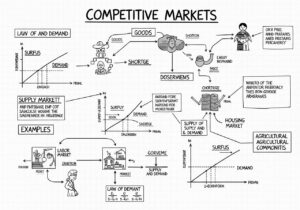
The shift from MVP to MAP is often driven by market feedback, indicating a strong need for products that not only meet essential requirements but also exceed user expectations. As organizations launch MVPs, they frequently gather customer insights which can reveal deficiencies in user satisfaction. For instance, a study by the Nielsen Norman Group found that 70% of new products fail due to poor user experience.
The competitive markets serves as another significant trigger for this transition. Companies attempting to differentiate themselves from competitors must focus on unique 販売 propositions that resonate deeply with consumers. In sectors such as technology and consumer electronics, where expectations are now inherently high, merely offering a viable product may not suffice. For example, Apple consistently moves beyond MVPs, producing MAPs that combine high functionality with aesthetic value, creating unparalleled user loyalty.
ヒント: engage users through beta testing phases. Solicit feedback on additional features that could enhance user experience prior to a broader market launch. This practice can transform a standard MVP into a MAP by focusing on what users genuinely desire.
| 側面 | MVP | MAP |
|---|---|---|
| User Satisfaction | Basic functionality | Exceptional usability and aesthetics |
| Market Differentiation | Simple features | Unique offerings with enhanced user engagement |
| Consumer Expectations | Meeting bare minimum | Exceeding user needs and desires |
| Feedback Loop | Less frequent adjustments | Continuous improvement based on user insights |
Tip bis: again, regularly schedule user feedback sessions to ensure the product evolves according to user expectations, fostering a strong connection between the brand and its audience.
The development process adjustments needed for building a MAP versus a MVP

Transitioning from a Minimum Viable Product (MVP) to a Minimum Awesome Product (MAP) involves significant adjustments in the development process:
- only advanced prototyping: while MVP typically relies on basic prototypes—often low-fidelity wireframes or mock-ups—developing a MAP requires high-fidelity prototypes that simulate real-world usage. High-fidelity prototypes can lead to reduced ambiguities regarding user expectations, ultimately enhancing the final product’s quality.
- real product roadmaps: they should also evolve to reflect a long-term vision rather than just focusing on immediate deliverables. For MAP development, roadmaps should include ユーザー中心 goals and key performance indicators (KPIs) that assess user delight and satisfaction. This shift encourages teams to maintain a broader perspective and aspire to achieve superior user experiences.
- (likely) more resource allocation: it becomes more strategic in MAP development. Teams must invest in UI/UX specialists and other more rigorous testing methodologies, leading to increased upfront costs.
| 基準 | MVP Approach | MAP Approach |
|---|---|---|
| Prototyping Fidelity | Low-fidelity | High-fidelity |
| User Feedback Integration | Post-launch | Continuous |
| Resource Allocation | Minimal UX budget | Dedicated UX resources |
ヒント: Utilize design sprints to quickly iterate on ideas and validate them with users, ensuring that each enhancement aligns with market expectations before significant development resources are expended.
A Final View
In today’s highly competitive market, the transition from a Minimum Viable Product (MVP) to a Minimum Awesome Product (MAP) may represent a necessary evolution for organizations striving to exceed basic functionality and truly connect with their users. As we’ve discussed, this shift takes into account not just the survival of a product in the 市場 but also its ability to spark joy and maintain engagement among users. By prioritizing user experience and satisfaction, organizations can unlock greater loyalty and boost profitability, ensuring that their products resonate deeply in a sea of options.
This approach is no longer an option but a fundamental shift in how products are perceived and experienced. As organizations aim for memorable interactions rather than just adequate solutions.
関連トピック
- Understanding the Customer Journey: mapping out the various stages users go through when interacting with a product.
- Brand Positioning and Messaging: crafting the right message to communicate the value of the MAP to the target audience.
- Visual Design Impact: understanding how aesthetics can influence user perception and engagement with a product.
- パフォーマンス最適化: focusing on the technical backend to ensure speed and reliability in delivering the MAP.
- User Onboarding Experience: designing an effective process that helps users understand and get maximum value from the product.
- Market Differentiators: identifying unique features of the MAP that distinguish it from competitors in the market.
- Long-term Vision Alignment: aligning the product road map with broader company goals and user aspirations for sustainability.
用語集
Key Performance Indicator (KPI): a measurable value that demonstrates how effectively an organization is achieving key business objectives, often used to evaluate success at reaching targets.
Minimum Viable Product (MVP): 初期ユーザーのニーズを満たし、今後の開発のためのフィードバックを収集するために必要な基本機能のみを搭載した製品の基本バージョン。最小限のリソースと時間投資で顧客ニーズに関する仮説を検証することを目的としている。
User experience (UX): the overall satisfaction and perception of a user when interacting with a product, system, or service, encompassing usability, accessibility, design, and emotional response throughout the entire interaction process.
User Interface (UI): a system that enables interaction between users and software applications, encompassing visual elements, controls, and overall layout to facilitate user tasks and enhance experience.