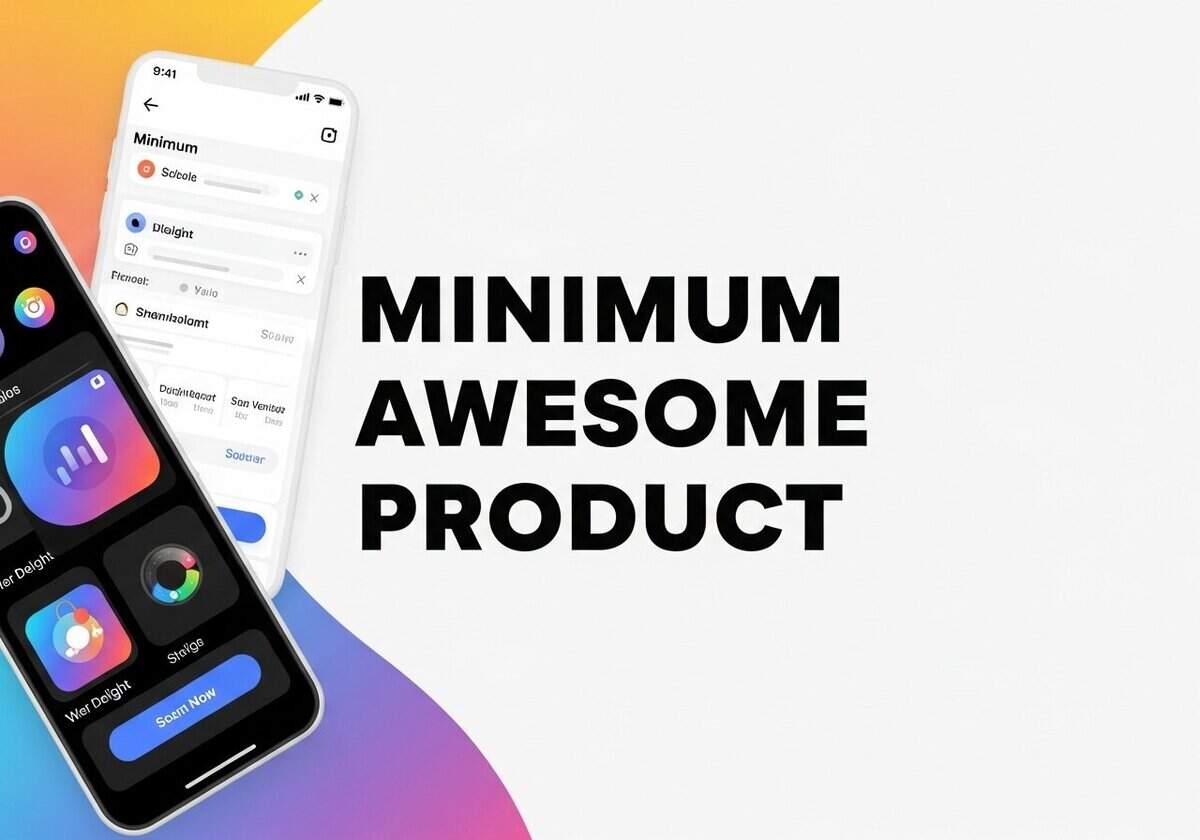
Numa era em que as expectativas dos consumidores estão a aumentar exponencialmente – com estudos a demonstrar que as empresas que se destacam em experiência do usuário podem gerar lucros até 60% maiores do que seus concorrentes (Forrester Research) – em transição de uma Produto Mínimo Viável (MVP) to a Minimum Awesome Product (MAP) has become a strategic imperative for some innovation-driven organizations. This shift centers not just on functionality, but on user delight and engagement. The MVP philosophy has served as a critical foundation for agile product development, focusing on releasing products that are just viable.
Principais conclusões

- MVP aims for functionality; MAP aims for user delight.
- Os fatores que desencadeiam a transição incluem o feedback dos usuários e as demandas do mercado.
- Mude o foco da mera viabilidade para uma experiência de usuário excepcional.
- A construção do MAP requer um desenvolvimento mais iterativo e insights dos usuários.
- Exemplos bem-sucedidos de MAP demonstram melhorias claras no engajamento do usuário.
- Aim for MAP too early can lead to resource strain.
Definição de Produto Mínimo Viável, seu propósito e princípios fundamentais.
Um breve resumo sobre o Mínimo Produto viável (MVP): Refere-se a um produto que possui as funcionalidades essenciais para satisfazer os primeiros usuários e coletar feedback para o desenvolvimento futuro. É um conceito fundamentalmente enraizado nas metodologias de startup enxuta, que priorizam a velocidade e a eficiência na validação de hipóteses de produto. O principal objetivo de um MVP (Produto Viável Mínimo) é construir um produto que permita às equipes aprender sobre as preferências dos clientes com o mínimo de recursos e tempo investidos. Isso possibilita iterações rápidas baseadas em feedback real do usuário, em vez de suposições especulativas.

The central idea is to introduce only the features that solve the essential problem for users. Features that do not contribute to this validation process are omitted to streamline the development. This focus aims to produce a working product in the shortest time possible, which can then be tested and improved upon based on observations and user feedback.
Para obter todos os detalhes sobre o MVP, consulte:

Métricas comprovadas demonstram a eficiência dos MVPs: De acordo com o Relatório State of Agile de 2020, 62% dos entrevistados citaram a entrega mais rápida de valor ao cliente pela equipe como um benefício direto da utilização de estratégias de MVP (Produto Viável Mínimo). Além disso, empresas como o Dropbox utilizaram MVPs com eficácia ao lançarem uma página inicial simples para avaliar o interesse antes de desenvolverem o aplicativo completo, resultando em mais de 70.000 cadastros antes mesmo do início da programação.
Existe uma clara distinção entre funcionalidades consideradas "desejáveis" e aquelas que são criticamente necessárias para o funcionamento. Esta última categoria deve ser priorizada durante o desenvolvimento do MVP (Produto Viável Mínimo). As equipes devem utilizar frameworks de priorização como o MoSCoW (Obrigatório, Desejável, Opcional e Não necessário) para identificar esses elementos essenciais de forma eficaz. Essa abordagem garante que os recursos sejam alocados às funcionalidades que validam as principais premissas do produto.
Dica: Ao desenvolver um MVP (Produto Viável Mínimo), considere implementar ciclos de feedback desde o início para facilitar iterações mais rápidas. Interagir com seus usuários pode revelar insights que aceleram o ciclo de desenvolvimento do seu produto.
Minimum Awesome Product: characteristics and how it differs from MVP

Minimum Awesome Product (MAP) encompasses a product with enhanced value beyond basic functionality, aiming to not just meet user needs, but to delight and envolver them. Characteristics of a MAP include superior user experience (UX), innovative features, and emotional engagement.
Unlike MVP, which targets the bare minimum required to validate a market hypothesis, MAP focuses on delivering a compelling product that evokes positive user responses. This often involves a combination of aesthetic design, seamless usabilidade, and fulfilling user expectations while establishing brand loyalty.
To illustrate the shift in focus from MVP to MAP, consider two different sectors: software applications and consumer electronics:
- In software, a MAP is exemplified by Dropbox, which transitioned from basic file storage to offering collaborative tools that enhance user engagement and productivity.
- In consumer electronics, Apple’s transition from basic smartphones to iPhones, which combine sleek design, user-friendly interfaces, and a broad app ecosystem, highlights this principle.
Reasons and triggers for transitioning from MVP to MAP
The shift from MVP to MAP is often driven by market feedback, indicating a strong need for products that not only meet essential requirements but also exceed user expectations. As organizations launch MVPs, they frequently gather customer insights which can reveal deficiencies in user satisfaction. For instance, a study by the Nielsen Norman Group found that 70% of new products fail due to poor user experience.
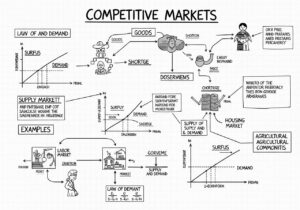
The competitive markets serves as another significant trigger for this transition. Companies attempting to differentiate themselves from competitors must focus on unique vendendo propositions that resonate deeply with consumers. In sectors such as technology and consumer electronics, where expectations are now inherently high, merely offering a viable product may not suffice. For example, Maçã consistently moves beyond MVPs, producing MAPs that combine high functionality with aesthetic value, creating unparalleled user loyalty.
Dica: engage users through beta testing phases. Solicit feedback on additional features that could enhance user experience prior to a broader market launch. This practice can transform a standard MVP into a MAP by focusing on what users genuinely desire.
| Aspecto | MVP | MAP |
|---|---|---|
| User Satisfaction | Basic functionality | Exceptional usability and aesthetics |
| Market Differentiation | Simple features | Unique offerings with enhanced user engagement |
| Consumer Expectations | Meeting bare minimum | Exceeding user needs and desires |
| Feedback Loop | Less frequent adjustments | Continuous improvement based on user insights |
Tip bis: again, regularly schedule user feedback sessions to ensure the product evolves according to user expectations, fostering a strong connection between the brand and its audience.
The development process adjustments needed for building a MAP versus a MVP

Transitioning from a Minimum Viable Product (MVP) to a Minimum Awesome Product (MAP) involves significant adjustments in the development process:
- only advanced prototyping: while MVP typically relies on basic prototypes—often low-fidelity wireframes or mock-ups—developing a MAP requires high-fidelity prototypes that simulate real-world usage. High-fidelity prototypes can lead to reduced ambiguities regarding user expectations, ultimately enhancing the final product’s quality.
- real product roadmaps: they should also evolve to reflect a long-term vision rather than just focusing on immediate deliverables. For MAP development, roadmaps should include centrado no usuário goals and key performance indicators (KPIs) that assess user delight and satisfaction. This shift encourages teams to maintain a broader perspective and aspire to achieve superior user experiences.
- (likely) more resource allocation: it becomes more strategic in MAP development. Teams must invest in UI/UX specialists and other more rigorous testing methodologies, leading to increased upfront costs.
| Critérios | MVP Approach | MAP Approach |
|---|---|---|
| Prototyping Fidelity | Low-fidelity | High-fidelity |
| User Feedback Integration | Post-launch | Continuous |
| Resource Allocation | Minimal UX budget | Dedicated UX resources |
Dica: Utilize design sprints to quickly iterate on ideas and validate them with users, ensuring that each enhancement aligns with market expectations before significant development resources are expended.
A Final View
In today’s highly competitive market, the transition from a Minimum Viable Product (MVP) to a Minimum Awesome Product (MAP) may represent a necessary evolution for organizations striving to exceed basic functionality and truly connect with their users. As we’ve discussed, this shift takes into account not just the survival of a product in the mercado but also its ability to spark joy and maintain engagement among users. By prioritizing user experience and satisfaction, organizations can unlock greater loyalty and boost profitability, ensuring that their products resonate deeply in a sea of options.
This approach is no longer an option but a fundamental shift in how products are perceived and experienced. As organizations aim for memorable interactions rather than just adequate solutions.
Tópicos relacionados
- Understanding the Customer Journey: mapping out the various stages users go through when interacting with a product.
- Brand Positioning and Messaging: crafting the right message to communicate the value of the MAP to the target audience.
- Visual Design Impact: understanding how aesthetics can influence user perception and engagement with a product.
- Otimização de desempenho: focusing on the technical backend to ensure speed and reliability in delivering the MAP.
- User Onboarding Experience: designing an effective process that helps users understand and get maximum value from the product.
- Market Differentiators: identifying unique features of the MAP that distinguish it from competitors in the market.
- Long-term Vision Alignment: aligning the product road map with broader company goals and user aspirations for sustainability.
Glossário de termos utilizados
Key Performance Indicator (KPI): Um valor mensurável que demonstra a eficácia com que uma organização está atingindo seus principais objetivos de negócios, frequentemente usado para avaliar o sucesso no alcance de metas.
Minimum Viable Product (MVP): Uma versão básica de um produto que inclui apenas os recursos essenciais necessários para satisfazer os primeiros usuários e coletar feedback para o desenvolvimento futuro. Seu objetivo é validar hipóteses sobre as necessidades do cliente com o mínimo de recursos e tempo investidos.
User experience (UX): the overall satisfaction and perception of a user when interacting with a product, system, or service, encompassing usability, accessibility, design, and emotional response throughout the entire interaction process.
User Interface (UI): a system that enables interaction between users and software applications, encompassing visual elements, controls, and overall layout to facilitate user tasks and enhance experience.