소비자 기대치가 급격히 높아지는 시대에, 여러 연구에 따르면 뛰어난 기업들은 다음과 같은 점에서 경쟁력을 갖춰야 합니다. 사용자 경험 경쟁사보다 최대 60% 더 높은 수익을 창출할 수 있습니다(포레스터 리서치) - 전환 과정에서 최소 기능 제품 (MVP) to a Minimum Awesome Product (MAP) has become a strategic imperative for some innovation-driven organizations. This shift centers not just on functionality, but on user delight and engagement. The MVP philosophy has served as a critical foundation for agile product development, focusing on releasing products that are just viable.
핵심 요약

- MVP aims for functionality; MAP aims for user delight.
- 전환을 촉발하는 요인에는 사용자 피드백과 시장 수요가 포함됩니다.
- 단순히 실현 가능성에만 초점을 맞추지 말고, 탁월한 사용자 경험에 집중하세요.
- MAP 구축에는 더 많은 반복적인 개발과 사용자 인사이트가 필요합니다.
- 성공적인 MAP 사례들은 사용자 참여도 향상이라는 분명한 결과를 보여줍니다.
- Aim for MAP too early can lead to resource strain.
최소 기능 제품(MVP)의 정의, 목적 및 핵심 원칙
최소값에 대한 간략한 요약 실행 가능한 제품 (MVP): MVP(최소 기능 제품)는 초기 사용자를 만족시키고 향후 개발을 위한 피드백을 수집하는 데 필요한 가장 핵심적인 기능만을 갖춘 제품을 의미합니다. 이는 주로 제품 가설 검증에 있어 속도와 효율성을 중시하는 린 스타트업 방법론에 뿌리를 둔 개념입니다. MVP의 주요 목표는 최소한의 자원과 시간 투자로 고객 선호도를 파악할 수 있는 제품을 개발하는 것입니다. 이를 통해 추측에 기반한 개발이 아닌 실제 사용자 의견을 바탕으로 신속한 반복 개발이 가능해집니다.

The central idea is to introduce only the features that solve the essential problem for users. Features that do not contribute to this validation process are omitted to streamline the development. This focus aims to produce a working product in the shortest time possible, which can then be tested and improved upon based on observations and user feedback.
MVP에 대한 자세한 내용은 다음을 참조하십시오.

검증된 지표는 MVP의 효율성을 입증합니다. 2020년 애자일 현황 보고서에 따르면 응답자의 62%가 MVP 전략 활용의 직접적인 이점으로 고객 가치 제공 속도 향상을 꼽았습니다. 또한 Dropbox와 같은 기업은 MVP를 효과적으로 활용하여 정식 애플리케이션 개발에 앞서 간단한 랜딩 페이지를 출시해 사용자 관심도를 측정했고, 코딩 시작 전 7만 명 이상의 가입자를 확보했습니다.
'있으면 좋은' 기능과 기능 구현에 필수적인 기능은 명확하게 구분됩니다. MVP 개발 시에는 후자에 우선순위를 두어야 합니다. 팀은 MoSCoW(필수, 권장, 선택, 불필요)와 같은 우선순위 프레임워크를 활용하여 이러한 필수 요소를 효과적으로 식별해야 합니다. 이러한 접근 방식을 통해 제품의 핵심 가정을 검증하는 기능에 자원을 효율적으로 배분할 수 있습니다.
팁: MVP를 구상할 때, 빠른 반복 작업을 위해 초기 단계부터 피드백 루프를 구현하는 것을 고려해 보세요. 사용자 참여를 통해 제품 개발 주기를 단축하는 데 도움이 되는 인사이트를 얻을 수 있습니다.
Minimum Awesome Product: characteristics and how it differs from MVP

Minimum Awesome Product (MAP) encompasses a product with enhanced value beyond basic functionality, aiming to not just meet user needs, but to delight and 관계를 맺다 them. Characteristics of a MAP include superior user experience (UX), innovative features, and emotional engagement.
Unlike MVP, which targets the bare minimum required to validate a market hypothesis, MAP focuses on delivering a compelling product that evokes positive user responses. This often involves a combination of aesthetic design, seamless 사용성, and fulfilling user expectations while establishing brand loyalty.
To illustrate the shift in focus from MVP to MAP, consider two different sectors: software applications and consumer electronics:
- In software, a MAP is exemplified by Dropbox, which transitioned from basic file storage to offering collaborative tools that enhance user engagement and productivity.
- In consumer electronics, Apple’s transition from basic smartphones to iPhones, which combine sleek design, user-friendly interfaces, and a broad app ecosystem, highlights this principle.
Reasons and triggers for transitioning from MVP to MAP

The shift from MVP to MAP is often driven by market feedback, indicating a strong need for products that not only meet essential requirements but also exceed user expectations. As organizations launch MVPs, they frequently gather customer insights which can reveal deficiencies in user satisfaction. For instance, a study by the Nielsen Norman Group found that 70% of new products fail due to poor user experience.
The competitive markets serves as another significant trigger for this transition. Companies attempting to differentiate themselves from competitors must focus on unique 판매 propositions that resonate deeply with consumers. In sectors such as technology and consumer electronics, where expectations are now inherently high, merely offering a viable product may not suffice. For example, Apple consistently moves beyond MVPs, producing MAPs that combine high functionality with aesthetic value, creating unparalleled user loyalty.
팁: engage users through beta testing phases. Solicit feedback on additional features that could enhance user experience prior to a broader market launch. This practice can transform a standard MVP into a MAP by focusing on what users genuinely desire.
| 측면 | MVP | MAP |
|---|---|---|
| User Satisfaction | Basic functionality | Exceptional usability and aesthetics |
| Market Differentiation | Simple features | Unique offerings with enhanced user engagement |
| Consumer Expectations | Meeting bare minimum | Exceeding user needs and desires |
| Feedback Loop | Less frequent adjustments | Continuous improvement based on user insights |
Tip bis: again, regularly schedule user feedback sessions to ensure the product evolves according to user expectations, fostering a strong connection between the brand and its audience.
The development process adjustments needed for building a MAP versus a MVP

Transitioning from a Minimum Viable Product (MVP) to a Minimum Awesome Product (MAP) involves significant adjustments in the development process:
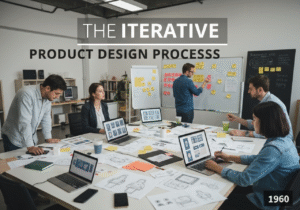
- only advanced prototyping: while MVP typically relies on basic prototypes—often low-fidelity wireframes or mock-ups—developing a MAP requires high-fidelity prototypes that simulate real-world usage. High-fidelity prototypes can lead to reduced ambiguities regarding user expectations, ultimately enhancing the final product’s quality.
- real product roadmaps: they should also evolve to reflect a long-term vision rather than just focusing on immediate deliverables. For MAP development, roadmaps should include 사용자 중심 goals and key performance indicators (KPIs) that assess user delight and satisfaction. This shift encourages teams to maintain a broader perspective and aspire to achieve superior user experiences.
- (likely) more resource allocation: it becomes more strategic in MAP development. Teams must invest in UI/UX specialists and other more rigorous testing methodologies, leading to increased upfront costs.
| 기준 | MVP Approach | MAP Approach |
|---|---|---|
| Prototyping Fidelity | Low-fidelity | High-fidelity |
| User Feedback Integration | Post-launch | Continuous |
| Resource Allocation | Minimal UX budget | Dedicated UX resources |
팁: Utilize design sprints to quickly iterate on ideas and validate them with users, ensuring that each enhancement aligns with market expectations before significant development resources are expended.
A Final View
In today’s highly competitive market, the transition from a Minimum Viable Product (MVP) to a Minimum Awesome Product (MAP) may represent a necessary evolution for organizations striving to exceed basic functionality and truly connect with their users. As we’ve discussed, this shift takes into account not just the survival of a product in the 시장 but also its ability to spark joy and maintain engagement among users. By prioritizing user experience and satisfaction, organizations can unlock greater loyalty and boost profitability, ensuring that their products resonate deeply in a sea of options.
This approach is no longer an option but a fundamental shift in how products are perceived and experienced. As organizations aim for memorable interactions rather than just adequate solutions.
관련 주제
- Understanding the Customer Journey: mapping out the various stages users go through when interacting with a product.
- Brand Positioning and Messaging: crafting the right message to communicate the value of the MAP to the target audience.
- Visual Design Impact: understanding how aesthetics can influence user perception and engagement with a product.
- 성능 최적화: focusing on the technical backend to ensure speed and reliability in delivering the MAP.
- User Onboarding Experience: designing an effective process that helps users understand and get maximum value from the product.
- Market Differentiators: identifying unique features of the MAP that distinguish it from competitors in the market.
- Long-term Vision Alignment: aligning the product road map with broader company goals and user aspirations for sustainability.
사용된 용어집
Key Performance Indicator (KPI): a measurable value that demonstrates how effectively an organization is achieving key business objectives, often used to evaluate success at reaching targets.
Minimum Viable Product (MVP): 초기 사용자들을 만족시키고 향후 개발을 위한 피드백을 수집하는 데 필요한 핵심 기능만 포함하는 제품의 기본 버전입니다. 최소한의 자원과 시간 투자로 고객 요구에 대한 가설을 검증하는 것을 목표로 합니다.
User experience (UX): the overall satisfaction and perception of a user when interacting with a product, system, or service, encompassing usability, accessibility, design, and emotional response throughout the entire interaction process.
User Interface (UI): a system that enables interaction between users and software applications, encompassing visual elements, controls, and overall layout to facilitate user tasks and enhance experience.