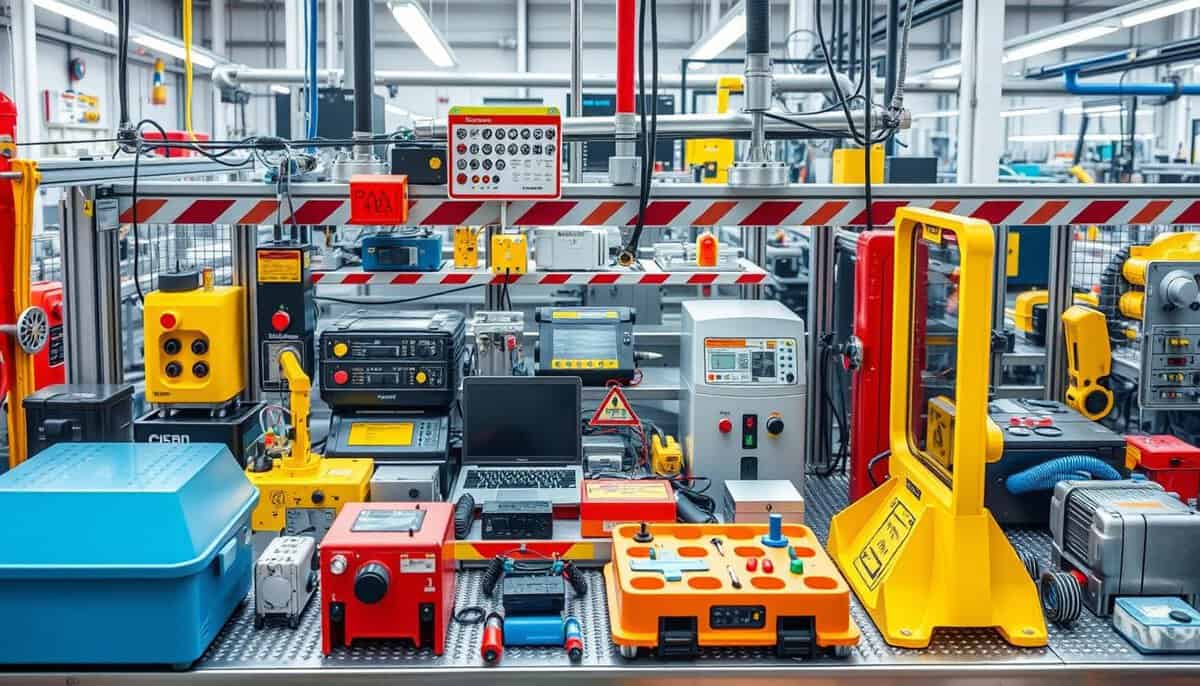
ポカヨケが不良率を大幅に削減し、製品品質を向上させることをご存知ですか?ポカヨケは単にミスを減らすだけではありません。生産性を向上させ、従業員の士気を高め、不良品や検査にかかる費用を削減します。今日の競争の激しい製造業の世界では、些細なミスが大きな影響を及ぼす可能性があります。この日本の手法は、効率性と品質管理の向上につながります。
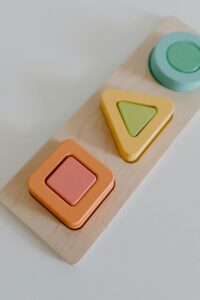
Poka-yoke means “fool-proofing” in Japanese. It’s a key part of リーン生産方式.
この手法は、排除、予防、検出、軽減という4つの主要原則に基づいています。これらの原則は、すべてが最初から正しく機能することを確実にするのに役立ちます。この方法は、エラーを防止し、品質を管理するのに非常に効果的です。人によるミスと機械によるミスの両方を削減します。
製造業やサービス業にポカヨケを導入することで、エラーを迅速に、あるいは発生する前に発見することができます。これにより、最終製品に影響が出る前に損害を防ぐことができます。この手法は、コストを増加させることなく高い品質を維持します。人間のスキルとエラー防止戦略を組み合わせることで、企業は熟練した労働力を維持しながら、最高品質の製品を製造することが可能になります。
主なポイント
- ポカヨケ、つまり「間違い防止」は、ミスを減らし、品質管理を向上させるための鍵となる。
- それを使用することで、欠陥が減り、最終製品の品質が向上します。
- 優れたポカヨケ手法は、コスト削減と同時に、作業生産性と士気を向上させる。
- このプログラムは、排除、予防、検出、および軽減の原則に重点を置いています。
- ブレンド 人間工学に基づいた ポカヨケを取り入れた設計は、作業員の疲労や精神的負担を軽減することができる。
- から トヨタ生産方式ポカヨケは製造業やサービス業において非常に重要です。
- ポカヨケは、接触、固定値、動作ステップなどの技術を用いて、ミスのないプロセスを実現します。
ポカヨケの起源と原理を理解する
ポカヨケは、トヨタの取り組みの一環として、1960年代に新郷重雄によって始められました。製造における欠陥ゼロを目指し、ミスを未然に防ぐか、発生したミスをすぐに明らかにすることを目的としています。
ポカヨケの起源
シンゴは生産精度を向上させたいと考えていた。ネガティブなイメージを避けるため、「バカでもできる」設計から「エラー防止」へと方向転換した。最初のツールは、組み立てラインでバネが漏れるのを防ぐもので、シンプルなアイデアがエラーを防止できることを示した。
ポカヨケの主要原則
ポカヨケは、欠陥を迅速に停止、特定、修正することに重点を置いています。これにより、製造工程の質と信頼性が向上します。ミスを未然に防ぐための制御方法と、起こりうるエラーを警告するための警告方法があります。
ポカヨケ技術の種類
ポカヨケ技術は、エラーを防止することを目的とした3つのタイプに分類されます。これらの技術は、何が間違っているかを自動的に検出するのに役立ちます。これらの方法は、医療や自動車など、多くの分野で品質と効率の向上に活用されています。
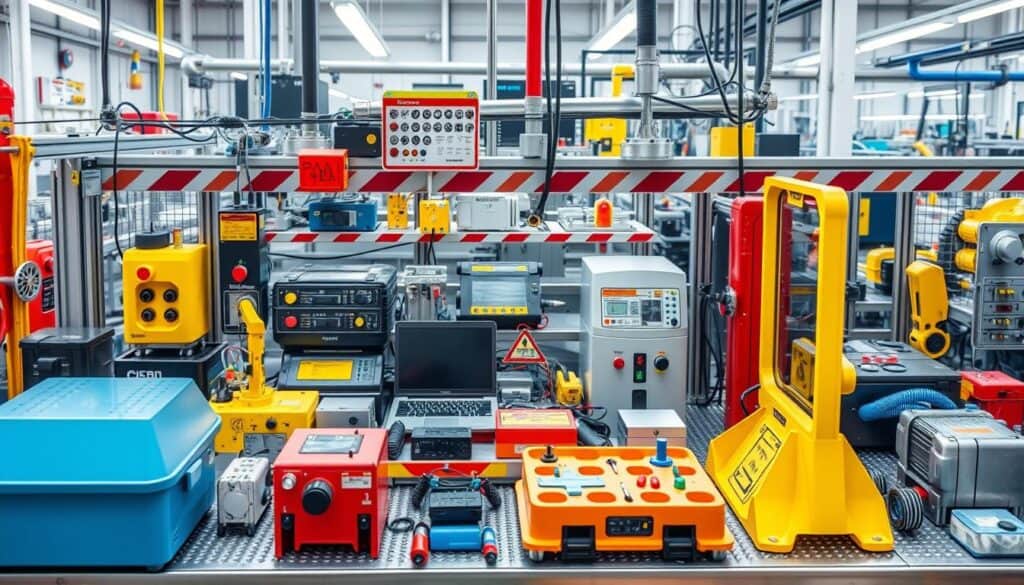
連絡方法

の 接触方法 サイズ、形状、色、重量などの要素を用いて間違いを検出します。次のステップに進む前に、必要な機能が備わっているかどうかを確認します。これにより、最初から正しい処理が行われることが保証されます。
寸法をチェックするセンサーや、正しい医薬品であることを確認するためのバーコードなどはその一例です。また、自動車のクラッチペダルは事故を防止します。この方法により、作業のやり直しが減り、業務の信頼性が向上します。
固定値方式
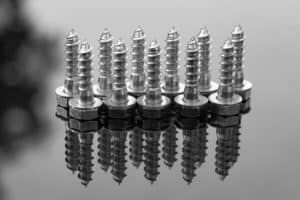
固定値方式は、適切な数の作業や部品が確実に完了することを保証します。これは、正確な反復作業を行う組立ラインで広く用いられています。これにより、高い品質を維持し、エラーを低く抑えることができます。
センサーはネジの数を数えて、ネジが欠けていないかを確認する。品質を維持するために、すべての工程を追跡する。これは電子機器製造において、すべての部品が正しく取り付けられていることを確認するためによく用いられる。
動作ステップ法
の 動作ステップ法 各手順が正しい順序で実行されているかを確認します。手順を間違えて実行したことによるミスを修正し、すべてが正しく実行されるようにします。
物を作る上で、部品を順番通りに組み立てることは非常に重要です。そうすることで、次のステップに進む前に、それぞれの作業が正しく行われていることを確実にできます。この方法によって、工程がスムーズになり、生産効率が向上します。
例: 内部部品が欠けている場合、カバーを組み立てることはできません(ちなみに、多くの家庭用掃除機でも同じ原理が使われています。ダストバッグが欠けていると蓋を閉じることができません)。
ポカヨケの手法を製品製造に活用することで、ミスをなくすことに重点を置くことができます。また、安全性の向上、コスト削減、そして常に良質な製品を提供することによる顧客満足度の向上にもつながります。
Benefits of Implementing Poka-Yoke in Your Manufacturing Process
Using poka-yoke in manufacturing offers many great benefits. It improves quality and slashes costs related to defects and rework. This helps companies tremendously.
This approach promotes ongoing improvement and cuts down the need for lots of controls and training thanks to its self-checks.
One key advantage of poka-yoke is cost reduction. It significantly reduces waste, scraps, and rework costs. By minimizing downtime, it also increases the efficiency of manufacturing. Using poka-yoke tools like contact methods, fixed-value methods, and motion-step methods helps spot and fix errors fast. This stops defects from leading to bigger problems.
Poka-yoke also makes the workplace safer. It catches errors early to prevent accidents, making a safer place for workers. This boosts their morale and 仕事 satisfaction, which in turn increases productive output.
| 利点 | 説明 |
|---|---|
| Quality Enhancement | Improved product quality through error prevention and detection. |
| Cost Reduction | Lowered expenses due to reduced waste, scrap, and rework. |
| Manufacturing Efficiency | Increased productivity by minimizing downtime and errors. |
| Workplace Safety | Enhanced safety by preventing human errors that could lead to accidents. |
| Employee Morale | Boosted job satisfaction and engagement through streamlined processes. |
| Customer Satisfaction | Consistent quality of products leads to higher customer trust and loyalty. |
How to Effectively Integrate Poka-Yoke into Your Quality Control
Integrating poka-yoke into quality control is key to finding defects early and boosting production quality. It involves steps that build a strong quality control system.
Designing Processes for Error Signals
After finding where errors could occur, design processes that alert you to these errors. This can be through warnings or stoppings when something is off track. This helps stop defective work from continuing.
- Use tech solutions like pick-to-light systems, break beams, and vision checks.
- Add stop functions that trigger when errors are spotted.
Role of Employee Involvement
It’s very important to have employees involved in poka-yoke and quality control. They know the workflow well and see common issues. Getting their help in spotting and fixing defects can lead to ongoing improvement and better quality.
“Our frontline workers are often the greatest source of innovation in error detection and prevention,” noted a トヨタ Production System expert.
Ergonomics and Poka-Yoke: Creating a Safer Workplace
Mixing 人間工学 with poka-yoke makes workplaces safer and more efficient. Ergonomic poka-yoke means designing tools and spaces to reduce strain. It also helps prevent mistakes from fatigue or oversight. This approach lets workers do their jobs comfortably, cutting down injury risks and keeping productivity up.
When we add ergonomic error-proofing to production, we focus on safety and avoiding mistakes. Using ergonomic designs, like adjustable stations and natural movement tools, works well with poka-yoke. Add in visual aids and physical barriers, and the workplace gets even safer for everyone.
The results of this combined strategy are huge. It makes work conditions better, leading to fewer injuries and mistakes. This doesn’t just keep employees safe—it builds a culture of excellence.
Related Readings
- Industrial engineering: focuses on the optimization of complex processes or systems, integrating people, materials, information, equipment, and energy to improve production efficiency.
- Error proofing: techniques and strategies designed to prevent mistakes in manufacturing and service processes.
標準作業: establishing and documenting the best practices for performing work consistently and efficiently.
External Links on Error-proof and Quality Manufacturing
国際規格
(リンクにカーソルを合わせると、コンテンツの説明が表示されます)
用語集
Toyota Production System (TPS): 廃棄物の削減、継続的な改善、効率的な生産フローを重視し、ジャストインタイムや自働化などの技術を活用して品質と業務効率を向上させる製造方法論。