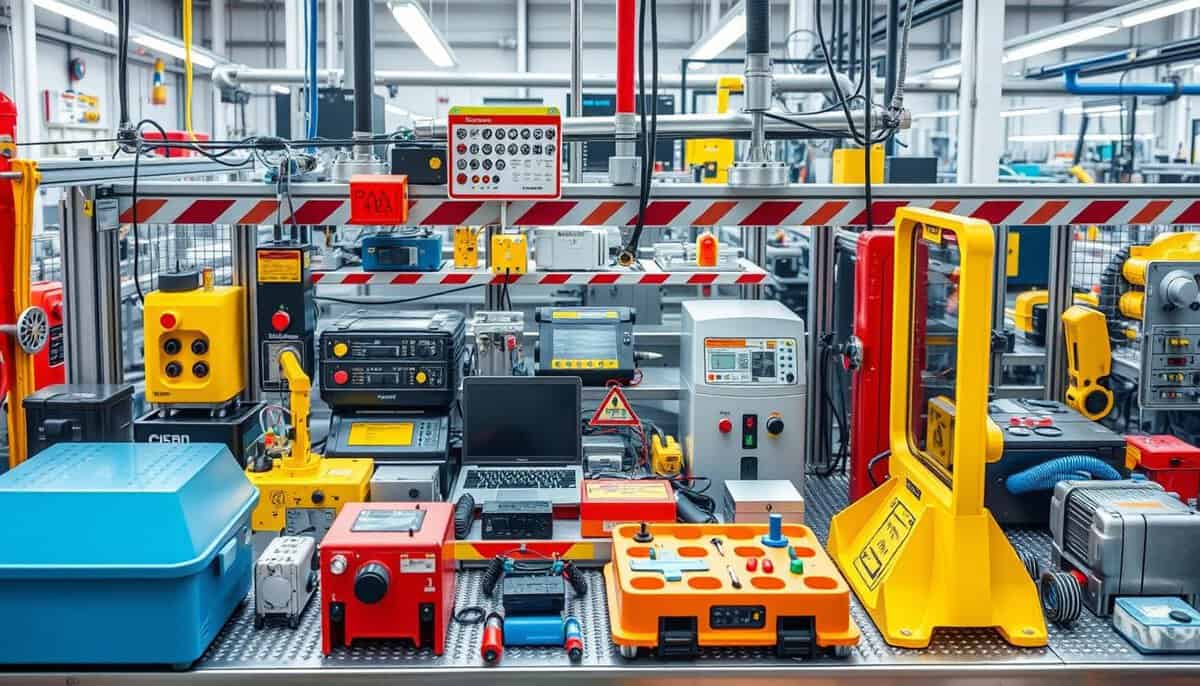
포카요케(poka-yoke)가 불량률을 크게 줄이고 제품 품질을 향상시킬 수 있다는 사실을 알고 계셨습니까? 포카요케는 단순히 실수를 줄이는 것 이상의 효과를 가져옵니다. 생산성을 높이고, 작업자의 사기를 진작시키며, 불량품 발생과 검사 비용을 절감합니다. 오늘날 경쟁이 치열한 제조 환경에서 사소한 실수 하나가 큰 영향을 미칠 수 있습니다. 이 일본식 방법은 효율성을 높이고 품질 관리를 개선하는 데 도움이 됩니다.

Poka-yoke means “fool-proofing” in Japanese. It’s a key part of 린 제조.
이 방법은 제거, 예방, 탐지, 완화라는 네 가지 핵심 원칙을 사용합니다. 이러한 원칙은 모든 것이 처음부터 제대로 작동하도록 보장하는 데 도움이 됩니다. 오류를 방지하고 품질을 관리하는 데 매우 효과적이며, 사람과 기계 모두에서 발생하는 실수를 줄여줍니다.
제조 및 서비스 분야에 포카요케를 적용하면 오류를 신속하게, 심지어 발생하기 전에도 발견할 수 있습니다. 이는 최종 제품에 영향을 미치기 전에 손상을 방지합니다. 이 방법은 비용 증가 없이 높은 품질을 유지할 수 있도록 해주며, 인간의 숙련된 기술과 오류 방지 전략을 결합합니다. 이를 통해 기업은 숙련된 인력을 유지하면서 최고 수준의 제품을 생산할 수 있습니다.
핵심 요약
- 포카요케, 즉 "실수 방지"는 실수를 줄이고 품질 관리를 향상시키는 데 핵심적인 요소입니다.
- 이를 사용하면 결함이 줄어들고 최종 제품의 품질이 향상됩니다.
- 효과적인 포카요케(poka-yoke) 기법은 업무 생산성과 사기를 향상시키면서 비용을 절감합니다.
- 이는 제거, 예방, 탐지 및 완화 원칙에 중점을 둡니다.
- 블렌딩 ergonomic 포카요케를 적용한 디자인은 작업자의 피로와 정신적 스트레스를 줄일 수 있습니다.
- 시작은 도요타 생산 시스템포카요케는 제조 및 서비스 분야에서 매우 중요합니다.
- 포카요케는 접촉, 고정값, 동작 단계와 같은 기술을 사용하여 오류 없는 프로세스를 구현합니다.
포카요케의 기원과 원리 이해하기
포카요케는 1960년대 시게오 신고가 도요타의 생산 방식의 일환으로 시작한 것으로, 제조 과정에서 무결점을 목표로 합니다. 핵심은 실수를 예방하거나, 실수를 발견하는 즉시 명확히 하는 것입니다.
포카요케의 기원
신ingo는 생산 정확도를 향상시키고 싶었습니다. 부정적인 표현을 피하기 위해 '바보 방지'에서 '오류 방지'로 개념을 바꾸었습니다. 첫 번째 도구는 조립 라인에서 스프링을 빠뜨리지 않도록 해 주었고, 간단한 아이디어가 오류를 예방할 수 있음을 보여주었습니다.
포카요케의 핵심 원칙
포카요케는 결함을 신속하게 발견하고 수정하는 데 중점을 둡니다. 이를 통해 제조 공정을 개선하고 신뢰성을 높일 수 있습니다. 오류를 차단하는 제어 방법과 발생 가능한 오류에 대한 경고를 제공하는 경고 방법이 있습니다.
포카요케 기법의 종류
포카요케 기법은 오류를 방지하기 위해 세 가지 유형으로 분류됩니다. 이러한 기법은 잘못된 부분을 자동으로 찾아내는 데 도움을 줍니다. 의료, 자동차 등 다양한 분야에서 품질과 효율성을 향상시키기 위해 사용됩니다.
연락 방법

그만큼 연락 방법 크기, 모양, 색상, 무게와 같은 요소를 사용하여 오류를 찾아냅니다. 다음 단계로 넘어가기 전에 필요한 특징들이 모두 갖춰져 있는지 확인합니다. 이를 통해 처음부터 정확성을 확보할 수 있습니다.
치수를 확인하는 센서와 정확한 의약품 확인을 위한 바코드 등이 그 예입니다. 또한, 자동차의 클러치 페달은 사고를 예방합니다. 이러한 방법은 재작업을 줄이고 작업의 신뢰성을 높여줍니다.
고정값 방식
고정값 방식은 정확한 수량의 작업이나 부품이 완료되도록 보장합니다. 이는 조립 라인에서 정확한 반복 작업을 위해 많이 사용됩니다. 이를 통해 품질을 높이고 오류를 줄일 수 있습니다.
센서는 나사가 빠지지 않았는지 확인하기 위해 나사 개수를 셀 수 있습니다. 품질 유지를 위해 모든 단계를 추적하는 것이죠. 이는 모든 부품이 제대로 조립되었는지 확인하기 위해 전자제품 제조에 자주 사용됩니다.
동작 단계 방식
그만큼 동작 단계 방법 각 단계가 올바른 순서대로 진행되는지 확인합니다. 작업 순서가 뒤바뀌어 발생하는 오류를 수정합니다. 이를 통해 모든 작업이 정확하게 완료되도록 보장합니다.
물건을 만들 때, 부품을 순서대로 조립하는 것은 매우 중요합니다. 그래야 각 단계가 다음 단계로 넘어가기 전에 정확하게 이루어질 수 있기 때문입니다. 이러한 방식은 공정을 원활하게 하고 생산 효율을 높여줍니다.
예: 내부 부품이 없으면 덮개를 조립할 수 없습니다. (참고: 많은 소비자용 진공청소기에서 사용하는 것과 같은 원리입니다. 먼지 봉투가 없으면 뚜껑을 닫을 수 없습니다.)
제품 생산 과정에서 이러한 포카요케 기법을 활용하면 실수를 방지하는 데 집중할 수 있습니다. 또한 안전성을 높이고 비용을 절감하며, 고객에게 지속적으로 좋은 제품을 제공함으로써 고객 만족도를 향상시킬 수 있습니다.
Benefits of Implementing Poka-Yoke in Your Manufacturing Process
Using poka-yoke in manufacturing offers many great benefits. It improves quality and slashes costs related to defects and rework. This helps companies tremendously.
This approach promotes ongoing improvement and cuts down the need for lots of controls and training thanks to its self-checks.
One key advantage of poka-yoke is cost reduction. It significantly reduces waste, scraps, and rework costs. By minimizing downtime, it also increases the efficiency of manufacturing. Using poka-yoke tools like contact methods, fixed-value methods, and motion-step methods helps spot and fix errors fast. This stops defects from leading to bigger problems.
Poka-yoke also makes the workplace safer. It catches errors early to prevent accidents, making a safer place for workers. This boosts their morale and 직업 satisfaction, which in turn increases productive output.
| 혜택 | 설명 |
|---|---|
| Quality Enhancement | Improved product quality through error prevention and detection. |
| 비용 절감 | Lowered expenses due to reduced waste, scrap, and rework. |
| Manufacturing Efficiency | Increased productivity by minimizing downtime and errors. |
| Workplace Safety | Enhanced safety by preventing human errors that could lead to accidents. |
| Employee Morale | Boosted job satisfaction and engagement through streamlined processes. |
| Customer Satisfaction | Consistent quality of products leads to higher customer trust and loyalty. |
How to Effectively Integrate Poka-Yoke into Your Quality Control
Integrating poka-yoke into quality control is key to finding defects early and boosting production quality. It involves steps that build a strong quality control system.
Designing Processes for Error Signals
After finding where errors could occur, design processes that alert you to these errors. This can be through warnings or stoppings when something is off track. This helps stop defective work from continuing.
- Use tech solutions like pick-to-light systems, break beams, and vision checks.
- Add stop functions that trigger when errors are spotted.
Role of Employee Involvement
It’s very important to have employees involved in poka-yoke and quality control. They know the workflow well and see common issues. Getting their help in spotting and fixing defects can lead to ongoing improvement and better quality.
“Our frontline workers are often the greatest source of innovation in error detection and prevention,” noted a 도요타 Production System expert.
Ergonomics and Poka-Yoke: Creating a Safer Workplace
Mixing 인간 공학 with poka-yoke makes workplaces safer and more efficient. Ergonomic poka-yoke means designing tools and spaces to reduce strain. It also helps prevent mistakes from fatigue or oversight. This approach lets workers do their jobs comfortably, cutting down injury risks and keeping productivity up.
When we add ergonomic error-proofing to production, we focus on safety and avoiding mistakes. Using ergonomic designs, like adjustable stations and natural movement tools, works well with poka-yoke. Add in visual aids and physical barriers, and the workplace gets even safer for everyone.
The results of this combined strategy are huge. It makes work conditions better, leading to fewer injuries and mistakes. This doesn’t just keep employees safe—it builds a culture of excellence.
Related Readings
- Industrial engineering: focuses on the optimization of complex processes or systems, integrating people, materials, information, equipment, and energy to improve production efficiency.
- Error proofing: techniques and strategies designed to prevent mistakes in manufacturing and service processes.
표준 작업: establishing and documenting the best practices for performing work consistently and efficiently.
External Links on Error-proof and Quality Manufacturing
국제 표준
(링크 위에 마우스를 올려놓으면 콘텐츠에 대한 설명을 볼 수 있습니다.)
사용된 용어집
Toyota Production System (TPS): 폐기물 감소, 지속적인 개선, 효율적인 생산 흐름을 강조하는 제조 방법론으로, 적시생산(Just-In-Time) 및 지도가(Jidoka)와 같은 기술을 활용하여 품질과 운영 효율성을 향상시킵니다.
































