Did you know poka-yoke can greatly reduce defect rates and improve product quality? It does more than just lower mistakes. Poka-yoke boosts productivity, lifts worker morale, and saves money on scrap and inspections. In today’s competitive manufacturing world, minor errors can have big effects. This Japanese method leads to better efficiency and quality control.

Poka-yoke means “fool-proofing” in Japanese. It’s a key part of lean manufacturing.
It uses four key principles: elimination, prevention, detection, and mitigation. These principles help make sure everything works right the first time. This method is great for stopping errors and controlling quality. It reduces mistakes made by both people and machines.
Putting poka-yoke in manufacturing and services helps catch errors quickly or even before happening. This stops damage before it can affect the final product. The method keeps quality high without raising costs. It combines human skills with error-proof strategies. This way, companies can make top-notch products while keeping a skilled workforce.
النقاط الرئيسية
- Poka-yoke, or “fool-proofing,” is key to making fewer mistakes and better quality control.
- Using it leads to fewer defects and better final products.
- Good poka-yoke methods improve work productivity and morale while cutting costs.
- It focuses on elimination, prevention, detection, and mitigation principles.
- Blending مريح design with poka-yoke can lessen worker tiredness and mental أَضْنَى.
- Starting in the نظام إنتاج تويوتا, poka-yoke is vital in manufacturing and service areas.
- Poka-yoke uses techniques like contact, fixed-value, and motion-step for mistake-free processes.
Understanding the Origins and Principles of Poka-Yoke
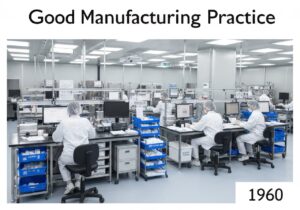
Poka-yoke started in the 1960s by Shigeo Shingo, part of Toyota’s approach. It aimed for zero defects in manufacturing. Its goal is to stop mistakes or make them clear right away.
The Origin of Poka-Yoke
Shingo wanted to improve production accuracy. It went from “idiot-proofing” to “error-proofing” to avoid negativity. The first tool ensured assembly lines didn’t miss springs, showing that simple ideas can prevent errors.
Key Principles of Poka-Yoke
Poka-yoke focuses on stopping, highlighting, and fixing defects quickly. It makes manufacturing better and more trustworthy. There are control methods to block mistakes, and warning methods for alerts about possible errors.
Types of Poka-Yoke Techniques
Poka-yoke techniques are grouped into three types aimed at stopping errors. They help to automatically spot what’s not right. These methods are used in many areas, like healthcare and cars, to get better quality and efficiency.
Contact Method

ال contact method uses things like size, shape, color, or weight to find mistakes. It checks if the right features are there before moving on. This helps ensure things are correct from the start.
Sensors checking dimensions and barcoding for correct meds are examples. Also, clutch pedals in cars prevent accidents. This method cuts down on redoing work and makes operations more trustworthy.
Fixed-Value Method
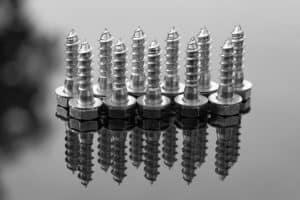
The fixed-value method makes sure the right amount of actions or parts are completed. It’s used a lot on assembly lines for exact repetition. This keeps quality high and errors low.
A sensor might count screws to make sure none are missing. It tracks every step to keep quality up. This is often used in electronics to make sure all parts are put in right.
Motion-Step Method
ال motion-step method checks that each step is done in the right order. It fixes mistakes from doing tasks out of sequence. This ensures everything is done correctly.
In making things, assembling parts in order is crucial. It makes sure each action is right before the next step. This method makes processes smoother and boosts the efficiency of production.
مثال: a cover can not be assembled, if an internal component is missing (btw: same principle used in many consumer’s vacuum cleaners: lid can not be closed if bag is missing)
Using these poka-yoke techniques in making things focuses on stopping mistakes. It also makes things safer, cuts costs and makes customers happy by consistently giving them good products.
The rest of this article is reserved for members
To limit scraping bots (currently 40,000 hits per day!),
we had to restrict access to full articles and tools to registered members only.
to access all the rest.