Did you know poka-yoke can greatly reduce defect rates and improve product quality? It does more than just lower mistakes. Poka-yoke boosts productivity, lifts worker morale, and saves money on scrap and inspections. In today’s competitive manufacturing world, minor errors can have big effects. This Japanese method leads to better क्षमता और quality control.

पोका-योके का जापानी में अर्थ है "फूल-प्रूफिंग"। यह एक महत्वपूर्ण हिस्सा है। अनुत्पादक निर्माण.
It uses four key principles: elimination, prevention, detection, and mitigation. These principles help make sure everything works right the first time. This method is great for stopping errors and controlling quality. It reduces mistakes made by both people and machines.
Putting poka-yoke in manufacturing and services helps catch errors quickly or even before happening. This stops damage before it can affect the final product. The method keeps quality high without raising costs. It combines human skills with error-proof strategies. This way, companies can make top-notch products while keeping a skilled workforce.
मुख्य बातें
- Poka-yoke, or “fool-proofing,” is key to making fewer mistakes and better quality control.
- Using it leads to fewer defects and better final products.
- Good poka-yoke methods improve work productivity and morale while cutting costs.
- It focuses on elimination, prevention, detection, and mitigation principles.
- सम्मिश्रण एर्गोनोमिक पोका-योके तकनीक से डिजाइन करने से श्रमिकों की थकान और मानसिक तनाव कम हो सकता है। स्ट्रेन.
- शुरुआत में Toyota Production Systemविनिर्माण और सेवा क्षेत्रों में पोका-योके अत्यंत महत्वपूर्ण है।
- Poka-yoke uses techniques like contact, fixed-value, and motion-step for mistake-free processes.
Understanding the Origins and Principles of Poka-Yoke
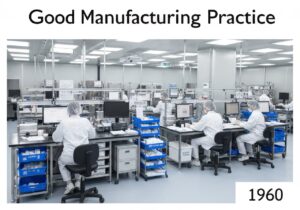
पोका-योके की शुरुआत 1960 के दशक में शिगेओ शिंगो ने टोयोटा की कार्यशैली के तहत की थी। इसका उद्देश्य उत्पादन में शून्य दोष हासिल करना था। इसका लक्ष्य गलतियों को रोकना या उन्हें तुरंत स्पष्ट करना था।
The Origin of Poka-Yoke
शिंगो उत्पादन की सटीकता में सुधार करना चाहता था। नकारात्मकता से बचने के लिए, उसने 'मूर्खता-रोधी' से 'त्रुटि-रोधी' की ओर रुख किया। पहले उपकरण ने यह सुनिश्चित किया कि असेंबली लाइनों में स्प्रिंग लगाना न भूलें, जिससे यह साबित हुआ कि सरल विचार त्रुटियों को रोक सकते हैं।
Key Principles of Poka-Yoke
Poka-yoke focuses on stopping, highlighting, and fixing defects quickly. It makes manufacturing better and more trustworthy. There are control methods to block mistakes, and warning methods for alerts about possible errors.
Types of Poka-Yoke Techniques
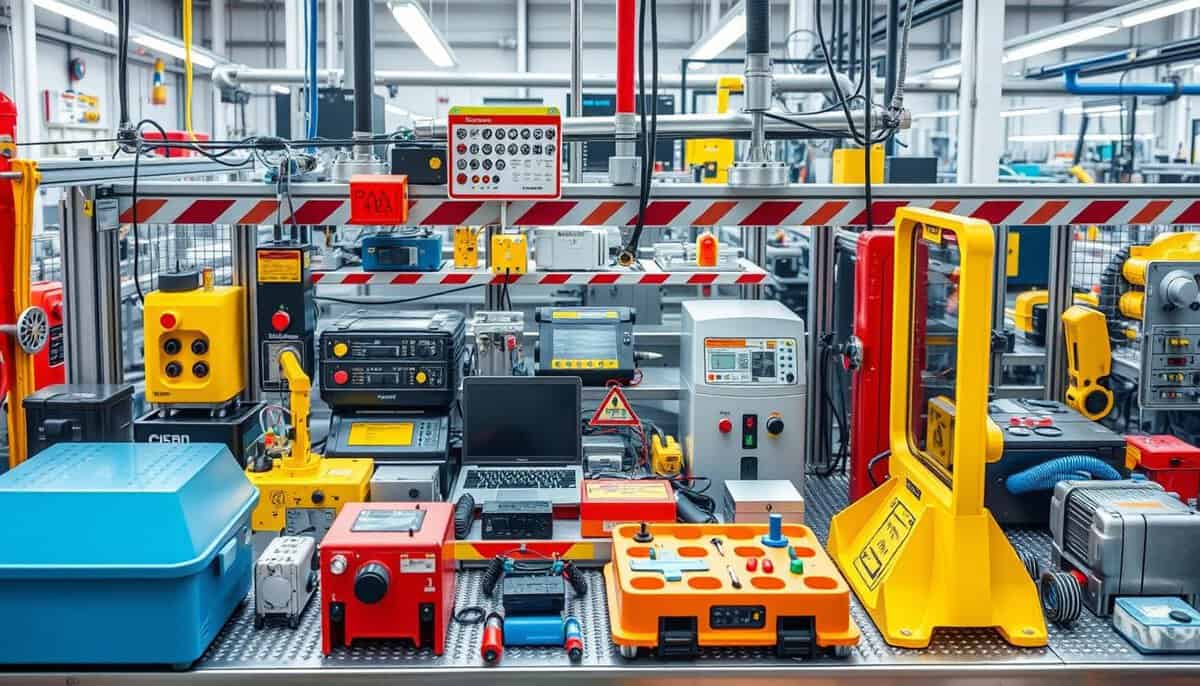
Poka-yoke techniques are grouped into three types aimed at stopping errors. They help to automatically spot what’s not right. These methods are used in many areas, like स्वास्थ्य देखभाल and cars, to get better quality and efficiency.
Contact Method

द contact method uses things like size, shape, color, or weight to find mistakes. It checks if the right features are there before moving on. This helps ensure things are correct from the start.
सेंसर checking dimensions and barcoding for correct meds are examples. Also, clutch pedals in cars prevent accidents. This method cuts down on redoing work and makes operations more trustworthy.
Fixed-Value Method
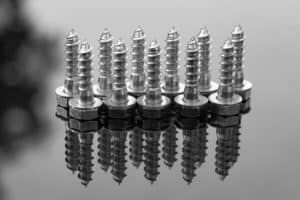
निश्चित मान विधि यह सुनिश्चित करती है कि कार्यों या भागों की सही मात्रा पूरी हो। सटीक दोहराव के लिए असेंबली लाइनों पर इसका व्यापक रूप से उपयोग किया जाता है। इससे गुणवत्ता उच्च बनी रहती है और त्रुटियां कम होती हैं।
A sensor might count screws to make sure none are missing. It tracks every step to keep quality up. This is often used in electronics to make sure all parts are put in right.
Motion-Step Method
द motion-step method checks that each step is done in the right order. It fixes mistakes from doing tasks out of sequence. This ensures everything is done correctly.
In making things, assembling parts in order is crucial. It makes sure each action is right before the next step. This method makes processes smoother and boosts the efficiency of production.
उदाहरण: यदि कोई आंतरिक घटक गायब है तो ढक्कन को असेंबल नहीं किया जा सकता (वैसे: यही सिद्धांत कई उपभोक्ता वैक्यूम क्लीनर में भी लागू होता है: यदि बैग गायब है तो ढक्कन बंद नहीं किया जा सकता)।
Using these poka-yoke techniques in making things focuses on stopping mistakes. It also makes things safer, cuts costs and makes customers happy by consistently giving them good products.
Benefits of Implementing Poka-Yoke in Your Manufacturing Process
Using poka-yoke in manufacturing offers many great benefits. It improves quality and slashes costs related to defects and rework. This helps companies tremendously.
This approach promotes ongoing improvement and cuts down the need for lots of controls and training thanks to its self-checks.
पोका-योके का एक प्रमुख लाभ यह है कि लागत में कमीइससे अपशिष्ट, स्क्रैप और पुनर्कार्य लागत में काफी कमी आती है। डाउनटाइम को कम करके, यह विनिर्माण की दक्षता को भी बढ़ाता है। संपर्क विधियों, निश्चित-मूल्य विधियों और गति-चरण विधियों जैसे पोका-योके उपकरणों का उपयोग त्रुटियों को शीघ्रता से पहचानने और ठीक करने में सहायक होता है। इससे दोषों को बड़ी समस्याओं में बदलने से रोका जा सकता है।
पोका-योके कार्यस्थल को अधिक सुरक्षित भी बनाता है। यह दुर्घटनाओं को रोकने के लिए शुरुआती दौर में ही त्रुटियों का पता लगाता है, जिससे श्रमिकों के लिए एक सुरक्षित स्थान बनता है। इससे उनका मनोबल बढ़ता है और नौकरी संतुष्टि, जिससे बदले में उत्पादकता में वृद्धि होती है।
| फ़ायदा | विवरण |
|---|---|
| Quality Enhancement | Improved product quality through error prevention and detection. |
| Cost Reduction | Lowered expenses due to reduced waste, scrap, and rework. |
| Manufacturing Efficiency | Increased productivity by minimizing downtime and errors. |
| Workplace Safety | Enhanced safety by preventing human errors that could lead to accidents. |
| Employee Morale | Boosted job satisfaction and engagement through streamlined processes. |
| Customer Satisfaction | Consistent quality of products leads to higher customer trust and loyalty. |
How to Effectively Integrate Poka-Yoke into Your Quality Control
Integrating poka-yoke into quality control is key to finding defects early and boosting production quality. It involves steps that build a strong quality control system.
Designing Processes for Error Signals
After finding where errors could occur, design processes that alert you to these errors. This can be through warnings or stoppings when something is off track. This helps stop defective work from continuing.
- Use tech solutions like pick-to-light systems, break beams, and vision checks.
- Add stop functions that trigger when errors are spotted.
Role of Employee Involvement
कर्मचारियों को पोका-योके और गुणवत्ता नियंत्रण में शामिल करना बहुत महत्वपूर्ण है। वे कार्यप्रवाह को अच्छी तरह जानते हैं और आम समस्याओं को पहचान लेते हैं। दोषों को पहचानने और ठीक करने में उनकी मदद से निरंतर सुधार और बेहतर गुणवत्ता प्राप्त की जा सकती है।
“त्रुटि का पता लगाने और उसे रोकने में नवाचार का सबसे बड़ा स्रोत अक्सर हमारे अग्रिम पंक्ति के कार्यकर्ता ही होते हैं,” एक ने टिप्पणी की। टोयोटा उत्पादन प्रणाली विशेषज्ञ।
Ergonomics and Poka-Yoke: Creating a Safer Workplace
मिश्रण एर्गोनॉमिक्स पोका-योके तकनीक से कार्यस्थल अधिक सुरक्षित और कुशल बनते हैं। एर्गोनॉमिक पोका-योके का अर्थ है उपकरणों और स्थानों को इस तरह से डिज़ाइन करना जिससे तनाव कम हो। यह थकान या लापरवाही के कारण होने वाली गलतियों को रोकने में भी सहायक है। यह दृष्टिकोण श्रमिकों को आराम से अपना काम करने देता है, जिससे चोट लगने का खतरा कम होता है और उत्पादकता बनी रहती है।
When we add ergonomic error-proofing to production, we focus on safety and avoiding mistakes. Using ergonomic designs, like adjustable stations and natural movement tools, works well with poka-yoke. Add in visual aids and physical barriers, and the workplace gets even safer for everyone.
इस संयुक्त रणनीति के परिणाम बहुत व्यापक हैं। इससे कार्य परिस्थितियाँ बेहतर होती हैं, जिसके परिणामस्वरूप चोटें और गलतियाँ कम होती हैं। यह न केवल कर्मचारियों की सुरक्षा सुनिश्चित करता है, बल्कि उत्कृष्टता की संस्कृति का निर्माण भी करता है।
संबंधित पठन
- Industrial engineering: यह जटिल प्रक्रियाओं या प्रणालियों के अनुकूलन पर केंद्रित है, जिसमें सुधार के लिए लोगों, सामग्रियों, सूचनाओं, उपकरणों और ऊर्जा को एकीकृत किया जाता है। उत्पादन दक्षता.
- Error proofing: techniques and strategies designed to prevent mistakes in manufacturing and service processes.
Standard work: establishing and documenting the best practices for performing work consistently and efficiently.
त्रुटिरहित और गुणवत्तापूर्ण विनिर्माण पर बाहरी लिंक
अंतर्राष्ट्रीय मानक
(सामग्री का हमारा विवरण देखने के लिए लिंक पर होवर करें)
प्रयुक्त शब्दों की शब्दावली
Toyota Production System (TPS): एक विनिर्माण पद्धति जो अपशिष्ट को कम करने, निरंतर सुधार और कुशल उत्पादन प्रवाह पर जोर देती है, और गुणवत्ता और परिचालन दक्षता को बढ़ाने के लिए जस्ट-इन-टाइम और जिडोका जैसी तकनीकों का उपयोग करती है।