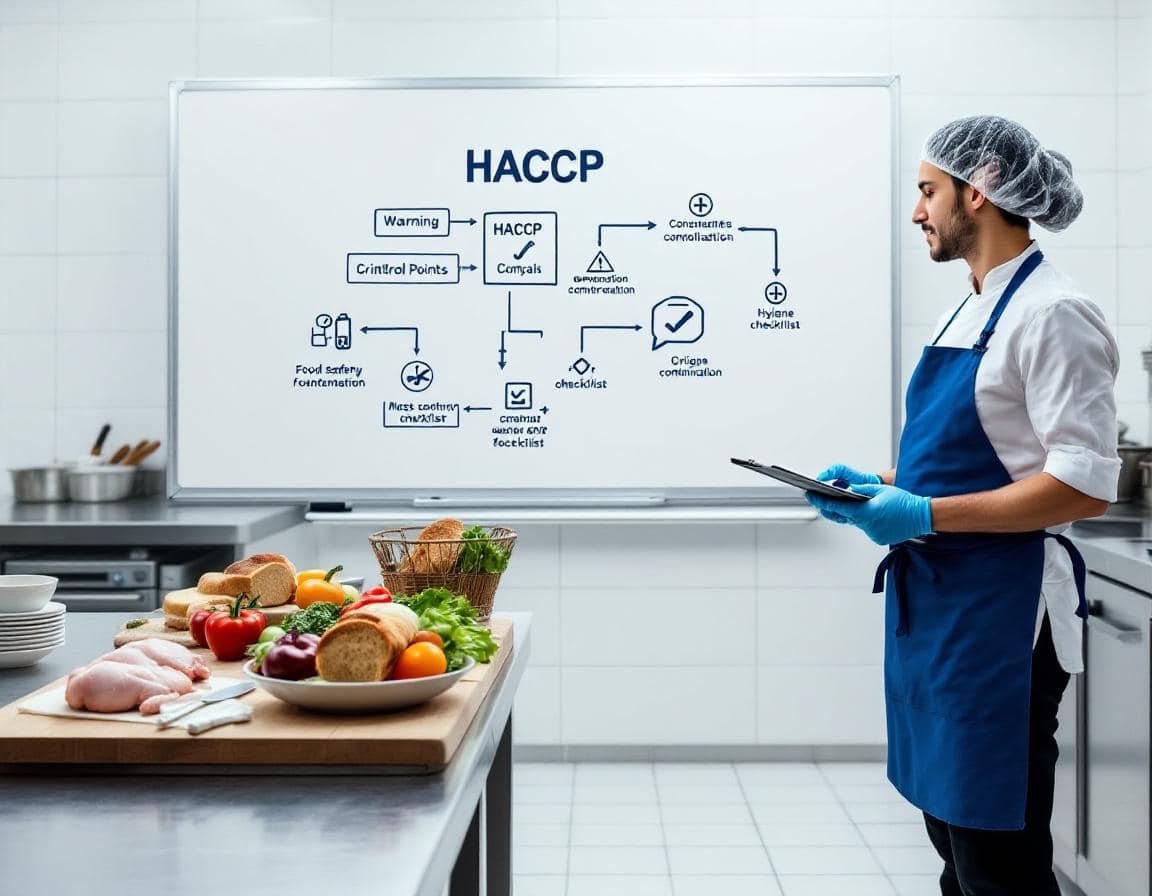
In the sectors of food manufacturing and processing, Hazard Analysis and Critical Control Points (HACCP) stands as a professional framework for ensuring safety and compliance in the food industry. Originating in the 1960s to safeguard astronauts’ food from contamination, HACCP has since transformed into a globally recognized standard that drives food safety practices across various industries, including restaurants and food service, and pharmaceutical manufacturing.. This article will provide a comprehensive overview of HACCP, detailing its history, the seven foundational principles, steps for developing and implementing a robust HACCP plan, and the identification of biological, chemical, and physical hazards.
主なポイント

- HACCPは、体系的な予防措置を通じて食品の安全性を確保する。
- 7つの原則が、効果的な災害管理を導く。
- CCPは意思決定フレームワークを通じて決定される。
- 導入によってリスクが軽減され、コンプライアンス遵守が促進される。
- 前提条件となるプログラムは、安全プロセス全体を強化する。
HACCPの主な目的は、製造工程における危害発生の可能性のある重要管理点を特定することで、食品の安全性を確保する枠組みを確立することです。検査よりも予防に重点を置くことで、施設は生物学的、化学的、物理的な危害を積極的に管理することができます。
HACCPの定義と歴史
危害分析重要管理点(HACCP)とは、食品の製造工程全体を通して食品安全上の危害を特定、評価、管理するために設計された体系的なアプローチです。

1960年代後半に始まったHACCPは、食品の安全性を確保するための予防措置として開発されました。米国国家 航空学 宇宙飛行士の健康を損なう可能性のあるあらゆるリスクを排除することが最優先事項であったため、当初はNASA(アメリカ航空宇宙局)が宇宙飛行士に提供する食品に危害分析重要管理点(HACCP)を導入しました。今日では、HACCPの原則は世界中の様々な食品業界で採用されています。
統計によると、HACCPの原則を適用することで、病原体によって引き起こされる食中毒の発生率を大幅に減らすことができ、特定の食品の種類ではサルモネラ菌感染率を最大25%削減できると報告されている。
歴史的に、HACCPは、 コーデックス・アリメンタリウス 委員会はこれを食品安全管理システムの基準として採用した。
HACCPの体系的な性質により、食品生産だけでなく、安全性が最優先される医薬品や化粧品などの他の分野にも適用できる。
The Seven Principles of HACCP

- Conduct a hazard analysis: identify potential biological, chemical, and physical hazards at each stage of the food production process—from raw material sourcing to final consumption. Assess the risks associated with these hazards and determine appropriate control measures. This includes biological, chemical, and physical hazards that may be present in the manufacturing or processing stage. A systematic approach entails gathering data on previous incidents, conducting risk assessments, and considering inputs from various stakeholders. For instance, analysis from the Centers for Disease Control and Prevention (CDC) shows that approximately 48 million Americans become ill from foodborne illnesses each year, highlighting the importance of hazard identification.
- Determine the Critical Control Points (CCPs) within the process: CCPs are steps where control can be applied to prevent, eliminate, or reduce food safety hazards to acceptable levels. These points are often identified through flow diagrams and expert consultations. For example, in a poultry processing plant, critical control points could include cooking temperatures and cooling times. If these parameters are not met, the risk of pathogen survival increases significantly.
- Establish critical limits: set maximum or minimum values (e.g., temperature, time, pH) for each CCP that must be met to ensure the hazard is controlled. These limits distinguish between safe and unsafe operating conditions. For example, the FDA advises that poultry must be cooked to an internal temperature of 165°F (74°C) to control salmonella and other bacteria, but local criteria or situation can request that to be higher. Compliance with these limits is essential for ensuring food safety and regulatory adherence.
- Establish monitoring procedures: develop and implement procedures to monitor each CCP to ensure they remain within defined limits. Effective monitoring can utilize tools like temperature logs and digital sensing equipment to track compliance. A study conducted among various food manufacturers showed that companies implementing consistent monitoring reduced non-compliance incidents by over 20%.
- Establish Corrective Actions: define actions to be taken when monitoring indicates a deviation from an established critical limit. Corrective actions ensure that no unsafe product reaches the consumer and that the process is brought back under control and does not happen again.
- Establish verification procedures: carry out actions to ensure that the HACCP system is functioning properly. Verification can involve examining documentation, performing audits, and conducting tests to confirm that the system is delivering the expected results.
- Establish documentation and record-Keeping: maintain accurate and comprehensive records of all HACCP-related activities. Documentation should include hazard analyses, CCP monitoring, corrective actions, and verification procedures to demonstrate compliance and facilitate continuous improvement.
ヒント: utilize automated systems where possible to facilitate real-time monitoring and record-keeping, enhancing traceability and compliance with food safety regulations.
Identifying Hazards in a Process
Identifying hazards within a production process is critical for food safety and quality assurance. These hazards can be categorized into three main types: biological, chemical, and physical:
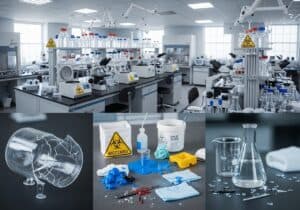
- Biological hazards include harmful microorganisms like bacteria, viruses, and parasites that can contaminate food. For example, Salmonella and Escherichia coli are commonly cited bacteria that can lead to foodborne illnesses, impacting consumer health and industry liability. It is statistically documented that approximately 48 million people get sick each year in the United States due to foodborne pathogens, underscoring the importance of effective hazard identification.
- Chemical hazards encompass harmful substances that may unintentionally enter food products. These can be residues from pesticides, cleaning agents, and additive compounds used during production. To mitigate these risks, it is crucial to monitor and test the presence of these chemicals. For instance, the Environmental Protection Agency (EPA) enforces strict limits on pesticide residues to ensure products remain safe for consumption. A report from the Food and Drug Administration (FDA) noted that approximately 1% of food samples tested exceeded permissible pesticide residue levels.
- Physical hazards, on the other hand, are foreign objects that can contaminate food items, such as glass, metal shards, bone fragments, or stones. The presence of such hazards can cause severe injury to consumers and can threaten brand integrity. Implementing comprehensive inspection measures, especially during critical phases of production and processing lines, is essential. Documented cases have shown that consumer complaints regarding foreign objects can lead to multi-million dollar lawsuits and product recalls, highlighting the need for diligent hazard detection.
The process of identifying potential hazards should include a thorough review of each stage of production. It involves examining the entire supply chain—from raw materials, processing methods, to final product packaging. Utilizing a flowchart can help in visualizing the steps and pinpointing where hazards may arise.
ヒント: it’s beneficial to 従事する employees across various roles in this review, as they may offer insights into risks that may not be immediately visible to management.
| Type of Hazard | 例 | Mitigation Strategies |
|---|---|---|
| Biological | Salmonella, E. coli | 通常 microbial testing, employee training on hygiene |
| Chemical | Pesticides, additives, machine lubricants | Supplier certifications, routine chemical analysis, dedicated restricted areas for chemicals storage, rule and roles for usage. Maintenance plans. |
| Physical | Glass, metal parts or chips | Screening for foreign objects, visual inspections, Maintenance plans. |
Determining Critical Control Points CCPs
Determining Critical Control Points (CCPs) involves identifying points in the production process where controls can be applied to prevent, reduce, or eliminate food safety hazards.
These CCPs points are not arbitrary; they arise from thorough analysis of the workflow and risk assessment.
For example, in a dairy production facility, a CCP may be the pasteurization stage, where it is crucial to reach a specific temperature and time combination to eliminate pathogenic bacteria such as Salmonella. Establishing such points is a systematic process guided by the flow diagram of operations.

To effectively determine CCPs, various evaluation methods can be applied. The most common approach is the decision tree method, which asks a series of questions that lead to identifying whether a control point is critical. These questions often revolve around whether a hazard can be controlled at that point and if a loss of control could lead to an unacceptable safety risk. For example, if a cooking step does not achieve adequate temperature, it can lead to potential pathogen survival, thereby qualifying it as a CCP.
Effective documentation is paramount during this phase. It is essential to keep detailed records that capture the rationale behind each identified CCP and the associated hazards. For instance, if a CCP is determined to be a specific コーティング method in snack food production, records should outline the importance of maintaining the correct coating thickness, which directly affects the final product’s safety and quality. These records facilitate compliance with regulatory standards and serve as a reference for audits.
ヒント: regularly review and validate your CCPs as production processes may change over time or new hazards may emerge. Conducting routine hazard assessments every six months is beneficial for maintaining safety standards and adapting to evolving industry practices.
Benefits of Implementing HACCP and Role of Prerequisite Programs
Implementing HACCP provides multiple advantages, including enhanced food safety, reduced risk of contamination, and compliance with regulatory standards. By systematically addressing hazards, organizations protect public health while increasing consumer trust.
Furthermore, the integration of prerequisite programs—such as Good Manufacturing Practices (GMP) and sanitation measures—complements HACCP principles. These programs establish a strong baseline for hygiene, facility management, and employee training. When combined with HACCP, they create a robust framework that ensures critical control points are managed effectively. For instance, a comparison between food companies with and without such programs showed a 30% decrease in non-compliance incidents among those employing both HACCP and GMP protocols.
ヒント: regular training sessions on HACCP and prerequisite programs can significantly improve employee awareness and adherence to food safety standards. This proactive approach leads to a marked reduction in operational mishaps and creates a culture of safety within the organization.
Wrapping-Up
In the context of contemporary food safety, the adoption of Hazard Analysis and Critical Control Points (HACCP) represents not just a compliance measure but a profound commitment to public health and product integrity. The rigor embedded in its seven principles, along with a systematic approach to hazard identification and control, equips organizations to safeguard their consumers while maintaining high standards of food safety.
The importance of a well-structured HACCP framework transcends mere regulatory requirements, acting as a guiding force for innovation and quality assurance within diverse industries.
よくある質問
HACCPの定義と目的は何ですか?
HACCPとは、危害分析重要管理点(Hazard Analysis and Critical Control Points)の略で、食品安全上の危害を特定し管理するための体系的な手法です。その主な目的は、製造および加工過程における物理的、化学的、生物学的危害を防止、排除、または低減することにより、食品の安全性を確保することです。
HACCPの7つの原則とは何ですか?
HACCPの7つの原則は、危害分析の実施、重要管理点(CCP)の決定、重要限界値の設定、モニタリング手順の開発、是正措置の確立、検証手順の実施、および記録の維持です。これらの原則は、食品安全上の危害を体系的に管理するための指針となります。
HACCPプランの策定と実施にはどのような手順が必要ですか?
HACCPプランの策定には、徹底的な危害分析を実施し、重要管理点(CCP)を特定することが含まれます。重要限界値と監視手順を設定した後、プランの有効性を確保するために、是正措置の実施、検証、記録管理が必要となります。
プロセスにおける生物学的、化学的、物理的な危険をどのように特定できるのか?
危険要因は、製造工程を体系的に分析し、危険が発生する可能性のある各段階に焦点を当てることで特定できます。これには、過去のデータや工程フローチャートの見直し、専門家との協議などを通じて、生物学的、化学的、物理的な汚染源を特定することが含まれます。
重要管理点(CCP)を決定するために使用できる方法にはどのようなものがありますか?
意思決定ツリーは、確立された基準に基づいて各ステップの重要度を評価することで、重要管理点(CCP)を特定するためによく用いられます。その他の方法としては、生産プロセスの包括的な評価を確実にするために、プロセスフロー図や専門家への相談などが挙げられます。
HACCPを支援する上で、前提条件プログラムはどのような役割を果たしますか?
適正製造規範(GMP)などの前提条件プログラムは、基本的な衛生および安全対策が確実に実施されるようにすることで、HACCPの基盤を築きます。これらのプログラムは、食品安全上の危険につながる可能性のある状況に対処することで、HACCP計画の有効性を高めます。
<div>In which industries is HACCP applicable?
HACCP is applicable across multiple industries, including food manufacturing, processing, restaurants, pharmaceuticals, cosmetics, and retail food operations. It provides a structured approach to ensuring safety and quality in products across these diverse fields.</div>
関連トピック
- リスク評価手法: 食品安全システムにおける潜在的なリスクを評価するために用いられる方法。
- 環境モニタリング: 食品生産環境における汚染レベルを評価するために用いられる技術。
- Supplier Audits: HACCPを支える食品安全基準を遵守していることを確認するためのサプライヤーの評価。
- トレーサビリティシステム: 原材料の供給元から最終製品までを追跡し、安全性を確保するための仕組み。
- 食品安全文化: 組織内における食品安全に関する共通の価値観と行動。
- 危機管理計画: 食品安全上の緊急事態や製品リコールに効果的に対処するための戦略。
- 品質保証プログラム: 食品生産工程における品質と安全性を維持するための体系的な方針。
- 衛生習慣: 食品の製造および調理における衛生管理を確保するための手順。
- 規制遵守: 地域、国内、および国際的な食品安全規制とガイドラインを遵守すること。
- プロセスフロー図: 食品製造工程の各段階を視覚的に表現したもの。
- Statistical Process Control: 食品生産工程を監視・管理するための統計的手法の利用。
External Links on Hazard Analysis And Critical Control Points (HACCP)
国際規格
(リンクにカーソルを合わせると、コンテンツの説明が表示されます)
用語集
Critical Control Points (CCP): specific stages in a process where control can be applied to prevent, eliminate, or reduce food safety hazards to acceptable levels. Identifying these points is essential for effective hazard analysis and critical control management in food production systems.
Food and Drug Administration (FDA): a federal agency of the United States Department of Health and Human Services responsible for regulating food safety, pharmaceuticals, medical devices, cosmetics, and tobacco products to ensure public health and safety through scientific evaluation and enforcement of compliance standards.
Good Manufacturing Practice (GMP): a system ensuring products are consistently produced and controlled according to quality standards, minimizing risks involved in pharmaceutical production and related industries. It encompasses guidelines for manufacturing processes, facility conditions, personnel qualifications, and documentation practices to ensure product safety and efficacy.
Hazard Analysis and Critical Control Points (HACCP): a systematic approach to food safety that identifies, evaluates, and controls hazards at critical points in the production process to prevent foodborne illnesses and ensure product safety.
Network-attached storage (NAS): ネットワークに接続されたストレージデバイスで、複数のユーザーやデバイス間でのデータアクセスと共有を可能にし、通常は集中型のファイルストレージ、バックアップ、管理機能を提供する。コンピュータとは独立して動作し、標準的なネットワークプロトコルを介してアクセスできる。
Statistical Process Control (SPC): a method of quality control that employs statistical techniques to monitor and control a process, ensuring it operates at its full potential by identifying variations and maintaining consistent output within specified limits.