Product Design, Manufacturing & Innovation Resources
Home » Cutaneous Vitamin D Synthesis

Cutaneous Vitamin D Synthesis

1930
  • Adolf Windaus
  • Kurt Huldschinsky
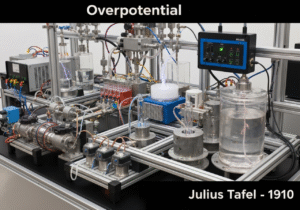
Laboratory scene depicting cutaneous vitamin D synthesis research in biochemistry.

(generated image for illustration only)

Sunlight, specifically ultraviolet B (UVB) radiation with wavelengths between 290-315 nm, triggers the synthesis of vitamin D in the skin. When UVB photons strike the skin, they cause the photochemical conversion of 7-dehydrocholesterol into previtamin D3, which is then isomerized into vitamin D3 (cholecalciferol). This process is the primary natural source of vitamin D for humans.

The synthesis of vitamin D is a multi-step process essential for human health. It begins in the epidermis when UVB radiation breaks a chemical bond in 7-dehydrocholesterol, a derivative of cholesterol. The resulting compound, previtamin D3, is thermally unstable and rapidly rearranges itself into vitamin D3 (cholecalciferol). This vitamin D3 is then transported via the bloodstream to the liver, where it undergoes hydroxylation to become calcifediol (25-hydroxyvitamin D). Calcifediol is the main circulating form of vitamin D and is what is typically measured in blood tests. For its final activation, calcifediol travels to the kidneys (and other tissues), where it is converted into calcitriol (1,25-dihydroxyvitamin D), the biologically active form of the vitamin. Calcitriol functions as a hormone, primarily regulating calcium and phosphate levels in the blood, which is critical for bone mineralization. Several factors influence the efficiency of this process, including latitude, season, time of day, skin pigmentation (melanin acts as a natural sunblock), and the use of sunscreen, all of which can modulate the amount of UVB radiation reaching the skin’s precursor molecules.

UNESCO Nomenclature: 2401
– Biochemistry

Type

Biochemical Process

Disruption

Substantial

Usage

Widespread Use

Precursors

  • discovery of rickets as a disease
  • identification of ‘fat-soluble factor a’ (later split into vitamins a and d) by elmer mccollum
  • theodor scherfig’s observation of sunlight’s benefits for children’s health
  • advances in organic chemistry allowing for the isolation and structural analysis of sterols

Applications

  • treatment of rickets and osteomalacia
  • public health recommendations for sun exposure
  • fortification of foods like milk and cereal with vitamin d
  • development of vitamin d supplements
  • uvb phototherapy for skin conditions like psoriasis
  • understanding of calcium metabolism and bone health

Patents:

NA

Potential Innovations Ideas

  • smart windows that transmit beneficial uvb while blocking harmful uva/uvc
  • wearable sensors that measure personal vitamin d production from sun exposure
  • cosmetics that modulate uvb penetration for optimized vitamin d synthesis without sun damage
  • led lighting systems for indoor environments that emit precise uvb wavelengths for vitamin d production
  • genetically engineered probiotics that produce vitamin d precursors in the gut
  • ai-powered apps providing personalized sun exposure recommendations based on location, skin type, and time of day
  • transdermal patches that slowly release 7-dehydrocholesterol to enhance vitamin d synthesis in low-sun environments
  • fortified fish feed to increase vitamin d levels in farmed fish
  • hydroponic systems using tailored uvb light to boost vitamin d content in vegetables
  • pharmaceuticals that enhance the efficiency of the vitamin d synthesis pathway
Related to: vitamin D, UVb radiation, sunlight, skin, 7-dehydrocholesterol, cholecalciferol, rickets, bone health, calcium metabolism, photochemistry.

Historical Context

Cutaneous Vitamin D Synthesis

1900
1910
1921
1930
1930
1940
1950
1880
1902
1920
1928
1930
1940
1950
1950

(if date is unknown or not relevant, e.g. "fluid mechanics", a rounded estimation of its notable emergence is provided)

10th year anniversary

Full size images and downloads are only available, 100% free, for registered members.

> Login <