In an era where consumer expectations are soaring – with studies showing that companies excelling in 用户体验 can generate up to 60% higher profits than their competitors (Forrester Research) – transitioning from a 最小可行产品 (MVP) to a Minimum Awesome Product (MAP) has become a strategic imperative for some innovation-driven organizations. This shift centers not just on functionality, but on user delight and engagement. The MVP philosophy has served as a critical foundation for agile product development, focusing on releasing products that are just viable.
关键要点

- 最有价值球员 aims for functionality; MAP aims for user delight.
- Transition triggers include user feedback and market demands.
- Shift focus from just viability to exceptional user experience.
- Building MAP requires more iterative development and user insights.
- Successful MAP examples show clear user engagement improvements.
- 过早设定 MAP 目标可能会导致资源浪费。 拉紧.
Defining Minimum Viable Product, its purpose and core principles
A quick recap on Minimum Viable Product (MVP): it refers to a product that has the most essential features necessary to satisfy early adopters and gather feedback for future development. It is a concept primarily rooted in lean startup methodologies which prioritize speed and efficiency in validating product hypotheses. The primary objective of an MVP is to build a product that allows teams to learn about customers’ preferences with minimal resources and time expenditure. This allows for rapid iterations based on real user input instead of speculative assumptions.

The central idea is to introduce only the features that solve the essential problem for users. Features that do not contribute to this validation process are omitted to streamline the development. This focus aims to produce a working product in the shortest time possible, which can then be tested and improved upon based on observations and user feedback.
For all details on MVP, refer to:

Proven metrics demonstrate the efficiency of MVPs: according to the 2020 State of Agile Report, 62% of respondents cited quicker team delivery of customer value as a direct benefit of leveraging MVP strategies. Furthermore, companies like Dropbox used MVPs effectively when they launched a simple landing page to gauge interest before developing their full application, resulting in over 70,000 sign-ups before any coding began.
A clear differentiation exists between features viewed as “nice-to-haves” and those that are critically necessary for functionality. The latter category should be prioritized during MVP development. Teams should utilize prioritization frameworks like MoSCoW (Must have, Should have, Could have, and Won’t have) to identify these essential elements effectively. This approach ensures that resources are allocated to features that validate the product’s core assumptions.
提示: when drafting an MVP, consider implementing feedback loops early on to facilitate quicker iterations. Engaging with your users can uncover insights that accelerate your product development cycle.
Minimum Awesome Product: characteristics and how it differs from MVP

Minimum Awesome Product (MAP) encompasses a product with enhanced value beyond basic functionality, aiming to not just meet user needs, but to delight and 从事 them. Characteristics of a MAP include superior user experience (用户体验), innovative features, and emotional engagement.
Unlike MVP, which targets the bare minimum required to validate a market hypothesis, MAP focuses on delivering a compelling product that evokes positive user responses. This often involves a combination of aesthetic design, seamless 可用性, and fulfilling user expectations while establishing brand loyalty.
To illustrate the shift in focus from MVP to MAP, consider two different sectors: software applications and consumer electronics:
- In software, a MAP is exemplified by Dropbox, which transitioned from basic file storage to offering collaborative tools that enhance user engagement and productivity.
- In consumer electronics, Apple’s transition from basic smartphones to iPhones, which combine sleek design, user-friendly interfaces, and a broad app ecosystem, highlights this principle.
Reasons and triggers for transitioning from MVP to MAP
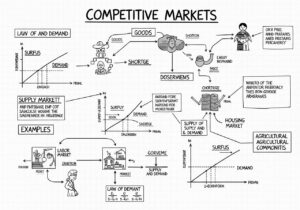
The shift from MVP to MAP is often driven by market feedback, indicating a strong need for products that not only meet essential requirements but also exceed user expectations. As organizations launch MVPs, they frequently gather customer insights which can reveal deficiencies in user satisfaction. For instance, a study by the Nielsen Norman Group found that 70% of new products fail due to poor user experience.
The competitive markets serves as another significant trigger for this transition. Companies attempting to differentiate themselves from competitors must focus on unique 销售 propositions that resonate deeply with consumers. In sectors such as technology and consumer electronics, where expectations are now inherently high, merely offering a viable product may not suffice. For example, 苹果 consistently moves beyond MVPs, producing MAPs that combine high functionality with aesthetic value, creating unparalleled user loyalty.
提示: engage users through beta testing phases. Solicit feedback on additional features that could enhance user experience prior to a broader market launch. This practice can transform a standard MVP into a MAP by focusing on what users genuinely desire.
| 方面 | 最有价值球员 | MAP |
|---|---|---|
| User Satisfaction | Basic functionality | Exceptional usability and aesthetics |
| Market Differentiation | Simple features | Unique offerings with enhanced user engagement |
| Consumer Expectations | Meeting bare minimum | Exceeding user needs and desires |
| Feedback Loop | Less frequent adjustments | Continuous improvement based on user insights |
Tip bis: again, regularly schedule user feedback sessions to ensure the product evolves according to user expectations, fostering a strong connection between the brand and its audience.
The development process adjustments needed for building a MAP versus a MVP

Transitioning from a Minimum Viable Product (MVP) to a Minimum Awesome Product (MAP) involves significant adjustments in the development process:
- only advanced prototyping: while MVP typically relies on basic prototypes—often low-fidelity wireframes or mock-ups—developing a MAP requires high-fidelity prototypes that simulate real-world usage. High-fidelity prototypes can lead to reduced ambiguities regarding user expectations, ultimately enhancing the final product’s quality.
- real product roadmaps: they should also evolve to reflect a long-term vision rather than just focusing on immediate deliverables. For MAP development, roadmaps should include 以用户为中心 目标和关键绩效指标 (KPI) 用于评估用户满意度和愉悦度。这种转变鼓励团队保持更广阔的视野,并力求实现卓越的用户体验。
- (likely) more resource allocation: it becomes more strategic in MAP development. Teams must invest in UI/UX specialists and other more rigorous testing methodologies, leading to increased upfront costs.
| 标准 | MVP Approach | MAP Approach |
|---|---|---|
| Prototyping Fidelity | Low-fidelity | High-fidelity |
| User Feedback Integration | Post-launch | Continuous |
| Resource Allocation | Minimal UX budget | Dedicated UX resources |
提示: Utilize design sprints to quickly iterate on ideas and validate them with users, ensuring that each enhancement aligns with market expectations before significant development resources are expended.
A Final View
In today’s highly competitive market, the transition from a Minimum Viable Product (MVP) to a Minimum Awesome Product (MAP) may represent a necessary evolution for organizations striving to exceed basic functionality and truly connect with their users. As we’ve discussed, this shift takes into account not just the survival of a product in the 市场 but also its ability to spark joy and maintain engagement among users. By prioritizing user experience and satisfaction, organizations can unlock greater loyalty and boost profitability, ensuring that their products resonate deeply in a sea of options.
This approach is no longer an option but a fundamental shift in how products are perceived and experienced. As organizations aim for memorable interactions rather than just adequate solutions.
相关主题
- Understanding the Customer Journey: mapping out the various stages users go through when interacting with a product.
- Brand Positioning and Messaging: crafting the right message to communicate the value of the MAP to the target audience.
- Visual Design Impact: understanding how aesthetics can influence user perception and engagement with a product.
- Performance Optimization: focusing on the technical backend to ensure speed and reliability in delivering the MAP.
- User Onboarding Experience: designing an effective process that helps users understand and get maximum value from the product.
- Market Differentiators: identifying unique features of the MAP that distinguish it from competitors in the market.
- Long-term Vision Alignment: aligning the product road map with broader company goals and user aspirations for sustainability.
常用术语表
Key Performance Indicator (KPI): 一个可衡量的值,表明组织实现关键业务目标的效率,通常用于评估实现目标的成功程度。
Minimum Viable Product (MVP): 产品的基础版本,仅包含满足早期用户需求并收集反馈意见以供未来开发的基本功能。其目标是以最少的资源和时间投入来验证关于客户需求的假设。
User experience (UX): 用户与产品、系统或服务交互时的整体满意度和感知,涵盖整个交互过程中的可用性、可访问性、设计和情感反应。
User Interface (UI): 一种支持用户与软件应用程序之间交互的系统,包括视觉元素、控件和整体布局,以方便用户执行任务并增强体验。