Product Design, Manufacturing & Innovation Resources
Lar » Biocompatibilidade de Materiais

Biocompatibilidade de Materiais

1980
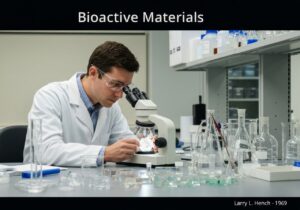
Pesquisador analisando materiais biocompatíveis para implantes médicos em um laboratório.

(Imagem gerada apenas para fins ilustrativos)

Biocompatibilidade refere-se à capacidade de um material apresentar uma resposta adequada do organismo hospedeiro em uma aplicação específica. Não é uma propriedade intrínseca do material, mas sim definida pela situação. Fatores-chave incluem a química da superfície, a topografia e as propriedades mecânicas do material, que determinam a resposta biológica, como a interação com proteínas. adsorçãoadesão celular, inflamação e encapsulamento fibroso.
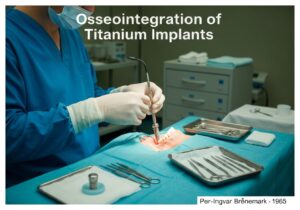

Biocompatibility is a dynamic and context-dependent concept, not a static, inherent property of a material. The ‘appropriate host response’ varies significantly with the intended function of the device. For instance, a material for a permanent hip implant should be bioinert, eliciting minimal reaction and integrating stably with bone. In contrast, a material for a biodegradable suture should elicit a controlled inflammatory response that facilitates healing and then safely degrades. The cascade of events at the biointerface begins seconds after implantation with the adsorção of a layer of host proteins (e.g., albumin, fibrinogen, fibronectin), a phenomenon known as the Vroman effect. The composition and conformation of this protein layer dictates the subsequent cellular attachment, activation, and signaling. This initial phase is followed by an inflammatory response, involving the recruitment of neutrophils and then macrophages to the implant site. If the material is perceived as foreign and cannot be phagocytosed, macrophages may fuse to form foreign body giant cells (FBGCs). This chronic inflammatory state leads to the final stage: the formation of a dense, avascular fibrous capsule that isolates the implant from the host body. While this encapsulation can be acceptable for some passive implants, it is detrimental for devices requiring biological integration, like sensors or tissue scaffolds. Understanding and controlling these interactions through surface modification—by altering wettability, charge, topography, or grafting specific biomolecules—is a central goal of biomaterials science to ensure long-term device success and patient safety.

UNESCO Nomenclature: 3201
Ciências médicas

Tipo

Sistema abstrato

Interrupção

Fundamentais

Uso

Uso generalizado

Precursores

  • Descoberta das técnicas cirúrgicas assépticas por Joseph Lister
  • desenvolvimento de polímeros inertes como PMMA e silicone
  • understanding of the foreign body response in immunology
  • avanços na ciência de superfícies e técnicas de caracterização (ex.: MEV, AFM, XPS)

Aplicações

  • design of implantes médicos (e.g., hip replacements, dental implants)
  • desenvolvimento de sistemas de administração de medicamentos
  • fabrication of tissue engineering scaffolds
  • Criação de biossensores e dispositivos de diagnóstico
  • Revestimentos para stents cardiovasculares para prevenir trombose

Patentes:

NA

Ideias de Inovação Potencial

  • smart implants with sensors to monitor host response in real-time
  • biomaterials with tunable degradation rates matched to tissue regeneration speed
  • immuno-modulatory surfaces that actively direct the immune response towards healing rather than rejection
  • personalized implants designed based on a patient’s specific biological profile
  • anti-biofouling coatings inspired by marine organisms for catheters and shunts
  • 3d-printed implants with patient-specific geometries and controlled surface topographies
  • biomaterials that can sequester and neutralize inflammatory cytokines
  • self-healing implant materials that repair minor damage in situ
  • ‘living’ biomaterials incorporating engineered cells to perform therapeutic functions
  • biodegradable electronic implants for temporary monitoring or stimulation
Relacionado a: biocompatibilidade, resposta do hospedeiro, implante médico, biomaterial, adsorção de proteínas, inflamação, encapsulamento fibroso, biointerface, modificação de superfície, efeito Vroman.

Contexto histórico

Biocompatibilidade de Materiais

1965
1970
1980
1980
1990
1960
1969
1976-05-28
1980
1990

(Caso a data seja desconhecida ou irrelevante, por exemplo, "mecânica dos fluidos", é fornecida uma estimativa aproximada de seu surgimento notável)

10º ano aniversário

Imagens em tamanho real e downloads estão disponíveis apenas, 100% gratuitos, para membros registrados.