Product Design, Manufacturing & Innovation Resources
Casa » Biocompatibilità dei materiali

Biocompatibilità dei materiali

1980
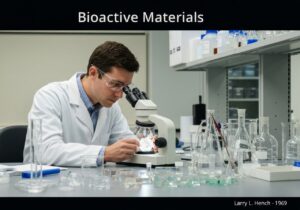
Ricercatore che analizza in laboratorio materiali biocompatibili per impianti medici.

(Immagine generata a solo scopo illustrativo)

La biocompatibilità si riferisce alla capacità di un materiale di interagire con un organismo ospite in modo appropriato in una specifica applicazione. Non è una proprietà intrinseca del materiale, ma è definita dalla situazione. I fattori chiave includono la chimica superficiale, la topografia e le proprietà meccaniche del materiale, che determinano la risposta biologica, come ad esempio le proteine. adsorbimentoadesione cellulare, infiammazione e incapsulamento fibroso.

Biocompatibility is a dynamic and context-dependent concept, not a static, inherent property of a material. The ‘appropriate host response’ varies significantly with the intended function of the device. For instance, a material for a permanent hip implant should be bioinert, eliciting minimal reaction and integrating stably with bone. In contrast, a material for a biodegradable suture should elicit a controlled inflammatory response that facilitates healing and then safely degrades. The cascade of events at the biointerface begins seconds after implantation with the adsorbimento of a layer of host proteins (e.g., albumin, fibrinogen, fibronectin), a phenomenon known as the Vroman effect. The composition and conformation of this protein layer dictates the subsequent cellular attachment, activation, and signaling. This initial phase is followed by an inflammatory response, involving the recruitment of neutrophils and then macrophages to the implant site. If the material is perceived as foreign and cannot be phagocytosed, macrophages may fuse to form foreign body giant cells (FBGCs). This chronic inflammatory state leads to the final stage: the formation of a dense, avascular fibrous capsule that isolates the implant from the host body. While this encapsulation can be acceptable for some passive implants, it is detrimental for devices requiring biological integration, like sensors or tissue scaffolds. Understanding and controlling these interactions through surface modification—by altering wettability, charge, topography, or grafting specific biomolecules—is a central goal of biomaterials science to ensure long-term device success and patient safety.

UNESCO Nomenclature: 3201
Scienze mediche

Tipo

Sistema astratto

Interruzione

Fondamento

Utilizzo

Uso diffuso

Precursori

  • scoperta delle tecniche chirurgiche asettiche da parte di Joseph Lister
  • sviluppo di polimeri inerti come pmma e silicone
  • understanding of the foreign body response in immunology
  • progressi nella scienza delle superfici e nelle tecniche di caratterizzazione (ad esempio, sem, afm, xps)

Applicazioni

  • design of impianti medici (e.g., hip replacements, dental implants)
  • sviluppo di sistemi di somministrazione di farmaci
  • fabrication of tissue engineering scaffolds
  • creazione di biosensori e dispositivi diagnostici
  • rivestimenti per stent cardiovascolari per prevenire la trombosi

Brevetti:

NA

Idee e potenziali innovazioni

  • impianti intelligenti con sensori per monitorare la risposta dell'ospite in tempo reale
  • biomateriali con velocità di degradazione regolabili abbinate alla velocità di rigenerazione dei tessuti
  • superfici immunomodulatorie che indirizzano attivamente la risposta immunitaria verso la guarigione piuttosto che verso il rigetto
  • personalized implants designed based on a patient’s specific biological profile
  • rivestimenti anti-biofouling ispirati agli organismi marini per cateteri e shunt
  • Impianti stampati in 3D con geometrie specifiche per il paziente e topografie superficiali controllate
  • biomateriali in grado di sequestrare e neutralizzare le citochine infiammatorie
  • materiali implantari auto-riparanti che riparano piccoli danni in situ
  • ‘living’ biomaterials incorporating engineered cells to perform therapeutic functions
  • impianti elettronici biodegradabili per il monitoraggio o la stimolazione temporanea
Argomenti correlati: biocompatibilità, risposta dell'ospite, impianto medico, biomateriale, adsorbimento proteico, infiammazione, incapsulamento fibroso, biointerfaccia, modificazione della superficie, effetto Vroman.

Contesto storico

Biocompatibilità dei materiali

1965
1970
1980
1980
1990
1960
1969
1976-05-28
1980
1990

(se la data è sconosciuta o non rilevante, ad esempio "meccanica dei fluidi", viene fornita una stima approssimativa della sua notevole comparsa)

decimo anno anniversario

Le immagini a grandezza naturale e i download sono disponibili, gratuitamente al 100%, solo per gli utenti registrati.

> Login <