Product Design, Manufacturing & Innovation Resources

5S

5S

5S

Zielsetzung:

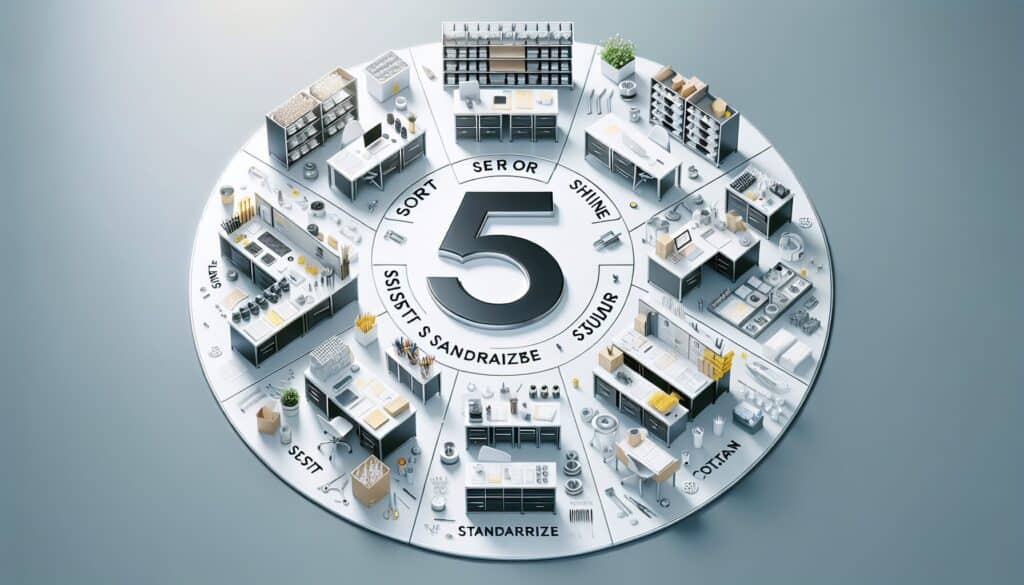
Eine Methode zur Arbeitsplatzorganisation, die auf fünf japanischen Wörtern basiert: Seiri (Sortieren), Seiton (Ordnen), Seiso (Glänzen), Seiketsu (Standardisieren) und Shitsuke (Sustain), mit dem Ziel, ein sauberes, organisiertes und effizientes Arbeitsumfeld zu schaffen.

Wie es verwendet wird:

Vorteile

Nachteile

Kategorien:

Am besten geeignet für:

The 5S methodology finds its application across various industries such as manufacturing, healthcare, and offices, effectively integrating into lean production processes. During the initial project phase, teams engage in sorting through existing inventory and eliminating any tools or materials that do not contribute value, a task often initiated by team leaders or management. The next phase focuses on “Set in Order,” where items essential for daily operations are strategically organized based on their frequency of use, enhancing accessibility and minimizing time wasted searching for equipment. “Shine” encourages regular cleaning schedules that not only enhance the aesthetic appeal but also proactively identify maintenance issues that could disrupt operations. Following that, the “Standardize” phase develops specific procedures and guidelines to ensure that the practices established in the first three S’s are acknowledged and adhered to by all staff. The final phase, “Sustain,” emphasizes the importance of continuous training and periodic audits to reinforce these practices among employees, fostering a culture of accountability and improvement. Organizations implementing 5S often experience a marked increase in safety since clutter and disorganization can lead to accidents, while the enhanced orderliness supports superior quality control and operational efficiencies. Active participation from all levels of staff is encouraged, as collective engagement increases the sense of ownership and motivation, leading to sustained improvements in a tidy, well-organized environment.

Die wichtigsten Schritte dieser Methodik

  1. Entfernen Sie unnötige Elemente aus dem Arbeitsbereich.
  2. Ordnen Sie die benötigten Gegenstände so an, dass sie leicht zugänglich und gut sichtbar sind.
  3. Reinigen Sie den Arbeitsbereich regelmäßig, um Hygiene und Ordnung zu gewährleisten.
  4. Standards für die Aufrechterhaltung von Ordnung und Sauberkeit implementieren und dokumentieren.
  5. Für Disziplin sorgen, um Standards einzuhalten und kontinuierliche Verbesserungen zu fördern.

Profi-Tipps

  • Führen Sie regelmäßige Audits mit einem funktionsübergreifenden Team durch, um Verbesserungspotenziale zu identifizieren und die Einhaltung der 5S-Methodik zu stärken.
  • Utilize visual management techniques like color coding and signage to enhance the visibility of tools and resources, facilitating quick access and minimizing search time.
  • Schaffen Sie einen Feedback-Kreislauf mit den Teammitgliedern, um kontinuierliche Verbesserungen zu erzielen und Anregungen sowie gewonnene Erkenntnisse zu fördern, um die 5S-Praktiken zu verfeinern und aufrechtzuerhalten.

Verschiedene Methoden lesen und vergleichen, Wir empfehlen die

> Umfassendes Methoden-Repository  <
zusammen mit den über 400 anderen Methoden.

Ihre Kommentare zu dieser Methodik oder zusätzliche Informationen sind willkommen auf der Kommentarbereich unten ↓ , sowie alle ingenieursbezogenen Ideen oder Links.

Historischer Kontext

1960
1965
1970
1980
1983
1990
1992
1960
1960
1970
1980
1980
1986
1990
1992

(wenn das Datum unbekannt oder nicht relevant ist, z. B. „Strömungsmechanik“, wird eine gerundete Schätzung seines bemerkenswerten Auftretens bereitgestellt)

Bilder in voller Größe und Downloads sind nur für registrierte Mitglieder 100% kostenlos verfügbar.

> Login <