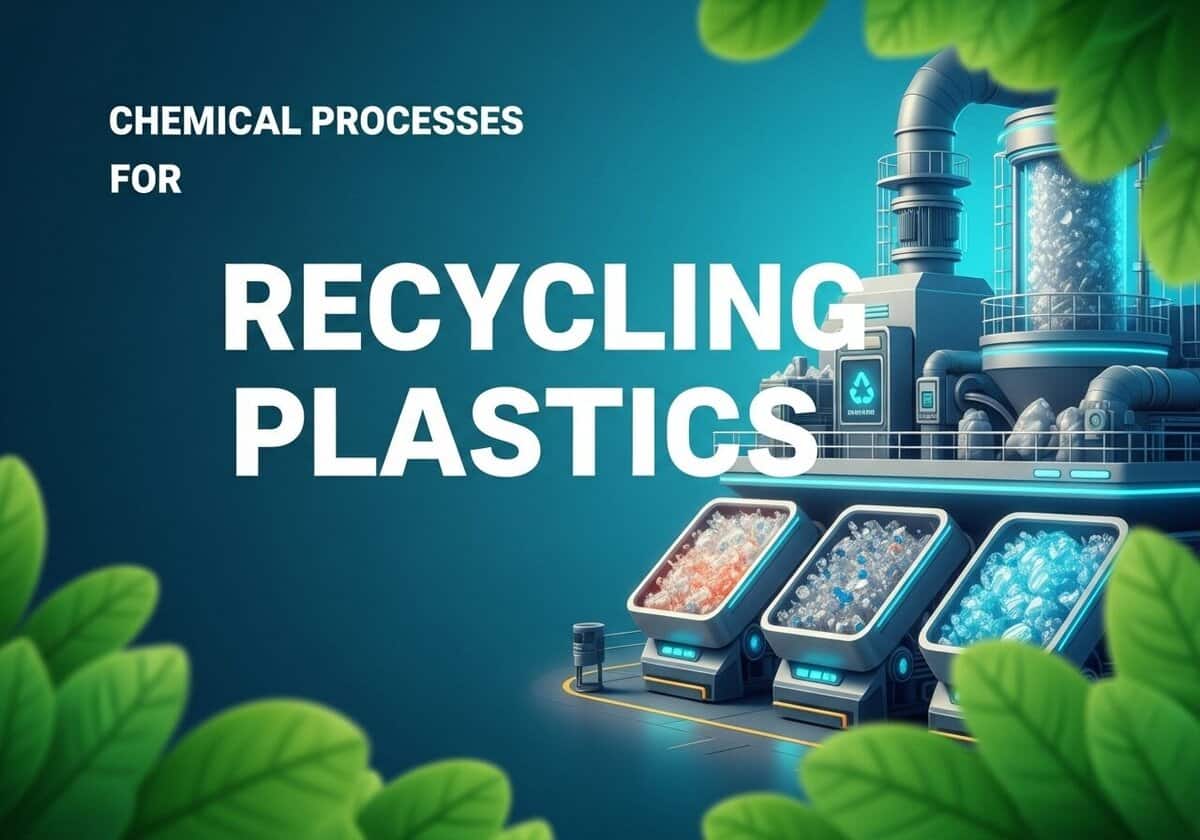
As global plastic waste reaches staggering levels—an estimated 380 million tons produced annually, with only 9% recycled—the urgency for effective recycling solutions has never been greater. Chemical recycling emerges as a transformative approach, distinct from conventional mechanical methods, offering the potential to recover valuable feedstock from a variety of plastics. This article will provide a comprehensive overview of major chemical recycling technologies, including pyrolysis and gasification, and assess their feedstock requirements for different plastic types. We will evaluate the output products such as monomers and fuels, discuss the current technological readiness levels and scalability of these processes, and analyze their environmental implications and economic feasibility.
Key Takeaways
- Chemical recycling differs from mechanical processes significantly.
- Pyrolysis may convert plastics into fuel and other products.
- Gasification transforms plastics into syngas for energy.
- Feedstock requirements vary based on plastic types processed.
- Output products include monomers, naphtha, and fuels.
- Environmental impact and economic factors influence viability.
Overview of Chemical Recycling and Its Distinction from Mechanical Recycling
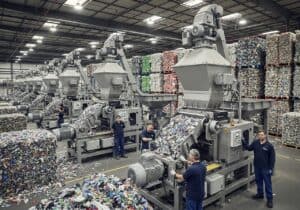
Chemical recycling is a transformative approach that involves breaking down plastics at the molecular level to regenerate raw materials suitable for various applications. Unlike
mechanical recycling, which physically processes plastics into smaller pieces without altering their chemical structure, chemical recycling aims to decompose polymers, converting them back into monomers or other chemical building blocks. This process allows for the production of high-quality recycled materials that can be reused to manufacture new products with properties similar to virgin materials.
As an example, a study indicated that chemical recycling could potentially reclaim over 90% of plastics into usable forms, addressing quality concerns often associated with mechanically recycled materials
In contrast, mechanical recycling often suffers from limitations due to contamination, complexity in the feedstock composition, and degradation of material properties upon repeated recycling. For instance, mechanical processes can lead to the loss of some of the physical characteristics of plastics, usually resulting in lower-value applications. This can be quantified by a significant drop in tensile strength, sometimes exceeding 50% for certain polymers after just two cycles of mechanical recycling.
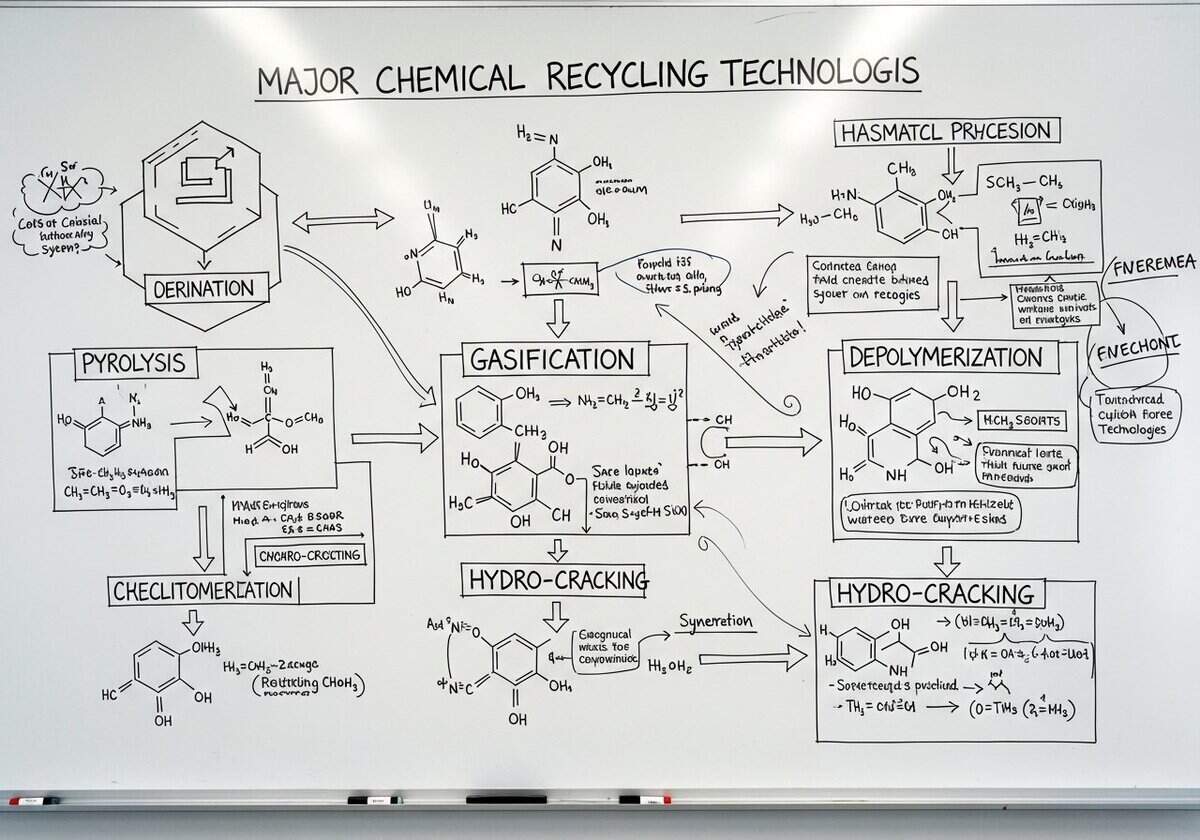
Commonly, chemical recycling can be bifurcated into two main methods:
- depolymerization, which focuses on returning plastics to their monomer states
- pyrolysis, which converts them into fuels and chemicals. Each method has its respective suitability depending on the type of plastic being processed.
For instance, PET (polyethylene terephthalate), commonly used in beverage bottles, can be effectively depolymerized to reclaim its constituent monomers, while polyolefins like polypropylene can be more efficiently processed through pyrolysis.
Despite its promise, the implementation of chemical recycling faces certain challenges, including technological readiness and regulatory hurdles. Several ongoing pilot projects across Europe and North America have reported yields of around 80-90% for specific plastics, showcasing potential feasibility. As technologies evolve, the clear differentiation between chemical and mechanical recycling processes will play a significant role in determining how effective our waste management and recycling systems can be.
The rest of this article is reserved for members
To limit scraping bots (currently 40,000 hits per day!),
we had to restrict access to full articles and tools to registered members only.
to access all the rest.