
حيث تساعد العلوم الاجتماعية وتحليلات البيانات على جذب اللاعب أو المشتري: يعتمد تصميم الترفيه التفاعلي الحديث بشكل كبير على المبادئ المستمدة من العلوم الاجتماعية لبناء تجارب جذابة وناجحة تجارياً. هذه الأساليب ليست اعتباطية بل هي تطبيق منهجي لمفاهيم نفسية راسخة، من التعزيز المتغير المعدل الذي يظهر في التكييف الفعال إلى الانحيازات المعرفية مثل النفور من الخسارة وتأثير الهبة.
هذا المقال هو الجزء الثاني من 3 أجزاء:
- حيل إحصائية وقائمة على البيانات للألعاب تسويق
- حيل العلوم المعرفية للألعاب والتسويق
- المزيد من حيل العلوم المعرفية للألعاب والتسويق
يتبع ذلك:

النظريات السلوكية والإدراكية - الوجبات السريعة الرئيسية
يعتمد جزء كبير من استراتيجية المشاركة الحديثة على أسس علم النفس السلوكي، وتحديدًا مبادئ التكييف الفعال. وهذا نطاق centers on shaping behavior by associating voluntary actions with consequences, primarily through reinforcement. The most potent schedule of reinforcement used is variable rate, where a reward is delivered after an unpredictable number of actions. This unpredictability, seen in لعبة loot drops or random marketing offers, maximizes engagement by making the behavior itself compelling, as the user is driven by the persistent possibility of an imminent reward. Simpler schedules like fixed interval (e.g., daily login bonuses) and fixed ratio (e.g., loyalty card stamps) are also employed to build consistent, predictable habits and reward sustained user patronage.
يُكمّل التكييف السلوكي تطبيق مجموعة واسعة من التكييف المعرفي الموثق التحيزات والاستدلال للتأثير على إدراك المستخدم واتخاذ القرار. يتم الاستفادة من مبادئ مثل النفور من الخسارة لإنشاء الخوف من فقدان شيء ما on limited-time offers or breaking a reward streak, as the pain of a loss is a stronger motivator than an equivalent gain. The sunk cost fallacy and the endowment effect are exploited to retain users by making them psychologically overvalue the time, effort, or money they have already invested in a game character or a service. Other biases like anchoring are used to manipulate price perception in digital storefronts, while social proof, through leaderboards and user testimonials, is applied to validate a user’s choice to يخطب with a product by showing that many others are doing the same.
الجزء #2: الحيل النفسية والتفاعلية

11. المكافآت المتقطعة (تعزيز المعدل المتغير)
وهذا تطبيق مباشر للتكييف الفعال:
يفرز الدماغ الدوبامين ليس فقط عند الحصول على المكافأة، ولكن تحسبًا لها.
نظرًا لأن اللاعب لا يستطيع التنبؤ بالعمل الذي سيؤدي إلى المكافأة، يتم إنشاء حلقة ثابتة ومقنعة للغاية. احتمالية أن يكون الوحش التالي الذي سيُهزم أو الصندوق التالي الذي سيُفتح هو الذي يحتوي على عنصر نادر يجعل اللاعب يكرر الفعل لفترة أطول بكثير مما لو كانت المكافأة متوقعة.
يمكن إدارة التنفيذ بواسطة جداول الغنائم من جانب الخادم ومولد أرقام عشوائية زائفة (RNG). عندما يقوم اللاعب بإجراء ما (على سبيل المثال، فتح صندوق)، يرسل العميل طلبًا إلى الخادم. ثم يقوم الخادم بتنفيذ برنامج نصي "يتدحرج" مقابل جدول احتمالات مرجح. على سبيل المثال، قد يكون للعنصر الأسطوري فرصة 0.1%، وللعنصر الملحمي فرصة 1%، وللعنصر العادي فرصة 98.9%. سلطة الخادم على RNG أمر بالغ الأهمية لمنع الاختراق من جانب العميل.
تطبيق اللعبة: في لعبة تصويب الخيال العلمي، هزيمة سفينة نقل العدو تسقط حاوية شحن. تحتوي معظم الحاويات على ذخيرة قياسية. ومع ذلك، هناك فرصة بنسبة 0.5% أن تحتوي الحاوية على "نموذج تخطيطي لسلاح أولي". سيقوم اللاعبون بتدمير المئات من وسائل النقل، مدفوعين بالمكافأة غير المتوقعة ذات القيمة العالية.
12. نموذج الخطاف
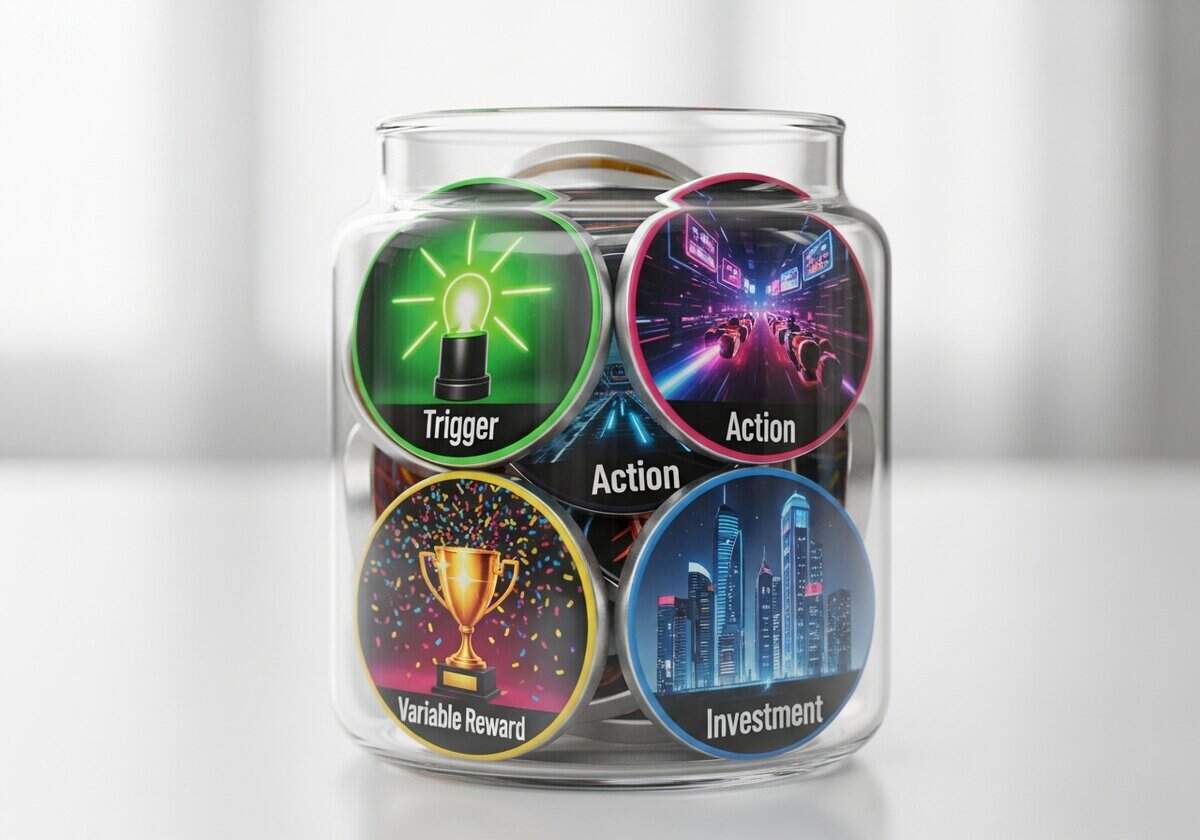
ينشئ هذا النموذج حلقة من العادات من خلال أربع مراحل: المحفز، الإجراء، المكافأة المتغيرة، الاستثمار. يحفز المحفز (على سبيل المثال، إشعار دفع) على اتخاذ إجراء (فتح اللعبة)، مما يؤدي إلى مكافأة متغيرة (على سبيل المثال، مكافأة عشوائية يومية لتسجيل الدخول عشوائيًا). الخطوة الأخيرة، الاستثمار (على سبيل المثال، قضاء بضع دقائق في ترتيب قاعدتك)، تجعل المشغّل التالي أكثر فعالية من خلال زيادة القيمة المخزنة للمستخدم في النظام.
إنها تبني دورة نفسية تدمج اللعبة في الروتين اليومي للمستخدم.
نظام تكنولوجيا المعلومات لدعم ذلك متعدد الأوجه. يعتمد "المشغّل" غالبًا على خدمة الإشعارات الفورية المتصلة بنظام توقيت (على سبيل المثال، إرسال إشعار إذا لم يقم المستخدم بتسجيل الدخول لمدة 24 ساعة). يتم تسجيل "الإجراء" بواسطة خادم اللعبة. تستخدم "المكافأة المتغيرة" أنظمة RNG الموصوفة سابقًا. تقوم مرحلة "الاستثمار" بتسجيل المحتوى أو التقدم الذي ينشئه المستخدم في قاعدة بيانات دائمة، مما يضمن حفظ جهوده وتحميلها للجلسة التالية.
تطبيق اللعبة: ترسل لعبة الحيوانات الأليفة الافتراضية إشعارًا في الساعة 8 صباحًا ("حيوانك الأليف جائع!"). يفتح اللاعب التطبيق (إجراء) ويطعم الحيوان الأليف، والذي يعطي أحيانًا "مكافأة لامعة" نادرة (مكافأة متغيرة). يستخدم اللاعب بعد ذلك المكافأة لتعليم الحيوان الأليف خدعة جديدة، والتي يتم حفظها (استثمار)، مما يجعله أكثر عرضة للاستجابة لإشعار الجوع غدًا.
13. الخوف من الضياع (FOMO)

تستفيد FOMO من المبدأ النفسي لتجنب الخسارة. إن شعور المرء بأنه قد تفوته فرصة فريدة من نوعها، أو سلعة محدودة الوقت، أو حدث خاص هو حافز قوي.
لا يتعلق هذا الأمر بكسب شيء ما، بل يتعلق بمنع الشعور السلبي بالندم المرتبط بفقدان شيء ما.
إنه يضغط على اللاعبين لتسجيل الدخول بشكل متكرر، حتى عندما لا يفعلون ذلك، لمجرد الحفاظ على إمكانية الوصول إلى الفرص الحساسة من حيث الوقت.
This is implemented using a server-side event management system. The system’s clock is the single source of truth for all time-based events. Developers define event start and end times in a central configuration file. The game client frequently syncs with the server’s clock to display accurate countdown timers in the واجهة المستخدممثل "ينتهي الحدث بعد 4 ساعات و15 دقيقة." عندما يتجاوز وقت الخادم وقت انتهاء الحدث، لا يتم تقديم المحتوى أو العرض ذي الصلة إلى أي عملاء اللعبة.
تطبيق اللعبة: وهي لعبة تقمص الأدوار الخيالية على الإنترنت تعلن عن حدث "قمر الدم" الذي يستمر لعطلة نهاية أسبوع واحدة فقط. خلال هذه الفترة، يمكن للاعبين الحصول على مجموعة "الدرع الغارقة في الدم" الفريدة التي لا يمكن الحصول عليها في أي وقت آخر. يخلق هذا زيادة هائلة في عمليات تسجيل الدخول خلال عطلة نهاية الأسبوع من اللاعبين الذين لا يريدون تفويت فرصتهم الوحيدة للحصول على الدرع.
14. الدليل الاجتماعي والمنافسة
This taps into fundamental human drives for social تصديق and status. Seeing that many other people are playing a game, or seeing a friend’s high score on a leaderboard, validates the player’s own choice to play and introduces a competitive drive. Guilds and team features create a sense of belonging and obligation, where a player’s performance directly impacts their peers, creating strong ضغط to participate and perform well.
تتضمن التقنية الكامنة وراء ذلك لوحات المتصدرين، والتي هي في الأساس استعلامات قاعدة بيانات مرتبة معروضة في عميل اللعبة. تحتاج قواعد البيانات هذه إلى أن تكون قادرة على استيعاب كميات كبيرة من تحديثات النتائج والأداء السريع فرز operations. Guild systems require a more complex database schema to manage memberships, roles, and a shared inventory or chat system. Network infrastructure must support real-time تواصل protocols (like WebSockets) for features like guild chat to function effectively.
Simple game example: في لعبة سباق على الهاتف المحمول، بعد أن يكمل اللاعب السباق، تُظهر شاشة النتائج الوقت الذي حققه اللاعب إلى جانب الوقت الأفضل قليلاً لأحد أصدقائه، مع رسالة "اهزم وقت أليكس!". يستخدم هذا التحدي الشخصي المباشر والمباشر الدليل الاجتماعي والمنافسة لتشجيع اللاعب على تجربة السباق مرة أخرى على الفور.
15. تأثير زيغارنيك
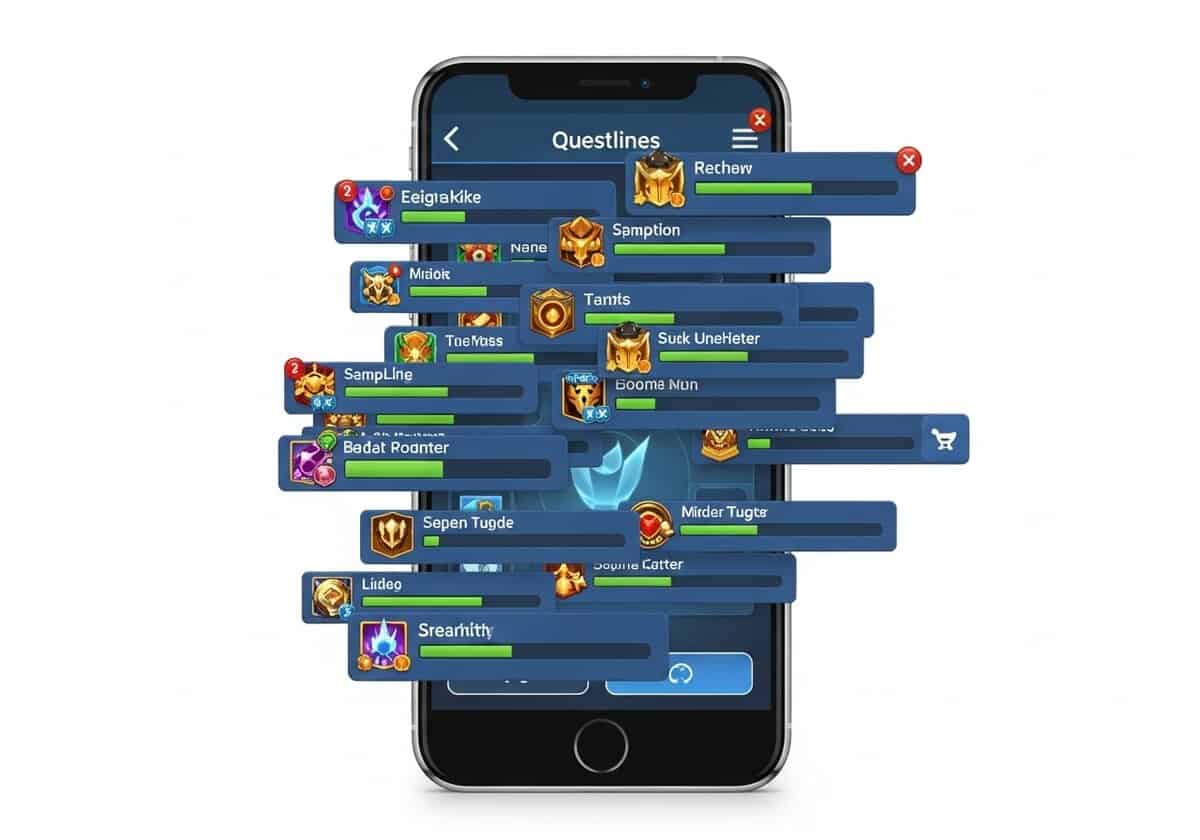
يفترض هذا التأثير النفسي أن الناس لديهم ذاكرة أفضل للمهام غير المكتملة مقارنةً بالمهام المكتملة. من خلال تقديم اللعبة للاعبين بخطوط مهام متعددة ومتداخلة وأشرطة تقدم، تضمن اللعبة وجود "مهمة غير مكتملة" في ذهن اللاعب دائمًا. هذا يخلق توترًا ذهنيًا لا يمكن حله إلا بالعودة إلى اللعبة وإكمال المهمة، مما يجعل اللعبة أكثر انتشارًا ذهنيًا.
يتطلب التنفيذ نظامًا متطورًا لإدارة المهام والحالة. يتم تخزين تقدم كل لاعب في عشرات أو مئات المهام والأهداف المختلفة في قاعدة بيانات. صُممت واجهة مستخدم اللعبة خصيصًا لتسليط الضوء على هذه المهام غير المكتملة. على سبيل المثال، قد تعرض الشاشة الرئيسية أيقونات متعددة، كل منها مع شريط تقدم: "المهام اليومية (2/5)، "القصة الرئيسية (الفصل 3)، "مهمة النقابة (80% مكتملة)". هذا يذكر اللاعب باستمرار بجميع أنشطته المعلقة.
تطبيق اللعبة: في لعبة مغامرات عالم مفتوح، قد يكون اللاعب في طريقه إلى هدف القصة الرئيسية عندما يكتشف مهمة جانبية لجمع خمس زهور نادرة. يجمعون ثلاثة قبل أن ينحرفوا عن مسارهم بسبب هجوم وحش. عندما يسجلون الخروج، تخلق فكرة "الزهرتين المتبقيتين" العالقة في أذهانهم حكة ذهنية تجذبهم للعودة إلى اللعبة لاحقًا.
16. The Sunk Cost Fallacy

One of the most used trick in game (and in many life situation too): this taps into the cognitive bias where individuals feel compelled to continue an endeavor because of the resources (time, money, effort) they have already invested. In games, long-term progression systems, collections, and achievements are designed to maximize this effect. The more a player invests in leveling up a character or building a base, the harder it becomes psychologically to abandon that investment, even if the game is no longer هزار.
This is enabled by the persistent storage of player data. Every hour played, every item collected, and every dollar spent is logged in a server-side database tied to the player’s account. The game’s UI constantly reflects this investment by displaying high character levels, vast inventories of items, and “time played” statistics. These serve as constant reminders of the player’s accumulated “sunk cost,” reinforcing their commitment.
تطبيق اللعبة: a player in a space fleet strategy game has spent 500 hours building up their flagship. A new, competing space game is released that looks more interesting. However, the thought of abandoning the flagship, which they have invested so much in, is too painful. They decide to stick with the current game because of their prior investment.
17. Appointment Gaming

This mechanic conditions players to integrate the game into their daily or weekly schedule, creating a habit.
By making important resources or events available only at specific, recurring times, the game trains the player to return at that appointed time. This transforms the game from a random leisure activity into a scheduled part of their routine, much like a favorite TV show.
The implementation relies on a server-authoritative clock and an event scheduling system. A developer configures a task to run at a specific time (e.g., 12:00 PM UTC daily). When that time is reached, the server grants a reward to all players who log in within a certain window. This can be as simple as a cron الوظيفة on a Linux server that triggers a script. The game client UI displays timers counting down to the next “appointment” to build anticipation.
تطبيق اللعبة: a farming simulation game has a “Merchant Ship” that arrives at the town dock every day at 6:00 PM local time and stays for only one hour. The ship offers the best prices for crops and sells rare seeds. Players learn to schedule a break in their evening to log in and conduct their business with the ship, making the game a fixed part of their day.
18. “Juiciness” and Satisfying Feedback

“Juiciness” refers to providing exaggerated, multi-sensory feedback to player actions, which taps into the brain’s reward system. A simple button press is made more satisfying if it is accompanied by a smooth animation, a pleasing sound effect, and subtle screen shake. This positive reinforcement on a micro-level makes the core actions of the game feel intrinsically good, regardless of the strategic outcome, making the gameplay loop itself highly satisfying.
مثال: the exciting sounds of golden coins falling on your side in a casino machine.
This is not a network or statistics feature, but one of pure client-side برمجة engineering and artistry. It involves layering multiple feedback systems onto a single action. For example, when a player matches gems in a puzzle game, the code triggers not just the removal of the gems, but also a particle effect system, a sound playback event, a score animation, and a brief camera shake function. Each of these small, additive effects combines to create a “juicy” feel.
تطبيق اللعبة: in a tile-matching puzzle game, when a player clears a line, the blocks don’t just disappear. They flash brightly, emit a bassy “thump” sound, send out little star particles, the score numbers fly out from the cleared line, and the whole screen shakes for a fraction of a second. This makes the simple act of clearing a line feel powerful and rewarding.
19. Narrative Immersion

A strong narrative engages players emotionally, providing context and purpose for their in-game actions. This taps into the human need for meaning and storytelling. When a player feels they are part of an epic story and are emotionally invested in the fate of its characters, their motivation shifts from pure mechanics to a desire to see what happens next.
This can create a powerful, long-term hook that gameplay mechanics alone cannot replicate.
The technical implementation involves a good story engine or quest system that tracks the player’s progress through a branching or linear narrative. This system stores “story flags” in the player’s save data. These flags determine which characters appear, what dialogue options are available, and which zones are accessible. High-quality voice acting, music, and cinematic cutscenes, which are large data assets that must be efficiently streamed or pre-loaded by the game client, are used to enhance the emotional impact of the narrative.
تطبيق اللعبة: in a story-driven adventure game, a player’s companion character, a robot, sacrifices itself to save the player from a powerful enemy in a scripted cutscene. The player, now emotionally invested in avenging their fallen companion, is powerfully motivated to continue the main story quest to defeat the enemy, driven by the narrative rather than just loot or experience points.
20. Loss Aversion

This principle states that the pain of losing something is psychologically about twice as powerful as the pleasure of gaining something of equal value. Games utilize this by framing rewards as something the player is about to lose.
Tip: a daily login bonus is not just a “gain”; missing it is framed as a “loss” of a guaranteed reward. This creates a defensive, preservation-focused mindset that encourages consistent engagement.
This is implemented through streak-based reward systems. The server tracks a player’s consecutive login days. The UI presents this as a streak, often with increasingly valuable rewards for each consecutive day. For example, “Day 7 Login: Claim your Legendary Chest! Warning: If you miss a day, your streak will reset to Day 1.” The “Warning” message explicitly triggers loss aversion, as the player is motivated to log in to avoid losing their progress toward the valuable reward.
تطبيق اللعبة: a fitness-based game gives the player 10 “Energy” every day they log in. After a 7-day streak, it upgrades to 20 Energy per day. The UI displays: “You are on a 15-day streak! Don’t miss tomorrow, or you’ll lose your 2x Energy bonus!” The fear of losing the doubled bonus is a stronger motivator to log in than the bonus itself.
يكمل هذا المنشور مع 25 حيلة أخرى أخيرة في "المزيد من حيل العلوم المعرفية للألعاب والتسويق" أدناه:

مسرد المصطلحات المستخدمة
User experience (UX): الرضا العام والإدراك لدى المستخدم عند التفاعل مع منتج أو نظام أو خدمة، بما في ذلك قابلية الاستخدام وإمكانية الوصول والتصميم والاستجابة العاطفية طوال عملية التفاعل بأكملها.
User Interface (UI): نظام يتيح التفاعل بين المستخدمين وتطبيقات البرامج، ويشمل عناصر مرئية، وأدوات تحكم، وتخطيطًا عامًا لتسهيل مهام المستخدم وتحسين التجربة.