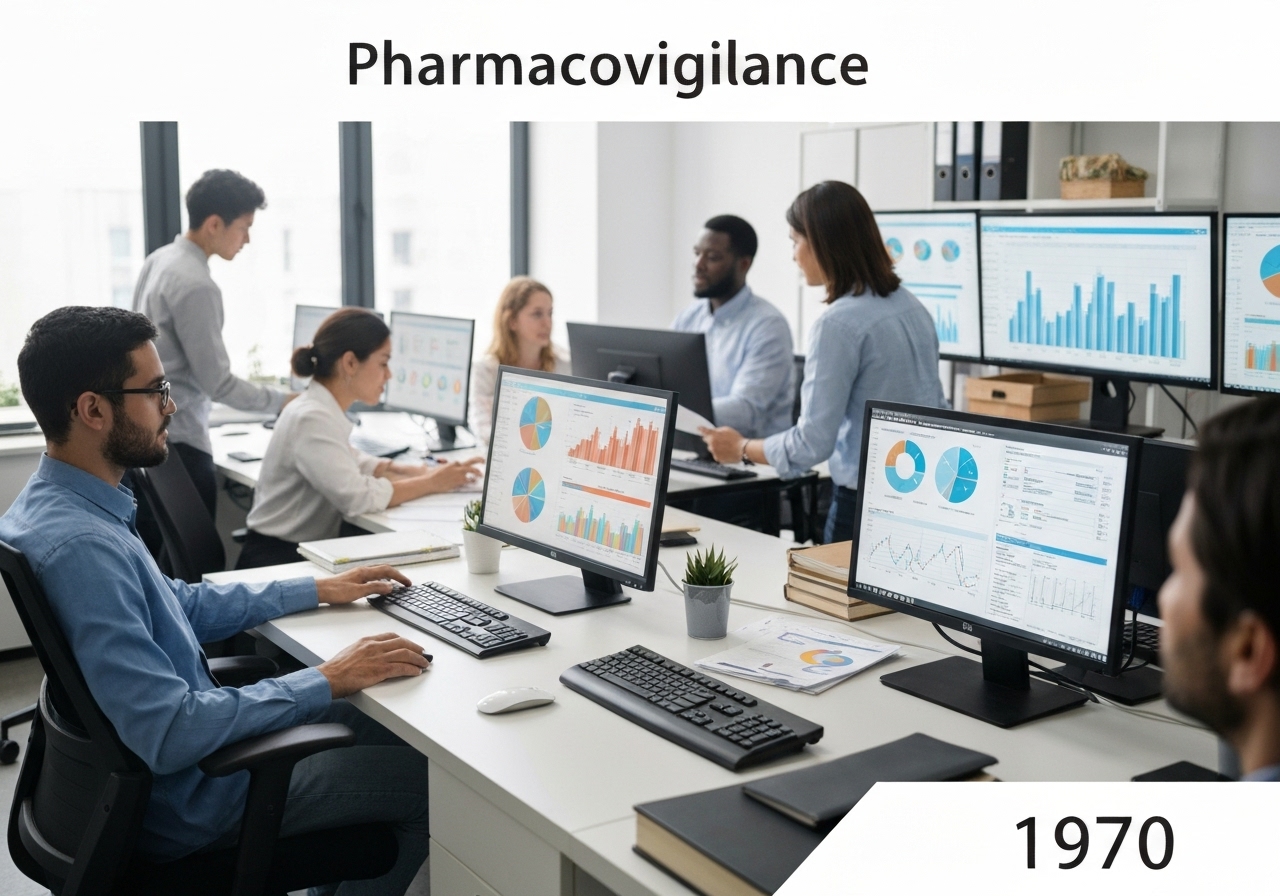
The necessity for a systematic approach to drug safety monitoring became tragically apparent following the thalidomide disaster in the early 1960s, where a seemingly safe sedative caused severe birth defects. This event catalyzed the development of modern pharmacovigilance systems. The core activity of pharmacovigilance is the collection and analysis of spontaneous reports of suspected adverse drug reactions (ADRs). Healthcare professionals and patients submit these reports to national regulatory authorities or the drug’s manufacturer. These individual case safety reports (ICSRs) are entered into large databases. Sophisticated data mining algorithms are then used to perform signal detection—the process of identifying potential new drug-safety issues from the vast amount of data. A ‘signal’ is reported information on a possible causal relationship between an adverse event and a drug, which is unknown or incompletely documented previously. Once a signal is detected, it undergoes rigorous assessment to determine if a causal link is likely. This may involve epidemiological studies, such as cohort or case-control studies, to quantify the risk. If a new risk is confirmed, regulatory action is taken. This can range from updating the product’s labeling to include the new side effect, issuing warnings to doctors, restricting the drug’s use, or, in rare cases, withdrawing the drug from the market. Pharmacovigilance is therefore a critical, dynamic component of public health, ensuring that the benefit-risk balance of a medicine is continuously monitored and remains favorable throughout its use in the population.