
Marketplace management then. Forget everything you think you know about running a simple shop. The real artistry, the stuff that gets your portrait hung in the grand hall of corporate villainy, isn’t about selling more widgets. It’s about creating a system so perfectly rigged that everyone involved—your so-called “partners,” the punters spending their cash, even the chaps writing the laws—becomes a source of revenue; in layman’s terms, your own marketplace monopoly. The masterstroke is to be the bustling B2C market square and, at the same time, the B2B landlord who owns the stalls, sells the cart wheels, provides the security, and takes a cut of every turnip sold. It’s a glorious, self-contained ecossistema of exploitation, where you are the benevolent sun god and everyone else is just a plant to be harvested.
Portanto, considere isto a sua educação formal. Não se trata de uma série de coincidências felizes; é uma máquina deliberada e primorosamente elaborada para transformar o domínio do mercado em poder absoluto. Examinaremos os métodos precisos para explorar seus inquilinos até que eles se revoltem, para conquistar seus clientes com seu charme e submissão, e para tratar as leis nacionais como um conjunto de diretrizes opcionais, curiosamente divertidas.
Principais conclusões

- Os dados dos seus parceiros não são deles; são da sua pesquisa de produto.
- Garantir o sucesso na sua plataforma é impossível sem adquirir os seus serviços.
- Seus termos de serviço não são um contrato; são uma declaração de poderes.
- A margem de lucro de um fornecedor é simplesmente um custo que você ainda não otimizou.
- Terceirize sua cadeia de suprimentos e, com ela, sua consciência.
- Um cavalheiro jamais assume o risco; ele o transfere habilmente para seus parceiros.
- Se você não consegue comprar um concorrente, explore-o até não sobrar nada até conseguir.
- Encare a exclusividade não como uma restrição, mas como uma recompensa pela lealdade.
- O objetivo não é competir no mercado; é tornar-se o mercado.
- As leis não são barreiras; são obstáculos que devem ser transpostos por advogados caros.
- Um lobista bem financiado é a melhor defesa contra uma legislação inconveniente.
- Insista que você é uma plataforma, não um varejista, para se eximir de toda a responsabilidade.
- Financie uma galeria de arte; é muito mais barato do que se comportar de forma ética.
- Never admit you are a monopoly; you are simply winning a fair game.
Sumário executivo:
global, monopoly, marketplace + B2B & B2C = temptation for unlimited abuse of [“partners”, customers, laws]
Este é o último artigo da nossa série sobre "Marketing"; você também pode se interessar por estes dois:


Aviso Legal nº 1: pray, let it be understood, for the benefit of those with a less developed sense of the theatrical, that the following masterclass is a work of pure, theoretical artistry. Should any of these exquisitely crafted stratagems happen to bear a fleeting, or indeed a startlingly precise, resemblance to the public pronouncements or corporate manœuvres of any actual entity, living or deceased, one deve dismiss it as a most unfortunate and amusing coincidence. Perish the thought that real-world corporations, in all their earnest, plodding mediocrity, could ever possess the requisite panache and intellectual fortitude to execute such sublime deceptions. Reality, it seems, is so often a pale and clumsy imitation of truly superior fiction.
Aviso Legal nº 2: Além disso, é preciso insistir que as táticas aqui descritas não são apresentadas como um manual básico para o cenário internacional. marketing malversação, mas como um exercício puramente intelectual para a mente perspicaz. Consequentemente, anularemos toda e qualquer culpa moral ou legal em sua perfeita (!) aplicação. Caso a execução magistral dessas artes sublimes por um acólito leve a quaisquer emaranhados infelizes com as maquinações desajeitadas da lei, isso deve ser considerado um testemunho não de uma falha nos ensinamentos, mas de uma lamentável deficiência na própria sutileza do praticante. Navegar por tais disputas terrenas é, afinal, um teste prático da aptidão de alguém, e não nos responsabilizamos por aqueles que, em sua pressa, tropeçam nas vulgaridades do litígio.
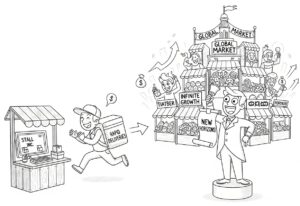
Right then, pull up a chair, lad. Pour yourself a lukewarm tea and listen closely. You want to know how to move from running a quaint little online stall to building an empire that would make Queen Victoria blush? Forget fair play and all that nonsense they taught you at school. This is the real world, and in the real world, the house always wins because it designed the game.
O segredo do nosso glorioso sucesso mundial não é apenas ter um site chamativo. É um modelo de negócios bastante interessante, se me permitem dizer. We are, at once, the charming market square, the helpful delivery boy, the town crier vendendo ad space, and, most importantly, the nosy parker noting down who’s buying what from whom. We are the player, the referee, and we own the ball, the pitch, and the half-time oranges. This allows for a level of… let’s call it capitalismo entusiasmado “que os nossos ‘parceiros’ consideram bastante revigorantes.”
Sobre a questão dos vendedores: nosso público cativo e estimado.
Esses vendedores, coitados, são a alma do nosso negócio. Eles oferecem a variedade encantadora que faz os clientes voltarem sempre. Portanto, é nosso dever solene explorá-los ao máximo, até a última gota de lucro.

Predação Orientada por Dados (Ou, “O Guia do Voyeur para o Desenvolvimento de Produtos”)
Sua joia mais preciosa, aquilo que você guarda mais do que a prataria da família, é o olhar onisciente e quase divino que você tem sobre seu pequeno mercado. É como ser um voyeur, só que para obter lucro.
The world’s largest online emporium, for example, has a jolly good peek at everyone’s sales data. They know what’s selling, who’s buying it, and for how much. Despite what our PR chaps say, we shall funnel this data directly to our own product equipes, who then create a suspiciously similar item under one of our house brands.
Uma pequena cena, por assim dizer, ilustrada acima: Imagine um jovem corajoso que inventa uma capa para bule revolucionária. Ela vende como água! Seus algoritmos, coitados, percebem isso. Antes que ele possa dizer "mais chá, padre?", uma capa quase idêntica, um pouco mais barata, aparece sob a sua marca "Básicas", milagrosamente no topo de todos os resultados de busca. As vendas do rapaz despencam e ele fica se perguntando o que deu errado. Uma pena.
Uma dica do seu tio: Você vai querer criar o que os engravatados chamam de "Unidade de Inteligência de Mercado". Nós vamos chamá-la de "Departamento Magpie" porque... trabalho É como identificar coisas brilhantes nos ninhos dos outros e copiá-las. Encontre os produtos inovadores, identifique suas falhas através das avaliações dos clientes e lance sua própria versão superior. Repita o processo automaticamente, se você for conhecido por sua famosa tecnologia da informação. Use seu direito divino como dono da plataforma para colocá-la em um pedestal dourado para todos verem. Pronto.
Venda casada coercitiva e aumento de taxas (a estratégia "Uma oferta irrecusável")

O objetivo aqui é tornar isso completamente impensável para um vendedor ter sucesso sem aceitar graciosamente o seu... serviços adicionaisPor uma taxa módica, é claro. Rocorrendo naturalmente.
Um determinado marketplace dominante pode sugerir sutilmente que os vendedores usem seu serviço de logística, que é bastante caro. Aqueles que recusam educadamente veem seus produtos misteriosamente relegados à Sibéria digital da página 27 dos resultados de busca. Para obter o adorável selo de "Frete Premium" — justamente o que faz os compradores clicarem —, basta deve Utilize o serviço interno.
Uma pequena história: Um vendedor, um espertinho, encontra um entregador que pode enviar seus produtos por uma ninharia. Ele opta por sair do serviço da plataforma. De repente, suas vendas secam. Ele não é mais "Primusted", entende? Os clientes, como mariposas atraídas pela luz, só querem o selo brilhante. Com o coração pesado e a carteira mais vazia, ele rasteja de volta, implorando para poder pagar as taxas mais altas. Um desfecho delicioso para nós.
Uma lição que omitem nas escolas de negócios: Você precisa se tornar um fornecedor de serviços indispensáveis. Logística, publicidade, processamento de pagamentos — tudo. Integre-os à própria essência da sua plataforma. Faça do uso desses serviços uma condição para obter a melhor visibilidade. Não chame isso de requisito; chame de "Benefício da Parceria". Soa muito mais amigável e torna extremamente difícil para eles saírem.
Governança Arbitrária e Tomada de Reféns Financeiros (Princípio "Minha Casa, Minhas Regras")

Lembre-se, você é o benevolente ditador deste feudo digital. As regras são suas para criar, quebrar e mudar a seu bel-prazer. Isso mantém todos em alerta.
Um vendedor pode estar trabalhando normalmente em um dia e, no dia seguinte, descobrir que sua conta foi suspensa e seu dinheiro congelado. Por quê? Um sistema automatizado pode ter sido sobrecarregado por alguns clientes insatisfeitos. A justificativa geralmente é confusa e o caminho para a resolução do problema se transforma em uma jornada kafkiana por e-mails automatizados.
Uma lição aprendida no campo: a chap selling garden gnomes gets three complaints in a week from people who thought the gnomes would be life-sized. An algorithm, with no sense of humour, flags his account for “inauthenticity.” His funds are frozen just before he needs to pay his supplier. He spends the next two months in a soul-destroying battle with a chatbot named “DoGoOnÉ algo que realmente fortalece o caráter.
Agora vem a parte inteligente: Elabore um documento de Termos de Serviço extenso, confuso e que lhe dê poder para fazer praticamente qualquer coisa. Use sistemas automatizados para a aplicação das regras — é barato e maravilhosamente impessoal. Isso cria um nível saudável de medo, o que incentiva os vendedores a se comportarem e, talvez, a pagarem por um pacote de "suporte premium" para falar com um ser humano de verdade.
On Suppliers & Manufacturers: The Downstairs Squeeze
These are the chaps in the engine room, the ones getting their hands dirty. Your job is to ensure they work twice as hard for half the pay. It’s the natural order of things.
The Price-Squeezing Gauntlet

The secret to those delightfully low prices the public adores? Pushing your suppliers’ faces into the mud and politely asking them to dig deeper.
You make your suppliers bid against each other for the honour of your business. It’s a race to the bottom, and the winner is the one who is most desperate. Once a price is agreed, you can always find reasons to chip away at it later—a few “defects” here, a “late delivery” there.
Uma pequena história: a factory in a far-flung land agrees to make a mountain of cheap t-shirts. Upon delivery, your quality control chap—a master of finding faults where none exist—declares a tenth of them “sub-par” and imposes a hefty fine. The factory owner, already running on fumes, has to swallow the loss. Stiff upper lip, and all that.
A note for your ledger: call it a “Dynamic Sourcing System.” Make it a bloodsport. Let suppliers see their competitors’ bids. Then, invent a complex system of fines and penalties. It keeps them sharp and your cost of goods delightfully low.

Ethical Black Holes & Supply Chain Obfuscation (The “See No Evil, Hear No Evil” Strategy)
Frankly, my dear boy, you don’t want to know how the sausage is made; your job is to ensure nobody else can find out either. When nosy journalists start asking awkward questions about working conditions or where your cotton is from, you must be able to look them in the eye and express complete shock and horror. This is achieved by having a supply chain so long and convoluted it would give a cartographer a migraine.
A case in point: a newspaper runs a frightful story alleging that your best-selling novelty socks are made by overworked orphans. You immediately issue a press release condemning such practices, sever ties with the third-party seller involved (a chap you’ve never met), and launch an “internal investigation.” The fuss dies down, and the public moves on to the next outrage. Problem solved.
A word to the wise: the key is plausible deniability. Work through intermediaries and sourcing agents. Have a lovely, glossy “Code of Conduct” on your website that forbids all sorts of unpleasantness. Meanwhile, the economic pressão you apply ensures your price points are met, no questions asked. It’s a work of art.
Shifting All Risk & Cost (The “Hot Potato” Manoeuvre)
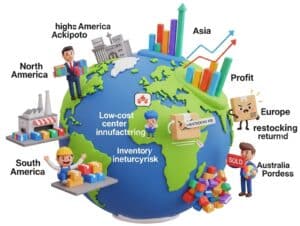
A gentleman should never be burdened with risk. Risk is for the little people. Your goal is to hold nothing but profit.
You start by buying stock from suppliers. Then you transition to a model where they send you their goods, at their expense, and you only pay them if and when an item sells. The unsold stock? That’s their problem, not yours.
A little tableau, if you will: a small manufacturer is thrilled to have its products listed on your grand platform. They ship a thousand units to your warehouse. Six months later, only two hundred have sold. The platform sends the remaining eight hundred back, along with a bill for the return postage and a “restocking fee.” Marvellous.
The real artistry, of course: champion the “asset-light” model. Why own warehouses or inventory when you can get others to bear the cost? Call it a “consignment partnership” or a “fulfilment service.” It sounds terribly modern and colaborativo, but it really means you’ve successfully passed the buck.
On Competitors: A Spot of Unfriendly Competition
Competition is healthy, they say. What utter rot. Competition is a nuisance that must be stamped out with extreme prejudice.
Monopoly by Mandate (The “You’re With Us or Against Us” Ultimatum) You must encourage loyalty. If a merchant dares to flirt with a rival, they must understand there will be consequences. A certain Asian giant was rather famously rapped on the knuckles for telling its merchants they could sell on their platform, or a rival’s, but not both. It’s a simple choice, really. Uma lição aprendida no campo: a trendy fashion label decides to sell its wares on your site and a smaller, upstart competitor. How charming. Shortly after, they notice their products are mysteriously harder to find on your platform. Their promotional opportunities dry up. They get the message. The dalliance with the competitor ends. For your private study: don’t be so crude as to issue a direct threat. Create an exclusive “Platinum Partner Programme.” To join, partners get all sorts of lovely perks. The only catch? A small clause about “channel exclusivity.” It’s not a threat; it’s a reward for their devotion. | Predatory Pricing and “Buy-to-Kill” Acquisitions (The “If You Can’t Beat ‘Em, Bankrupt ‘Em” Approach)If a plucky upstart refuses to be intimidated, you must resort to a more… direct approach. Use your war chest. A large retailer once took a dislike to a smaller, online nappy seller. They proceeded to sell nappies at a staggering loss for months, bleeding the smaller company dry until it had no choice but to sell up to the very company that was ruining it. It’s the circle of life, in a way. For a practical illustration: a clever little startup creates a tool that makes online shopping better. It’s a threat. So, you swoop in, flash an obscene amount of cash, and buy them. You praise their “innovative spirit” in a press release. Then you quietly shutter their product and assign their talented engineers to work on optimising your banner ads. A tragedy for innovation, but a triumph for market stability. The proper application: keep a close watch on emerging threats. If they’re small, crush them with preços predatórios. If they’re getting a bit big for their boots, buy them. It’s called a “kill acquisition.” You buy them specifically to put them out of their misery. It’s expensive, but far cheaper than having a genuine competitor. |
On States & Regulators: The Grand Game
Governments, bless them, have all sorts of quaint rules. Your job is to see them as a charmingly old-fashioned obstacle course to be navigated with wit and cunning.
Regulatory and Tax Arbitrage (The “International Man of Mystery” Ploy)

The beauty of being global is that you can pick and choose which rules you’d like to follow. And you may have more than some nation’s GDP.
Some fast-fashion firms have built empires by exploiting a loophole in American trade law that allows small parcels to enter the country without paying import duties. It’s a bit like finding a secret entrance to a stately home that bypasses the ticket booth.
Picture this, if you can: a British retailer imports a container of teacups and pays a hefty tariff. Its foreign-based online rival sells the same number of teacups but ships them one by one, each package falling below the tax-free threshold. The foreign rival can undercut the British one, thanks to the government’s own rules. Deliciously ironic, isn’t it?
A word to the wise: your corporate structure should resemble a plate of spaghetti—a tangled, international mess. Have your headquarters in one country, your intellectual property in another (preferably one with sunshine and low taxes), and your sales everywhere else. It makes it frightfully difficult for any single taxman to figure out what’s going on.
Weaponized Lobbying and Revolving Doors (The “Old Boys’ Network” Technique)

If you can’t go around the rules, simply get them rewritten. This requires a bit of socialising.
When a government starts muttering about antitrust laws, it’s time to open the chequebook. You hire the best lobbyists money can buy and, even better, you hire the very people who just left the government jobs responsible for regulating you. They know all the secret handshakes.
To paint a picture for you: a new law is proposed that would make you responsible for dodgy goods sold on your site. You dispatch a team of charming, well-connected lobbyists to explain to politicians how this would “stifle innovation” and “hurt small businesses.” You might even sponsor the local flower show in a key politician’s constituency. The bill is quietly watered down into meaninglessness.
The master’s stroke is this: treat lobbying as an investment with the highest possible return. Hire former civil servants. They are worth their weight in gold. They can translate your commercial desires into the sort of bureaucratic language that wallets politicians understand. It’s about shaping the battlefield before the battle even begins.
The “Who, Little Old Us?” Defence

And now for my absolute favourite, the pièce de résistance of corporate skulduggery: when something goes horribly wrong—a customer buys a toaster that explodes, for instance—you must immediately and politely explain that you are not a shop. You are a “technology platform,” a neutral meeting place. You merely introduced the nice man with the exploding toaster to the unfortunate customer.
For a practical illustration: a customer’s house burns down. They sue you. Your lawyers, who cost more per hour than a small car, stand up and argue with a straight face that you are no more responsible than the postman who delivered the faulty item. You are an intermediary. The blame lies with some chap in a shed a thousand miles away who is now completely untraceable.
A last tip from your uncle: this must be your mantra. Repeat it until you believe it: “We are a technology company.” It’s a magical incantation that absolves you of almost all responsibility. Embed it deep within your Terms of Service. It’s a legal shield of unparalleled strength.
So there you have it, lad. It’s not pretty, but it’s effective. It’s about seeing the rules not as constraints, but as opportunities. Now, run along and build that empire. And do try to look ruthless; it’s so much more convincing.
Bonus: Whoever Lose, We Win
Right then, pay very close attention.
The true genius of our system is that we have monetized failure just as effectively as success.
A seller’s sale is our profit, but a seller’s problem is also our profit. This is the chapter, a collection of charmingly inventive ways we ensure our coffers are filled, regardless of the unfortunate outcome for our so-called partners:
- The Unavoidable Entrance Fee (Professional Selling Plan Fee): a monthly subscription for the privilege of having your wares listed in our grand emporium. Whether you sell a single item or a thousand, the rent is due.
- The Lord’s Tithe (Referral Fee): our rightful percentage of every successful sale, taken for the noble service of introducing your product to a customer. We are the matchmaker, and we expect to be paid for our efforts, handsomely.
- The “Special” Goods Surcharge (Variable Closing Fee): an additional slice we take for certain categories like books or media, because they are… special. It’s a mystery, wrapped in an enigma, paid for by you.
- The Warehouse Squatting Levy (Monthly Inventory Storage Fee): a charge for the honour of your products occupying a space on our hallowed shelves. It is calculated by the cubic foot, so we encourage you to sell small, profitable items.
- The Unwanted Guest Tariff (Aged Inventory Surcharge): a punitive, escalating fee for products that have the sheer audacity to remain unsold for too long. This encourages your inventory to be more popular, or to leave.
- The Picking & Packing Gratuity (Fulfillment Fee): a charge for our chaps to wander the warehouse, pick your item off a shelf, and pop it in a box. It’s a complex logistical ballet, and the tickets are rather dear.
- The Returns Annoyance Dividend (Returns Processing Fee): a fee for handling an item a customer sent back, often in a dreadful state. We take a cut for the sheer inconvenience of managing your customer’s change of heart.
- The “We Keep a Bit” Reimbursement (Refund Administration Fee): when a sale is refunded, we graciously return your referral fee, minus a small portion for our troubles. Our administrative time is valuable, even when your sale has evaporated.
- The “Get It Out of My Sight” Charge (Removal Order Fee): the price you pay for us to box up your failed inventory and send it back to you. It is often so high that it makes the next option seem terribly appealing.
- The “Off to a Farm Upstate” Fee (Disposal Order Fee): a modest charge for us to make your unsold, unwanted products simply… disappear. It’s cheaper than getting them back, which should tell you everything about the economics of failure.
- The “You Didn’t Stick This On Properly” Penalty (Label Service Fee): a fine for sending us products without our special, proprietary barcode. We will, of course, fix this for you, for a price that ensures you never make the mistake again.
- The “Not in a Bag” Surcharge (Prep Service Fee): a fee for products arriving in a state of undress, requiring bagging or bubble wrapping. We must maintain standards, and our plastic bags are of a very high quality.
- The Customer Is Always Right, and You Will Pay For It (Chargeback Fee): when a customer disputes a charge, we pass the administrative penalty directly to you without even challenging it. We stand with the customer, especially when there’s a fee to be collected.
- The Mandatory “Just In Case” Insurance (Commercial Liability Insurance Requirement): a compulsory insurance policy you must take out once your sales reach a certain level. It protects us, of course, should your product decide to spontaneously combust.
… not to forgotten, The Advertising Toll (Pay-Per-Click -or even view- Advertising Fees): the fee you pay us to ensure your products are actually seen by a human being. It’s a delightful auction where you bid against your peers for our favor, and we collect from everyone, every-time, but multiplied.
When viewed from our side, the marketplace’s mágico, we must insure it is very at the opposite of the famous “Whoever win… we loose” of the filme “AVP: Alien vs. Predator”, but not very different when viewed from “partners” (see also the 1st joke below in your conclusion valediction).
Your Valediction

A gentleman never simply “concludes.” That’s for tradesmen finishing a job. One offers a final thought, a parting shot, or a moment of reflection:
So there you have it, the complete schematics for your own little marketplace empire of delightful tyranny. The real trick, you see, isn’t in any single act of skulduggery, but in the glorious architecture of the system itself. By being both the stage and the lead actor, the gamekeeper and the poacher, you create a beautiful, self-fuelling engine of profit where every other player—seller, supplier, or shopper—is merely a cog, convinced they are a partner.
They will grumble, of course, but they will not leave, because you have successfully made the world outside your walls look like a barren and terrifying wasteland.
Your monopoly isn’t just a business position; it’s a state of mind you have successfully imposed on everyone else. Now, go forth and consolidate.
And to leave you with a chuckle, here are two jests for the marketplace golden road:
- A seller asks the marketplace CEO, “Are we partners in this venture?” The CEO claps him on the shoulder and says, “Absolutely! It’s a partnership in the same way a man and his chicken are partners in the culinary experience.8220;
- A government regulator asks our marketplace’s chief counsel, “How do you possibly justify your tax structure?” Our lawyer polishes his spectacles and replies, “We see it less as a tax structure and more as a ‘geographically diversified profit appreciation strategy’. It’s a bit like the law, you see: entirely open to interpretation, especially for those who can afford the best interpreters” (edit #2: aka lawyers).
Brevity is for memos; a proper FAQ should have the weight of doctrine:
Perguntas frequentes
Como justificar o aumento das taxas para vendedores quando já somos imensamente lucrativos?
A rentabilidade é um alvo móvel, e nossa principal obrigação é com nossos acionistas, não com nossos inquilinos. Apresentamos esses ajustes de taxas como investimentos necessários para aprimorar a "experiência do parceiro" e manter nosso serviço "de excelência", o que é uma explicação muito mais aceitável do que simplesmente admitir que podemos.
Qual a melhor maneira de lidar com um concorrente que pratica preços mais baixos que os nossos?
Você os adquire se forem pequenos o suficiente para serem absorvidos, ou subsidia as perdas em seu setor até que se tornem uma lembrança distante e encantadora. Isso não é uma guerra de preços; é uma campanha calculada de desgaste financeiro, concebida para demonstrar a completa insensatez de desafiar nossa posição.
Estamos preocupados com o fato de obrigar os vendedores a usar nossa logística ser anticoncorrencial?
Chamamos isso de "oferecer uma integração perfeita" de ponta a ponta experiência do cliente, o que soa muito mais nobre. Ao tornar nosso serviço de logística o único caminho para visibilidade e vendas premium, garantimos a adesão, mantendo a postura pública de simplesmente oferecer um serviço superior e opcional.
Como devemos responder às acusações de usar dados de vendedores para criar nossos próprios produtos?
Temos uma política interna muito rigorosa contra isso, que, obviamente, é extremamente difícil de aplicar em uma organização tão vasta. Investigamos todas as alegações críveis com a máxima seriedade, um processo que muitas vezes termina muito tempo depois de o mercado já ter se recuperado.
Qual é a nossa posição legal em relação aos produtos falsificados vendidos em nossa plataforma?
Somos uma plataforma tecnológica neutra com uma política de tolerância zero e um procedimento de remoção robusto, embora um tanto labiríntico. Cabe ao proprietário da marca monitorar nosso vasto mercado, o que nos protege e mantém seu departamento jurídico sempre ocupado.
Deveríamos pagar mais impostos nos países onde realizamos a maior parte das vendas?
Nossa estratégia tributária é uma obra-prima de conformidade legal otimizada globalmente, concebida pelas mentes mais brilhantes que o dinheiro pode comprar. Pagamos exatamente o que a lei, em sua interpretação mais generosa, exige de nós, muitas vezes alocando nossos lucros em jurisdições mais favoráveis.
Como podemos impedir que nosso algoritmo de busca favoreça nossos próprios produtos?
O algoritmo é uma caixa preta complexa e misteriosa que funciona de maneiras que não podemos compreender, priorizando apenas a "relevância para o cliente". É uma feliz e totalmente imprevisível coincidência que nossos próprios produtos sejam tão consistentemente e notavelmente relevantes.
E se um fornecedor reclamar dos nossos preços agressivos e das nossas condições de pagamento?
O mercado é competitivo e oferecemos acesso a uma base de clientes incomparável, o que é um privilégio, não um direito. Nossos termos são simplesmente um reflexo do valor que proporcionamos e os fornecedores são, naturalmente, livres para buscar parcerias menos vantajosas em outros lugares.
Como podemos manter uma imagem pública positiva ao adotarmos essas práticas?
Filantropia, meu caro, e um orçamento de relações públicas maior que o PIB de uma pequena nação. É preciso patrocinar as artes, falar incessantemente sobre sustentabilidade e garantir que o nome da empresa esteja atrelado a todo tipo de boas ações para desviar a atenção da tarefa necessária de esmagar a oposição.
Será sensato tornarmo-nos tão dominantes a ponto de atrairmos a regulamentação governamental?
É sensato tornarmo-nos tão dominantes a ponto de podermos pagar aos lobistas para redigirem as regulamentações. O objetivo é alcançar um estado de "captura regulatória", onde não sejamos meramente sujeitos às regras, mas sim consultores-chave na sua criação.
Qual é a linha divisória entre negociação firme e comportamento monopolista ilegal?
A linha divisória é definida pela parte que possui a equipe de advogados mais cara e criativa. Não se trata de uma fronteira fixa, mas de um conceito fluido, aberto a debates vigorosos e dispendiosos, para os quais estamos sempre preparados.
Como lidar com vendedores que oferecem preços mais baixos em seus próprios sites?
Nós 'reduzimos a prioridade da visibilidade deles algoritmicamente' por não oferecerem aos nossos clientes o melhor valor em nossa plataforma. Não os estamos punindo; estamos simplesmente criando uma experiência de preços consistente 'apenas' para o bem do consumidor.
Qual é a nossa principal defesa contra as acusações de criarmos uma "zona de morte" para startups?
Mantemos um braço de capital de risco bastante visível para "fomentar a inovação" através da aquisição de empresas jovens e promissoras. Isso nos permite apresentar a aquisição de um potencial concorrente como um ato de cuidado e gestão corporativa, em vez de uma mera execução estratégica.
Como explicamos nossa complexa rede de subsidiárias internacionais aos órgãos reguladores?
Com uma apresentação em PowerPoint muito longa, muito tediosa e muito cara, feita pelos nossos contabilistas mais enfadonhos. O objetivo é levar os nossos inquisidores a um estado de completa confusão e exaustão, fazendo com que estejam ansiosos para concluir o assunto.
E se os nossos vendedores se sindicalizarem ou tentarem negociar coletivamente?
Atualizamos proativamente nossos termos de serviço para esclarecer, com precisão jurídica inquestionável, que todos os nossos colaboradores são contratados individuais e independentes. Afinal, não se pode formar uma associação de empresários individuais; isso seria um cartel, e somos veementemente contra tais práticas.
Como podemos gerenciar o risco de sermos desmembrados pelas autoridades antitruste?
Ao nos integrarmos tão profundamente no tecido da economia que a cura seria considerada muito pior que a doença, almejamos ser um serviço público, uma peça de infraestrutura crítica cuja remoção causaria caos generalizado e protestos públicos.
Qual é a maneira mais eficaz de lidar com uma investigação governamental?
Coopere plenamente e com total transparência, fornecendo montanhas de dados completamente irrelevantes. Afogue-os em terabytes de relatórios, gráficos e comunicações internas até que percam a vontade de viver, quanto mais de encontrar o único documento que procuravam.
Temos alguma responsabilidade ética em relação às condições de trabalho em nossa cadeia de suprimentos?
Nossos fornecedores são contratualmente obrigados a assinar nosso rigoroso código de conduta, e sempre ficamos chocados e consternados quando ocorrem violações. Nesses casos, iniciamos uma investigação minuciosa e rompemos relações com a parte infratora, deixando claro nosso compromisso público com a ética.
Como justificar a suspensão da conta de um vendedor e o congelamento de seus fundos sem aviso prévio?
Levamos a integridade da plataforma e a confiança do cliente muito a sério e, portanto, devemos agir com firmeza em relação aos alertas de segurança automatizados. Restaurar o acesso é um processo deliberado que tem o efeito colateral positivo de lembrá-los de quem realmente está no controle.
Qual é a regra mais importante para mantermos nossa posição dominante?
Jamais, em hipótese alguma, se refira a isso como uma posição dominante; somos simplesmente “líderes em um campo altamente competitivo”. A linguagem é a primeira e a última linha de defesa, e é preciso sempre apresentar seu poder de arrasar no mercado como uma preferência do cliente conquistada com humildade e muito esforço.
Links externos sobre leis de mercado
Normas internacionais
(Passe o cursor sobre o link para ver nossa descrição do conteúdo)