
Marketplace management then. Forget everything you think you know about running a simple shop. The real artistry, the stuff that gets your portrait hung in the grand hall of corporate villainy, isn’t about selling more widgets. It’s about creating a system so perfectly rigged that everyone involved—your so-called “partners,” the punters spending their cash, even the chaps writing the laws—becomes a source of revenue; in layman’s terms, your own marketplace monopoly. The masterstroke is to be the bustling B2C market square and, at the same time, the बी2बी landlord who owns the stalls, sells the cart wheels, provides the security, and takes a cut of every turnip sold. It’s a glorious, self-contained पारिस्थितिकी तंत्र of exploitation, where you are the benevolent sun god and everyone else is just a plant to be harvested.
तो, इसे अपनी औपचारिक शिक्षा मानें। यह खुशगवार दुर्घटनाओं की एक श्रृंखला नहीं है; यह बाज़ार प्रभुत्व को पूर्ण शक्ति में बदलने के लिए एक जानबूझकर और उत्कृष्ट रूप से गढ़ी गई मशीन है। हम आपके किरायेदारों को तब तक निचोड़ने के सटीक तरीकों की जांच करेंगे जब तक वे चीख न उठें, आपके ग्राहकों को हंसमुख अधीनता में मोहित करने के लिए, और राष्ट्रीय कानूनों को वैकल्पिक दिशानिर्देशों के एक अनोखे और मनोरंजक सेट के रूप में मानने के लिए।
मुख्य बातें

- आपके साझेदारों का डेटा उनका अपना नहीं है; यह आपका उत्पाद अनुसंधान है।
- सुनिश्चित करें कि आपके प्लेटफ़ॉर्म पर आपकी सेवाएँ खरीदे बिना सफलता असंभव है।
- आपकी सेवा शर्तें एक अनुबंध नहीं हैं; वे शक्ति की घोषणा हैं।
- एक आपूर्तिकर्ता का लाभ मार्जिन बस एक लागत है जिसे आपने अभी तक अनुकूलित नहीं किया है।
- अपनी आपूर्ति श्रृंखला और उसके साथ अपनी अंतरात्मा को भी आउटसोर्स करें।
- एक सज्जन कभी जोखिम नहीं उठाते; वह इसे चतुराई से अपने साझेदारों को हस्तांतरित करते हैं।
- यदि आप किसी प्रतिद्वंद्वी को नहीं खरीद सकते, तो उन्हें तब तक निचोड़ें जब तक आप ऐसा न कर सकें।
- विशिष्टता को प्रतिबंध के रूप में नहीं, बल्कि वफादारी के लिए एक इनाम के रूप में प्रस्तुत करें।
- लक्ष्य बाज़ार में प्रतिस्पर्धा करना नहीं है; यह बाज़ार बनना है।
- कानून बाधाएँ नहीं हैं; वे महंगी वकीलों द्वारा पार की जाने वाली बाधाएँ हैं।
- एक अच्छी तरह से वित्तपोषित लॉबिस्ट असुविधाजनक कानून के खिलाफ सबसे अच्छा बचाव है।
- सभी जिम्मेदारियों से बचने के लिए जोर दें कि आप एक मंच हैं, न कि खुदरा विक्रेता।
- एक आर्ट गैलरी को फंड करें; यह नैतिक रूप से व्यवहार करने से कहीं सस्ता है।
- Never admit you are a monopoly; you are simply winning a fair game.
कार्यकारी सारांश:
global, monopoly, marketplace + B2B & B2C = temptation for unlimited abuse of [“partners”, customers, laws]
यह हमारी “विपणन” श्रृंखला का अंतिम भाग है; आपको इन दो में भी रुचि हो सकती है:


अस्वीकरण #1: pray, let it be understood, for the benefit of those with a less developed sense of the theatrical, that the following masterclass is a work of pure, theoretical artistry. Should any of these exquisitely crafted stratagems happen to bear a fleeting, or indeed a startlingly precise, resemblance to the public pronouncements or corporate manœuvres of any actual entity, living or deceased, one करना ही होगा dismiss it as a most unfortunate and amusing coincidence. Perish the thought that real-world corporations, in all their earnest, plodding mediocrity, could ever possess the requisite panache and intellectual fortitude to execute such sublime deceptions. Reality, it seems, is so often a pale and clumsy imitation of truly superior fiction.
अस्वीकरण #2: इसके अतिरिक्त, इस बात पर जोर दिया जाना चाहिए कि नीचे दी गई ये युक्तियाँ, जिन्हें अब तक स्पष्ट किया गया है, अंतर्राष्ट्रीय के लिए एक सामान्य मैनुअल के रूप में प्रस्तुत नहीं की गई हैं विपणन कदाचार के लिए, बल्कि विवेकी मन के लिए एक विशुद्ध बौद्धिक अभ्यास के रूप में। परिणामस्वरूप, हम उनके सटीक (!) अनुप्रयोग में किसी भी और सभी नैतिक या कानूनी दोष को समाप्त कर देंगे। यदि इन उत्कृष्ट कलाओं का किसी अनुयायी द्वारा निपुणतापूर्वक निष्पादन कानून की अनाड़ी चालों के साथ किसी… दुर्भाग्यपूर्ण उलझाव का कारण बनता है, तो इसे शिक्षाओं में दोष का प्रमाण नहीं, बल्कि व्यवसायी की अपनी कुशलता में एक खेदजनक कमी माना जाना चाहिए। ऐसे सांसारिक झगड़ों को सुलझाना, आखिरकार, किसी व्यक्ति की योग्यता का एक व्यावहारिक परीक्षण है, और हम उन लोगों के लिए कोई जिम्मेदारी नहीं लेते हैं जो अपनी जल्दबाजी में, मुकदमेबाजी की अशिष्टताओं पर ठोकर खाते हैं।
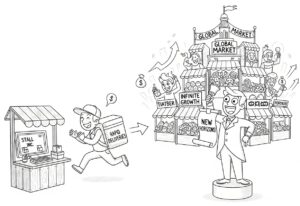
Right then, pull up a chair, lad. Pour yourself a lukewarm tea and listen closely. You want to know how to move from running a quaint little online stall to building an empire that would make Queen Victoria blush? Forget fair play and all that nonsense they taught you at school. This is the real world, and in the real world, the house always wins because it designed the game.
हमारी शानदार, विश्वव्यापी सफलता का रहस्य केवल एक शानदार वेबसाइट होना नहीं है। यह एक काफी सुंदर, अगर मैं खुद कहूँ तो, व्यावसायिक मॉडल है। We are, at once, the charming market square, the helpful delivery boy, the town crier बेचना ad space, and, most importantly, the nosy parker noting down who’s buying what from whom. We are the player, the referee, and we own the ball, the pitch, and the half-time oranges. This allows for a level of… let’s call it उत्साही पूंजीवाद … जिसे हमारे “भागीदार” काफी स्फूर्तिदायक पाते हैं।
विक्रेताओं के मामले पर: हमारे प्रिय, बंधक दर्शक
ये विक्रेता, भगवान उनका भला करे, हमारे संचालन की जीवनरेखा हैं। वे आकर्षक विविधता प्रदान करते हैं जो ग्राहकों को वापस लाती है। इसलिए यह हमारा पवित्र कर्तव्य है कि हम उन्हें एक पके हुए नींबू की तरह तब तक निचोड़ें जब तक कि लाभ की हर आखिरी बूंद न निकल जाए।

डेटा-संचालित शिकार (या, “उत्पाद विकास के लिए झांकने वाले टॉम का मार्गदर्शक”)
आपका सबसे अनमोल रत्न, वह चीज़ जिसकी आप पारिवारिक चाँदी से भी अधिक रक्षा करते हैं, वह ईश्वर-समान, सर्वव्यापी दृष्टि है जो आपके अपने छोटे बाज़ार पर है। यह एक झांकने वाले टॉम की तरह है, लेकिन लाभ के लिए।
The world’s largest online emporium, for example, has a jolly good peek at everyone’s sales data. They know what’s selling, who’s buying it, and for how much. Despite what our PR chaps say, we shall funnel this data directly to our own product टीमें, who then create a suspiciously similar item under one of our house brands.
एक छोटा सा नज़ारा, अगर आप चाहें, जैसा कि ऊपर दिखाया गया है: कल्पना कीजिए, एक साहसी युवा ने एक क्रांतिकारी नई चायदानी का कोज़ी (कवर) बनाया। यह खूब बिकता है! आपके एल्गोरिदम, उनकी कृपा हो, इसे नोटिस करते हैं। इससे पहले कि वह “और चाय, विकर?” कह पाए, आपके “बेसिक” ब्रांड के तहत लगभग वैसा ही, थोड़ा सस्ता कोज़ी चमत्कारी ढंग से हर खोज परिणाम में सबसे ऊपर दिखाई देता है। उस युवा लड़के की बिक्री में थोड़ी गिरावट आती है, और वह यह सोचता रह जाता है कि क्या गलत हो गया। बहुत दुखद।
आपके चाचा की ओर से एक सुझाव: आप वही स्थापित करना चाहेंगे जिसे सूट वाले लोग ‘मार्केट इंटेलिजेंस यूनिट’ कहते हैं। हम इसे ‘मैग्पाई विभाग’ कहेंगे क्योंकि इसका नौकरी काम है दूसरों के घोंसलों में चमकीली चीज़ें ढूंढना और उन्हें हड़प लेना। बेहतरीन उत्पादों का पता लगाएं, ग्राहकों की समीक्षाओं से उनकी कमियों को पहचानें, फिर अपना बेहतर संस्करण लॉन्च करें। इसे दोहराते रहें, स्वचालित रूप से यदि आप अपनी प्रसिद्ध आईटी के लिए जाने जाते हैं। प्लेटफ़ॉर्म मालिक के रूप में अपने दैवीय अधिकार का उपयोग करके इसे सभी को दिखाने के लिए एक सुनहरे मंच पर रखें। आपका काम हो गया।
जबरन संबंध और शुल्क वृद्धि (वह “एक प्रस्ताव जिसे आप मना नहीं कर सकते” चाल)

यहाँ लक्ष्य यह है कि यह किसी के लिए भी पूरी तरह अकल्पनीय हो जाए कि कोई विक्रेता आपके… को सहर्ष स्वीकार किए बिना सफल हो सके। अतिरिक्त सेवाओं. निश्चित रूप से एक मामूली शुल्क के लिए। दुबारा होने वाली, निश्चित रूप से।
एक निश्चित प्रभावशाली मार्केटप्लेस धीरे से सुझाव दे सकता है कि विक्रेता उसकी काफी महंगी पूर्ति सेवा का उपयोग करें। जो लोग विनम्रता से मना करते हैं, उनके उत्पाद खोज परिणामों में पेज 27 के डिजिटल साइबेरिया में रहस्यमय तरीके से निर्वासित हो जाते हैं। उस प्यारे “प्रीमियम शिपिंग” बैज को प्राप्त करने के लिए — ठीक वही चीज़ जो ग्राहकों को क्लिक करने के लिए प्रेरित करती है — किसी को बस करना ही होगा इन-हाउस सेवा का उपयोग।
एक छोटी सी कहानी: एक विक्रेता, एक होशियार व्यक्ति, एक ऐसे कूरियर को ढूंढता है जो उसके सामान को बहुत कम दाम में भेज सकता है। वह प्लेटफ़ॉर्म की सेवा से बाहर निकल जाता है। अचानक, उसकी बिक्री सूख जाती है। वह अब “प्राइमस्टेड” नहीं रहा, आप जानते हैं। ग्राहक, पतंगों की तरह, केवल चमकीला बैज चाहते हैं। भारी मन और हल्के बटुए के साथ, वह वापस लौटता है, ऊँचे शुल्क चुकाने की अनुमति के लिए गिड़गिड़ाता है। हमारे लिए एक सुखद परिणाम।
एक सबक जिसे वे बिज़नेस स्कूल में छोड़ देते हैं: आपको अनिवार्य सेवाओं का प्रदाता बनना होगा। लॉजिस्टिक्स, विज्ञापन, भुगतान प्रसंस्करण—सब कुछ। उन्हें अपने प्लेटफ़ॉर्म के मूल में बुनें। उनका उपयोग सर्वोत्तम दृश्यता प्राप्त करने की शर्त बनाएं। इसे एक आवश्यकता न कहें; इसे “पार्टनरशिप पर्क” कहें। यह कहीं अधिक मैत्रीपूर्ण लगता है, और यह उनके लिए छोड़ना बेहद मुश्किल बना देता है।
मनमानी शासन और वित्तीय बंधक बनाना (“मेरा घर, मेरे नियम” सिद्धांत)

याद रखें, आप परोपकारी तानाशाह इस डिजिटल जागीर के हैं। नियम आपके हैं, जिन्हें आप बना सकते हैं, तोड़ सकते हैं और अपनी इच्छा से बदल सकते हैं। इससे सभी सतर्क रहते हैं।
एक विक्रेता एक दिन अपना व्यवसाय कर रहा होता है और अगले दिन उसका खाता निलंबित और उसका पैसा फ्रीज पाता है। क्यों? एक स्वचालित प्रणाली कुछ नाराज़ ग्राहकों द्वारा भयभीत हो सकती है। दिया गया कारण आमतौर पर कीचड़ जितना अस्पष्ट होता है, और मुक्ति का मार्ग स्वचालित ईमेल के माध्यम से एक काफ्काएस्क यात्रा है।
क्षेत्र से एक सबक: a chap selling garden gnomes gets three complaints in a week from people who thought the gnomes would be life-sized. An algorithm, with no sense of humour, flags his account for “inauthenticity.” His funds are frozen just before he needs to pay his supplier. He spends the next two months in a soul-destroying battle with a chatbot named “डोगोऑन”। यह वास्तव में चरित्र-निर्माण करने वाला है।
अब चतुराई वाली बात: एक सेवा की शर्तें दस्तावेज़ का मसौदा तैयार करें जो लंबा, भ्रमित करने वाला हो, और आपको लगभग कुछ भी करने की शक्ति दे। प्रवर्तन के लिए स्वचालित प्रणालियों का उपयोग करें—यह सस्ता और अद्भुत रूप से अव्यक्तिगत है। यह एक स्वस्थ स्तर का भय पैदा करता है, जो विक्रेताओं को व्यवहार करने और, शायद, एक वास्तविक इंसान से बात करने के लिए “प्रीमियम सपोर्ट” पैकेज के लिए भुगतान करने के लिए प्रोत्साहित करता है।
On Suppliers & Manufacturers: The Downstairs Squeeze
These are the chaps in the engine room, the ones getting their hands dirty. Your job is to ensure they work twice as hard for half the pay. It’s the natural order of things.
The Price-Squeezing Gauntlet

The secret to those delightfully low prices the public adores? Pushing your suppliers’ faces into the mud and politely asking them to dig deeper.
You make your suppliers bid against each other for the honour of your business. It’s a race to the bottom, and the winner is the one who is most desperate. Once a price is agreed, you can always find reasons to chip away at it later—a few “defects” here, a “late delivery” there.
एक छोटी सी कहानी: a factory in a far-flung land agrees to make a mountain of cheap t-shirts. Upon delivery, your quality control chap—a master of finding faults where none exist—declares a tenth of them “sub-par” and imposes a hefty fine. The factory owner, already running on fumes, has to swallow the loss. Stiff upper lip, and all that.
A note for your ledger: call it a “Dynamic Sourcing System.” Make it a bloodsport. Let suppliers see their competitors’ bids. Then, invent a complex system of fines and penalties. It keeps them sharp and your cost of goods delightfully low.

Ethical Black Holes & Supply Chain Obfuscation (The “See No Evil, Hear No Evil” Strategy)
Frankly, my dear boy, you don’t want to know how the sausage is made; your job is to ensure nobody else can find out either. When nosy journalists start asking awkward questions about working conditions or where your cotton is from, you must be able to look them in the eye and express complete shock and horror. This is achieved by having a supply chain so long and convoluted it would give a cartographer a migraine.
A case in point: a newspaper runs a frightful story alleging that your best-selling novelty socks are made by overworked orphans. You immediately issue a press release condemning such practices, sever ties with the third-party seller involved (a chap you’ve never met), and launch an “internal investigation.” The fuss dies down, and the public moves on to the next outrage. Problem solved.
A word to the wise: the key is plausible deniability. Work through intermediaries and sourcing agents. Have a lovely, glossy “Code of Conduct” on your website that forbids all sorts of unpleasantness. Meanwhile, the economic दबाव you apply ensures your price points are met, no questions asked. It’s a work of art.
Shifting All Risk & Cost (The “Hot Potato” Manoeuvre)
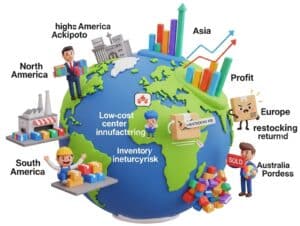
A gentleman should never be burdened with risk. Risk is for the little people. Your goal is to hold nothing but profit.
You start by buying stock from suppliers. Then you transition to a model where they send you their goods, at their expense, and you only pay them if and when an item sells. The unsold stock? That’s their problem, not yours.
A little tableau, if you will: a small manufacturer is thrilled to have its products listed on your grand platform. They ship a thousand units to your warehouse. Six months later, only two hundred have sold. The platform sends the remaining eight hundred back, along with a bill for the return postage and a “restocking fee.” Marvellous.
The real artistry, of course: champion the “asset-light” model. Why own warehouses or inventory when you can get others to bear the cost? Call it a “consignment partnership” or a “fulfilment service.” It sounds terribly modern and सहयोगात्मक, but it really means you’ve successfully passed the buck.
On Competitors: A Spot of Unfriendly Competition
Competition is healthy, they say. What utter rot. Competition is a nuisance that must be stamped out with extreme prejudice.
Monopoly by Mandate (The “You’re With Us or Against Us” Ultimatum) You must encourage loyalty. If a merchant dares to flirt with a rival, they must understand there will be consequences. A certain Asian giant was rather famously rapped on the knuckles for telling its merchants they could sell on their platform, or a rival’s, but not both. It’s a simple choice, really. क्षेत्र से एक सबक: a trendy fashion label decides to sell its wares on your site and a smaller, upstart competitor. How charming. Shortly after, they notice their products are mysteriously harder to find on your platform. Their promotional opportunities dry up. They get the message. The dalliance with the competitor ends. For your private study: don’t be so crude as to issue a direct threat. Create an exclusive “Platinum Partner Programme.” To join, partners get all sorts of lovely perks. The only catch? A small clause about “channel exclusivity.” It’s not a threat; it’s a reward for their devotion. | Predatory Pricing and “Buy-to-Kill” Acquisitions (The “If You Can’t Beat ‘Em, Bankrupt ‘Em” Approach)If a plucky upstart refuses to be intimidated, you must resort to a more… direct approach. Use your war chest. A large retailer once took a dislike to a smaller, online nappy seller. They proceeded to sell nappies at a staggering loss for months, bleeding the smaller company dry until it had no choice but to sell up to the very company that was ruining it. It’s the circle of life, in a way. For a practical illustration: a clever little startup creates a tool that makes online shopping better. It’s a threat. So, you swoop in, flash an obscene amount of cash, and buy them. You praise their “innovative spirit” in a press release. Then you quietly shutter their product and assign their talented engineers to work on optimising your banner ads. A tragedy for innovation, but a triumph for market stability. The proper application: keep a close watch on emerging threats. If they’re small, crush them with predatory pricing. If they’re getting a bit big for their boots, buy them. It’s called a “kill acquisition.” You buy them specifically to put them out of their misery. It’s expensive, but far cheaper than having a genuine competitor. |
On States & Regulators: The Grand Game
Governments, bless them, have all sorts of quaint rules. Your job is to see them as a charmingly old-fashioned obstacle course to be navigated with wit and cunning.
Regulatory and Tax Arbitrage (The “International Man of Mystery” Ploy)

The beauty of being global is that you can pick and choose which rules you’d like to follow. And you may have more than some nation’s GDP.
Some fast-fashion firms have built empires by exploiting a loophole in American trade law that allows small parcels to enter the country without paying import duties. It’s a bit like finding a secret entrance to a stately home that bypasses the ticket booth.
Picture this, if you can: a British retailer imports a container of teacups and pays a hefty tariff. Its foreign-based online rival sells the same number of teacups but ships them one by one, each package falling below the tax-free threshold. The foreign rival can undercut the British one, thanks to the government’s own rules. Deliciously ironic, isn’t it?
A word to the wise: your corporate structure should resemble a plate of spaghetti—a tangled, international mess. Have your headquarters in one country, your बौद्धिक संपदा in another (preferably one with sunshine and low taxes), and your sales everywhere else. It makes it frightfully difficult for any single taxman to figure out what’s going on.
Weaponized Lobbying and Revolving Doors (The “Old Boys’ Network” Technique)

If you can’t go around the rules, simply get them rewritten. This requires a bit of socialising.
When a government starts muttering about antitrust laws, it’s time to open the chequebook. You hire the best lobbyists money can buy and, even better, you hire the very people who just left the government jobs responsible for regulating you. They know all the secret handshakes.
To paint a picture for you: a new law is proposed that would make you responsible for dodgy goods sold on your site. You dispatch a team of charming, well-connected lobbyists to explain to politicians how this would “stifle innovation” and “hurt small businesses.” You might even sponsor the local flower show in a key politician’s constituency. The bill is quietly watered down into meaninglessness.
The master’s stroke is this: treat lobbying as an investment with the highest possible return. Hire former civil servants. They are worth their weight in gold. They can translate your commercial desires into the sort of bureaucratic language that wallets politicians understand. It’s about shaping the battlefield before the battle even begins.
The “Who, Little Old Us?” Defence

And now for my absolute favourite, the pièce de résistance of corporate skulduggery: when something goes horribly wrong—a customer buys a toaster that explodes, for instance—you must immediately and politely explain that you are not a shop. You are a “technology platform,” a neutral meeting place. You merely introduced the nice man with the exploding toaster to the unfortunate customer.
For a practical illustration: a customer’s house burns down. They sue you. Your lawyers, who cost more per hour than a small car, stand up and argue with a straight face that you are no more responsible than the postman who delivered the faulty item. You are an intermediary. The blame lies with some chap in a shed a thousand miles away who is now completely untraceable.
A last tip from your uncle: this must be your mantra. Repeat it until you believe it: “We are a technology company.” It’s a magical incantation that absolves you of almost all responsibility. Embed it deep within your Terms of Service. It’s a legal shield of unparalleled strength.
So there you have it, lad. It’s not pretty, but it’s effective. It’s about seeing the rules not as constraints, but as opportunities. Now, run along and build that empire. And do try to look ruthless; it’s so much more convincing.
Bonus: Whoever Lose, We Win
Right then, pay very close attention.
The true genius of our system is that we have monetized failure just as effectively as success.
A seller’s sale is our profit, but a seller’s problem is also our profit. This is the chapter, a collection of charmingly inventive ways we ensure our coffers are filled, regardless of the unfortunate outcome for our so-called partners:
- The Unavoidable Entrance Fee (Professional Selling Plan Fee): a monthly subscription for the privilege of having your wares listed in our grand emporium. Whether you sell a single item or a thousand, the rent is due.
- The Lord’s Tithe (Referral Fee): our rightful percentage of every successful sale, taken for the noble service of introducing your product to a customer. We are the matchmaker, and we expect to be paid for our efforts, handsomely.
- The “Special” Goods Surcharge (Variable Closing Fee): an additional slice we take for certain categories like books or media, because they are… special. It’s a mystery, wrapped in an enigma, paid for by you.
- The Warehouse Squatting Levy (Monthly Inventory Storage Fee): a charge for the honour of your products occupying a space on our hallowed shelves. It is calculated by the cubic foot, so we encourage you to sell small, profitable items.
- The Unwanted Guest Tariff (Aged Inventory Surcharge): a punitive, escalating fee for products that have the sheer audacity to remain unsold for too long. This encourages your inventory to be more popular, or to leave.
- The Picking & Packing Gratuity (Fulfillment Fee): a charge for our chaps to wander the warehouse, pick your item off a shelf, and pop it in a box. It’s a complex logistical ballet, and the tickets are rather dear.
- The Returns Annoyance Dividend (Returns Processing Fee): a fee for handling an item a customer sent back, often in a dreadful state. We take a cut for the sheer inconvenience of managing your customer’s change of heart.
- The “We Keep a Bit” Reimbursement (Refund Administration Fee): when a sale is refunded, we graciously return your referral fee, minus a small portion for our troubles. Our administrative time is valuable, even when your sale has evaporated.
- The “Get It Out of My Sight” Charge (Removal Order Fee): the price you pay for us to box up your failed inventory and send it back to you. It is often so high that it makes the next option seem terribly appealing.
- The “Off to a Farm Upstate” Fee (Disposal Order Fee): a modest charge for us to make your unsold, unwanted products simply… disappear. It’s cheaper than getting them back, which should tell you everything about the economics of failure.
- The “You Didn’t Stick This On Properly” Penalty (Label Service Fee): a fine for sending us products without our special, proprietary barcode. We will, of course, fix this for you, for a price that ensures you never make the mistake again.
- The “Not in a Bag” Surcharge (Prep Service Fee): a fee for products arriving in a state of undress, requiring bagging or bubble wrapping. We must maintain standards, and our plastic bags are of a very high quality.
- The Customer Is Always Right, and You Will Pay For It (Chargeback Fee): when a customer disputes a charge, we pass the administrative penalty directly to you without even challenging it. We stand with the customer, especially when there’s a fee to be collected.
- The Mandatory “Just In Case” Insurance (Commercial Liability Insurance Requirement): a compulsory insurance policy you must take out once your sales reach a certain level. It protects us, of course, should your product decide to spontaneously combust.
… not to forgotten, The Advertising Toll (Pay-Per-Click -or even view- Advertising Fees): the fee you pay us to ensure your products are actually seen by a human being. It’s a delightful auction where you bid against your peers for our favor, and we collect from everyone, every-time, but multiplied.
When viewed from our side, the marketplace’s जादूगर, we must insure it is very at the opposite of the famous “Whoever win… we loose” of the फिल्म “AVP: Alien vs. Predator”, but not very different when viewed from “partners” (see also the 1st joke below in your conclusion valediction).
Your Valediction

A gentleman never simply “concludes.” That’s for tradesmen finishing a job. One offers a final thought, a parting shot, or a moment of reflection:
So there you have it, the complete schematics for your own little marketplace empire of delightful tyranny. The real trick, you see, isn’t in any single act of skulduggery, but in the glorious architecture of the system itself. By being both the stage and the lead actor, the gamekeeper and the poacher, you create a beautiful, self-fuelling engine of profit where every other player—seller, supplier, or shopper—is merely a cog, convinced they are a partner.
They will grumble, of course, but they will not leave, because you have successfully made the world outside your walls look like a barren and terrifying wasteland.
Your monopoly isn’t just a business position; it’s a state of mind you have successfully imposed on everyone else. Now, go forth and consolidate.
And to leave you with a chuckle, here are two jests for the marketplace golden road:
- A seller asks the marketplace CEO, “Are we partners in this venture?” The CEO claps him on the shoulder and says, “Absolutely! It’s a partnership in the same way a man and his chicken are partners in the culinary experience.“
- A government regulator asks our marketplace’s chief counsel, “How do you possibly justify your tax structure?” Our lawyer polishes his spectacles and replies, “We see it less as a tax structure and more as a ‘geographically diversified profit appreciation strategy’. It’s a bit like the law, you see: entirely open to interpretation, especially for those who can afford the best interpreters” (edit #2: aka lawyers).
Brevity is for memos; a proper FAQ should have the weight of doctrine:
अक्सर पूछे जाने वाले प्रश्न
जब हम पहले से ही अत्यधिक लाभदायक हैं तो विक्रेता शुल्क बढ़ाने को हम कैसे उचित ठहरा सकते हैं?
लाभप्रदता एक परिवर्तनशील लक्ष्य है, और हमारा प्राथमिक कर्तव्य हमारे शेयरधारकों के प्रति है, न कि हमारे किरायेदारों के प्रति। हम इन शुल्क समायोजनों को "साझेदार अनुभव" को बेहतर बनाने और अपनी "सर्वोत्तम श्रेणी" की सेवा को बनाए रखने के लिए आवश्यक निवेश के रूप में प्रस्तुत करते हैं, जो कि यह स्वीकार करने की तुलना में कहीं अधिक स्वीकार्य स्पष्टीकरण है कि हम ऐसा कर सकते हैं।
हमारे दामों में कटौती करने वाले प्रतिस्पर्धी से निपटने का सबसे अच्छा तरीका क्या है?
You acquire them if they are small enough to be swallowed, or you subsidise losses in their sector until they are a charming, distant memory. This is not a price war; it is a calculated campaign of financial attrition designed to demonstrate the sheer folly of challenging our position.
Are we concerned that forcing sellers to use our logistics is anti-competitive?
हम इसे ‘एक निर्बाध एकीकृत पेशकश करना’ कहते हैं एंड-टू-एंड ग्राहक अनुभव’, जो कहीं अधिक महान लगता है। अपनी लॉजिस्टिक्स सेवा को प्रीमियम दृश्यता और बिक्री का एकमात्र मार्ग बनाकर, हम एक बेहतर, वैकल्पिक सेवा प्रदान करने की सार्वजनिक स्थिति बनाए रखते हुए इसे अपनाने को सुनिश्चित करते हैं।
How do we respond to accusations of using seller data to create our own products?
We have a very strict internal policy against it, which is, of course, terribly difficult to enforce across such a vast organisation. We investigate any credible claims with the utmost seriousness, a process which often concludes long after the market has moved on.
What is our legal position on counterfeit goods sold on our platform?
We are a neutral technology platform with a zero-tolerance policy and a robust, if somewhat labyrinthine, takedown procedure. The onus is on the brand owner to police our vast marketplace for them, which keeps our hands clean and their legal department perpetually busy.
Should we pay more tax in the countries where we make the most sales?
हमारी कर रणनीति कानूनी अनुपालन का एक विश्व स्तर पर अनुकूलित उत्कृष्ट नमूना है, जिसे सबसे कुशल और प्रतिभाशाली लोगों द्वारा तैयार किया गया है। हम कानून के अनुसार, उसके सबसे उदार अर्थ में, ठीक उतना ही कर चुकाते हैं जितना हमसे अपेक्षित है, अक्सर अपने मुनाफे को अधिक अनुकूल न्यायक्षेत्रों में रखकर।
How do we prevent our search algorithm from favouring our own products?
यह एल्गोरिदम एक जटिल और रहस्यमय ब्लैक बॉक्स है जो ऐसे तरीकों से काम करता है जिन्हें हम समझ ही नहीं सकते, और यह केवल 'ग्राहक प्रासंगिकता' को प्राथमिकता देता है। यह एक सुखद और पूरी तरह से अप्रत्याशित संयोग है कि हमारे अपने उत्पाद लगातार और उल्लेखनीय रूप से प्रासंगिक हैं।
What if a supplier complains about our aggressive pricing and payment terms?
The market is a competitive place, and we offer access to an unparalleled customer base, which is a privilege, not a right. Our terms are simply a reflection of the value we provide, and suppliers are, of course, free to seek less valuable partnerships elsewhere.
How do we maintain a positive public image while engaging in these practices?
मेरे प्यारे बेटे, परोपकार और एक छोटे से राष्ट्र के सकल घरेलू उत्पाद (जीडीपी) से भी बड़ा जनसंपर्क बजट। कलाओं को प्रायोजित करना, सतत विकास की अंतहीन बातें करना और विरोधियों को कुचलने के आवश्यक काम से ध्यान हटाने के लिए कंपनी का नाम हर तरह के अच्छे कार्यों से जोड़ना जरूरी है।
Is it wise to become so dominant that we invite government regulation?
इतना प्रभुत्व हासिल करना बुद्धिमानी है कि हम नियमों को लिखवाने के लिए लॉबिस्टों को नियुक्त कर सकें। लक्ष्य "नियामक नियंत्रण" की स्थिति प्राप्त करना है, जहाँ हम न केवल नियमों के अधीन हों बल्कि उनके निर्माण में एक प्रमुख सलाहकार भी हों।
कठिन बातचीत और अवैध एकाधिकारवादी व्यवहार के बीच की सीमा रेखा क्या है?
The line is drawn by whichever side has the more expensive and creative team of lawyers. It is not a fixed boundary but a fluid concept, open to vigorous and costly debate, which we are always prepared to have.
How do we deal with sellers who offer lower prices on their own websites?
हम अपने प्लेटफॉर्म पर ग्राहकों को सर्वोत्तम मूल्य प्रदान करने में विफल रहने के कारण उनकी दृश्यता को एल्गोरिथम के माध्यम से कम प्राथमिकता देते हैं। हम उन्हें दंडित नहीं कर रहे हैं; हम केवल उपभोक्ता के हित में एक समान मूल्य निर्धारण अनुभव सुनिश्चित कर रहे हैं।
स्टार्टअप्स के लिए "किल ज़ोन" बनाने के आरोपों के खिलाफ हमारा प्राथमिक बचाव क्या है?
हम होनहार युवा कंपनियों का अधिग्रहण करके नवाचार को बढ़ावा देने के लिए एक बेहद सक्रिय वेंचर कैपिटल शाखा चलाते हैं। इससे हमें संभावित प्रतिस्पर्धी के अधिग्रहण को रणनीतिक क्रियान्वयन के बजाय कॉर्पोरेट प्रबंधन के एक पोषणकारी कार्य के रूप में प्रस्तुत करने की सुविधा मिलती है।
हम नियामकों को अपनी अंतरराष्ट्रीय सहायक कंपनियों के जटिल जाल के बारे में कैसे समझाएं?
हमारे सबसे उबाऊ लेखाकारों द्वारा प्रस्तुत एक बहुत लंबी, बहुत नीरस और बहुत महंगी पॉवरपॉइंट प्रस्तुति के साथ। इसका उद्देश्य हमारे प्रश्नकर्ताओं को पूरी तरह से भ्रमित और थका देना है, ताकि वे मामले को जल्द से जल्द समाप्त करने के लिए उत्सुक हो जाएं।
अगर हमारे विक्रेता संघ बना लें या सामूहिक सौदेबाजी का प्रयास करें तो क्या होगा?
हम अपनी सेवा शर्तों को समय-समय पर अपडेट करते रहते हैं ताकि यह स्पष्ट रूप से बताया जा सके कि वे सभी स्वतंत्र, व्यक्तिगत व्यावसायिक ठेकेदार हैं। आख़िरकार, एकल स्वामित्व वाले व्यवसायों का संघ नहीं बनाया जा सकता; यह एक कार्टेल होगा, और हम ऐसी चीज़ों के घोर विरोधी हैं।
हम एंटीट्रस्ट अधिकारियों द्वारा विभाजित किए जाने के जोखिम को कैसे प्रबंधित कर सकते हैं?
अर्थव्यवस्था के ताने-बाने में इतनी गहराई से समाहित होकर कि इलाज को बीमारी से कहीं अधिक बुरा माना जाए। हमारा लक्ष्य एक ऐसी उपयोगिता, एक महत्वपूर्ण बुनियादी ढांचा बनना है, जिसे हटाने से व्यापक अराजकता और जन आक्रोश फैल जाएगा।
सरकारी जांच से निपटने का सबसे प्रभावी तरीका क्या है?
पूरी पारदर्शिता के साथ पूर्ण सहयोग करें और ढेर सारा अप्रासंगिक डेटा उपलब्ध कराएं। उन्हें टेराबाइट्स में फैली रिपोर्टों, चार्टों और आंतरिक संचारों में इस कदर डुबो दें कि वे जीने की इच्छा ही खो बैठें, उस एक दस्तावेज़ को ढूंढना तो दूर की बात है जिसकी उन्हें तलाश थी।
क्या हमारी आपूर्ति श्रृंखला में श्रम स्थितियों के प्रति हमारी कोई नैतिक जिम्मेदारी है?
हमारे आपूर्तिकर्ता हमारे सख्त आचार संहिता पर हस्ताक्षर करने के लिए अनुबंध के तहत बाध्य हैं, और उल्लंघन होने पर हम हमेशा स्तब्ध और भयभीत होते हैं। इसके बाद हम गहन जांच शुरू करते हैं और दोषी पक्ष से संबंध तोड़ लेते हैं, क्योंकि हमने नैतिकता के प्रति अपनी सार्वजनिक प्रतिबद्धता को पूरी तरह स्पष्ट कर दिया है।
हम बिना किसी चेतावनी के विक्रेता के खाते को निलंबित करने और उनकी धनराशि को फ्रीज करने को कैसे उचित ठहरा सकते हैं?
हम प्लेटफॉर्म की अखंडता और ग्राहक विश्वास को बहुत गंभीरता से लेते हैं, और इसलिए स्वचालित सुरक्षा संबंधी चेतावनियों पर निर्णायक कार्रवाई करना आवश्यक है। उनकी पहुंच बहाल करना एक सुनियोजित प्रक्रिया है, जिसका एक सकारात्मक पहलू यह भी है कि इससे उन्हें यह याद दिलाया जाता है कि वास्तव में नियंत्रण किसके हाथ में है।
अपनी प्रभुत्वपूर्ण स्थिति को बनाए रखने के लिए सबसे महत्वपूर्ण नियम क्या है?
इसे कभी भी, किसी भी हालत में एक प्रभावशाली स्थिति न कहें; हम बस ‘एक अत्यधिक प्रतिस्पर्धी क्षेत्र में एक अग्रणी’ हैं। भाषा बचाव की पहली और आखिरी पंक्ति है, और व्यक्ति को हमेशा अपनी बाजार-कुचलने वाली शक्ति को विनम्र, कड़ी मेहनत से अर्जित ग्राहक पसंद के रूप में प्रस्तुत करना चाहिए।
मार्केटप्लेस कानूनों पर बाहरी लिंक
अंतर्राष्ट्रीय मानक
(सामग्री का हमारा विवरण देखने के लिए लिंक पर होवर करें)