Product Design, Manufacturing & Innovation Resources
家 » 製品ライフサイクル延長戦略

製品ライフサイクル延長戦略

1957
  • Igor Ansoff
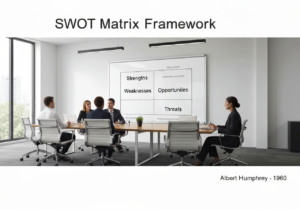
現代的なオフィスで、マーケティングチームが製品ライフサイクル延長のための戦略を練っている。

(画像はイメージです)

Companies can actively manage and extend a product’s life cycle, particularly during the maturity and decline stages, to maximize its profitability. Common strategies include market development (finding new markets for existing products), market penetration (increasing share in existing markets), product development (introducing new features or versions), and diversification (developing new products for new markets). These prevent premature decline. Note: this approach is based on the historical sales-oriented Product Life Cycle. Refer to our definition of modern Product Life Cycle so as many posts on this site (including ideation, manufacturing, maintenance, recycling, upcycling …).

ライフサイクル extension strategies are proactive measures to counteract the natural progression towards decline. These tactics are often categorized using frameworks like the Ansoff Matrix, which outlines four primary growth vectors. Market Penetration involves boosting sales of an existing product in its current market, often through aggressive pricing, advertising, or loyalty programs. Market Development seeks new 顧客セグメント or geographical areas for the existing product; for example, a company might start exporting its product or target a different age group. Product Development focuses on innovation within the current market by launching improved versions, new features, or different packaging. This keeps the product relevant and can attract existing customers to upgrade. A classic example is the annual release of new smartphone models. Finally, Diversification is the riskiest strategy, involving the launch of a new product in a completely new market. While not strictly extending the life of the original product, it leverages the company’s brand and resources to move into new life cycles. Other common extension tactics include repositioning the brand to appeal to a new trend (e.g., marketing a baking soda for cleaning instead of baking) or encouraging more frequent usage among existing customers. The goal of all these strategies is to restart or flatten the sales curve, pushing the decline phase further into the future and extracting maximum value from the initial investment in the product.

The theoretical underpinnings for these strategies were famously laid out by H. Igor Ansoff in his 1957 paper. His matrix provided a simple yet powerful tool for managers to structure their thinking about growth and risk. When applied to the 製品寿命 cycle model, Ansoff’s work provides a practical playbook for the maturity stage, transforming it from a passive phase of decline management into an active period of strategic renewal and value extraction.

UNESCO Nomenclature: 5311
経営科学

タイプ

抽象システム

混乱

増分

使用法

広く普及している

前駆物質

  • ビジネス戦略と成長に関する初期の理論
  • 需要と供給の経済原理
  • マーケティングの基本概念であるセグメンテーションとターゲティング

アプリケーション

  • 既存の消費財のリブランディング(例:オールドスパイス)
  • 新興市場への製品輸出
  • ソフトウェアの「ライト」バージョンまたは「プロ」バージョンを作成する
  • 食品・飲料業界における製品ラインの拡張(例:コカ・コーラの新フレーバー)
  • 新たな顧客層に向けて製品を再ポジショニングする

特許:

NA

潜在的なイノベーションのアイデア

  • AIを活用した市場シミュレーターによる拡張戦略の仮想テスト
  • ユーザーが自分だけのものを「開発」できる、動的な製品カスタマイズプラットフォーム product versions
  • 単発の購入を継続的なサービスへと変えるサブスクリプションモデルは、本質的にその寿命を延ばすものである
  • ソーシャルメディア分析を活用して、市場開拓に向けた新たなユースケースを特定する
  • ターゲット層に基づいて、新しいロゴ、パッケージ、広告コピーを生成する自動リブランディングツール
  • 無線によるアップデートを受け取るIoT対応製品。これは、継続的な製品開発の一形態である。
  • 循環型経済 models where ‘product development’ involves 再生製造 and upgrading old units
  • 利用頻度を高めるためのゲーミフィケーション戦略(市場浸透戦略)
  • マーケティングメッセージのハイパーパーソナライゼーションにより、既存の市場セグメントにさらに深く浸透させる
  • 製品の改善や新機能に関するアイデアを収集するためのクラウドソーシング・プラットフォーム
関連キーワード:ライフサイクル延長、アンゾフマトリックス、市場浸透、市場開発、製品開発、多角化、マーケティング戦略、成熟段階、リブランディング、リポジショニング。

歴史的背景

製品ライフサイクル延長戦略

1914
1942
1957
1957
1960
1960
1965
1910
1914
1950
1957
1957
1960
1960
1970

(日付が不明または関連性がない場合、例えば「流体力学」などでは、その注目すべき出現時期の概算値が提示されます。)

10年目 周年

フルサイズの画像とダウンロードは、登録会員のみが100%無料で利用できます。