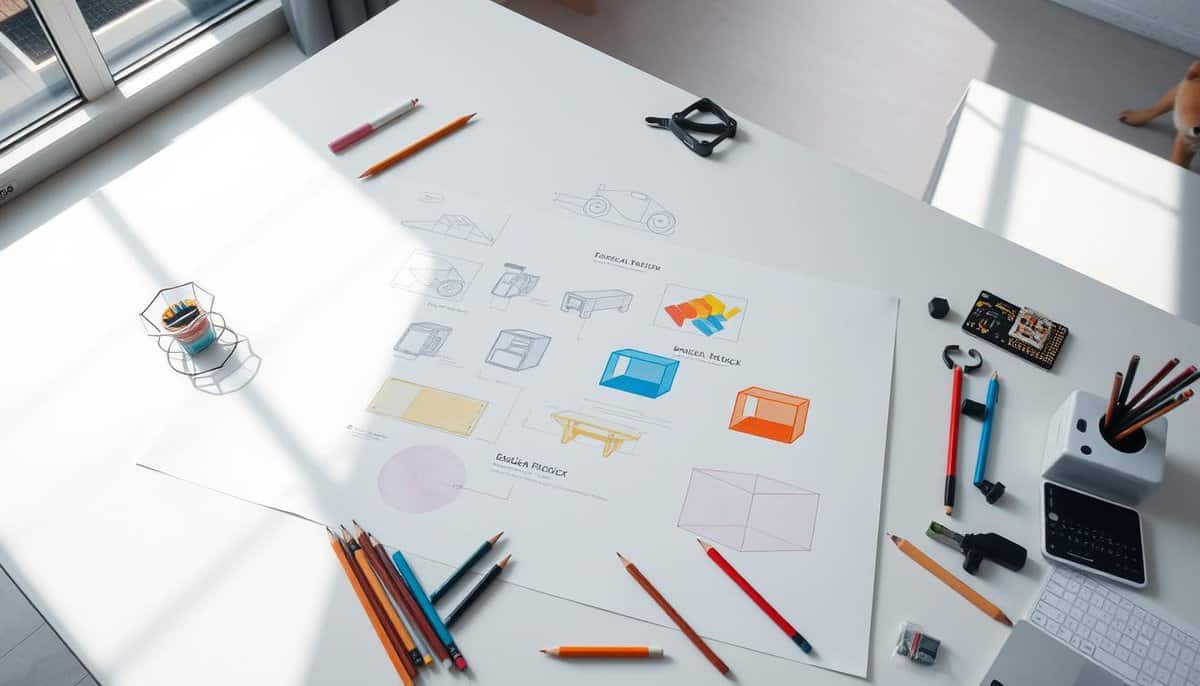
Did you know less than 25% of companies feel they’re on track with integrating 気候変動 policies? This highlights the need for innovative approaches like Clean Sheet Design in Product Design. By starting from zero, it offers new perspectives. It redefines functionality, sparks innovation, and cuts down new products’ carbon footprints. As corporate sustainability grows in importance, Clean Sheet Design emerges as a powerful method for modern product development.
主なポイント
- Clean Sheet Design enables a fresh start, fostering creative design solutions free from traditional constraints.
- It can lead to significant cost savings by optimizing material and manufacturing processes.
- Reduces the カーボンフットプリント of products, aiding in meeting stringent environmental regulations.
- Offers a clear starting point, simplifying the design process and enhancing product performance.
- Enhances sustainability and aligns with modern, eco-friendly production methodologies.
Introduction to Clean Sheet Design
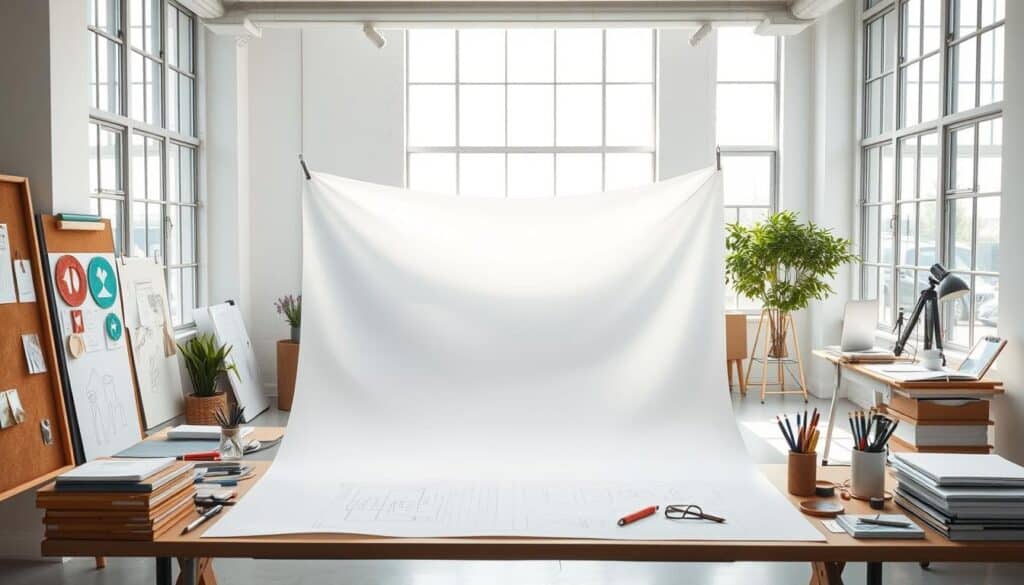
の clean sheet approach is a fresh way to design. Instead of updating old products, designers begin without any limits. This lets them be more creative and meet market needs better.
Understanding the Basics
Clean sheet design means thinking about a product in a new way from the start. Designers don’t let old ideas hold them back. This leads to innovations in how things look, work, and feel to the user.
Key steps include using 3D CAD for structure and FEA to make systems better. Designers combine mechanical and electrical work early on.
The Importance in Modern Product Development
他社との差別化を図りたい企業にとって、白紙状態から始めるアプローチは非常に重要です。これにより、開発コストを抑えつつ、より多くの利益を生み出す新製品の開発が可能になります。
| 主なメリット | 統計 |
|---|---|
| Lower costs in new-product development | 20%+ |
| Clients served | 1000+ |
| Increase in profit margins | 20–30% on average |
By starting from scratch, companies can plan every detail well. They make high-quality products that are up to standards. Plus, they’re cheaper and faster to make. Clean sheet design is a powerful way to succeed in making new products.
Enhanced Innovation with Clean Sheet Design
Clean sheet design is changing how companies think about creative design solutions and product innovation. It lets them ignore old designs. This means they can explore new materials and technologies without limits. Industry leaders like Amazon have used clean sheet design. They made innovative products like AWS and Kindle because of it.

Fostering Creative Design Solutions
Amazon has shown how powerful this method can be. It uses design thinking concepts to meet changing customer needs. Many new products from Amazon show that taking risks can lead to success in the long run. Even if some ideas fail at first, focusing on long-term goals and customer happiness pays off.
Breaking Away from Traditional Constraints
Gulfstream Aerospace also sees clean sheet design as key for new products. Unlike the usual step-by-step updates, Gulfstream’s G500 and G600 jets started from nothing. They were built based on what customers wanted. These jets have new flight technology that makes flying safer. This fresh start needed big dreams, a focus on customers, and lots of investment. But, it gave them a strong advantage over others.
Both Amazon and Gulfstream show the benefits of leaving old ways for new, open design methods. By using design thinking concepts and putting customers first, businesses can thrive. They can stay ahead in a fast-changing market.
Cost Efficiency in Product Design
Today, being cost-efficient in product design is key to stay ahead. Early adoption of robust design methods can lower costs and boost profits. This approach helps manage expenses from the start.
Reducing Material and Manufacturing Costs
Optimizing the production process is crucial, from material selection to delivery. This method cuts waste and saves money on design.
Approximately 80% of a product’s cost is decided in the design phase.
Redesigning products can lead to big savings. By analyzing the manufacturing process and using resources wisely, inefficiencies are exposed.
Optimizing the Design Methodology
Improving design isn’t just about cutting material costs. It involves teaming up finance experts, engineers, and product specialists early on. This collaboration leads to quicker launches and bigger profits, making a company more competitive.
The clean-sheet process also includes detailed analysis like comparing expected and actual costs. This helps in planning purchases and negotiating. By adopting this forward-thinking approach, manufacturers have seen significant cost improvements. This shows efficient processes are vital for long-term success.
Sustainability Through Clean Sheet Design for Product Design
Working towards sustainability in product design is key for businesses today. Clean sheet design brings new ideas that lessen environmental harm. It highlights the importance of planning from the start to achieve sustainability.

Reducing Carbon Footprint
This approach helps lower the environmental impact. It influences choices about materials and how things are made. Using smarter materials and more efficient ways to manufacture reduces carbon emissions.
A factory in Shanghai improved its main heat-transfer system to save energy. They used wider, shorter, straight pipes which lowered energy 使用期限 at least 86%.
Meeting Environmental Regulations
Focusing on sustainability helps companies meet and exceed environmental rules. This proactive approach keeps companies ahead and avoids fines. The EU’s chemicals strategy is a good example of aiming for sustainability while caring for future generations.
The following points highlight key benefits:
| 要素 | 詳細 |
|---|---|
| Product Safety | Enhances safety by utilizing safer chemical alternatives. |
| Pollution Reduction | Minimizes pollution risks through improved design practices. |
| 循環型経済 | Supports transitioning to a circular and low-carbon economy. |
| Regulatory Compliance | Assures alignment with stringent regulatory frameworks. |
Adopting unified methods and standards for 持続可能なデザイン leads to better, safer products. The European Commission’s Joint Research Centre develops sustainable design methodologies. These ensure products meet strict environmental standards.
Advantages of a Clear Starting Point
Starting from scratch in product design brings many benefits. It uses the clean sheet design approach for a clear start. Teams approach projects more openly, free from old design limits.

One of the best things about clean sheet design is the chance to rethink everything. Without old ideas, designers explore all possibilities. This ensures the final product is top quality and efficient.
| 利点 | Explanation |
|---|---|
| Enhanced Innovation | Promotes creative solutions by breaking free from traditional design constraints. |
| Greater Alignment with Market Needs | Focuses on designing products that are immediately relevant to current consumer demands and technological capabilities. |
| Improved Product Performance | Allows for a comprehensive evaluation and optimization of functionalities and performance metrics. |
| Increased Design Flexibility | Enables the rethinking of design processes, allowing for the incorporation of advanced materials and methods. |
Furthermore, this fresh start allows for the use of new materials and technology. It makes the design process more adaptable to changing markets and consumer tastes.
So, the clean sheet design method leads to better products. It uses these advantages well, helping businesses grow and succeed in the market.
Improved Product Performance
With Clean Sheet Design, products get much better in how they work. This means the design is reliable and the products last longer. They also meet what people now expect. Breaking everything down to start fresh allows for the newest and best materials to be used. This kind of approach focuses on making products better in lots of ways.
Enhanced Functionality
Clean Sheet Design looks closely at what a product needs to do. It brings everyone to the table – engineers, suppliers, and more. They work together to make designs simpler and better. This makes the product work better without costing more. It also makes it easier to move from an idea to a real product.
Greater Reliability and Durability
Clean Sheet Design is known for making things last and work well. It uses fewer parts and the same materials across the board. This makes making them smoother and the quality stays the same. Using modules means changes are easy and the product stays strong.
Products end up weighing less and use less fuel, which is safer. These efforts are in line with what’s expected in today’s industry. They lead to products that last and don’t give up over time.
Streamlined Production Processes
Clean Sheet Design is key for better manufacturing. It aligns design with production from the start. This approach cuts costs and saves effort. By combining design and manufacturing early, companies save a lot of time and money. This leads to more efficient production.
In different sectors, Design for Manufacturing (DFM) proves very successful. For example, in medical devices, it leads to smooth surfaces that are easy to clean. This meets safety standards and ensures patient safety. In the aerospace sector, DFM helps make aircraft parts lighter. This improves fuel efficiency and performance.
In automotive engineering, streamlined manufacturing designs engine parts for easy maintenance. This saves costs. The electronics industry also gains from DFM. It makes parts more reliable and easier to assemble, cutting production expenses.
DFM uses simulation tools to make systems work better and designs more efficient. Finite Element Analysis (FEA) helps use materials wisely and lighten products. Computational Fluid Dynamics (CFD) boosts cooling systems. Moldflow Analysis improves designs for injection molding, making it faster and less error-prone.
Working together across fields helps spot issues early. It makes for cost-effective design changes. A big chunk of production cost comes from early design choices. This includes what materials to use and how to make the product. So, early design is very important.
By following Clean Sheet Design, companies can hit five main goals of DFM. These are cutting costs, boosting productivity, better product quality, quicker market entry, and being greener. This approach helps compete globally and tackle production challenges well.
Flexibility and Adaptability in Design
Today’s market changes fast. This makes flexibility in design essential. It allows businesses to stay ahead by adjusting quickly to new consumer needs and tech advancements. Flexibility brings many benefits for companies and their customers.
Adapting to Market Changes
Change is happening faster than ever. The Accenture Pulse of Change Index shows a 183% increase over four years. Adaptable designs help companies pivot quickly to keep up. With 83% of businesses speeding up their changes, being able to update products easily is key.
Customization for Specific Needs
Designs that respond to the market focus on what consumers want. Customizing products can make customers happier and more loyal. Here’s how:
| Customization Strategy | 利点 |
|---|---|
| Modular Components | Allows easy adaptation to different markets |
| Configuration Options | Enables consumers to choose features they need |
| Scalable Platforms | Supports future upgrades and modifications |
Using these strategies helps businesses stay current and ready for the future. Agility is crucial in today’s world. Richard D’Aveni in “Hypercompetition” says being good at handling change is vital. Hence, adopting flexible designs is a must.
Utilizing Latest Technology Innovations
Using the newest technology in design is now essential for companies wanting to keep up. By adopting breakthrough materials and embracing modern making methods, businesses can greatly improve how they develop products. This leads to more innovation and efficiency.
Integrating Advanced Materials
Incorporating advanced materials can transform design and manufacturing. For example, the automotive sector can cut a structure’s mass by up to 70%. This is done by using a fresh approach and generative design. Also, by harnessing artificial intelligence, makers can sift through huge data sets. This helps them spot trends and continually enhance their processes. This shows the power of advanced materials in reshaping industry benchmarks and capabilities.
Leveraging Modern Manufacturing Techniques
Today’s manufacturing methods are key to unparalleled efficiency and quality. Automation, for one, improves speed, safety, and precision by reducing human mistakes in repetitive tasks. Meanwhile, 3D printing has changed digital manufacturing. It makes making complex structures repeatable and scalable, whether globally or locally. Tools like those seen in Boeing’s T-7A trainer cut assembly hours by 80%. This highlights the benefits of digital engineering in manufacturing.
In the aerospace realm, breakthroughs like the digital thread in MQ-25 production let teams follow 3D-model-based instructions precisely. The MQ-28, created by Boeing Australia, went from idea to first flight in three years. This quick development was due to advanced manufacturing techniques and digital engineering. It shows how modern methods can change aviation.
Key Statistics:
- Adoption of clean sheet design can reduce structure mass by 20-70%.
- AI processes large data volumes to drive continuous improvement in manufacturing.
- 3D printing drives scalable, repeatable digital manufacturing.
- Automation improves speed, safety, and accuracy in manufacturing processes.
By embracing these technological advances, industries enhance their product quality and performance. They also make their production processes more efficient. This leads to innovative, sustainable designs for the future.
Practical Steps to Implement Clean Sheet Design
Implementing clean sheet design involves several key steps. It requires careful planning, detailed research, and teamwork across departments. Following a structured approach ensures all aspects of design improvement are explored. This leads to better strategies from start to finish.
Initial Planning and Research
Starting with strategic planning is crucial for clean sheet design. It begins by identifying new market needs, especially in fast-evolving industries. For example, aerospace design shifts are often based on new technologies or market demands. Understanding clients’ goals is crucial to decide if a new design solution is needed.
Companies like NMG Aerospace excel in making innovative clean sheet designs. They create parts for fluid systems, safety, and landing gears that meet specific needs. An important step is doing cleansheet calculations. This offers insights into the costs of materials, labor, and equipment. Sharing this data helps improve design and cut costs.
Collaboration with Cross-Functional Teams
Working with teams from different departments is key for success. This ensures a well-rounded approach to design and manufacturing. For instance, creating aircraft designs involves building and testing prototypes. Safety and quality tests are also done to ensure the designs work in real life.
Clean sheet models, or “should cost” analyses, are also beneficial. They help understand the cost implications of designs. This aids in negotiating with suppliers and maintaining profitability. Relying on up-to-date data for costs, including R&D investments and taxes, improves model accuracy. Teams focus on their areas, like metal or electronics, for precise estimates.
This approach leads to significant savings and better product performance. Cleansheet analysis by McKinsey showed an average of 38% savings for one client.
結論
Clean sheet design benefits are crucial in today’s product development world. This approach pushes companies to think differently about their products. It helps create innovative products that stand out. By focusing on what’s truly important, designers can make products that perform better and meet specific needs.
The approach plays a big role in sustainable design. It reduces the use of materials and cuts manufacturing costs. This way, it lessens the harm to the environment. Companies can meet tough environmental rules, showing they care about our planet.
Clean sheet design also means products work better and last longer. This makes customers happy and loyal. Using the latest tech and making techniques, it brings new, exciting products to the market.
In short, clean sheet design is key for companies wanting to keep up with fast changes. It’s about being sustainable, improving products, and encouraging new ideas. For any company looking to excel in design, it’s essential.
関連文献および方法
- Value engineering: analyzing product functions to reduce cost while maintaining performance.
- デザイン思考: empathizing with users to create innovative solutions through iterative prototyping.
- 同時並行エンジニアリング: collaborative approach where cross-functional teams work simultaneously on product development.
- Sustainability in design: incorporating environmental considerations and ライフサイクル analysis in the design process.
- Design for Manufacturability (DFM): designing products to simplify manufacturing processes and reduce production costs.
- Human-centered design: focusing on user needs and experiences to create more intuitive and accessible products.
- リバースエンジニアリング: analyzing competitors’ products to understand their design and improve upon them.
- モジュール設計: creating products with interchangeable components to enhance flexibility and customization.
よくある質問
製品設計におけるクリーンシートデザインとは何ですか?
クリーンシートデザインはゼロからスタートします。イノベーションを促進するために従来の手法を無視します。これにより、製品の機能とユーザー体験が根本的に変革されます。
クリーンシートデザインはどのようにイノベーションを促進するのか?
それは古いルールを捨て、新しい視点を取り入れる。白紙設計は、独自のソリューションと創造性を生み出し、製品開発に新たな道を開く。
現代の製品開発において、クリーンシートデザイン(白紙設計)はどのような意義を持つのでしょうか?
これにより、企業は環境目標を達成し、二酸化炭素排出量を削減し、最新の技術と素材を活用できるようになります。その結果、製品はより環境に優しくなり、市場で優位に立つことができます。
クリーンシートデザインは、製品設計におけるコスト効率にどのように貢献するのでしょうか?
新たなスタートを切ることで、製造工程が最適化されます。材料費と廃棄物が大幅に削減され、結果として品質を維持しながら製品の利益が向上します。
Clean Sheet Designは、どのような点でサステナビリティを支援しているのでしょうか?
この方法は、環境に優しい素材と効率的な製造方法を優先します。地球への負荷を軽減するだけでなく、企業が厳しい環境規制を遵守するのにも役立ちます。
製品設計において、明確な出発点を持つことの利点は何ですか?
新たなスタートを切ることで、明確なビジョンと適応力が生まれます。チームは古い概念にとらわれることなく、自由にイノベーションに取り組むことができます。そして、最新技術の活用と市場ニーズへの対応に全力を注ぐことができるのです。
クリーンシートデザインは、どのように製品性能を向上させるのでしょうか?
あらゆる部分を根本から見直すことで、製品の機能性、耐久性、信頼性が向上します。最新の科学技術と研究成果を活用することで、より優れた製品を生み出します。
クリーンシートデザインは、どのように生産プロセスを効率化するのでしょうか?
設計から製造までをスムーズな一体化で実現します。これにより、作業時間とコストが削減され、ダウンタイムの少ない効率的で持続可能な製造が可能になります。
クリーンシートデザインは、製品設計における柔軟性と適応性をどのように確保するのでしょうか?
同社は、急速な市場変化や個々のニーズに対応できるよう製品を準備しています。そのため、新たな需要に的確に対応し、競争力と技術力を維持しています。
クリーンシート設計において、先端材料と最新の製造技術はどのような役割を果たすのでしょうか?
新しい技術と素材によって、製品は際立った存在となる。最新の製造方法によって、より高い効率性と品質を実現している。
クリーンシートデザインを実践するための具体的な手順は何ですか?
綿密な計画、徹底的な調査、そして部門横断的なチームワークが不可欠です。これにより、あらゆる改善点が最初から最後まで検討されることが保証されます。
用語集
American Welding Society (AWS): 溶接業界向けの規格、認証、教育リソースを開発し、溶接の実践と技術における安全性、品質、技術的進歩を促進する非営利団体。
Computational Fluid Dynamics (CFD): 流体運動と熱力学の支配方程式を離散化技術を用いて解くことにより、流体の流れ、熱伝達、および関連現象を解析するために使用される数値的手法であり、さまざまな工学的応用における複雑な流体挙動のシミュレーションと可視化を可能にする。
Computer Aided Design (CAD): エンジニアリング、建築、製造などの様々な分野における設計の作成、変更、分析、最適化に使用されるソフトウェアアプリケーションであり、デジタルツールと技術を用いて精密な図面やモデルの作成を可能にする。
Computer-Aided Design (CAD): エンジニアリング、建築、製造などの様々な分野における設計の作成、変更、分析、最適化に使用されるソフトウェアアプリケーションであり、デジタルツールと技術を用いて精密な図面やモデルの作成を可能にする。
Design for Manufacturability (DFM): 設計段階で製造能力と制約を考慮することにより、製造プロセスを簡素化および最適化し、生産コストを削減し、品質を向上させ、市場投入までの時間を最小限に抑えることを目的とした一連のエンジニアリング手法。
Design for Manufacturing (DfM): 設計段階で製造工程、材料、組立技術を考慮することにより、製品設計を簡素化・最適化し、製造性の向上、生産コストの削減、品質の向上を図ることを目的とした一連の原則。
Finite Element Analysis (FEA): 複雑な工学問題を解くための数値的手法であり、構造物を要素と呼ばれるより小さく単純な部分に分解することで、様々な条件下での応力、ひずみ、変形を解析することを可能にする。
Value Engineering (VE): プロジェクトの機能分析、コスト削減、パフォーマンス向上を通じて、品質や信頼性を損なうことなくプロジェクトの価値を高めるための体系的な手法。費用対効果の高い代替案を特定し、実行するために、学際的なチームワークが不可欠である。