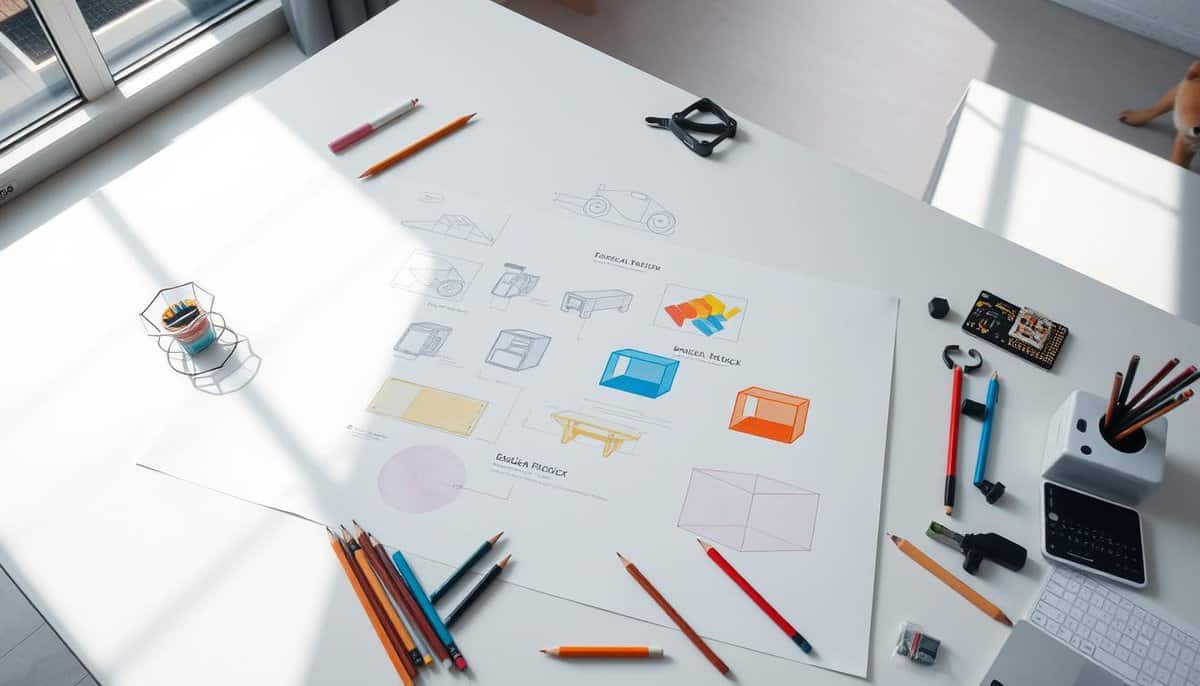
هل تعلم أن أقل من 25% من الشركات تشعر أنها تسير على الطريق الصحيح في دمج تغير المناخ policies? This highlights the need for innovative approaches like Clean Sheet Design in Product Design. By starting from zero, it offers new perspectives. It redefines functionality, sparks innovation, and cuts down new products’ carbon footprints. As corporate الاستدامة grows in importance, Clean Sheet Design emerges as a powerful method for modern product development.
النقاط الرئيسية
- يُمكّن التصميم من الصفر من البدء من جديد، مما يعزز حلول التصميم الإبداعية الخالية من القيود التقليدية.
- It can lead to significant توفير التكاليف by optimizing material and عمليات التصنيع.
- يقلل من البصمة الكربونية من المنتجات، مما يساعد في تلبية اللوائح البيئية الصارمة.
- يوفر نقطة انطلاق واضحة، مما يبسط عملية التصميم ويعزز أداء المنتج.
- يعزز الاستدامة ويتماشى مع منهجيات الإنتاج الحديثة الصديقة للبيئة.
مقدمة في تصميم الورقة النظيفة
ال نهج الورقة النظيفة طريقة جديدة للتصميم. فبدلاً من تحديث المنتجات القديمة، يبدأ المصممون بدون أي حدود. يتيح لهم ذلك أن يكونوا أكثر إبداعاً ويلبوا احتياجات السوق بشكل أفضل.
فهم الأساسيات
التصميم النظيف يعني التفكير في المنتج بطريقة جديدة منذ البداية. لا يدع المصممون الأفكار القديمة تعيقهم. وهذا يؤدي إلى ابتكارات في شكل الأشياء وعملها ومظهرها للمستخدم.
تتضمن الخطوات الرئيسية استخدام تقنية ثلاثية الأبعاد كاد للهيكل و FEA لجعل الأنظمة أفضل. يجمع المصممون بين الأعمال الميكانيكية والكهربائية في وقت مبكر.
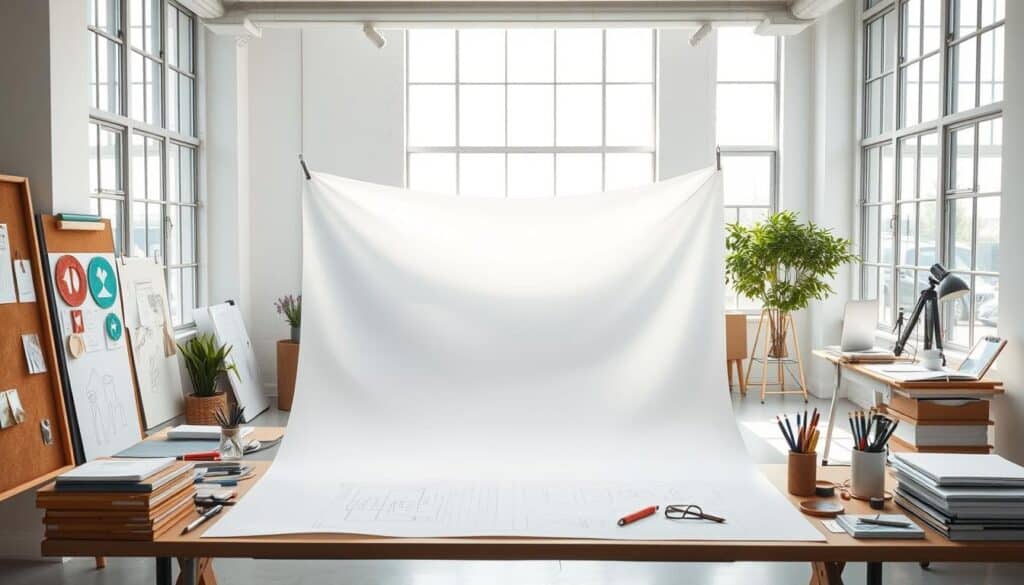
الأهمية في تطوير المنتجات الحديثة
يُعدّ استخدام منهجية البدء من الصفر أمراً أساسياً للشركات التي ترغب في التميز. فهو يساعد على ابتكار منتجات جديدة بتكلفة تطوير أقل وعائدات ربحية أعلى.
| الفوائد الرئيسية | إحصائيات |
|---|---|
| انخفاض التكاليف في تطوير المنتجات الجديدة | 20%+ |
| العملاء الذين تمت خدمتهم | 1000+ |
| زيادة هوامش الربح | 20-30% 20-30% في المتوسط |
من خلال البدء من الصفر، تستطيع الشركات التخطيط لكل التفاصيل بدقة. فهي تُنتج منتجات عالية الجودة تفي بالمعايير. إضافةً إلى ذلك، فإن إنتاجها أرخص وأسرع. يُعدّ التصميم من الصفر وسيلة فعّالة للنجاح في ابتكار منتجات جديدة.
الابتكار المحسّن مع تصميم ورقة نظيفة
يُغيّر تصميم الصفحة الجديدة طريقة تفكير الشركات في حلول التصميم الإبداعية وابتكار المنتجات، إذ يُتيح لها تجاهل التصاميم القديمة، ما يُمكّنها من استكشاف مواد وتقنيات جديدة بلا حدود. وقد استخدمت شركات رائدة في هذا المجال، مثل أمازون، تصميم الصفحة الجديدة، ونجحت بفضله في ابتكار منتجات رائدة مثل AWS وKindle.

تعزيز حلول التصميم الإبداعي
لقد أظهرت أمازون مدى قوة هذه الطريقة. فهي تستخدم التفكير التصميمي concepts لتلبية احتياجات العملاء المتغيرة. تُظهر العديد من المنتجات الجديدة من أمازون أن المخاطرة يمكن أن تؤدي إلى النجاح على المدى الطويل. فحتى لو فشلت بعض الأفكار في البداية، فإن التركيز على الأهداف طويلة الأجل وإسعاد العملاء يؤتي ثماره على المدى الطويل.
الابتعاد عن القيود التقليدية
ترى شركة Gulfstream Aerospace أيضاً أن تصميم الصفائح النظيفة هو المفتاح للمنتجات الجديدة. فعلى عكس التحديثات التدريجية المعتادة، بدأت طائرات G500 وG600 النفاثة من غلف ستريم من لا شيء. فقد تم بناؤها بناءً على ما يريده العملاء. تحتوي هذه الطائرات على تكنولوجيا طيران جديدة تجعل الطيران أكثر أماناً. احتاجت هذه البداية الجديدة إلى أحلام كبيرة وتركيز على العملاء والكثير من الاستثمارات. ولكنها منحتهم ميزة قوية على الآخرين.
تُظهر كل من أمازون وغلف ستريم فوائد التخلي عن الطرق القديمة لأساليب تصميم جديدة ومفتوحة. باستخدام مفاهيم التفكير التصميمي ووضع العملاء في المقام الأول، يمكن للشركات أن تزدهر. ويمكنها البقاء في المقدمة في سوق سريع التغير.
كفاءة التكلفة في تصميم المنتجات
Today, being cost-efficient in product design is key to stay ahead. Early adoption of تصميم قوي methods can lower costs and boost profits. This approach helps manage expenses from the start.
تقليل تكاليف المواد والتصنيع
يعد تحسين عملية الإنتاج أمرًا بالغ الأهمية، بدءًا من اختيار المواد وحتى التسليم. وتقلل هذه الطريقة من الهدر وتوفر المال في التصميم.
يتم تحديد ما يقرب من 80% من تكلفة المنتج في مرحلة التصميم.
يمكن أن تؤدي إعادة تصميم المنتجات إلى تحقيق وفورات كبيرة. من خلال تحليل عملية التصنيع واستخدام الموارد بحكمة، يتم الكشف عن أوجه القصور.
تحسين منهجية التصميم
إن تحسين التصميم لا يتعلق فقط بخفض تكاليف المواد. فهو يتضمن التعاون بين خبراء التمويل والمهندسين والمتخصصين في المنتجات في وقت مبكر. يؤدي هذا التعاون إلى إطلاق أسرع وأرباح أكبر، مما يجعل الشركة أكثر قدرة على المنافسة.
تتضمن عملية الورقة النظيفة أيضاً تحليلاً مفصلاً مثل مقارنة التكاليف المتوقعة والفعلية. وهذا يساعد في تخطيط عمليات الشراء والتفاوض. من خلال اعتماد هذا النهج الاستشرافي، شهدت الشركات المصنعة تحسينات كبيرة في التكاليف. وهذا يدل على أن العمليات الفعالة أمر حيوي للنجاح على المدى الطويل.
الاستدامة من خلال تصميم ورقة نظيفة لتصميم المنتجات
Working towards sustainability in product design is key for businesses today. Clean sheet design brings new ideas that lessen environmental harm. It highlights the importance of planning from the start to achieve sustainability.

الحد من البصمة الكربونية
This approach helps lower the التأثير البيئي. It influences choices about materials and how things are made. Using مواد أكثر ذكاءً and more efficient ways to manufacture reduces انبعاثات الكربون.
A factory in Shanghai improved its main heat-transfer system to save energy. They used wider, shorter, straight pipes which lowered energy تاريخ انتهاء الصلاحية at least 86%.
استيفاء اللوائح البيئية
يساعد التركيز على الاستدامة الشركات على تلبية القواعد البيئية وتجاوزها. هذا النهج الاستباقي يبقي الشركات في المقدمة ويجنبها الغرامات. وتُعد استراتيجية الاتحاد الأوروبي للمواد الكيميائية مثالاً جيداً على استهداف الاستدامة مع الاهتمام بالأجيال القادمة.
تسلط النقاط التالية الضوء على المزايا الرئيسية:
| عامل | تفاصيل |
|---|---|
| سلامة المنتج | يعزز السلامة من خلال استخدام بدائل كيميائية أكثر أماناً. |
| التلوث Reduction | يقلل من مخاطر التلوث من خلال تحسين ممارسات التصميم. |
| الاقتصاد الدائري | يدعم الانتقال إلى اقتصاد دائري ومنخفض الكربون. |
| الامتثال التنظيمي | ضمان المواءمة مع الأطر التنظيمية الصارمة. |
Adopting unified methods and standards for التصميم المستدام leads to better, safer products. The European Commission’s Joint Research Centre develops sustainable design methodologies. These ensure products meet strict environmental standards.
مزايا نقطة البداية الواضحة
Starting from scratch in product design brings many benefits. It uses the clean sheet design approach for a clear start. Teams approach projects more openly, free from old design limits.
One of the best things about clean sheet design is the chance to rethink everything. Without old ideas, designers explore all possibilities. This ensures the final product is top quality and efficient.
| فائدة | Explanation |
|---|---|
| Enhanced Innovation | Promotes creative solutions by breaking free from traditional design constraints. |
| Greater Alignment with Market Needs | Focuses on designing products that are immediately relevant to current consumer demands and technological capabilities. |
| Improved Product Performance | Allows for a comprehensive evaluation and optimization of functionalities and performance metrics. |
| Increased Design Flexibility | Enables the rethinking of design processes, allowing for the incorporation of advanced materials and methods. |
Furthermore, this fresh start allows for the use of new materials and technology. It makes the design process more adaptable to changing markets and consumer tastes.
So, the clean sheet design method leads to better products. It uses these advantages well, helping businesses grow and succeed in the market.
Improved Product Performance
With Clean Sheet Design, products get much better in how they work. This means the design is reliable and the products last longer. They also meet what people now expect. Breaking everything down to start fresh allows for the newest and best materials to be used. This kind of approach focuses on making products better in lots of ways.
Enhanced Functionality
Clean Sheet Design looks closely at what a product needs to do. It brings everyone to the table – engineers, suppliers, and more. They work together to make designs simpler and better. This makes the product work better without costing more. It also makes it easier to move from an idea to a real product.
Greater Reliability and Durability
Clean Sheet Design is known for making things last and work well. It uses fewer parts and the same materials across the board. This makes making them smoother and the quality stays the same. Using modules means changes are easy and the product stays strong.
Products end up weighing less and use less fuel, which is safer. These efforts are in line with what’s expected in today’s industry. They lead to products that last and don’t give up over time.
Streamlined Production Processes
Clean Sheet Design is key for better manufacturing. It aligns design with production from the start. This approach cuts costs and saves effort. By combining design and manufacturing early, companies save a lot of time and money. This leads to more efficient production.
In different sectors, التصميم من أجل التصنيع (DFM) proves very successful. For example, in medical devices, it leads to smooth surfaces that are easy to clean. This meets safety standards and ensures patient safety. In the aerospace sector, DFM helps make aircraft parts lighter. This improves fuel الكفاءة and performance.
In automotive engineering, streamlined manufacturing designs engine parts for easy maintenance. This saves costs. The electronics industry also gains from DFM. It makes parts more reliable and easier to assemble, cutting production expenses.
DFM uses simulation tools to make systems work better and designs more efficient. العنصر المحدود Analysis (FEA) helps use materials wisely and lighten products. ديناميكيات الموائع الحاسوبية (CFD) boosts cooling systems. Moldflow Analysis improves designs for injection molding, making it faster and less error-prone.
Working together across fields helps spot issues early. It makes for cost-effective design changes. A big chunk of production cost comes from early design choices. This includes what materials to use and how to make the product. So, early design is very important.
By following Clean Sheet Design, companies can hit five main goals of DFM. These are cutting costs, boosting productivity, better product quality, quicker دخول السوق, and being greener. This approach helps compete globally and tackle production challenges well.
Flexibility and Adaptability in Design
Today’s market changes fast. This makes flexibility in design essential. It allows businesses to stay ahead by adjusting quickly to new consumer needs and tech advancements. Flexibility brings many benefits for companies and their customers.
Adapting to Market Changes
Change is happening faster than ever. The Accenture Pulse of Change Index shows a 183% increase over four years. Adaptable designs help companies pivot quickly to keep up. With 83% of businesses speeding up their changes, being able to update products easily is key.
Customization for Specific Needs
Designs that respond to the market focus on what consumers want. Customizing products can make customers happier and more loyal. Here’s how:
| Customization Strategy | فائدة |
|---|---|
| Modular Components | Allows easy adaptation to different markets |
| Configuration Options | Enables consumers to choose features they need |
| Scalable Platforms | Supports future upgrades and modifications |
Using these strategies helps businesses stay current and ready for the future. Agility is crucial in today’s world. Richard D’Aveni in “Hypercompetition” says being good at handling change is vital. Hence, adopting flexible designs is a must.
Utilizing Latest Technology Innovations
Using the newest technology in design is now essential for companies wanting to keep up. By adopting breakthrough materials and embracing modern making methods, businesses can greatly improve how they develop products. This leads to more innovation and efficiency.
Integrating Advanced Materials
Incorporating advanced materials can transform design and manufacturing. For example, the automotive sector can cut a structure’s mass by up to 70%. This is done by using a fresh approach and generative design. Also, by harnessing artificial intelligence, makers can sift through huge data sets. This helps them spot trends and continually enhance their processes. This shows the power of advanced materials in reshaping industry benchmarks and capabilities.
Leveraging Modern Manufacturing Techniques
Today’s manufacturing methods are key to unparalleled efficiency and quality. Automation, for one, improves speed, safety, and precision by reducing human mistakes in repetitive tasks. Meanwhile, 3D printing has changed digital manufacturing. It makes making complex structures repeatable and scalable, whether globally or locally. Tools like those seen in Boeing’s T-7A trainer cut assembly hours by 80%. This highlights the benefits of digital engineering in manufacturing.
In the aerospace realm, breakthroughs like the digital thread in MQ-25 production let teams follow 3D-model-based instructions precisely. The MQ-28, created by Boeing Australia, went from idea to first flight in three years. This quick development was due to advanced manufacturing techniques and digital engineering. It shows how modern methods can change الطيران.
Key Statistics:
- Adoption of clean sheet design can reduce structure mass by 20-70%.
- AI processes large data volumes to drive التحسين المستمر in manufacturing.
- 3D printing drives scalable, repeatable digital manufacturing.
- Automation improves speed, safety, and accuracy in manufacturing processes.
By embracing these technological advances, industries enhance their product quality and performance. They also make their production processes more efficient. This leads to innovative, sustainable designs for the future.
Practical Steps to Implement Clean Sheet Design
Implementing clean sheet design involves several key steps. It requires careful planning, detailed research, and teamwork across departments. Following a structured approach ensures all aspects of design improvement are explored. This leads to better strategies from start to finish.
Initial Planning and Research
Starting with strategic planning is crucial for clean sheet design. It begins by identifying new market needs, especially in fast-evolving industries. For example, aerospace design shifts are often based on التقنيات الجديدة or market demands. Understanding clients’ goals is crucial to decide if a new design solution is needed.
Companies like NMG Aerospace excel in making innovative clean sheet designs. They create parts for fluid systems, safety, and landing gears that meet specific needs. An important step is doing cleansheet calculations. This offers insights into the costs of materials, labor, and equipment. Sharing this data helps improve design and cut costs.
Collaboration with Cross-Functional Teams
Working with teams from different departments is key for success. This ensures a well-rounded approach to design and manufacturing. For instance, creating aircraft designs involves building and testing prototypes. Safety and quality tests are also done to ensure the designs work in real life.
Clean sheet models, or “should cost” analyses, are also beneficial. They help understand the cost implications of designs. This aids in negotiating with suppliers and maintaining profitability. Relying on up-to-date data for costs, including R&D investments and taxes, improves model accuracy. Teams focus on their areas, like metal or electronics, for precise estimates.
This approach leads to significant savings and better product performance. Cleansheet analysis by McKinsey showed an average of 38% savings for one client.
خاتمة
Clean sheet design benefits are crucial in today’s product development world. This approach pushes companies to think differently about their products. It helps create innovative products that stand out. By focusing on what’s truly important, designers can make products that perform better and meet specific needs.
The approach plays a big role in sustainable design. It reduces the use of materials and cuts manufacturing costs. This way, it lessens the harm to the environment. Companies can meet tough environmental rules, showing they care about our planet.
Clean sheet design also means products work better and last longer. This makes customers happy and loyal. Using the latest tech and making techniques, it brings new, exciting products to the market.
In short, clean sheet design is key for companies wanting to keep up with fast changes. It’s about being sustainable, improving products, and encouraging new ideas. For any company looking to excel in design, it’s essential.
قراءات وأساليب ذات صلة
- Value engineering: analyzing product functions to reduce cost while maintaining performance.
- التفكير التصميمي: empathizing with users to create innovative solutions through iterative prototyping.
- الهندسة المتزامنة: collaborative approach where cross-functional teams work simultaneously on product development.
- Sustainability in design: incorporating environmental considerations and life cycle analysis in the design process.
- Design for Manufacturability (DFM): designing products to simplify manufacturing processes and reduce production costs.
- Human-centered design: focusing on user needs and experiences to create more intuitive and accessible products.
- Reverse engineering: analyzing competitors’ products to understand their design and improve upon them.
- تصميم معياري: creating products with interchangeable components to enhance flexibility and customization.
التعليمات
ما هو تصميم الورقة النظيفة لتصميم المنتجات؟
تصميم الورقة النظيفة يبدأ من الصفر. يتجاهل الطرق القديمة لتعزيز الابتكار. وهذا يعيد تشكيل ما تفعله المنتجات وكيف يشعر المستخدمون بها.
كيف يعزز تصميم الورقة النظيفة الابتكار؟
It dumps old rules for a new outlook. Clean Sheet Design leads to unique solutions and الإبداع. It opens fresh paths in product creation.
ما أهمية تصميم الصفائح النظيفة في تطوير المنتجات الحديثة؟
فهو يتيح للشركات تحقيق الأهداف البيئية وخفض انبعاثات الكربون واستخدام أحدث التقنيات والمواد. وهذا يجعل المنتجات أكثر صداقة للبيئة وأكثر تقدماً في السوق.
كيف يساهم تصميم الورقة النظيفة في كفاءة التكلفة في تصميم المنتجات؟
البدء من جديد يحسن طريقة صنع الأشياء. فهو يقلل من نفقات المواد والهدر. وبالتالي، فإنه يعزز أرباح المنتج مع الحفاظ على الجودة العالية.
ما هي الطرق التي يدعم بها تصميم الورقة النظيفة الاستدامة؟
تفضل هذه الطريقة المواد الصديقة للبيئة وطرق التصنيع الفعالة. فهي تقلل من الضرر الذي يلحق بكوكبنا. كما أنها تساعد الشركات على تلبية القواعد البيئية الصارمة.
ما هي مزايا وجود نقطة انطلاق واضحة في تصميم المنتج؟
يوفر البدء من جديد رؤية واضحة وقدرة على التكيف. فهو يحرر فرق العمل للابتكار دون النظر إلى الأفكار القديمة. فهي تركز بالكامل على استخدام التكنولوجيا الجديدة وتلبية متطلبات السوق.
كيف يعمل تصميم الورقة النظيفة على تحسين أداء المنتج؟
تعمل إعادة التفكير في كل جزء من الصفر على تعزيز كيفية عمل الأشياء واستمرارها وموثوقيتها. وتستخدم أحدث العلوم والأبحاث للحصول على منتجات أفضل.
كيف يعمل تصميم الورقة النظيفة على تبسيط عمليات الإنتاج؟
يجعل التصميم والتصنيع خطوة واحدة سلسة. وهذا يقلل من أوقات التشغيل والتكاليف. يؤدي إلى كفاءة واستدامة التصنيع مع تقليل وقت التعطل.
كيف يضمن تصميم الورقة النظيفة المرونة والقدرة على التكيف في تصميم المنتج؟
فهي تهيئ المنتجات للتغيرات السريعة في السوق والاحتياجات المخصصة. لذا، فهي تلبي المتطلبات الجديدة بشكل جيد، وتحافظ على قدرتها التنافسية والتقدم التكنولوجي.
ما هو الدور الذي تلعبه المواد المتقدمة وتقنيات التصنيع الحديثة في تصميم الصفائح النظيفة؟
التكنولوجيا والمواد الجديدة تجعل المنتجات متميزة. فهي تحقق كفاءة وجودة أفضل باستخدام أحدث أساليب التصنيع.
ما هي الخطوات العملية لتنفيذ تصميم الورقة النظيفة؟
يحتاج الأمر إلى تخطيط دقيق، وبحث شامل، وعمل جماعي عبر الأقسام. وهذا يضمن مراعاة كل التحسينات من البداية إلى النهاية.
مسرد المصطلحات المستخدمة
American Welding Society (AWS): منظمة غير ربحية تعمل على تطوير المعايير والشهادات والموارد التعليمية لصناعة اللحام، وتعزيز السلامة والجودة والتقدم التقني في ممارسات وتقنيات اللحام.
Computational Fluid Dynamics (CFD): طريقة عددية تستخدم لتحليل تدفق السوائل، ونقل الحرارة، والظواهر ذات الصلة من خلال حل المعادلات الحاكمة لحركة السوائل والديناميكا الحرارية من خلال تقنيات التقدير، مما يتيح محاكاة وتصور سلوك السوائل المعقدة في مختلف التطبيقات الهندسية.
Computer Aided Design (CAD): تطبيق برمجي يستخدم لإنشاء وتعديل وتحليل وتحسين التصميمات في مجالات مختلفة مثل الهندسة والعمارة والتصنيع، مما يتيح الحصول على رسومات ونماذج دقيقة من خلال الأدوات والتقنيات الرقمية.
Computer-Aided Design (CAD): تطبيق برمجي يستخدم لإنشاء وتعديل وتحليل وتحسين التصميمات في مجالات مختلفة مثل الهندسة والعمارة والتصنيع، مما يتيح الحصول على رسومات ونماذج دقيقة من خلال الأدوات والتقنيات الرقمية.
Design for Manufacturability (DFM): مجموعة من الممارسات الهندسية التي تهدف إلى تصميم المنتجات لتبسيط عملية التصنيع وتحسينها، وتقليل تكاليف الإنتاج، وتحسين الجودة، وتقليل الوقت اللازم لطرح المنتج في السوق من خلال مراعاة قدرات التصنيع والقيود أثناء مرحلة التصميم.
Design for Manufacturing (DfM): مجموعة من المبادئ التي تهدف إلى تبسيط وتحسين تصميمات المنتجات لتعزيز القدرة على التصنيع، وخفض تكاليف الإنتاج، وتحسين الجودة من خلال مراعاة عمليات التصنيع والمواد وتقنيات التجميع أثناء مرحلة التصميم.
Finite Element Analysis (FEA): طريقة عددية لحل المشاكل الهندسية المعقدة عن طريق تقسيم الهياكل إلى أجزاء أصغر وأبسط تسمى العناصر، مما يسمح بتحليل الإجهاد والانفعال والتشوه في ظل ظروف مختلفة.
Value Engineering (VE): طريقة منهجية لتحسين قيمة المشروع من خلال تحليل وظائفه، وخفض التكاليف، وتحسين الأداء دون المساس بالجودة أو الموثوقية. تتضمن هذه الطريقة عملاً جماعياً متعدد التخصصات لتحديد وتنفيذ بدائل فعّالة من حيث التكلفة.