Product Design, Manufacturing & Innovation Resources
Home » Polymerase Chain Reaction (PCR)

Polymerase Chain Reaction (PCR)

1983
  • Kary Mullis
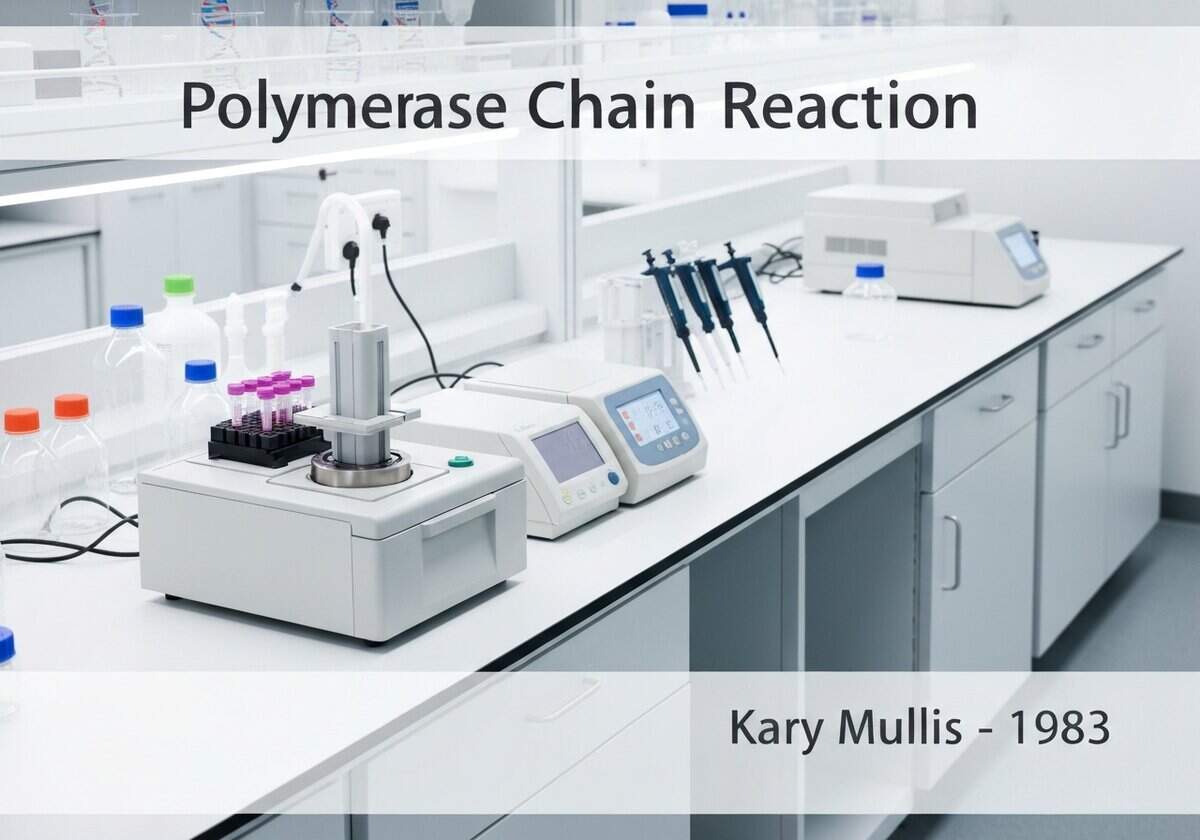
Thermal cycler amplifying DNA in a molecular biology laboratory setting.

(generated image for illustration only)

The Polymerase Chain Reaction (PCR) is a laboratory technique used to amplify a specific segment of DNA, generating millions to billions of copies from a small initial sample. The method relies on thermal cycling, consisting of repeated cycles of heating and cooling for DNA melting, primer annealing, and enzymatic replication of the DNA using a thermostable DNA polymerase, resulting in exponential amplification.
The Polymerase Chain Reaction (PCR) is a revolutionary in vitro method for exponentially amplifying a specific target DNA sequence. Its power lies in its ability to generate billions of copies from a minute starting quantity of DNA, making it possible to analyze DNA from samples as small as a single cell. The process is driven by a series of temperature changes, or thermal cycles, managed by a machine called a thermal cycler. Each cycle consists of three core steps. First, Denaturation: the reaction mixture is heated to 94–98 °C for a short period, causing the double-stranded DNA template to separate into single strands. Second, Annealing: the temperature is lowered to 50–65 °C, allowing short, single-stranded DNA primers to bind (anneal) to their complementary sequences on the now single-stranded template DNA. These primers flank the target region to be amplified. Third, Extension: the temperature is raised to 72 °C, the optimal temperature for the key enzyme, a thermostable DNA polymerase, to work. The most commonly used is Taq polymerase, isolated from the thermophilic bacterium *Thermus aquaticus*. The polymerase binds to the primer-template complex and begins synthesizing a new complementary DNA strand, extending from the primer. This three-step cycle is repeated 20-40 times. With each cycle, the number of copies of the target DNA sequence doubles, leading to an exponential amplification, mathematically described as \(2^n\), where n is the number of cycles. The result is a solution containing a vast quantity of the specific DNA fragment, which can then be easily visualized by gel electrophoresis or used in subsequent molecular biology applications like sequencing or cloning.

UNESCO Nomenclature: 2406
– Molecular Biology

Type

Chemical Process

Disruption

Revolutionary

Usage

Widespread Use

Precursors

  • discovery of DNA structure
  • understanding of DNA replication principles
  • isolation of DNA polymerase enzymes
  • discovery of thermostable organisms and their enzymes (e.g., Taq polymerase)
  • development of oligonucleotide synthesis for primers

Applications

  • DNA fingerprinting for forensics
  • medical diagnostics for infectious diseases (e.g., COVID-19)
  • genetic testing for hereditary diseases
  • cloning genes
  • sequencing genomes
  • phylogenetic analysis

Patents:

  • US4683195
  • US4683202
  • US4965188

Potential Innovations Ideas

  • portable, real-time PCR devices for point-of-care disease diagnosis
  • digital PCR (dPCR) for absolute quantification of nucleic acids
  • multiplex PCR for simultaneous detection of multiple pathogens
  • reverse transcription PCR (RT-PCR) for RNA analysis and gene expression studies
  • in-situ PCR for localizing DNA/RNA within cells or tissues
  • high-fidelity PCR enzymes for reducing amplification errors in sequencing
  • rapid PCR protocols that complete amplification in minutes
  • integration of PCR with microfluidic ‘lab-on-a-chip’ systems
  • using PCR for environmental DNA (eDNA) monitoring of biodiversity
  • PCR-based assays for food authenticity and GMO detection
Related to: PCR, polymerase chain reaction, DNA amplification, kary mullis, taq polymerase, thermal cycling, forensics, diagnostics, molecular cloning, genetic testing.

Historical Context

Polymerase Chain Reaction (PCR)

1973
1975
1979
1983
1988
1990
1990
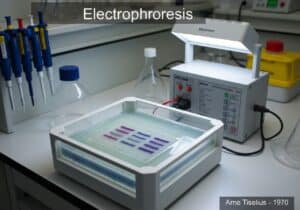
1970
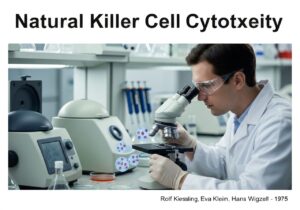
1975
1977
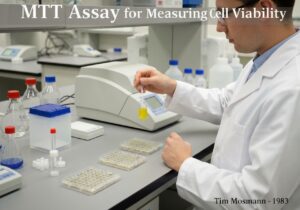
1983
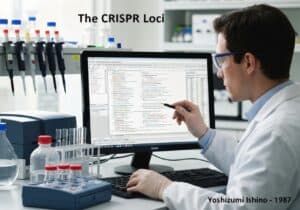
1987
1990
1990
1990

(if date is unknown or not relevant, e.g. "fluid mechanics", a rounded estimation of its notable emergence is provided)

10th year anniversary

Full size images and downloads are only available, 100% free, for registered members.

> Login <