Product Design, Manufacturing & Innovation Resources
घर » पुनरावृत्तीय उत्पाद डिज़ाइन प्रक्रिया

पुनरावृत्तीय उत्पाद डिज़ाइन प्रक्रिया

1960
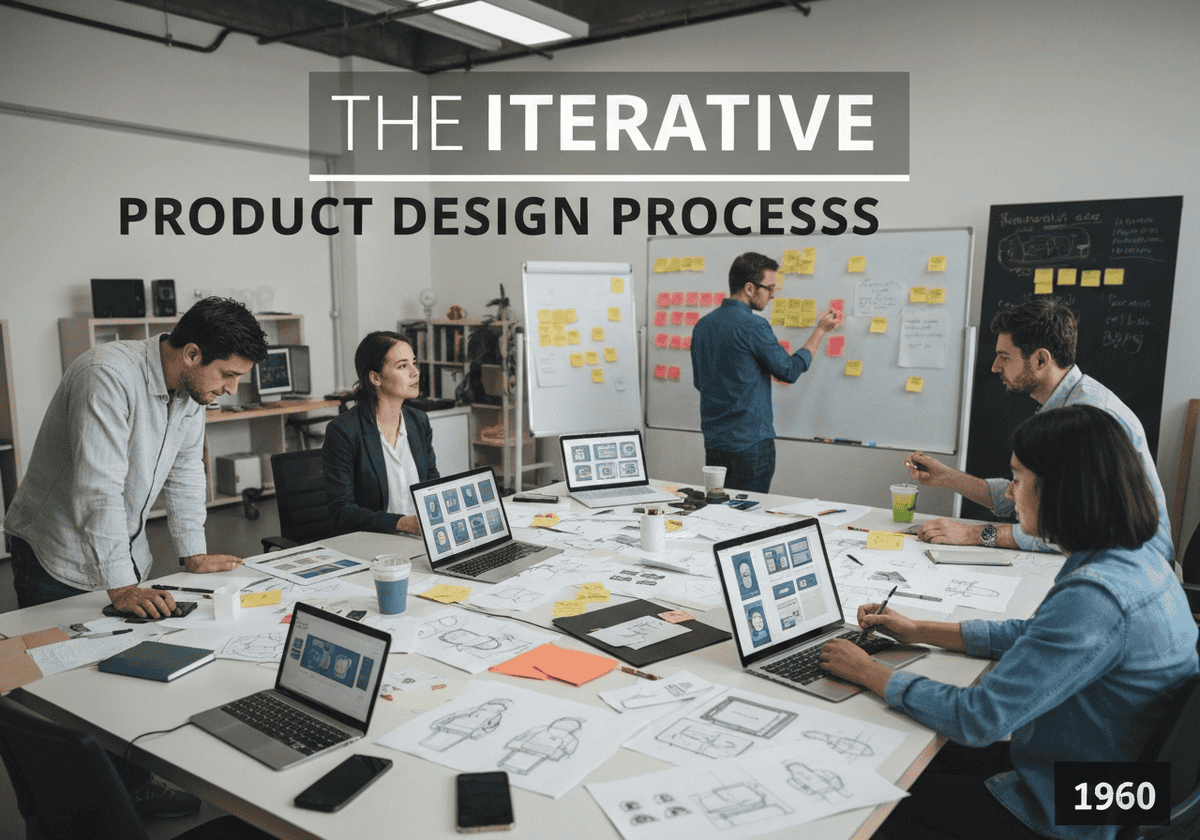
औद्योगिक डिजाइनरों के साथ मिलकर उत्पाद विकास करने वाला आधुनिक डिजाइन स्टूडियो।

(यह छवि केवल उदाहरण के लिए बनाई गई है)

नए उत्पादों के निर्माण के लिए एक संरचित कार्यप्रणाली, जिसमें आमतौर पर विश्लेषण, अवधारणा विकास और संश्लेषण शामिल होता है। यह एक पुनरावृत्तीय चक्र है जहाँ डिज़ाइनर उपयोगकर्ता की ज़रूरतों पर शोध करते हैं, विचारों पर विचार-मंथन करते हैं, प्रोटोटाइप बनाते हैं और अंतिम उत्पाद को परिष्कृत करने के लिए उनका परीक्षण करते हैं। यह प्रक्रिया सुनिश्चित करती है कि बड़े पैमाने पर उत्पादन से पहले अंतिम उत्पाद कार्यात्मक और बाज़ार की मांगों को प्रभावी ढंग से पूरा करता है।

The product design process is a framework that guides designers and engineers from an initial idea to a market-ready product. It begins with the ‘Analysis’ phase, which involves deep market research, competitive analysis, and understanding user needs through methods like interviews and surveys. This phase defines the problem and sets the design constraints and goals. The subsequent ‘Concept’ phase is a creative exploration where designers brainstorm a wide range of potential solutions. Techniques like sketching, mind-mapping, and storyboarding are common. Multiple ideas are generated without initial judgment to foster innovation. Following this, the ‘Synthesis’ phase involves refining and combining the most promising concepts into a tangible design. This is where detailed specifications are created, and early prototypes, such as mockups or 3D models, are built. The process is inherently iterative; feedback from testing these prototypes is used to circle back to earlier stages for refinement. For example, a उपयोगिता test might reveal a flaw that requires a return to the concept phase to explore alternative solutions. This cyclical nature ensures continuous improvement and reduces the risk of market failure by validating the design against real-world user feedback and technical feasibility before committing to mass production.

UNESCO Nomenclature: 3305
औद्योगिक प्रौद्योगिकी

Type

सार प्रणाली

व्यवधान

मूलभूत

उपयोग

व्यापक उपयोग

शगुन

  • वैज्ञानिक पद्धति
  • शिल्प कौशल परंपराएं और प्रशिक्षुता मॉडल
  • प्रारंभिक इंजीनियरिंग ड्राइंग और ड्राफ्टिंग तकनीकें
  • औद्योगिक क्रांति का ध्यान बड़े पैमाने पर उत्पादन प्रक्रियाओं पर केंद्रित था।

आवेदन

  • स्मार्टफ़ोन का विकास
  • एर्गोनॉमिक ऑफिस फर्नीचर का निर्माण
  • आधुनिक ऑटोमोबाइल का डिज़ाइन
  • सॉफ्टवेयर एप्लिकेशन विकास (यूआई/यूएक्स)

पेटेंट:

NA

संभावित नवाचार विचार

  • एआई-आधारित डिज़ाइन प्रक्रिया जो उपयोगकर्ता अनुसंधान विश्लेषण को स्वचालित करती है और प्रारंभिक अवधारणाओं का सुझाव देती है।
  • एक सब्सक्रिप्शन बॉक्स सेवा जो उपयोगकर्ताओं को परीक्षण करने और प्रतिक्रिया देने के लिए मासिक प्रोटोटाइप किट भेजती है।
  • वैश्विक टीमों के लिए एक सहयोगी वर्चुअल प्लेटफॉर्म, जहां वे वास्तविक समय में उत्पाद अवधारणाओं को सह-डिजाइन और संश्लेषित कर सकती हैं।
  • सतत उत्पाद डिज़ाइनों को साझा करने और उनमें सुधार करने के लिए एक ओपन-सोर्स प्लेटफ़ॉर्म
  • सामाजिक प्रभाव परियोजनाओं के लिए डिज़ाइन अवधारणाओं को जुटाने हेतु गेमिफाइड मोबाइल ऐप
  • अंतिम अनुकूलन के लिए विनिमेय घटकों वाला एक मॉड्यूलर उत्पाद डिजाइन सिस्टम
  • a blockchain-based system for tracking design iterations and बौद्धिक संपदा अधिकार
  • a bio-integrated design process that uses living organisms as part of the product’s function
इससे संबंधित: उत्पाद डिजाइन प्रक्रिया पुनरावृत्तीय डिज़ाइनविश्लेषण, अवधारणा, संश्लेषण, प्रोटोटाइपिंग, उपयोगकर्ता अनुसंधान, उत्पाद विकास।

ऐतिहासिक संदर्भ

पुनरावृत्तीय उत्पाद डिज़ाइन प्रक्रिया

1950
1955
1956
1960
1960
1960
1960
1950
1950
1955
1958
1960
1960
1960
1960

(यदि तिथि अज्ञात है या प्रासंगिक नहीं है, उदाहरण के लिए "द्रव यांत्रिकी", तो इसके उल्लेखनीय उद्भव का एक अनुमानित आंकड़ा प्रदान किया गया है)

नवीनतम परिवर्धन

शीर्ष पोस्ट और लेख

शीर्ष मूल उपकरण

10वां वर्ष सालगिरह

पंजीकृत सदस्यों के लिए पूर्ण आकार की छवियाँ और डाउनलोड 100% निःशुल्क उपलब्ध हैं।





























