(图片仅供参考)
创新世界
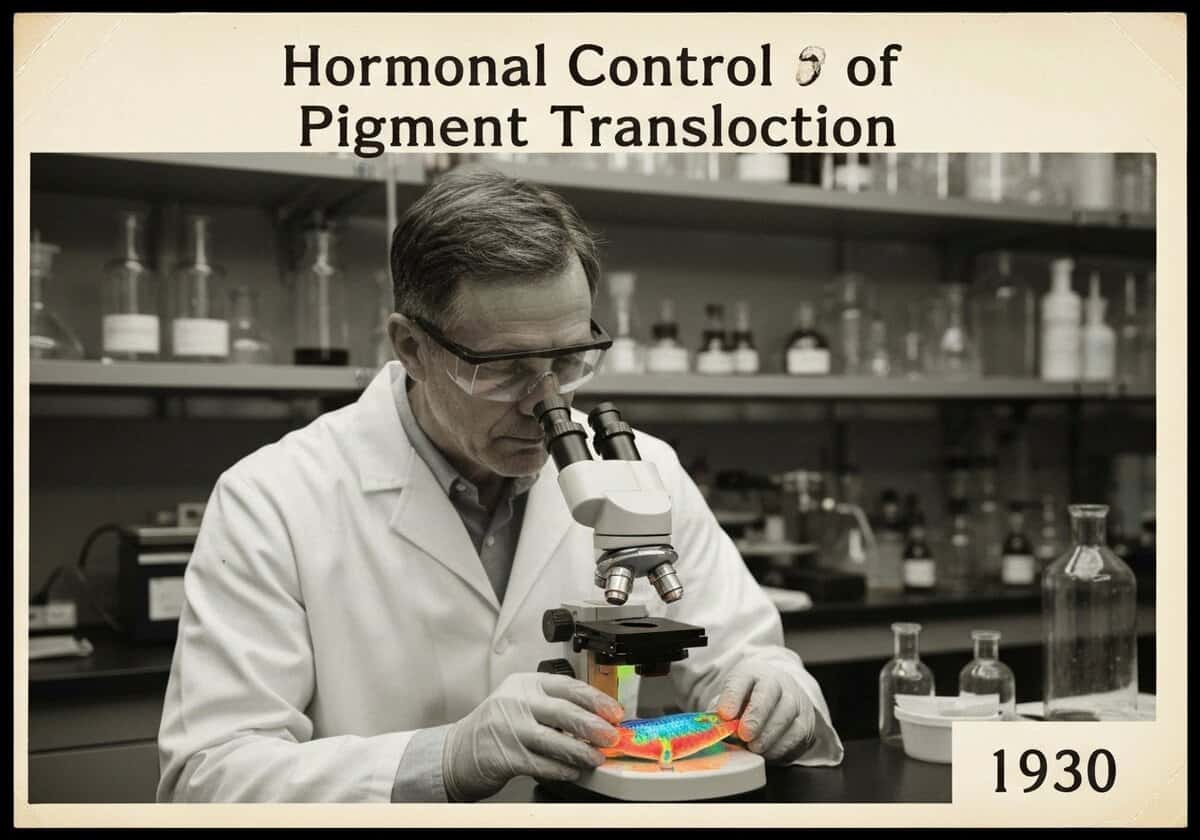
这种机制被称为生理颜色变化,依赖于细胞质内含有色素的细胞器(黑素细胞中的黑素体)的运动。
由于机器人流量被拦截(目前每天超过 4 万),此内容仅限社区成员查看。> 登录 > 或者 > 注册 < (100% 免费)即可访问此内容,以及所有其他受限内容和工具。
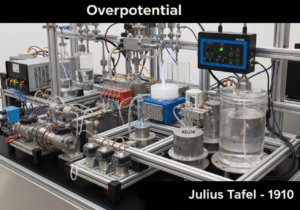
过电位(化学)
过电位是指半反应热力学确定的还原电位与实验观察到的氧化还原电位之间的电位差(电压)。它代表克服活化能垒使电极反应以显著速率进行所需的额外能量。它是所有电解过程能量效率的关键因素。
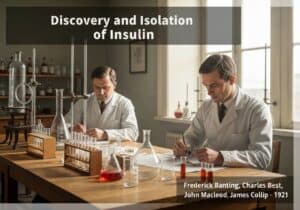
胰岛素的发现和分离
1921年,在多伦多大学约翰·麦克劳德的指导下,弗雷德里克·班廷和查尔斯·贝斯特从犬胰腺提取物中分离出胰岛素。生物化学家詹姆斯·科利普随后开发了一种纯化工艺,使提取物能够安全用于人类。这一发现将1型糖尿病从一种致命疾病转变为一种可控疾病,班廷和麦克劳德也因此获得了1923年的诺贝尔奖。
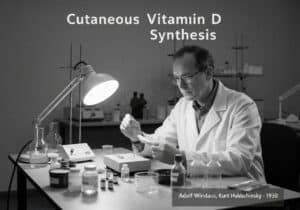
皮肤维生素D合成
阳光,特别是波长在 290-315 纳米之间的紫外线 B (UVB) 辐射,能够触发皮肤中维生素 D 的合成。当 UVB 光子照射到皮肤上时,它们会将 7-脱氢胆固醇光化学转化为维生素 D3 前体,后者随后异构化为维生素 D3(胆钙化醇)。这一过程是人类维生素 D 的主要天然来源。
激素对色素转运的调控
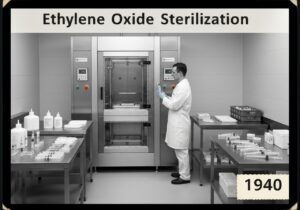
环氧乙烷(EtO)灭菌
一种使用环氧乙烷气体的低温化学灭菌方法。该方法可有效灭菌塑料、电子设备和光学仪器等热敏性和湿敏性材料。该过程涉及烷基化,其中环氧乙烷会破坏微生物的DNA和蛋白质,从而阻止其复制。该方法需要严格控制气体浓度、温度、湿度和暴露时间。
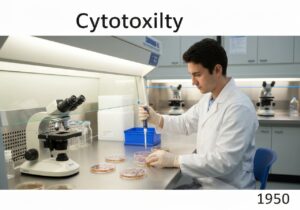
细胞毒性
细胞毒性是指物质或细胞对其他细胞具有毒性的特性。细胞毒性药物可通过坏死(细胞膜失去完整性,导致细胞溶解和炎症)或凋亡(一种受控的程序性细胞死亡过程)诱导细胞死亡。这与细胞抑制剂不同,细胞抑制剂仅抑制细胞分裂,而不会直接导致细胞死亡。
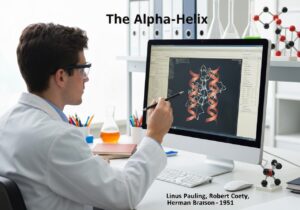
α螺旋(生物化学)
α-螺旋([latex]\alpha[/latex]-helix )是蛋白质中常见的二级结构模式。它是一种右旋盘绕构象,其中每一个骨架 N-H 基团都会向位于四个残基之前的氨基酸的骨架 C=O 基团提供一个氢键([latex]i+4(右旋)i[/latex] 氢键)。这种有规律的模式将多肽链拉成螺旋状。.
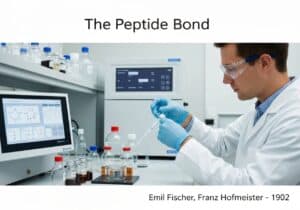
肽键
肽键是两个氨基酸分子之间形成的共价化学键。它将一个氨基酸的羧基([latex]-COOH[/latex])与另一个氨基酸的氨基([latex]-NH_2[/latex])连接起来,在脱水合成反应中释放出一个水分子。这种酰胺键是形成多肽链的基础,也是蛋白质一级结构的基础。.
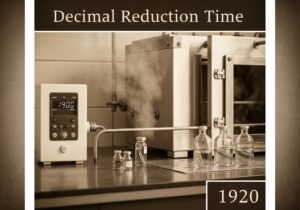
十进制减少时间(D值)
D 值是在特定温度下杀死 90%(或减少一个对数值)目标微生物群所需的时间。它是热杀菌中的一个关键参数,可量化微生物对热的抵抗力。例如,如果 [latex]10^6[/latex] 孢子数量的 D 值为 2 分钟,则需要 2 分钟才能将其减少到 [latex]10^5[/latex]。
鲁米诺
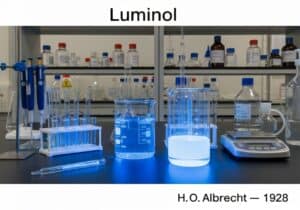
鲁米诺 (C8H7N3O2) 与碱性溶液中的氧化剂混合时,会发出强烈的蓝色化学发光。需要催化剂,通常是铁化合物,例如血红蛋白中的血红素。该反应会氧化鲁米诺,形成一种不稳定的过氧化物,过氧化物会分解成处于电子激发态的 3-氨基邻苯二甲酸酯。该激发态随后衰减,发射出蓝色光子。
蛋白质变性
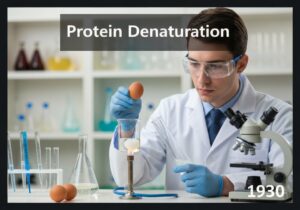
蛋白质变性是指蛋白质失去其天然三维结构的过程。这种二级、三级和四级结构的破坏是由外界压力因素(例如高温、极端pH值、有机溶剂或辐射)引起的。虽然氨基酸的一级序列保持完整,但形状的丧失会导致蛋白质生物功能的丧失。
细胞呼吸中的氧化还原
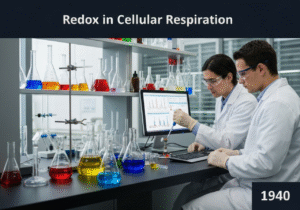
细胞呼吸是一系列氧化还原反应,其中有机分子(如葡萄糖)被氧化以释放能量。葡萄糖([latex]C_6H_{12}O_6[/latex])被氧化成 [latex]CO_2[/latex],而氧气([latex]O_2[/latex])被还原成水([latex]H_2O[/latex])。这一过程通过电子传递链传递电子,形成质子梯度,推动细胞主要能量货币 ATP 的合成。
生物膜中的电化学电位
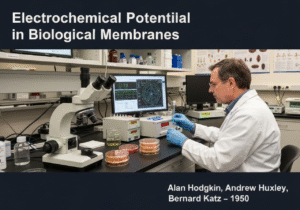
电化学电位是生命的基础,它驱动着跨细胞膜的细胞过程。离子泵主动产生浓度梯度,而离子通道的选择性通透性则产生电位(膜电位)。由此产生的电化学梯度决定了离子的被动流动,这对于神经信号传导(动作电位)、肌肉收缩以及线粒体中的细胞能量产生(ATP合成)至关重要。
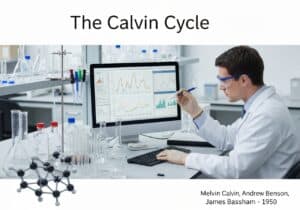
卡尔文循环(碳固定)
卡尔文循环,即不依赖光的反应,利用依赖光阶段产生的 ATP 和 NADPH 将无机二氧化碳转化为有机糖分子。这一过程发生在叶绿体的基质中。关键酶 RuBisCO 催化第一步:将 [latex]CO_2[/latex] 固定为有机分子,启动产生碳水化合物的循环。.
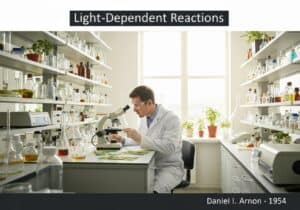
光反应(光合磷酸化)
光合作用的第一阶段——光反应,发生在叶绿体的类囊体膜中。叶绿素捕获光能,通过光解作用分解水,释放氧气、质子([latex]H⁺[/latex])和电子([latex]e⁻[/latex])。 该能量用于生成两种能量载体分子:三磷酸腺苷(ATP)和烟酰胺腺嘌呤二核苷酸磷酸(NADPH),为后续的卡尔文循环提供动力。.
(如果日期未知或不相关,例如“流体力学”,则提供其显著出现的近似估计)
只有注册会员才能免费获得 100% 的全尺寸图片和下载。.
> 登录 <